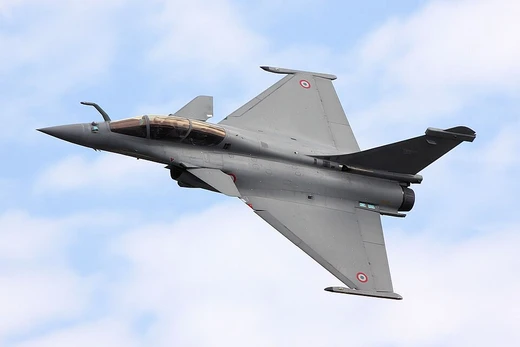
F-16 Fighting Falcon
A multirole fighter evolved from a lightweight day fighter design.

Edited by Fir0002 · Public domain
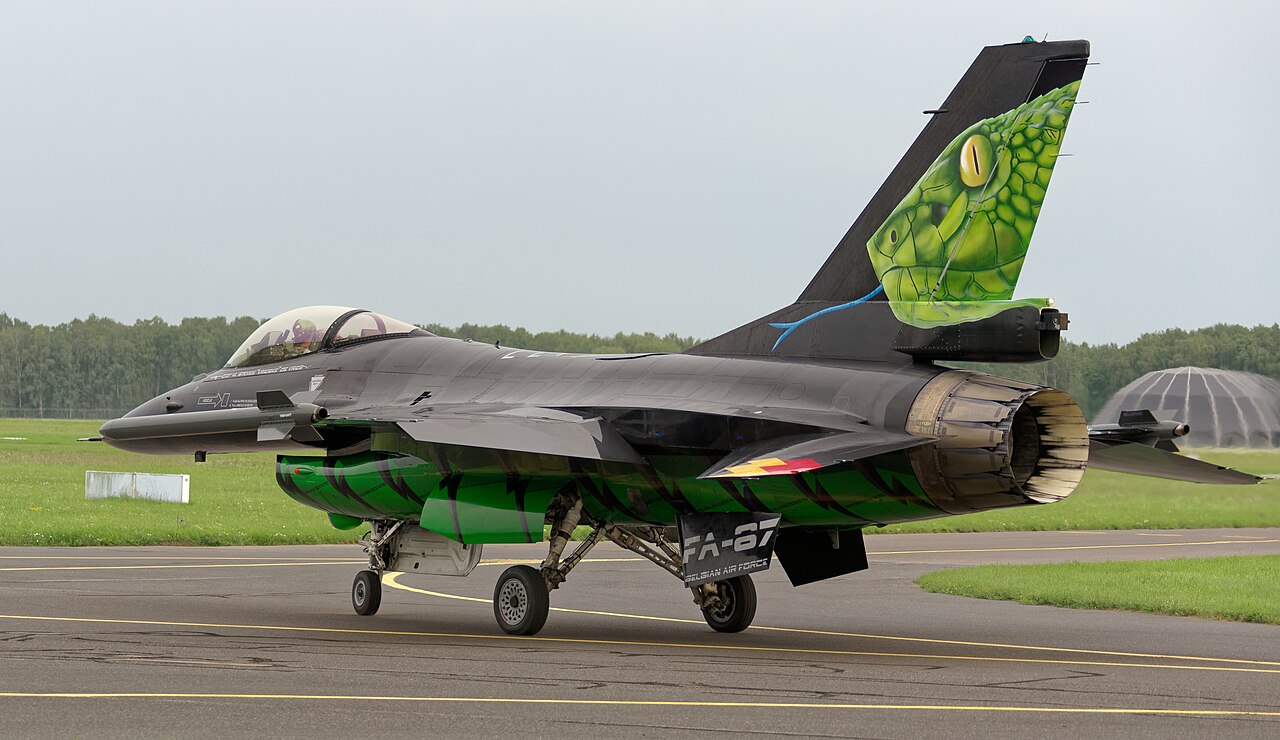
The General Dynamics (now Lockheed Martin) F-16 Fighting Falcon is an American single-engine supersonic multirole fourth-generation fighter aircraft. Originally conceived as a lightweight, air superiority day fighter, it was developed by General Dynamics and first flew in 1974. The design evolved into a highly successful all-weather multirole platform, with over 4,600 units built since 1976. Although original production has ceased, improved variants, notably the Lockheed Martin F-16V Viper family, continue to be built and upgraded for export at a new Lockheed Martin facility. The F-16 is the most numerous fixed-wing aircraft in active military service worldwide, with 2,102 examples operational, representing 15% of all active combat aircraft.
The aircraft introduced several pioneering features: a frameless bubble canopy for exceptional pilot visibility, a side-stick controller for improved maneuverability, and an ejection seat reclined 30 degrees to help pilots withstand high g-forces. It was the first fighter to employ a relaxed static stability/fly-by-wire flight control system, contributing to its agility. Powered by a single turbofan engine, it carries an internal M61 Vulcan cannon and eleven hardpoints for weapons and stores. While officially named "Fighting Falcon," it is widely known by the nickname "Viper" among crews and pilots.
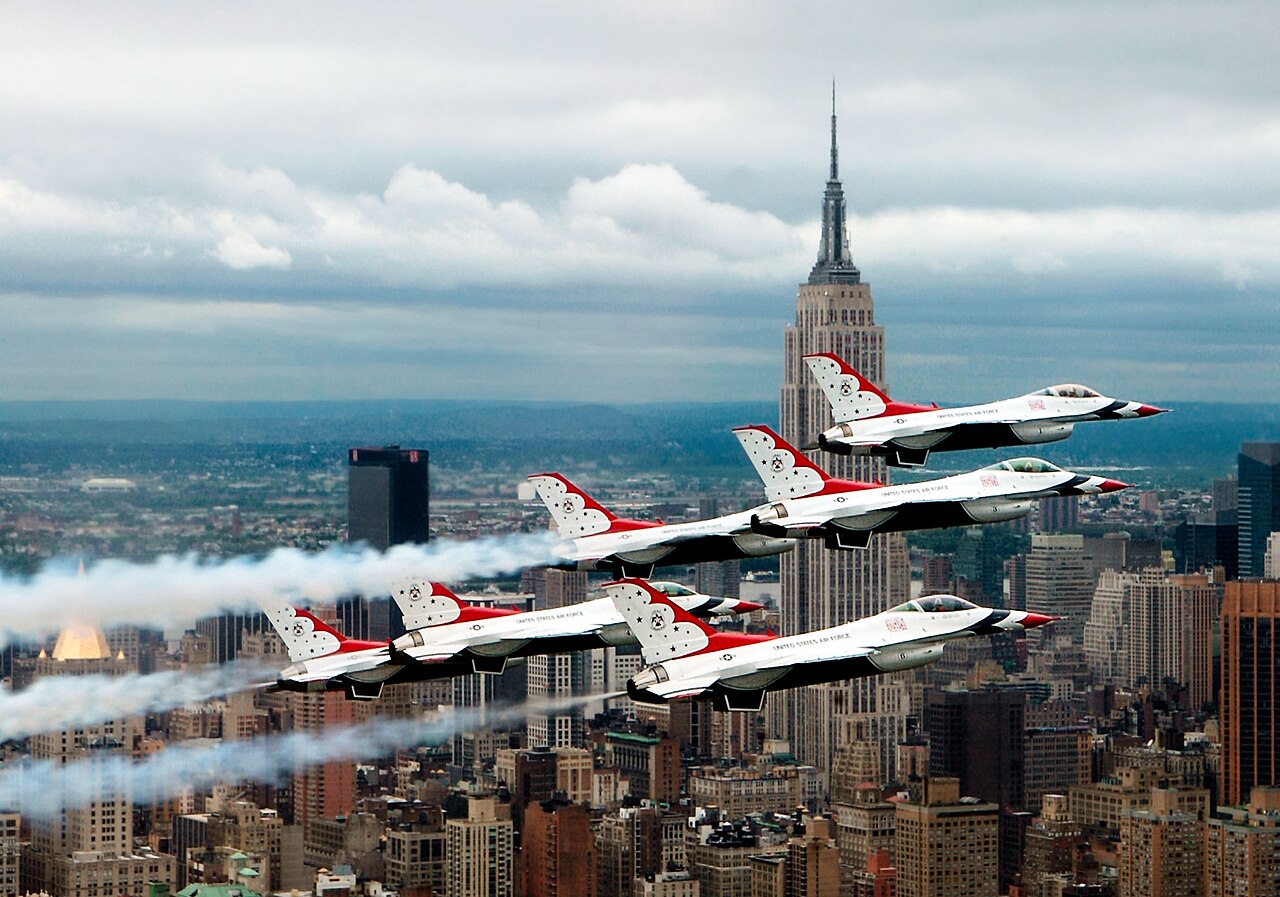
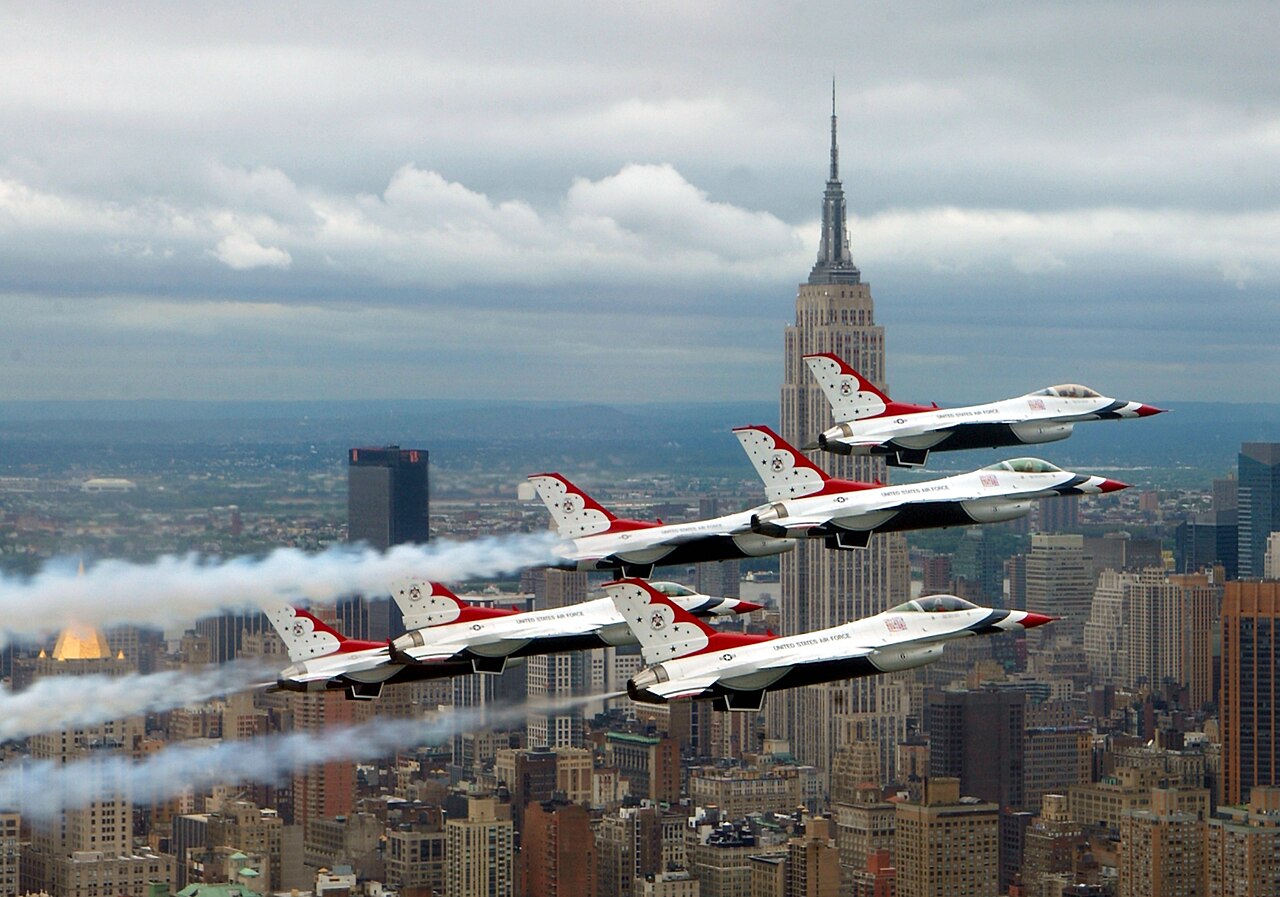
Since entering service in 1978, the F-16 became a cornerstone of U.S. tactical airpower, replacing the F-105, A-7, and F-4. It primarily performed strike and suppression of enemy air defenses (SEAD) missions, taking over the SEAD role from the F-4G Wild Weasel by 1996. The aircraft serves in active U.S. Air Force, Reserve, and Air National Guard units, as well as with the Thunderbirds demonstration team and as an adversary aircraft for the U.S. Navy. It has been adopted by 25 other nations and has seen extensive combat in coalition operations over the Gulf War, Bosnia, Yugoslavia, Afghanistan, Libya, Iraq, and Syria, as well as in service with Israel, Pakistan, and Ukraine. Since 1982, it has also been a dual-capable platform for U.S. nuclear weapons in Europe. Many operators are now replacing older F-16s with the F-35 Lightning II or newer F-16V Vipers, though original versions remain in widespread service.
Lore & Background
The F-16 Fighting Falcon is a single-engine, supersonic, multirole fourth-generation fighter originally developed by General Dynamics. It was designed as an air superiority day fighter but evolved into a highly capable all-weather multirole aircraft. Over 4,600 units have been built since 1976, making it the most common fixed-wing aircraft in military service worldwide, with over 2,100 operational examples representing 15% of all active combat aircraft. Key defining characteristics include a frameless bubble canopy for exceptional cockpit visibility, a side-stick controller for easier maneuvering, and an ejection seat reclined 30 degrees from vertical to reduce g-force effects on the pilot. It was the first fighter to incorporate a relaxed static stability and fly-by-wire flight control system, contributing to its agility. The aircraft is powered by a single turbofan engine, carries an internal M61 Vulcan cannon, and has 11 hardpoints for weapons and stores. Although officially named "Fighting Falcon," it is widely known as the "Viper" among crews and pilots. The F-16 entered service in 1978, replacing the F-105 Thunderchief, A-7 Corsair II, and F-4 Phantom II in U.S. Air Force tactical airpower. It primarily performs strike and suppression of enemy air defenses missions, taking over the F-4G Wild Weasel role by 1996. The aircraft serves in active duty, Reserve, and Air National Guard units, as well as with the U.S. Air Force Thunderbirds demonstration team and as an adversary aircraft for the U.S. Navy. It has been procured by 25 other nations and has seen extensive combat in conflicts including the Gulf War, Bosnia, Afghanistan, Libya, and Iraq and Syria, as well as by Israel, Pakistan, and Ukraine. Since 1982, it has been a Dual Capable Aircraft platform for U.S. nuclear weapons in Europe. Improved versions, such as the F-16V Viper, continue to be built and upgraded for export.
Reader's Guide
The F-16 Fighting Falcon's significance lies in its evolution from a lightweight day fighter into a highly adaptable multirole platform that has become the backbone of numerous air forces. Its design innovations, including the first use of a relaxed static stability/fly-by-wire system, set new standards for agility and pilot control. The aircraft has been procured by 25 nations beyond the United States and has seen extensive combat in conflicts such as the Gulf War, Bosnia, Afghanistan, Libya, and Iraq and Syria, as well as by Israel, Pakistan, and Ukraine. nuclear weapons in Europe. While original versions are no longer in production, improved versions like the F-16V Viper continue to be built and upgraded for export. The aircraft is gradually being replaced by the Lockheed Martin F-35 Lightning II in some countries, but its legacy as a cost-effective, high-performance fighter endures.
Did You Know?
- The aircraft is commonly known by the nickname 'Viper' among its crews and pilots, though officially named 'Fighting Falcon'.
- The F-16 has 11 hardpoints and an internal M61 Vulcan cannon.
- The F-16 is the most numerous fighter aircraft in active military service worldwide.
The Fighter Mafia and the Birth of a Lightweight Fighter
The F-16's story begins not in a factory but in the minds of a small circle of fighter pilots and theorists who believed American air-superiority doctrine had grown too heavy. Drawing on lessons from Vietnam and the Korean War, Colonel John Boyd, alongside mathematician Thomas Christie, formulated energy-maneuverability theory, which argued that a small, agile aircraft with a high thrust-to-weight ratio would outperform larger, costlier designs in close-range combat. In the late 1960s, Boyd gathered a group of like-minded innovators who became known as the Fighter Mafia. Despite fierce opposition from Air Force F-X advocates who saw the program as a threat to the F-15, the concept gained traction under Deputy Secretary of Defense David Packard, a proponent of competitive prototyping.
Engineering a New Way to Fly
The F-16's cockpit and flight-control philosophy represented a radical departure from conventional fighter design. Its frameless bubble canopy provides an unobstructed view for the pilot, while a side-stick controller eases handling during aggressive maneuvers. The ejection seat is reclined thirty degrees from vertical, a deliberate engineering choice to reduce the effect of g-forces on the pilot's body. Perhaps most revolutionary, the F-16 was the first production fighter to employ a relaxed static stability design paired with a fly-by-wire flight control system, a combination that makes the aircraft exceptionally agile. Power comes from a single turbofan engine, and the airframe carries an internal M61 Vulcan cannon along with eleven hardpoints for weapons and stores. Though the official designation is Fighting Falcon, crews and pilots across the many nations that operate the type have almost universally embraced the nickname Viper.
A Global Workhorse in the Skies
Since entering U.S. The aircraft's combat résumé spans the Gulf War, Bosnia, Yugoslavia, Afghanistan, Libya, and operations over Iraq and Syria, with F-16s flying under various U.S.-led coalition banners. Beyond American service, air forces in twenty-five other nations have procured the type, and F-16s have seen extensive combat use by Israel, Pakistan, and Ukraine. Within the United States, the F-16 also serves with the Thunderbirds aerial demonstration team, the Air Combat Command Viper Demonstration Team, and as a Navy adversary aircraft. forces in Europe.
From Prototype to the World's Most Common Fighter
Lockheed Martin continued production through 2017. Although the original production line has closed, improved F-16V Viper variants are still being built and upgraded for export customers at a new Lockheed Martin facility. Meanwhile, numerous operators are beginning to transition to the F-35 Lightning II, yet the F-16 family remains a fixture of air forces around the world, a testament to a design that outlived its original mission set by decades.
Common Misconceptions (Editorial)
Some believe the F-16 is officially nicknamed the "Viper," but its official name is "Fighting Falcon," while "Viper" is a common nickname used by crews and pilots. Another misconception is that the aircraft is no longer widely used; in fact, it is the most numerous fighter aircraft in active military service worldwide.
Why It Matters (Editorial)
The F-16 Fighting Falcon endures because it represents a pivotal shift in fighter design philosophy, prioritizing maneuverability and pilot visibility through innovations like relaxed static stability and a frameless bubble canopy. Its long service life and global adoption underscore how a well-conceived multirole platform can remain relevant across decades of evolving threats and missions.
Gallery
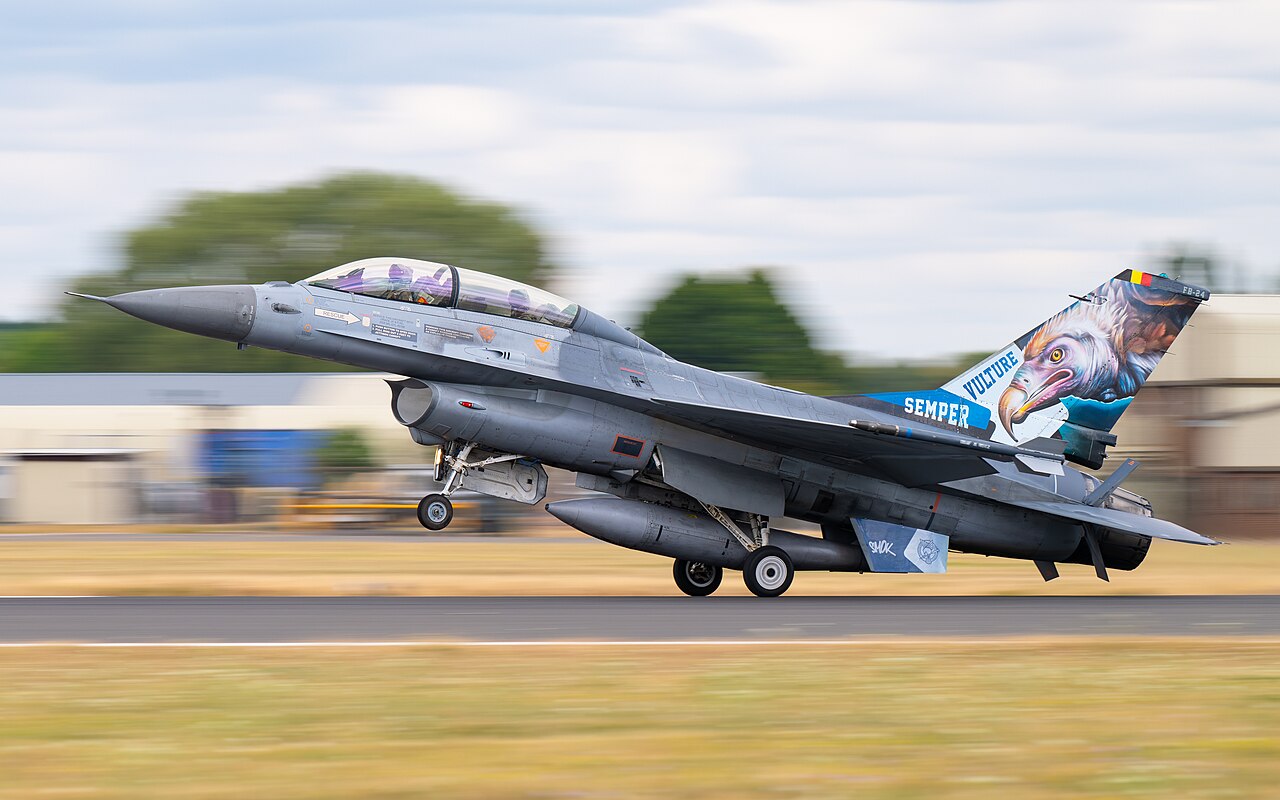
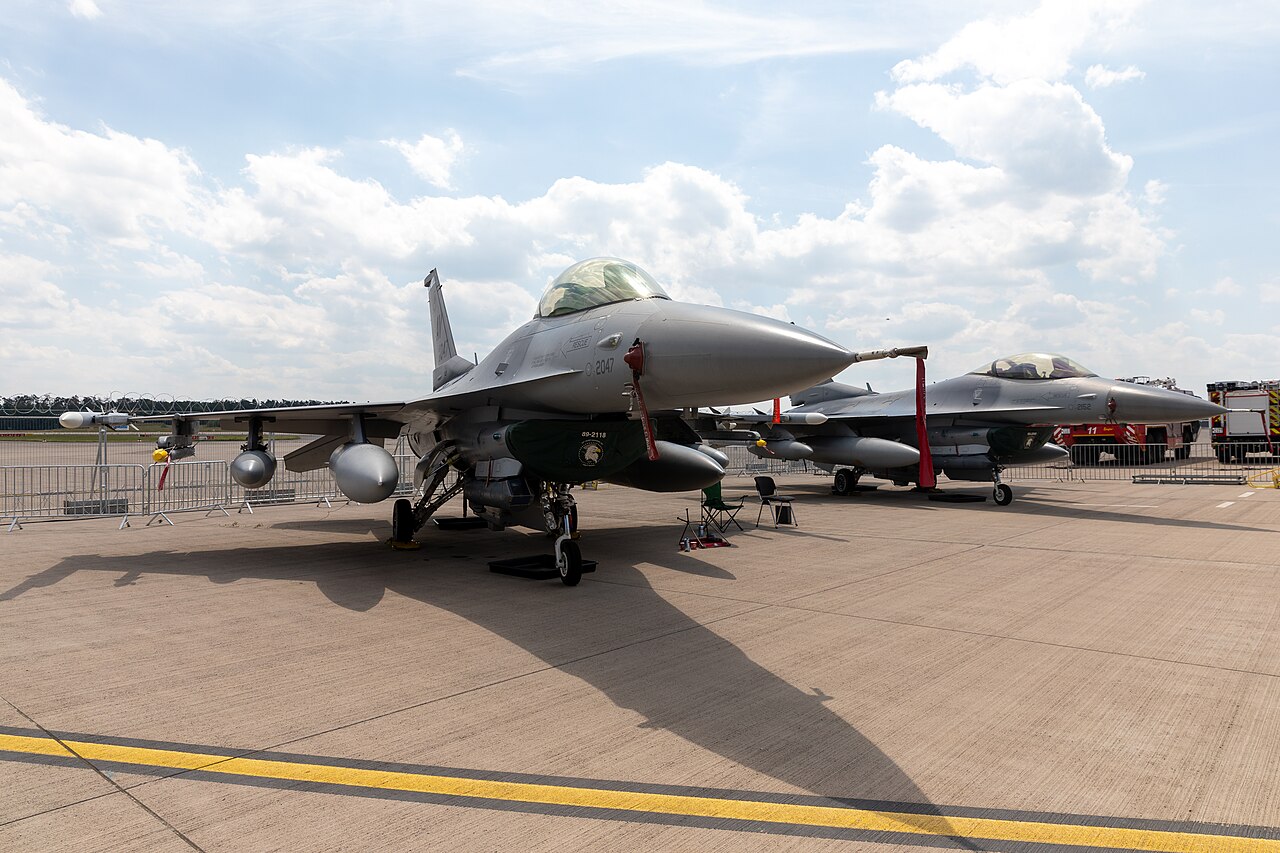
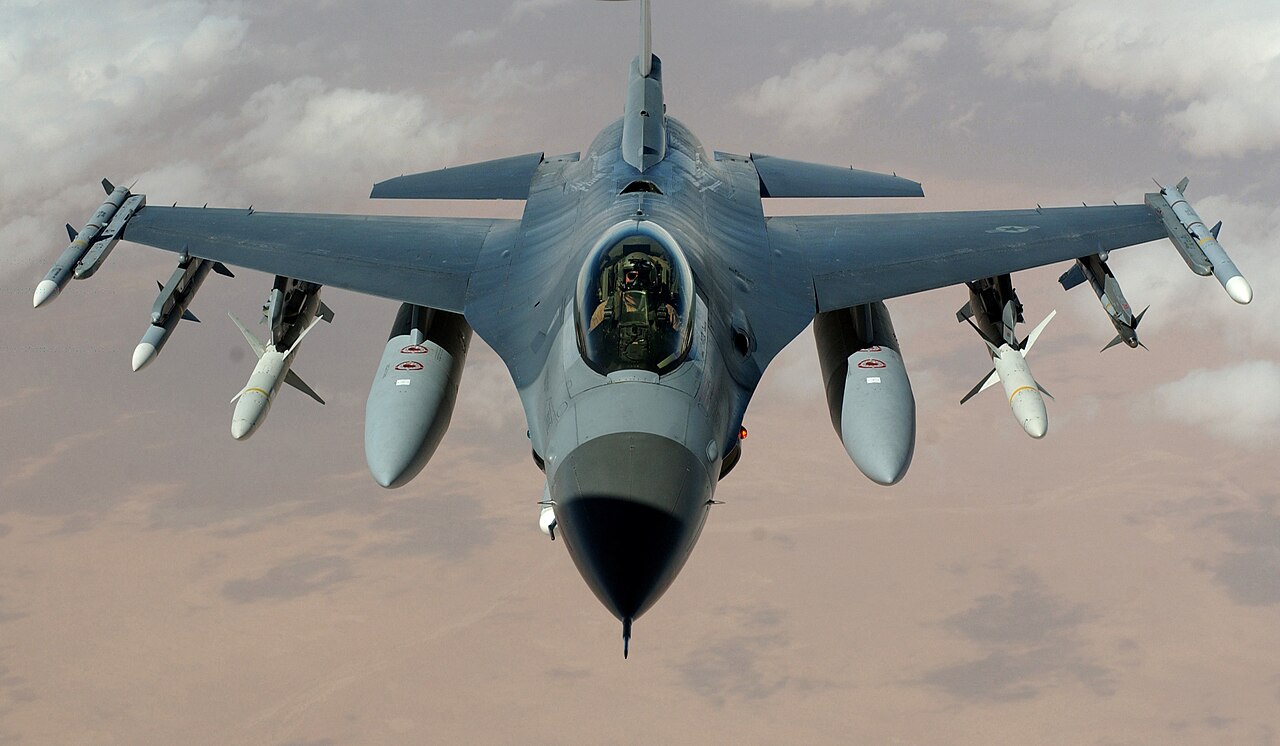
Frequently Asked Questions
Who is F-16 Fighting Falcon?
F-16 Fighting Falcon is an American single-engine, supersonic multirole fighter jet originally developed by General Dynamics and now manufactured by Lockheed Martin. It is catalogued as Warplanes 1-22 in the fan encyclopedia.
What are F-16 Fighting Falcon's powers/role?
The F-16 serves as a multirole combat aircraft capable of air-to-air and air-to-ground missions. It evolved from a lightweight day-fighter concept into a versatile platform that can carry a wide array of weapons and sensors.
What generation is F-16 Fighting Falcon?
The F-16 is classified as a fourth-generation fighter, sitting between the older third-gen jets and the modern fifth-gen stealth platforms. Its single-engine, supersonic design was a deliberate trade-off favoring agility and cost-effectiveness over sheer size.
More in Warplanes 1-22
Spotted an error? Know more?
This is a living reference — every entry is fact-audited, and reader corrections feed straight into our audit queue. Suggest an edit · See this site's audit record