A6M Zero
A dominant carrier fighter that defined early Pacific air combat.

Breeze (Sergeant) Royal Air Force official photographer · Public domain
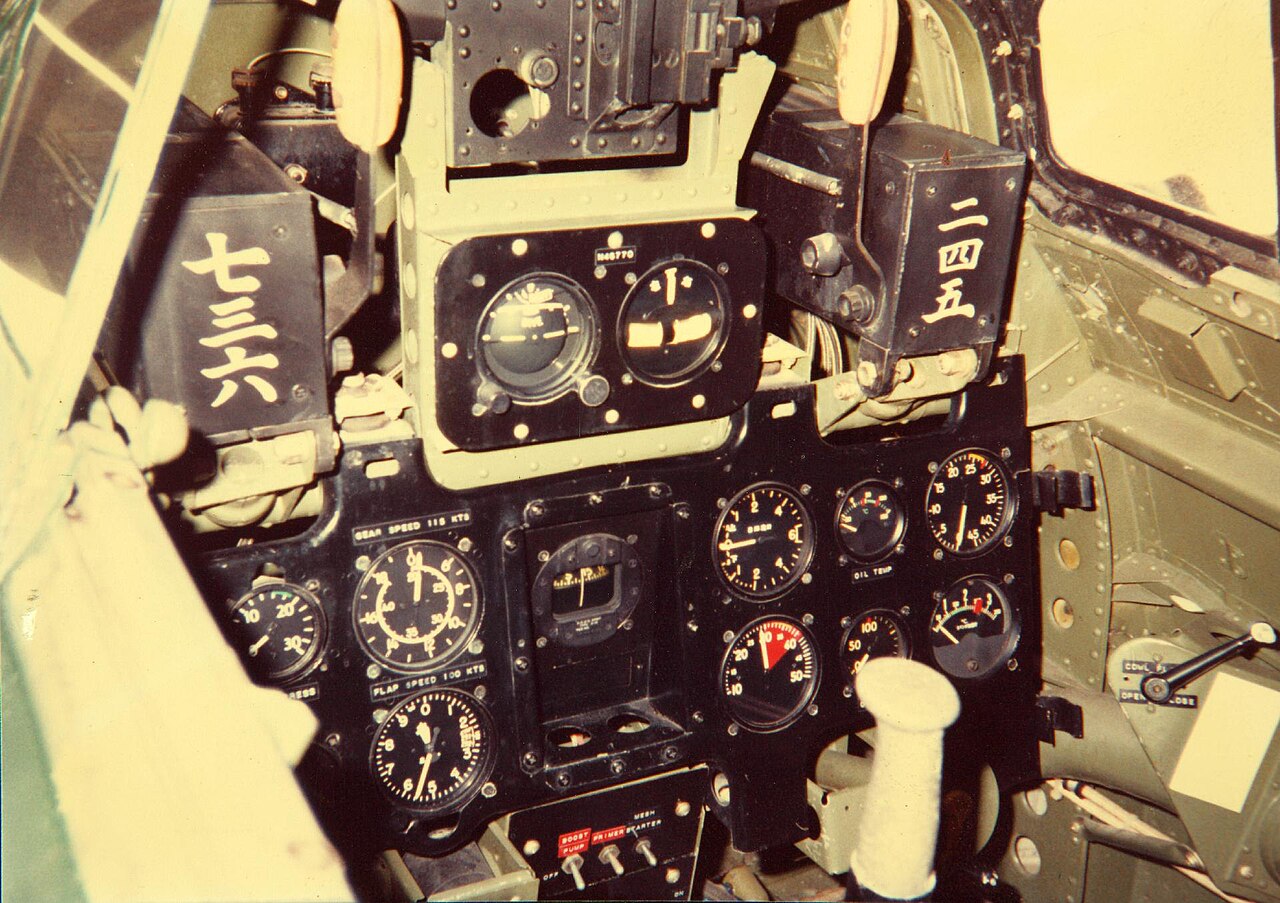
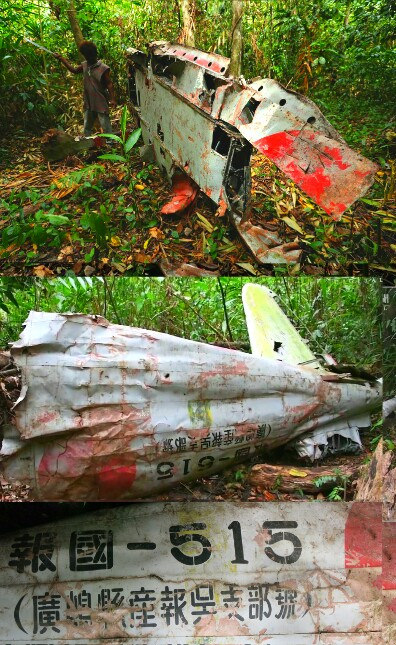
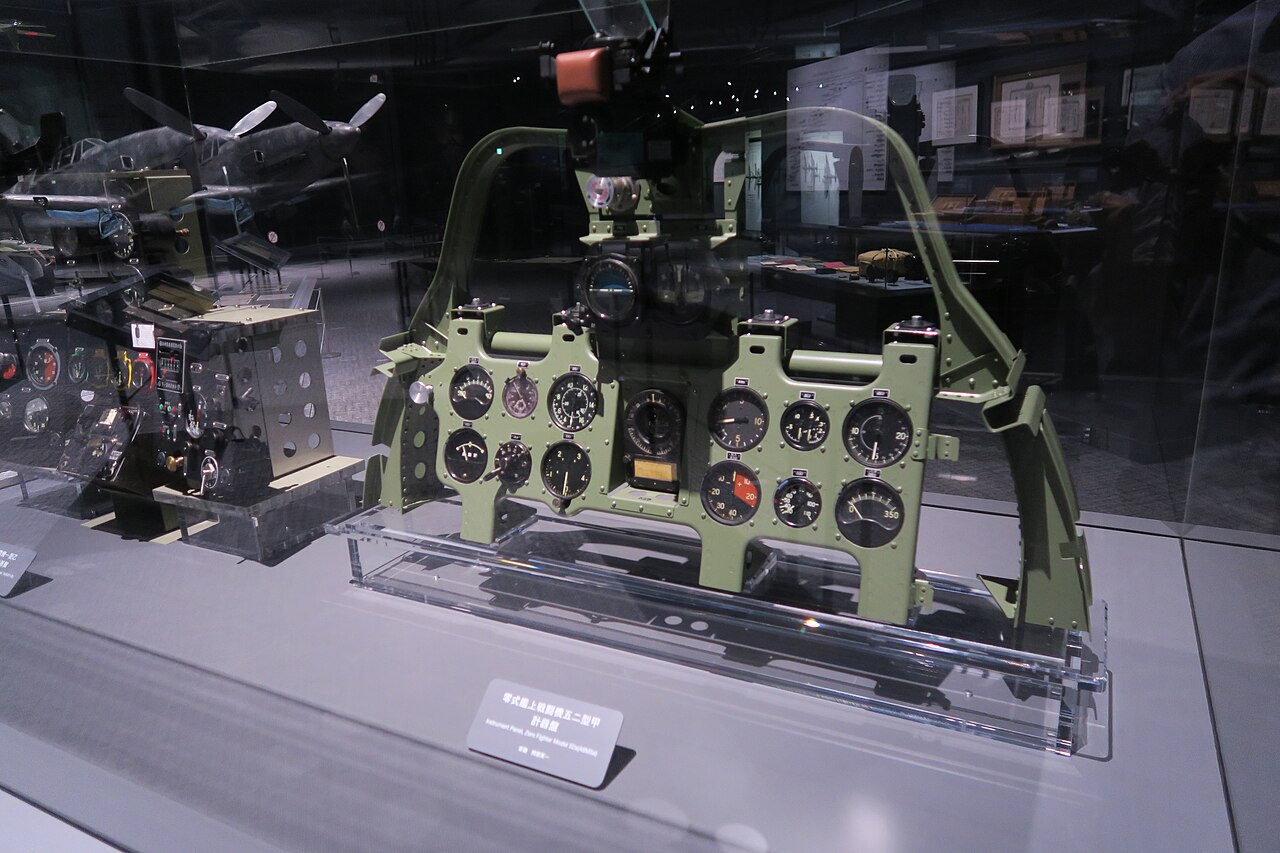
The Mitsubishi A6M Zero was a long-range fighter designed for carrier operations, built by the Mitsubishi Aircraft Company, a division of Mitsubishi Heavy Industries. It served as the Imperial Japanese Navy’s primary fighter from 1940 through the end of World War II. The aircraft’s designation, A6M, indicated it was the sixth carrier-based fighter model for the Navy, with “M” denoting Mitsubishi as the manufacturer. Its common name, “Zero,” came from the last digit of the Imperial year 2600 (1940), the year it entered service; Japanese pilots often called it *Reisen* or *Zero-sen*. The Allied reporting name was “Zeke,” though “Zero” was more widely used. Upon its introduction, the Zero was considered the world’s most capable carrier-based fighter, combining exceptional maneuverability, high speed, strong firepower, and very long range. It was also frequently deployed as a land-based fighter. In early combat, it achieved a remarkable kill ratio of 12 to 1, but by mid-1942, new Allied tactics and improved equipment allowed pilots to fight on more equal terms. By mid-1943, declining pilot training in the Japanese Navy Air Service further reduced its effectiveness. The Zero lacked hydraulic boosting for its ailerons and rudder, making it difficult to handle at high speeds, and its absence of armor and self-sealing fuel tanks made it highly vulnerable to enemy fire. By 1944, it was considered outdated but still capable in skilled hands. Production delays of newer models kept the Zero in front-line service until the war’s end, and it was later adapted for kamikaze missions. Japan produced more Zeros than any other combat aircraft during the war. The design, led by Jiro Horikoshi, prioritized extreme lightness using a new aluminum alloy from Sumitomo Metal Industries, which was lighter and stronger but prone to corrosion, countered with a zinc chromate coating. No armor or self-sealing fuel tanks were included, which gave the Zero its superb range and maneuverability—its low wing loading and low stalling speed allowed it to out-turn any Allied fighter—but also made it prone to catching fire when hit.
- Manufacturer
- Mitsubishi
- Operator
- Imperial Japanese Navy
- Type
- Long-range land- and carrier-based fighter
Verified Timeline
Lore & Background
The A6M Zero was developed to replace the Mitsubishi A5M "Claude" fighter. The limited range of the A5M led the Japanese Navy Air staff to commission the Zero as a long-range fighter. The Zero first flew in 1939. In 1940, Claire Lee Chennault, leader of the Flying Tigers, wrote a report warning of the Zero's performance, but U.S. Department of War analysts rejected it as "arrant nonsense." With the coming of war, the U.S. learned better; the Zero's maneuverability outperformed any Allied fighter it encountered for the first two years of the war. According to American flying ace William N. Leonard, "In these early encounters and on our own we were learning the folly of dogfighting with the Zero." Nine Zeros were shot down during the attack on Pearl Harbor, from which the Allies learned the Zero lacked armor and self-sealing fuel tanks, but little else about its capabilities. The Zero's flight performance characteristics remained a mystery until the recovery of the Akutan Zero in July 1942. That aircraft, piloted by Petty Officer Tadayoshi Koga, crash-landed on Akutan Island, Alaska Territory, and was found intact by the Americans. It was repaired and flown by American test pilots, and the information gained allowed American tacticians to devise ways to defeat the Zero. Japanese historian and JASDF lieutenant general Masatake Okumiya stated that the acquisition of the Akutan Zero "was no less serious" than the Japanese defeat at the Battle of Midway, and that it "did much to hasten Japan's final defeat." The Akutan Zero was destroyed in a training accident in 1945.
Reader's Guide
The A6M Zero's significance lies in its revolutionary design that prioritized lightness and range, enabling it to dominate early Pacific air battles. Its combination of maneuverability, firepower, and endurance made it a formidable opponent, but its lack of armor and self-sealing fuel tanks made it vulnerable. The Zero was the primary Japanese Navy fighter throughout the war. The Japanese manufactured roughly 10,500 Zeros. The Akutan Zero, recovered in July 1942, was the first Zero acquired by the United States that could be restored to airworthy condition. It was repaired and flown by American test pilots, and the information gained from these tests allowed American tacticians to devise ways to defeat the Zero. The Akutan Zero has been described as "a prize almost beyond value to the United States" and "probably one of the greatest prizes of the Pacific War." Nonetheless, historian John Lundstrom and others challenge "the contention that it took dissection of Koga's Zero to create tactics that beat the fabled airplane."
Did You Know?
- The Akutan Zero, also known as Koga's Zero, was the first Zero acquired by the United States that could be restored to airworthy condition.
- Japanese historian and JASDF lieutenant general Masatake Okumiya said the acquisition of the Akutan Zero 'was no less serious' than the Japanese defeat at the Battle of Midway.
- The Akutan Zero was destroyed in a training accident in 1945.
- Nine Zeros were shot down during the attack on Pearl Harbor, but the Allies learned little about the Zero's flight performance from those wrecks.
- The Zero had no armor and no self-sealing fuel tanks, making it easy to bring down when hit.
Pacific Theater Dominance
The A6M Zero was the Imperial Japanese Navy's primary fighter plane throughout the war. It first flew in 1939 and was exceedingly agile and lightweight, with maneuverability and range superior to any other fighter in the world at that time. For the first two years of the war, the Zero's maneuverability outperformed any Allied fighter it encountered. According to American flying ace William N. Leonard, "In these early encounters and on our own we were learning the folly of dogfighting with the Zero." To achieve this agility, Japanese engineers traded off durability: the Zero had no armor and no self-sealing fuel tanks. According to American author Jim Rearden, "The Zero was probably the easiest fighter of any in World War II to bring down when hit." The Japanese manufactured roughly 10,500 Zeros during the war.
Chinese Civil War Service
The source does not cover the Zero's service in the Chinese Civil War.
Post-War Service in Southeast Asia
The source does not cover the Zero's post-war service in Southeast Asia.
Land-Based Fighter Units
The source does not cover the Zero's service in land-based fighter units.
Common Misconceptions (Editorial)
1. Some believe the Zero's design was a failure due to its lack of armor and self-sealing fuel tanks, but these omissions were intentional trade-offs to achieve lightness and maneuverability—the very qualities that made it the most capable carrier-based fighter when introduced. 2. A common misconception is that the Zero was unreliable or poorly built; in fact, it was constructed from a cutting-edge "extra super duralumin" alloy, though this material required a zinc chromate coating to prevent corrosion.
Why It Matters (Editorial)
The A6M Zero endures as a symbol of how wartime innovation can produce a fighter that dominates through extreme specialization—trading survivability for unmatched agility and range. Its early 12-to-1 kill ratio and legendary dogfighting reputation remind us that military effectiveness is often a matter of design philosophy and timing, not just raw power or protection.
Gallery
Frequently Asked Questions
What are A6M Zero's powers and role?
Its role was to provide long-range escort and air-superiority coverage for Japanese carrier strike groups. The aircraft combined outstanding turning agility, high airspeed, solid cannon and machine-gun armament, and a remarkably large fuel range for a carrier fighter.
Why is A6M Zero important?
The Zero defined early Pacific air combat and set the benchmark for carrier-based fighter performance that both sides had to respond to. Its blend of range and maneuverability made it the defining symbol of Japanese naval air power throughout World War II.
What is the A6M Zero's official Allied code name?
Allied forces assigned the Zero the identification code name "Zeke" for use in intelligence reports and communications. In everyday military and popular history, however, it is almost universally referred to simply as the Zero.
More in Warplanes 1-22
Spotted an error? Know more?
This is a living reference — every entry is fact-audited, and reader corrections feed straight into our audit queue. Suggest an edit · See this site's audit record