B-17 Flying Fortress
American four-engined heavy bomber of World War II.

Unknown author Unknown author or not provided · Public domain
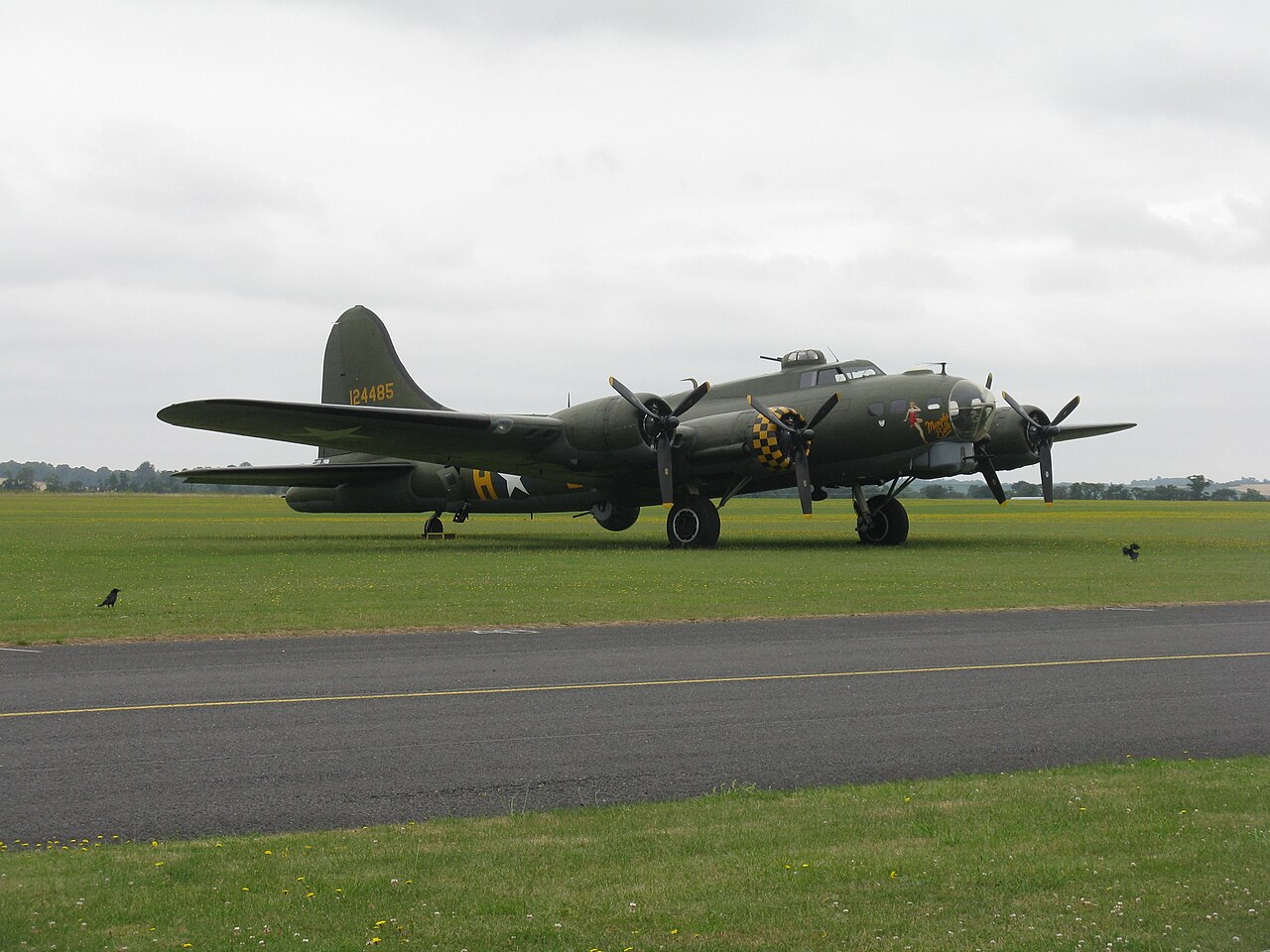
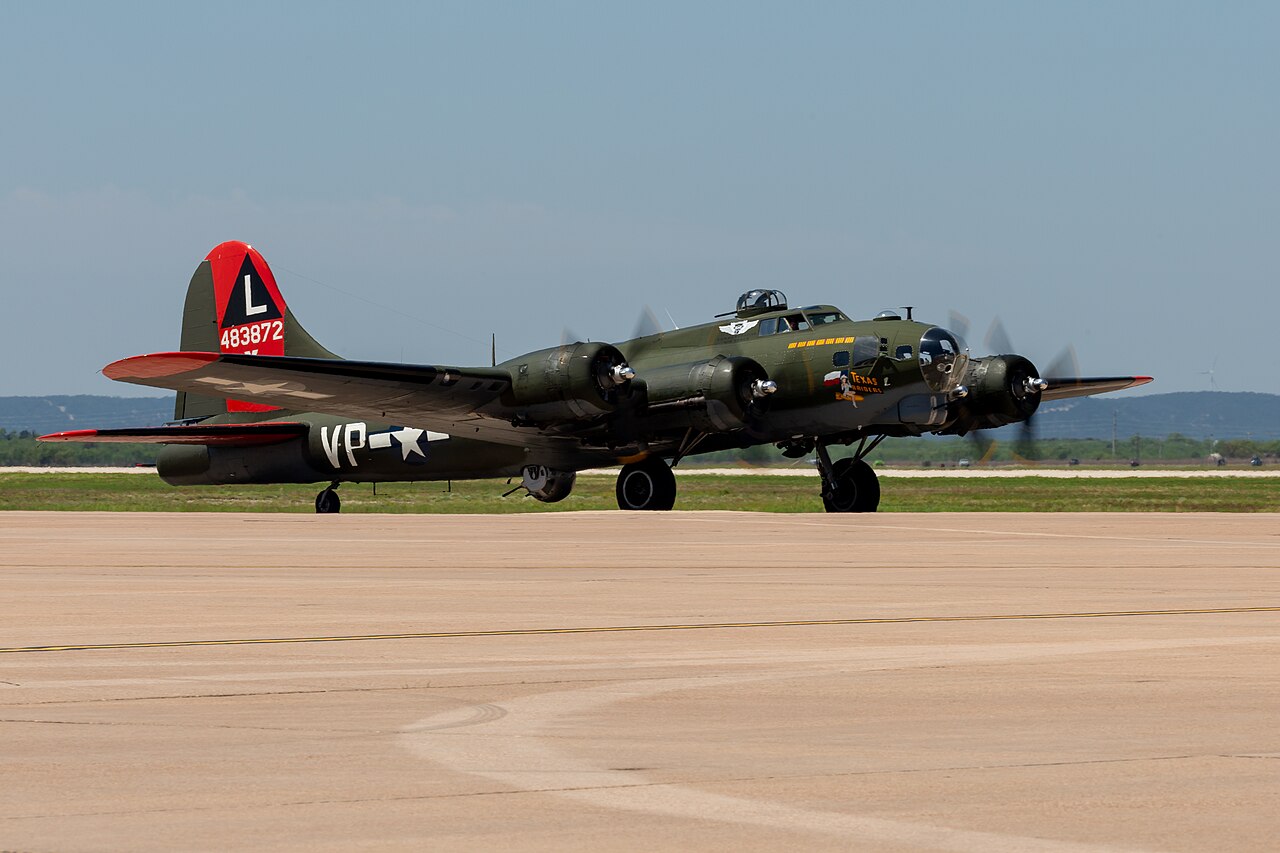
The Boeing B-17 Flying Fortress is an American four-engined heavy bomber developed in the mid-1930s for the United States Army Air Corps (USAAC). It was a fast, high-flying, long-range bomber with heavy defensive armament at the expense of bomb load, and it developed a reputation for toughness based on stories and photos of badly damaged aircraft safely returning to base. The B-17 was used primarily in the European Theater of Operations during World War II, where it dropped more bombs than any other aircraft, accounting for over 42% of all bombs dropped on Nazi Germany and its occupied territories by Allied aircraft. It is the third-most produced bomber in history, behind the Consolidated B-24 Liberator and the Junkers Ju 88. The aircraft also served in transport, anti-submarine warfare, and search and rescue roles.
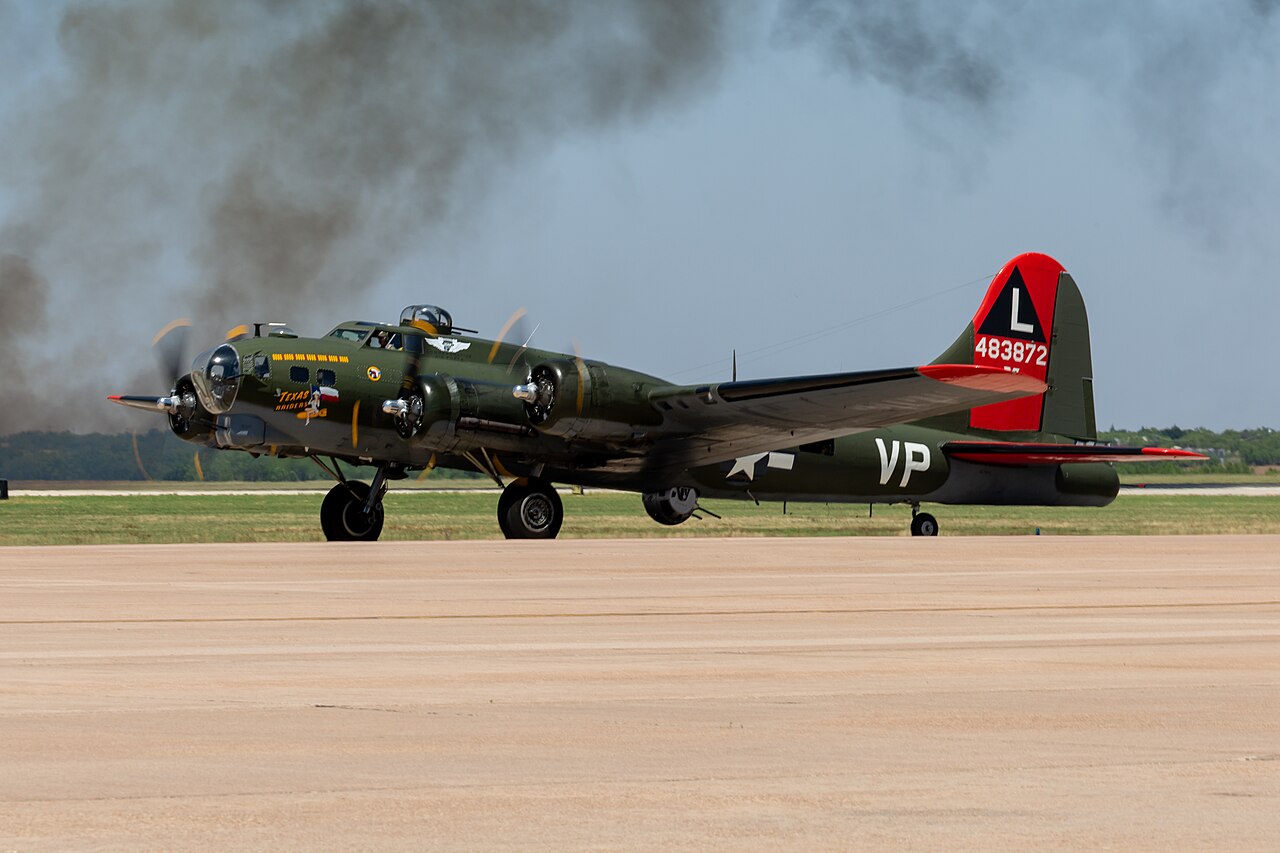
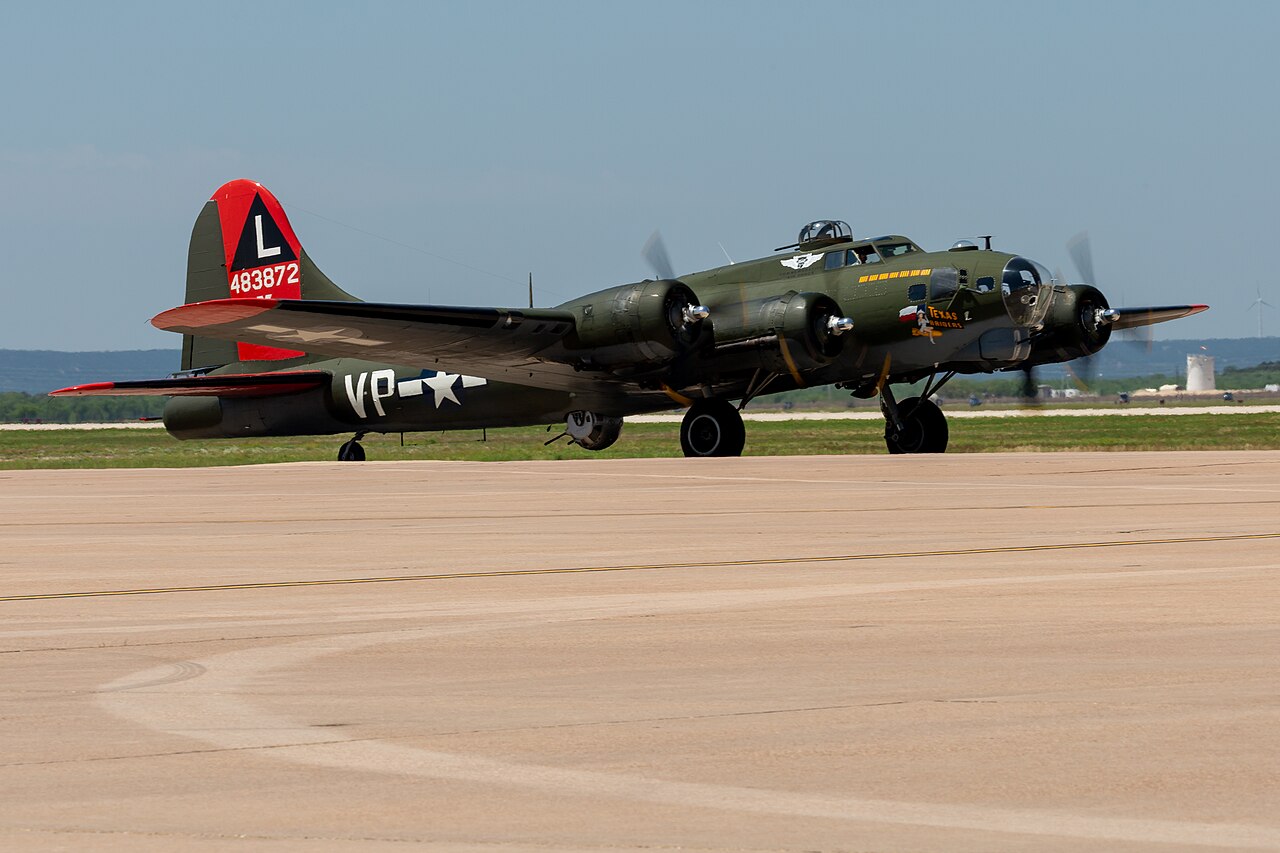
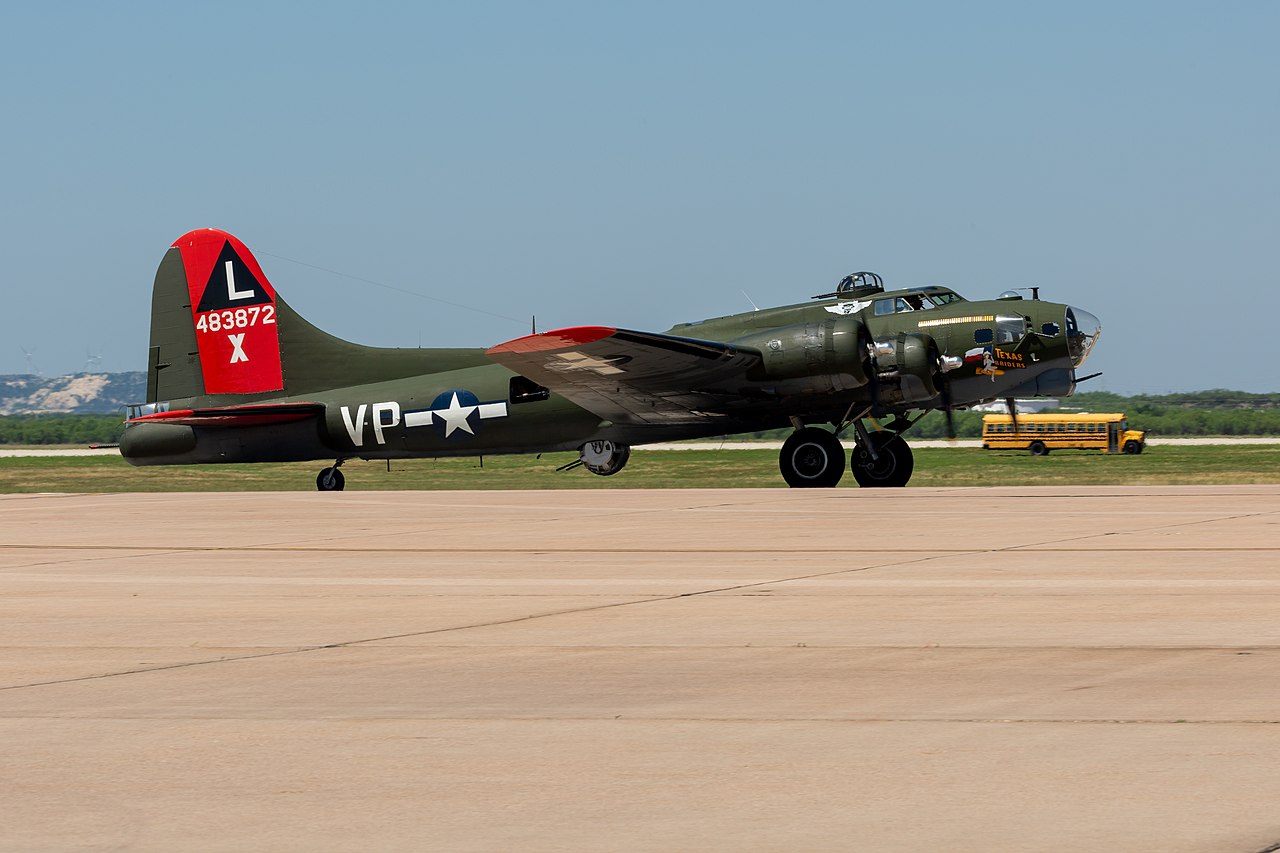
The B-17 originated from a 1934 USAAC proposal for a multi-engine bomber to replace the Martin B-10. Boeing’s prototype, the Model 299, first flew in 1935 and was dubbed the “Flying Fortress” by a reporter who noted its many machine guns. It outperformed competitors in a fly-off but crashed due to a locked control surface gust lock, costing the initial production contract. The Air Corps ordered 13 more for evaluation, and the B-17 entered service in 1938. It saw early action in the Pacific War against Japanese shipping and airfields but was primarily employed by the USAAF in daylight strategic bombing over Europe, complementing RAF night raids. As of October 2025, three aircraft remain in flying condition, with about 50 surviving in storage or on static display, including The Swoose, a B-17D that fought on the first day of U.S. involvement in World War II. In 2022, one survivor, Texas Raiders, was destroyed in a fatal mid-air collision at an airshow.
- Primary user
- United States Army Air Forces (USAAF)
- Number built
- Third-most produced bomber in history
- Role
- Heavy bomber, transport, anti-submarine warfare, search and rescue
- Armament
- Five .30 caliber (7.62 mm) machine guns; bomb load up to 4,800 lb (2,200 kg)
Lore & Background
The B-17 Flying Fortress is a four-engined heavy bomber developed in the mid-1930s for the United States Army Air Corps. Its design was led by engineers E. Gifford Emery and Edward Curtis Wells, combining features of Boeing’s experimental XB-15 and the Model 247 transport. The prototype, designated Model 299, first flew in 1935 and was nicknamed “Flying Fortress” by a reporter who noted its many machine guns. It carried five .30 caliber machine guns and could hold bombs on two racks in the bomb bay behind the cockpit, powered by four Pratt & Whitney R-1690 Hornet radial engines. The aircraft was fast and high-flying, with a long range, but carried a relatively light bomb load in favor of heavy defensive armament. It gained a reputation for toughness, with many badly damaged B-17s returning safely to base. The B-17 saw early action in the Pacific War, attacking Japanese shipping and airfields, but was primarily used in the daylight strategic bombing campaign over Europe, where it dropped more bombs than any other Allied aircraft. It also served in transport, anti-submarine warfare, and search and rescue roles. After the prototype crashed due to a locked control surface, the incident led to the creation of the modern preflight checklist used by pilots today.
Reader's Guide
Its design emphasized speed, altitude, and defensive armament over bomb load, and it became iconic for its ability to withstand severe damage. The aircraft's development was shaped by early setbacks, including the crash of the prototype, which led to the creation of the modern pilot's checklist. Though initially passed over for the Douglas B-18, the B-17 eventually became the third-most produced bomber in history. Its legacy endures through surviving airframes, including three still flying, and its role in shaping strategic bombing doctrine.
In combat, the B-17 was primarily used by the USAAF in the daylight strategic bombing campaign over Europe, complementing British night raids against German industrial, military, and civilian targets. It dropped more bombs than any other Allied aircraft during the war, accounting for over 42 percent of all bombs dropped on Nazi Germany and its occupied territories. The aircraft also saw early action in the Pacific, attacking Japanese shipping and airfields, and was later employed in transport, anti-submarine warfare, and search and rescue missions. Its reputation for toughness was built on numerous accounts and photographs of heavily damaged B-17s returning safely to base. The prototype’s crash, caused by an unreleased gust lock, directly led to the adoption of the modern written checklist for pilots. Today, about 50 B-17s survive in storage or on static display, with three still airworthy as of late 2025. One of these, Texas Raiders, was destroyed in a fatal mid-air collision with another warbird at a 2022 airshow, drawing national attention. The oldest surviving example, The Swoose, flew combat missions in the Pacific on the first day of U.S. involvement in World War II.
Did You Know?
- The name 'Flying Fortress' was coined by a reporter who saw the prototype's many machine guns and called it a '15-ton flying fortress'.
- The B-17 dropped more bombs than any other aircraft during World War II, accounting for 42.6% of Allied bombs on Nazi Germany.
Origins: A Prototype's Tragic Debut
The day before, Seattle Times reporter Richard Williams, struck by the cluster of machine guns protruding from the airframe, dubbed it a "15-ton flying fortress" in a photo caption—a name Boeing quickly trademarked. The accident was traced to an unreleased gust lock on the control surfaces. The loss of the prototype disqualified Boeing from the contract, which went to Douglas's B-18 Bolo. The tragedy, however, catalyzed the modern written pilot checklist still in use today.
Strategic Bombing and Wartime Impact
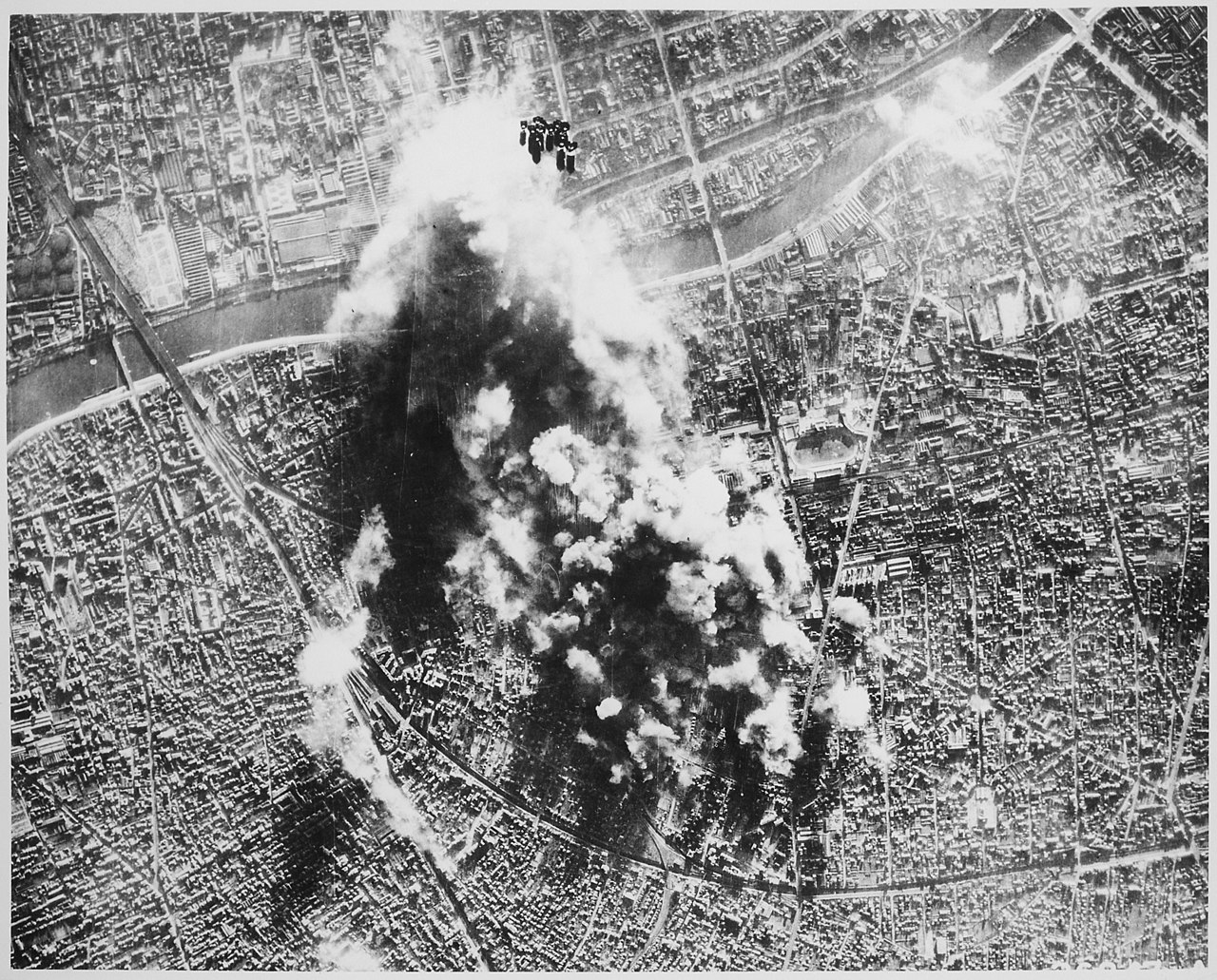
While the B-17 saw early action in the Pacific, conducting raids against Japanese shipping and airfields, its defining role came in the daylight strategic bombing campaign over Europe. Operating alongside RAF Bomber Command's night sorties, B-17 crews struck German industrial, military, and civilian targets under the USAAF's doctrine of precision daylight bombing. The aircraft's speed, altitude capability, and long range made it well suited to this mission, though its heavy defensive armament came at the cost of bomb load. No other aircraft in World War II dropped more bombs. The B-17 also served in secondary roles including transport, anti-submarine warfare, and search and rescue, demonstrating a versatility that extended well beyond its primary bombing mission.
The Fortress Reputation and Design Philosophy
The design philosophy prioritized speed, high-altitude performance, and long range, with heavy defensive armament distributed across the airframe. The most distinctive gun mount sat in the nose, allowing a single .30 caliber machine gun to sweep nearly all frontal angles. This emphasis on self-defense over maximum bomb load reflected a belief that the bomber crew, not escort fighters, would protect the aircraft over enemy territory. The B-17 also earned a legendary reputation for toughness, built on stories and photographs of badly battered airframes—missing panels, shredded wings, engines on fire—still managing to limp back to their bases. This image of an almost indestructible machine became central to the aircraft's mythology and cemented the "Flying Fortress" identity in the public imagination.
Legacy: Survivors and a Shattered Airshow
More than eight decades after its first flight, the B-17 continues to capture the public imagination. Approximately fifty more survive in storage or on static display worldwide. The oldest surviving example is The Swoose, a B-17D that flew combat missions in the Pacific on the very first day of American involvement in World War II. Several reasonably complete wrecks have also been located, offering a window into the aircraft's wartime service. airshow. The incident drew national attention and underscored both the fragility and the enduring emotional significance of these remaining machines, which now represent the last tangible links to the massive daylight bombing campaigns of the 1940s.
Common Misconceptions (Editorial)
- Some people think the B-17 was the most-produced bomber in history, but it is actually the third-most produced, behind the B-24 Liberator and the Junkers Ju 88. - It is often assumed the B-17 was primarily used in the Pacific, but while it saw early action there, it was mainly used in the daylight strategic bombing campaign over Europe. - Many believe the aircraft’s armament was entirely .50 caliber machine guns, but the facts show it originally carried five .30 caliber (7.62 mm) machine guns.
Why It Matters (Editorial)
The B-17 Flying Fortress endures as a symbol of American industrial might and the courage of aircrews who flew perilous daylight missions over Nazi Germany. Its legendary toughness and the fact it dropped more bombs than any other Allied aircraft underscore its decisive role in the strategic bombing campaign that helped cripple Germany’s war machine.
Gallery
Frequently Asked Questions
What is the B-17 Flying Fortress?
The B-17 Flying Fortress is an American four-engine heavy bomber designed in the mid-1930s for the U.S. Army Air Corps. It was built to be a fast, high-altitude, long-range strike aircraft with substantial defensive guns, and it saw its primary combat use in the European Theater during World War II.
What role did the B-17 serve in World War II?
The B-17's main job was as a heavy bomber delivering precision strikes over enemy targets in Europe, though it also filled transport, anti-submarine, and search-and-rescue roles. During the war it released more ordnance than any other aircraft operating in the theater.
How many B-17 Flying Fortresses were built?
The B-17 ranks as the third-most-produced bomber in history, trailing only the Consolidated B-24 Liberator and the German Junkers Ju 88. Its production run was built for the United States Army Air Forces over the course of the war.
More in Warplanes 1-22
Spotted an error? Know more?
This is a living reference — every entry is fact-audited, and reader corrections feed straight into our audit queue. Suggest an edit · See this site's audit record