
James Buchanan Duke
American tobacco and electric power industrialist, founder of American Tobacco Company.

The Chronicle · Public domain
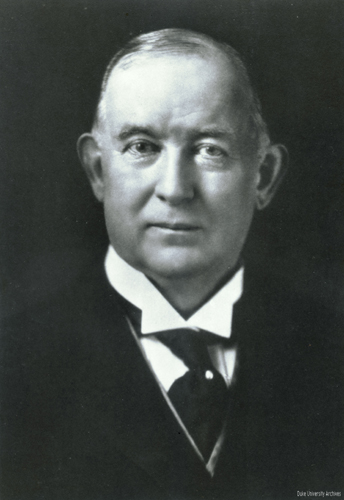
James Buchanan Duke (December 23, 1856 – October 10, 1925) was an American tobacco and electric power industrialist. He is best known for the invention of modern cigarette manufacture and marketing techniques, and his involvement with Duke University. He founded the American Tobacco Company in 1890.
Quick Facts
- Birth Date
- 1856-12-23
- Birth Place
- Durham, North Carolina, U.S.
- Death Date
- 1925-10-10
- Death Place
- New York City, U.S.
- Resting Place
- Duke University
- Children
- Doris Duke
- Father
- Washington Duke
- Mother
- Artelia Roney
- Occupation
- Tobacco entrepreneur
- Known For
- American Tobacco Company · British American Tobacco · Duke University
- Relatives
- Benjamin Newton Duke (brother) / Mary Duke Lyons (sister) / Brodie Duke (half-brother)
Facts from the source article.
Lore & Background
James Buchanan Duke, known as 'Buck', was born on December 23, 1856, near Durham, North Carolina, to tobacco manufacturer Washington Duke and his second wife, Artelia Roney. He and his brother Benjamin took over their father's tobacco company in the 1880s. In 1885, Duke acquired a license to use the first automated cigarette making machine, invented by James Albert Bonsack, and by 1890 he supplied 40 percent of the American cigarette market. That year, he consolidated four major competitors into the American Tobacco Company, which controlled over 90 percent of the American cigarette market. His aggressive business tactics in cutting prices paid to tobacco farmers directly led to the Black Patch Tobacco Wars in 1906–1908.
Duke attempted to conquer the British market, forcing British manufacturers to merge into the Imperial Tobacco Company. After two years of intense competition, an agreement gave American Tobacco control of the American trade, Imperial Tobacco control of British territories, and a joint venture, British-American Tobacco Company, control of the rest of the world. In 1906, American Tobacco was found guilty of antitrust violations and ordered split into four companies; in 1911, the U.S. Supreme Court upheld the breakup. Only British-American Tobacco remained in Duke's control. In 1904, he established the Catawba Power Company, and in 1905 he and his brother founded the Southern Power Company (later Duke Power), which supplied electricity to textile mills and eventually cities in the Piedmont region.
Reader's Guide
James Buchanan Duke's significance lies in his dual impact on American industry: he revolutionized tobacco manufacturing and marketing, creating a near-monopoly that shaped the cigarette market for decades, and he pioneered electric power distribution in the Carolinas through Duke Power. His business methods, including aggressive price-cutting and consolidation, led to antitrust action and the breakup of his tobacco trust, a landmark in U.S. antitrust law. His philanthropic legacy is equally notable: in December 1924, he established The Duke Endowment, a $40 million trust fund that led to the renaming of Trinity College as Duke University. On his death, he left approximately half his estate to the endowment, supporting universities, hospitals, children's homes, and rural Methodist churches. His daughter Doris Duke inherited much of the remainder, becoming known as 'the richest girl in the world'. Duke's life illustrates the intersection of industrial monopoly, legal regulation, and large-scale philanthropy in early 20th-century America.
Building a Tobacco Monopoly
James Buchanan Duke reshaped the American cigarette industry by pairing technological foresight with aggressive consolidation. In 1885 he secured a license for James Albert Bonsack's automated cigarette-making machine, giving him a decisive production edge over hand-rolling rivals. By 1890 he was supplying roughly forty percent of the nation's pre-rolled tobacco. That same year he folded his four largest competitors into a single corporate entity, the American Tobacco Company, which commanded over ninety percent of the domestic market. His strategy of slashing prices paid to growers ignited the Black Patch Tobacco Wars of 1906 through 1908, a violent clash with tobacco farmers. Duke then turned his competitive machine on Britain, pressuring fragmented British manufacturers until they merged into Imperial Tobacco. The resulting transatlantic rivalry produced a settlement: American Tobacco retained the U.S. market, Imperial Tobacco kept British territories, and a joint venture called British-American Tobacco Company handled the rest of the globe. In 1906 American Tobacco was found guilty of antitrust violations and ordered split into four firms, a ruling the Supreme Court affirmed in 1911.
Powering the South
Beyond tobacco, Duke constructed a second industrial empire in electricity. In 1892 his family opened a textile mill in Durham, North Carolina, managed by his brother Benjamin. Recognizing the need for dependable power, Buck organized the American Development Company around the turn of the century to secure land and water rights along the Catawba River. In 1904 he founded the Catawba Power Company, and by 1905 he and Benjamin had established the Southern Power Company, the entity that would evolve into Duke Power and later the Duke Energy conglomerate. The company initially supplied electricity to the family's own textile operations, but within two decades its facilities had expanded dramatically, powering more than three hundred cotton mills and other industrial enterprises. Duke Power built an electrical grid serving cities and towns across the Piedmont Region of North and South Carolina. The company's physical footprint included the Buck Steam Station in Rowan County, completed in 1926, and Lake James, a power-generating reservoir in western North Carolina created in 1928, both named in his honor.
Philanthropy and the Duke Endowment
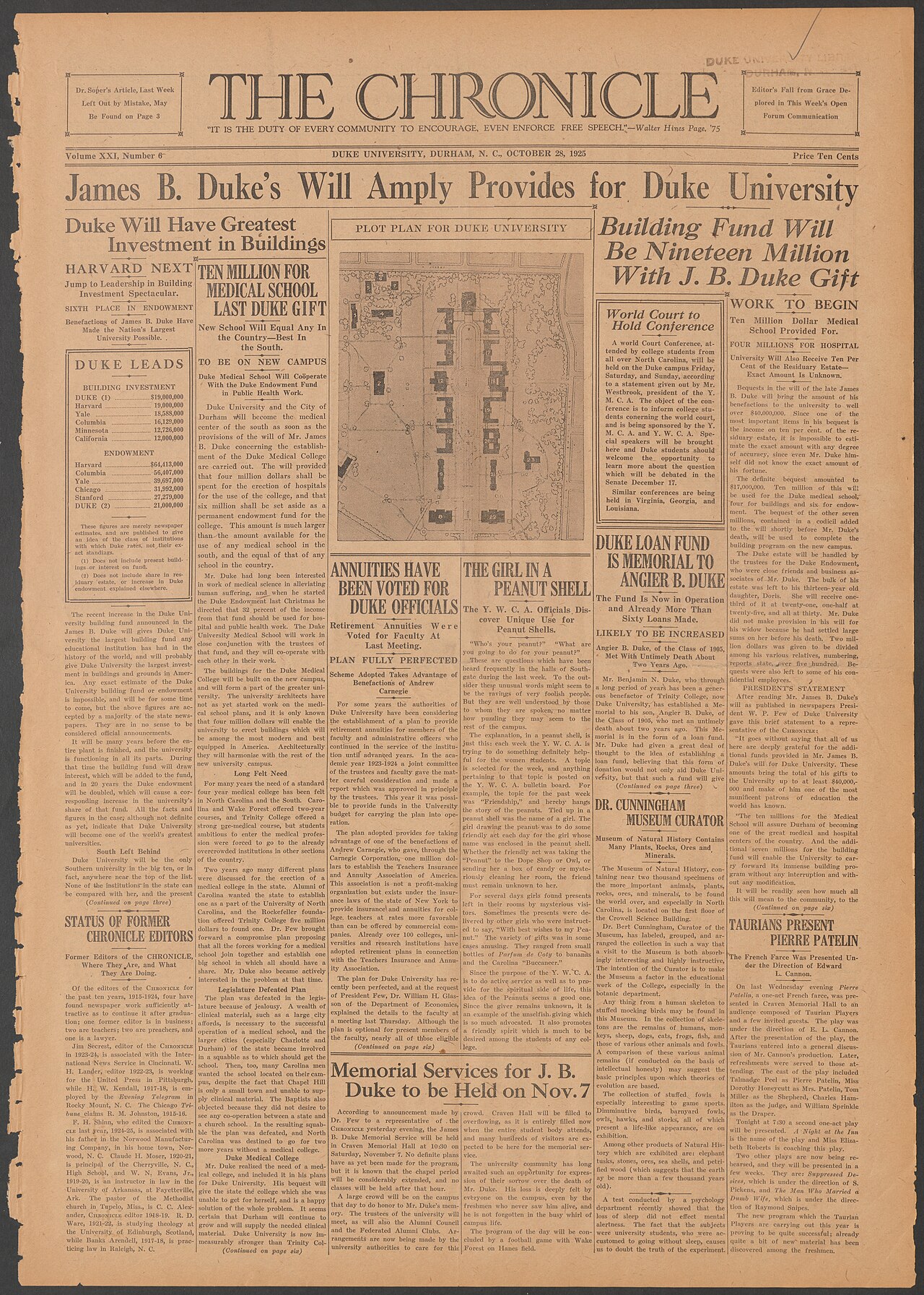
Duke's most enduring legacy lies in his generosity toward education and community institutions. In December 1924 he established The Duke Endowment, a forty-million-dollar trust fund (roughly $751 million in 2025 dollars), a portion of which was earmarked for Trinity College, which was subsequently renamed Duke University in honor of his father, Washington Duke. When Buck died in October 1925, he bequeathed approximately half of his estate—about sixty-seven million dollars, equivalent to $1.23 billion today—to the Endowment, swelling its total resources. The trust's indenture specified that funds should support Duke University, Davidson College, Furman University, and Johnson C. Smith University, along with non-profit hospitals and children's homes in the two Carolinas, rural Methodist churches in North Carolina, and retired pastors and their surviving families. The James B. Duke Library at Furman University also bears his name in recognition of his philanthropic ties. His total estate was valued at approximately one hundred million dollars, about $1.84 billion in 2025.
Family, Duke Farms, and Final Years
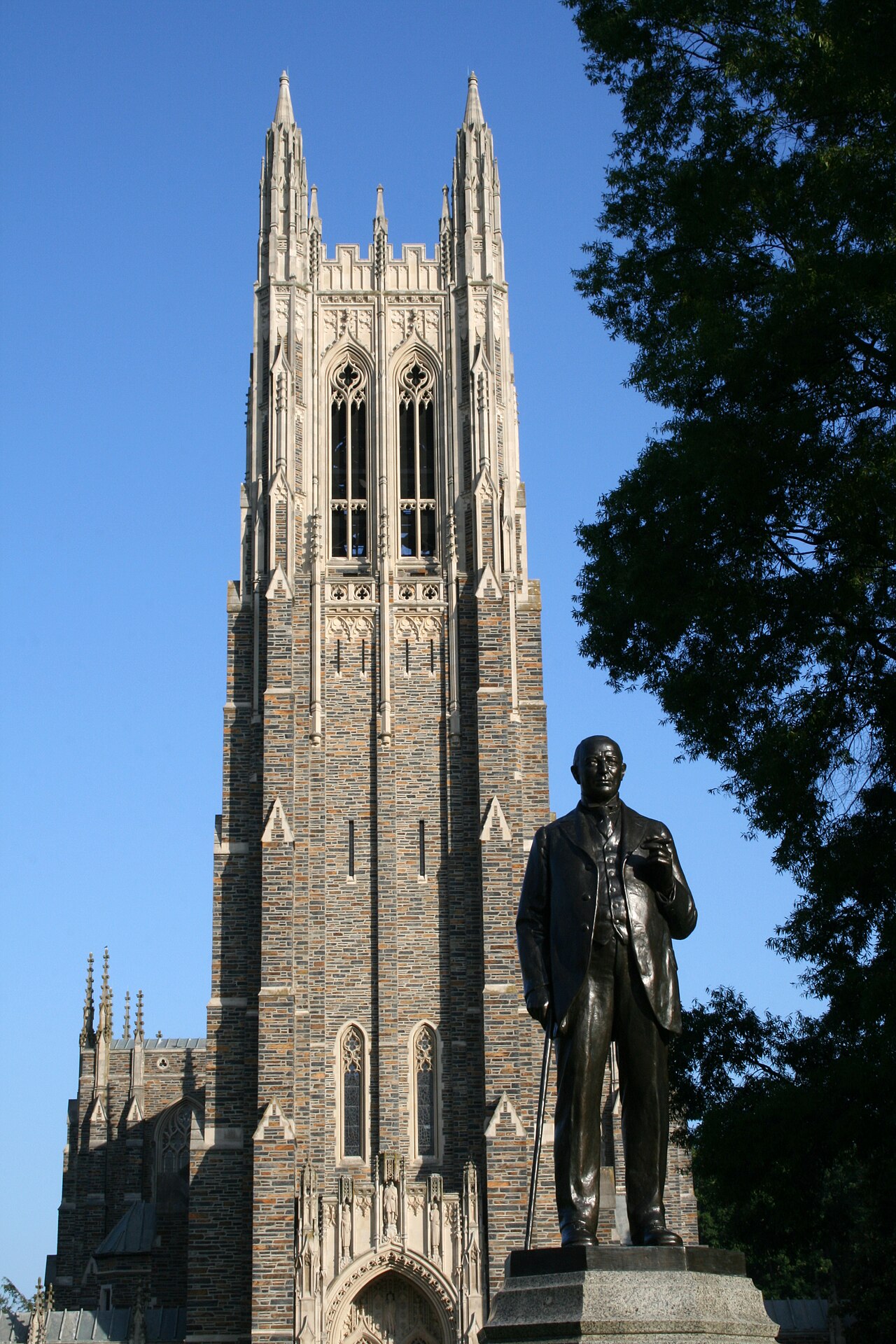
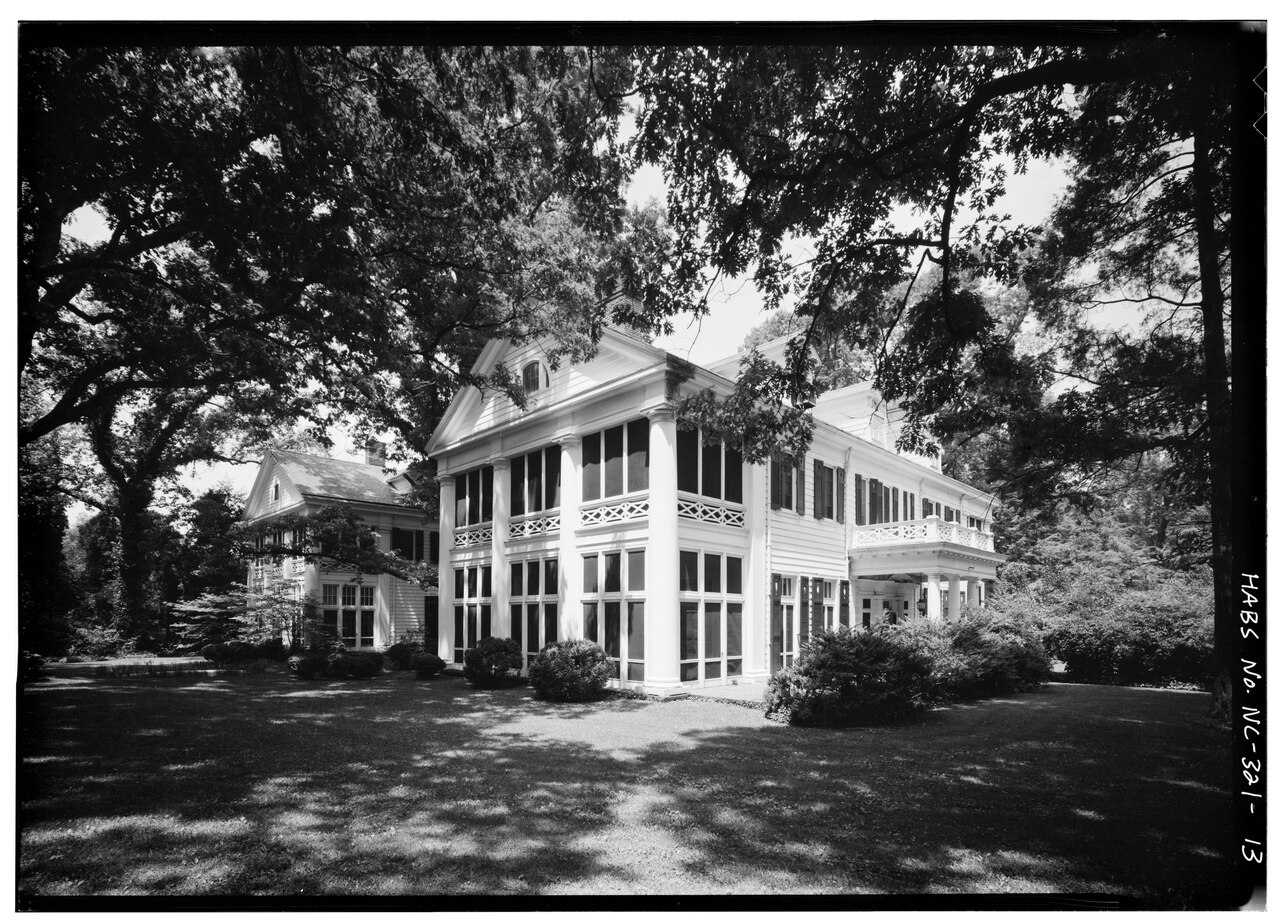
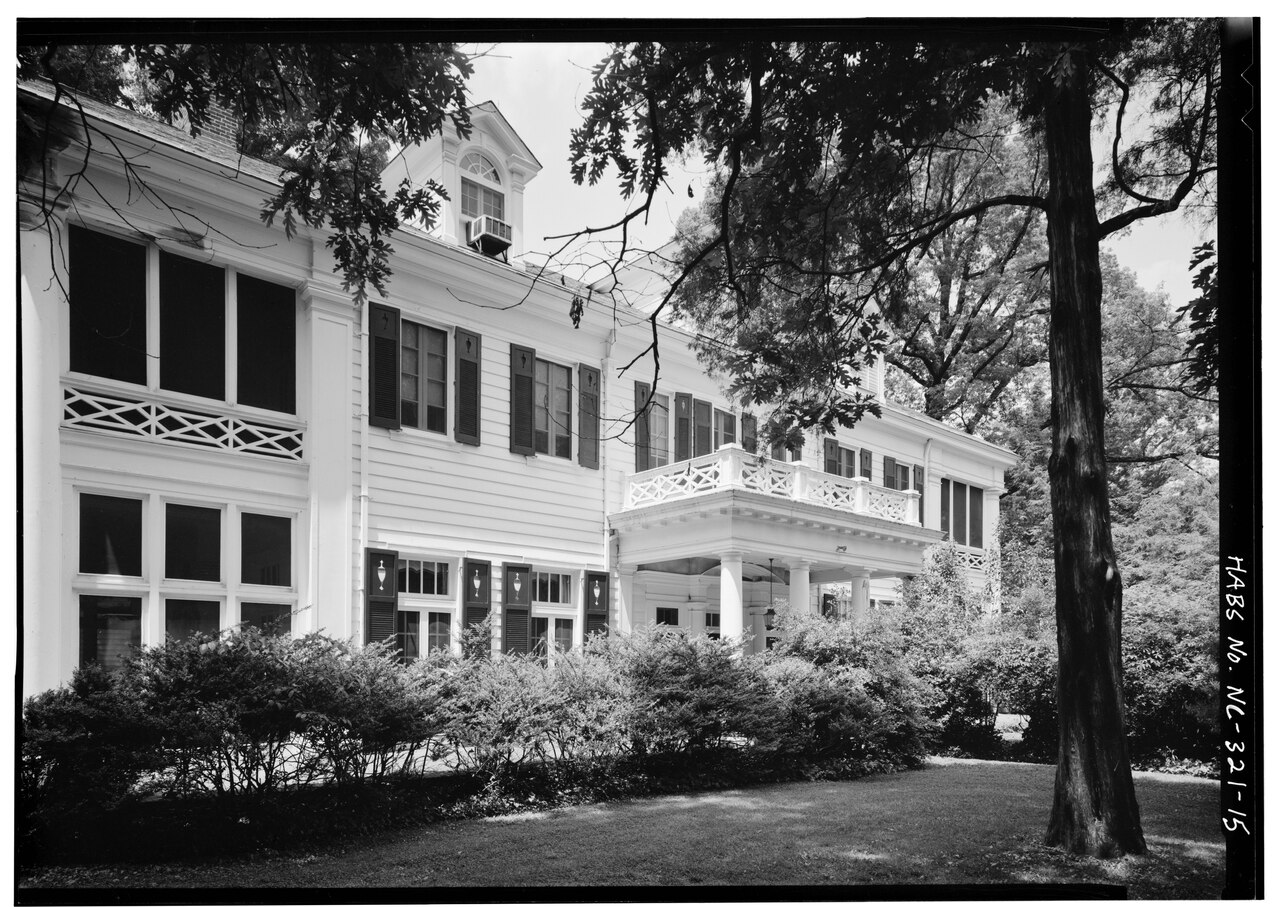
Duke's personal life was shaped by two marriages and a singular devotion to landscape and family. He wed Lillian Fletcher McCredy in 1904; they divorced in 1906 without children. In 1907 he married the widow Nanaline Holt Inman, and their daughter Doris was born in November 1912. Doris grew up at Duke Farms in Hillsborough, New Jersey, where her father had collaborated with landscapers including James Leal Greenleaf of the Frederick Law Olmsted firm and Horatio Buckenham to reshape more than two thousand acres of farmland and woodlots into a vast estate featuring two conservatories, nine lakes, thirty-five fountains, forty-five buildings, extensive sculpture, over two miles of stone walls, and more than eighteen miles of roadway. Duke spent his final five years at Lynnwood, his residence in Charlotte, North Carolina, now listed on the National Register of Historic Places. He died in New York City on October 10, 1925, and was interred beside his father and brother in the Memorial Chapel on the Duke University campus.
Gallery
Frequently Asked Questions
Who is James Buchanan Duke?
He was an American industrialist who built his empire across tobacco and electric power. Born on December 23, 1856, near Durham, North Carolina, he rose to become one of the defining business figures of the Gilded Age.
What company did James Buchanan Duke found?
In 1890 he established the American Tobacco Company, which quickly grew into a dominant force in the industry. The venture became the centerpiece of his commercial legacy and a model for corporate consolidation in late-19th-century America.
How did James Buchanan Duke transform the cigarette industry?
He is widely credited with devising the modern techniques for mass-producing and marketing cigarettes. His innovations in packaging, distribution, and advertising fundamentally reshaped how tobacco products were sold to everyday consumers.
What is James Buchanan Duke's connection to Duke University?
His financial involvement with the university in North Carolina is one of his most enduring legacies. The institution carries his name in recognition of the role he played in its growth and development.
When and where did James Buchanan Duke die?
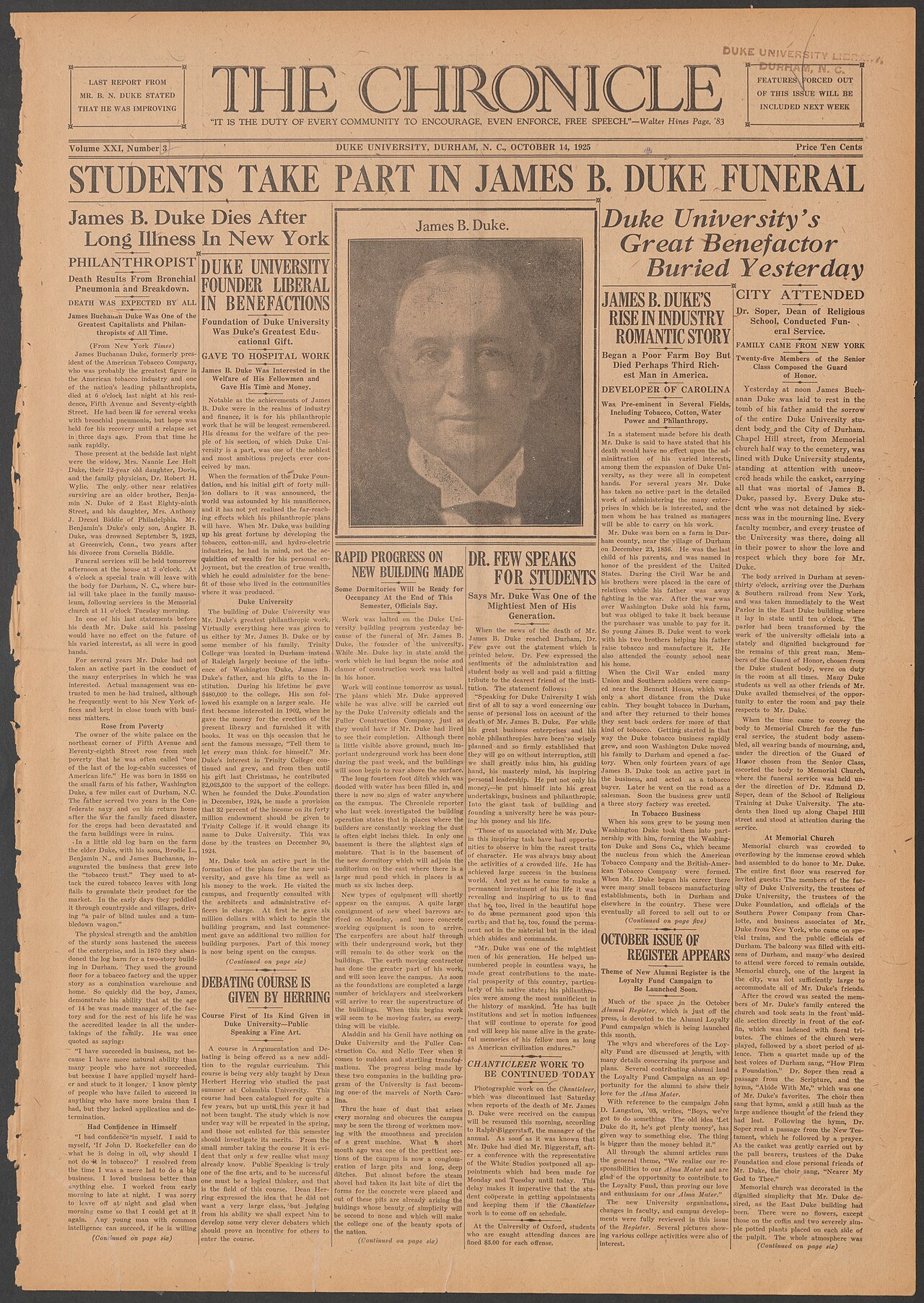
He died on October 10, 1925, in New York City, at the age of 68. His passing marked the end of an era in American industrial history.
More in Tycoons And Industrialists 1-20
Spotted an error? Know more?
Reader corrections go straight into our review queue. Suggest an edit · How this site is sourced