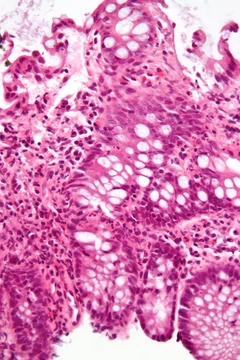
Pericarditis
Inflammation of the pericardium causing positional chest pain.
Pericarditis is inflammation of the pericardium, the fibrous sac surrounding the heart. It typically presents with sudden sharp chest pain that may radiate to the shoulders, neck, or back and is often relieved by sitting up. The condition is an uncommon cause of chest pain, affecting about 3 per 10,000 people annually, most commonly males between ages 20 and 50.
Quick Facts
- Field
- Cardiology
- Symptoms
- Sharp chest pain
- better sitting up and worse with lying down
- fever
- Complications
- Cardiac tamponade
- myocarditis
- constrictive pericarditis
- Onset
- Typically sudden
- Duration
- Few days to weeks
- Causes
- Viral infection
- tuberculosis
- uremic pericarditis
- following a heart attack
- cancer
- autoimmune disorders
- chest trauma
- Diagnosis
- Based on symptoms
- electrocardiogram
- fluid around the heart
- Differential
- Heart attack
Facts from the source article.
Signs and symptoms
The characteristic pain of pericarditis is substernal or left precordial pleuritic chest pain that radiates to the trapezius ridge. This pain is typically relieved by sitting up or bending forward and worsened by lying down or breathing in. Unlike the constant pressure-like pain of myocardial infarction, pericarditis pain changes with body position. Other symptoms may include dry cough, fever, fatigue, and anxiety. A classic physical finding is a friction rub heard with a stethoscope, usually at the lower left sternal border. Additional signs include diaphoresis, and in cases of pericardial tamponade, pulsus paradoxus, low blood pressure, muffled heart sounds, and jugular vein distention (Beck's triad). An electrocardiogram often shows widespread concave ST elevation and PR depression. Pericarditis can progress to pericardial effusion and cardiac tamponade, with symptoms such as decreased alertness, lethargy, and equilibration of diastolic blood pressures on cardiac catheterization.
Causes
Pericarditis can be triggered by viral, bacterial, or fungal infections. In wealthier nations, viruses like coxsackievirus, herpesvirus, mumps virus, and HIV are behind roughly 85% of cases, while in poorer regions, tuberculosis is a frequent bacterial culprit. Fungal forms often stem from histoplasmosis, or in those with weakened immune systems, Aspergillus, Candida, and Coccidioides. Some cases have no clear cause after standard tests. Autoimmune conditions such as lupus, rheumatic fever, and IgG4-related disease can also lead to it. Other triggers include heart attacks, Dressler’s syndrome, chest trauma, kidney failure, cancer, radiation, aortic dissection, and drugs like isoniazid, cyclosporine, hydralazine, warfarin, and heparin. Rarely, vaccines—including those for smallpox and COVID-19—have been linked to the condition.
Diagnosis
The preferred initial diagnostic test is an electrocardiogram, which may show diffuse concave ST-segment elevations in all leads except aVR and V1, along with PR-segment depression. Sinus tachycardia and low-voltage QRS complexes can appear if pericardial effusion is present. The underlying cause is identified in only 16–22% of acute pericarditis cases. On MRI, T2-weighted spin-echo images show high signal intensity in inflamed pericardium, and late gadolinium contrast is taken up by inflamed tissue; normal pericardium does not enhance. Laboratory values are generally normal, but in uremic pericarditis, blood urea nitrogen and creatinine may be elevated. If concurrent myocardial infarction occurs, cardiac markers such as troponin, CK-MB, myoglobin, and LDH1 may be increased. Pericarditis is classified by fluid composition (serous, purulent, fibrinous, caseous, hemorrhagic) and by duration: acute (less than 6 months) or chronic (more than 6 months).
Treatment
In viral or idiopathic pericarditis, treatment involves aspirin or non-steroidal anti-inflammatory drugs such as ibuprofen. Colchicine may be added to reduce the risk of recurrence. For post-myocardial infarction pericarditis, aspirin is the drug of choice. Severe cases may require antibiotics for bacterial causes, pericardiocentesis for large effusions causing tamponade, or steroids such as prednisolone, though steroids are not favored in acute pericarditis. Recurrent pericarditis resistant to colchicine and steroids may be treated with interleukin-1 inhibitors such as anakinra, canakinumab, or rilonacept; rilonacept is specifically approved as an orphan drug for this situation. Immunosuppressive agents like azathioprine and intravenous immunoglobulins have shown effectiveness in recurrent cases, though research is limited. Surgical removal of the pericardium (pericardiectomy) is used in severe constrictive cases but carries a 5–10% risk of death and is less effective in elderly patients or when trauma is the cause.
Frequently Asked Questions
How is Pericarditis treated?
Treatment of Pericarditis includes NSAIDs, colchicine and corticosteroids.
How is Pericarditis diagnosed?
Diagnosis of Pericarditis is based on based on symptoms, electrocardiogram and fluid around the heart.
More in Steroid-responsive Inflammatory Conditions
Spotted an error? Know more?
Reader corrections go straight into our review queue. Suggest an edit · How this site is sourced