
Collagenous colitis
A colonic inflammatory condition causing chronic watery diarrhea.

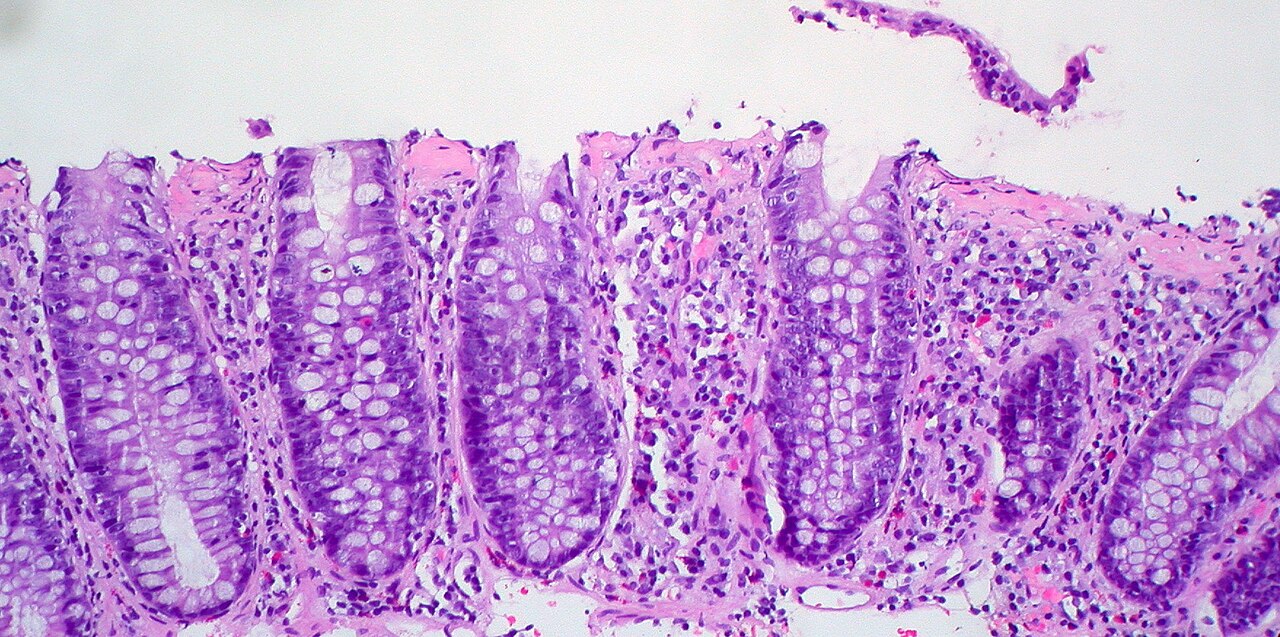
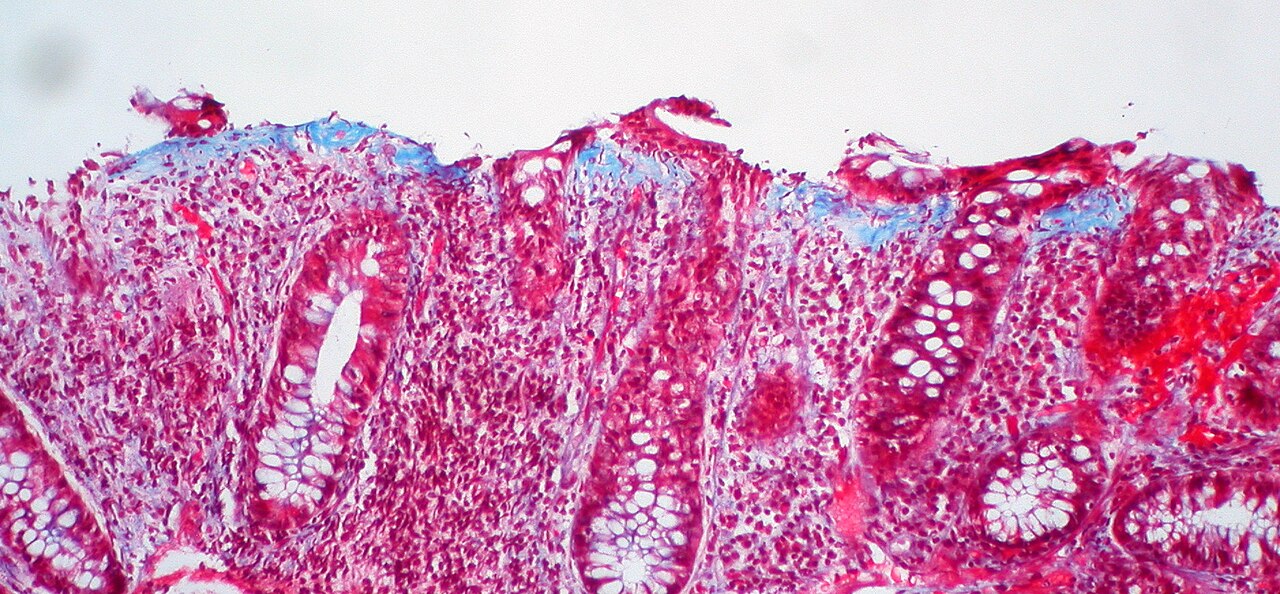
Ed Uthman from Houston, TX, USA · CC BY 2.0
Collagenous colitis is an inflammatory condition of the colon and a subtype of microscopic colitis. It is characterized by chronic watery diarrhea and the deposition of collagen in the connective tissue between colonic glands, which can be detected through histopathological examination of biopsies. The condition is most frequently diagnosed in late middle-aged or elderly people, with women affected more often than men.
- Field
- Gastroenterology
- Known for
- Subtype of microscopic colitis with collagen deposition in the colon
- Typical age at diagnosis
- 60s
- Female to male ratio
- 3 to 8 (varies by study)
- Incidence rate range
- 0.6 to 19.6 per 100,000 person-years (varies by study and period)
Lore & Background
Epidemiological studies have shown a marked increase in diagnosed cases over recent decades, with incidence rates rising from as low as 0.6 per 100,000 person-years in older French data to over 19 per 100,000 person-years in some later studies. In some regions, microscopic colitis (including collagenous colitis) now outnumbers cases of Crohn's disease and ulcerative colitis. The average age at diagnosis is around 67, and the highest incidence is seen in patients over 80. Women are disproportionately affected, with female-to-male ratios ranging from 3.1 to 7.9 across different studies.
Reader's Guide
Collagenous colitis is significant as a common cause of chronic watery diarrhea, particularly in older adults, and as a condition whose diagnosis has increased dramatically with greater use of colonoscopy and biopsy. Its recognition as a form of microscopic colitis has reshaped understanding of inflammatory bowel diseases, though its etiology remains poorly understood. The condition is treated primarily with budesonide, a locally acting steroid, and other agents such as bismuth compounds, 5-aminosalicylic acid, immunosuppressants, and infliximab. Pilot studies have suggested possible benefit from Boswellia serrata extract and specific probiotics, but larger trials are needed. The rising incidence—now exceeding that of Crohn's disease and ulcerative colitis in some populations—highlights the need for continued research into its causes and optimal management.
Did You Know?
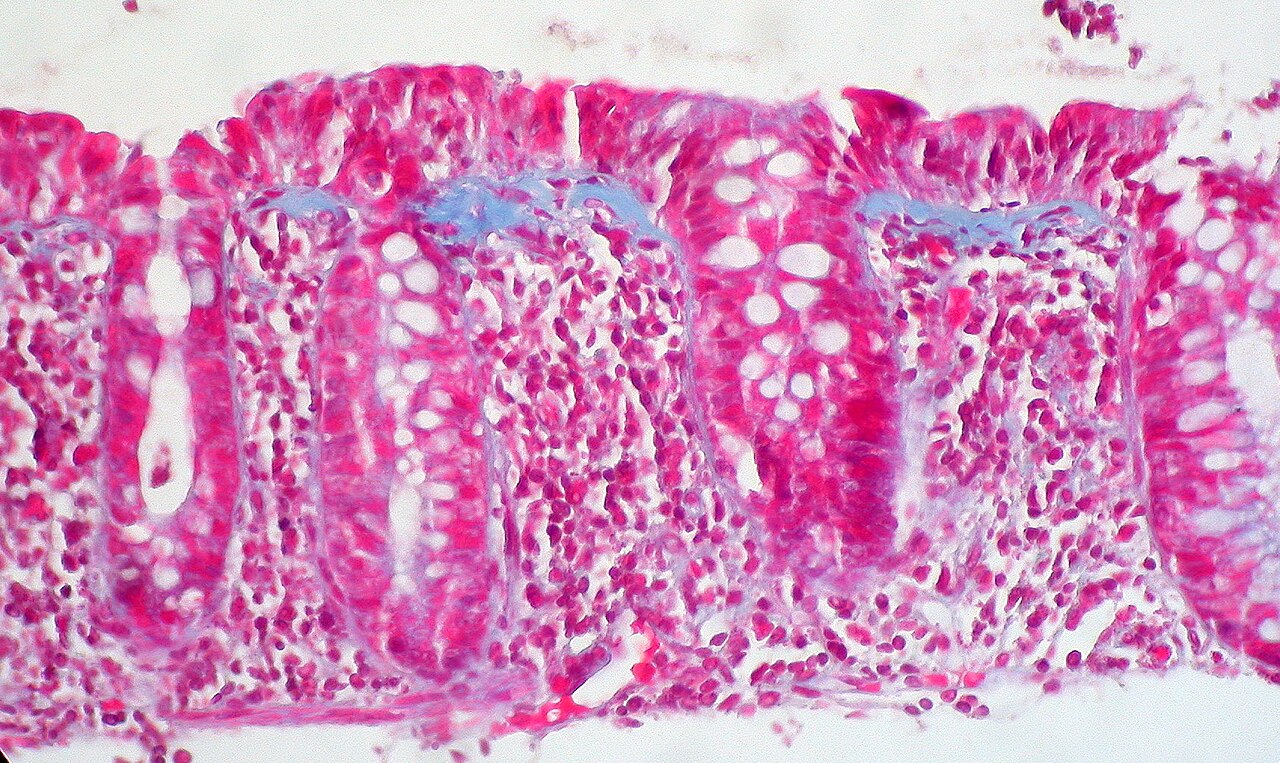
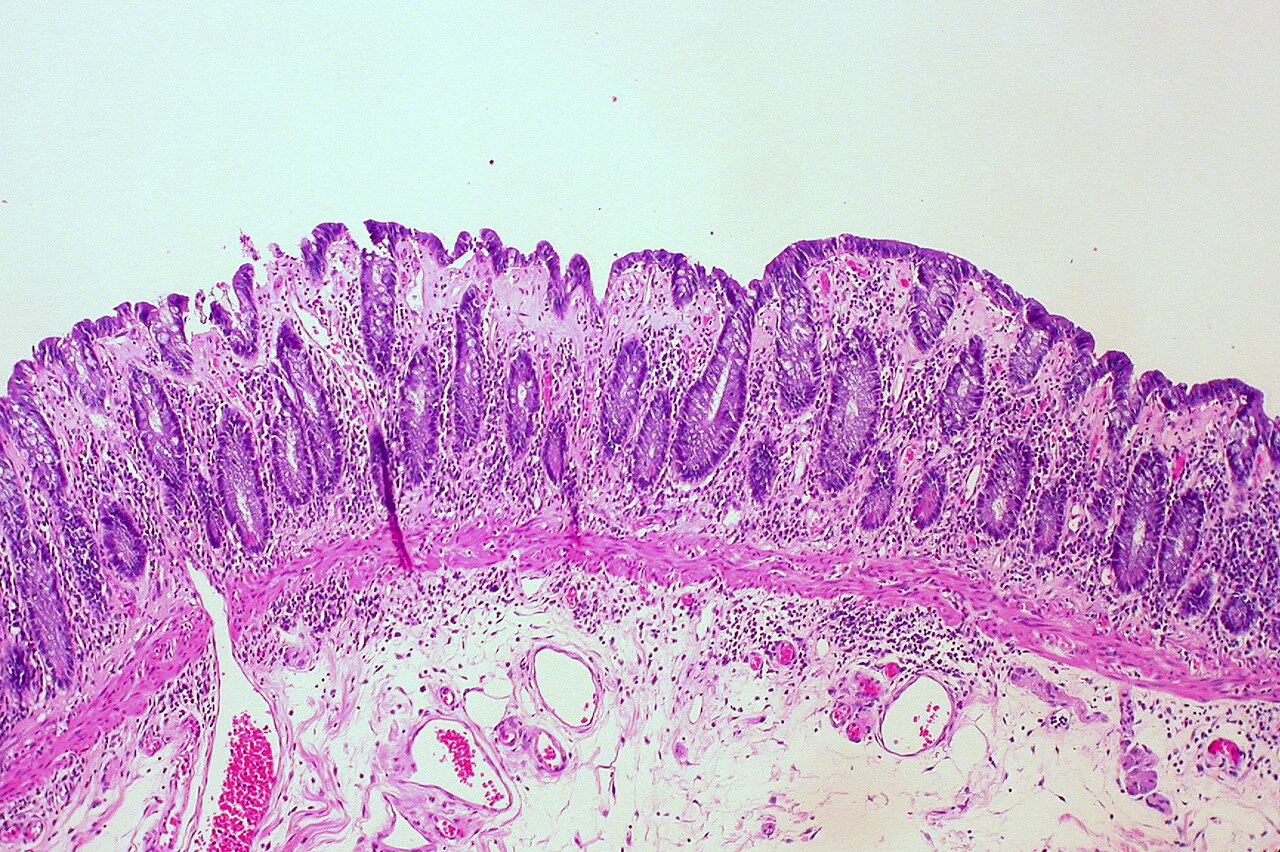
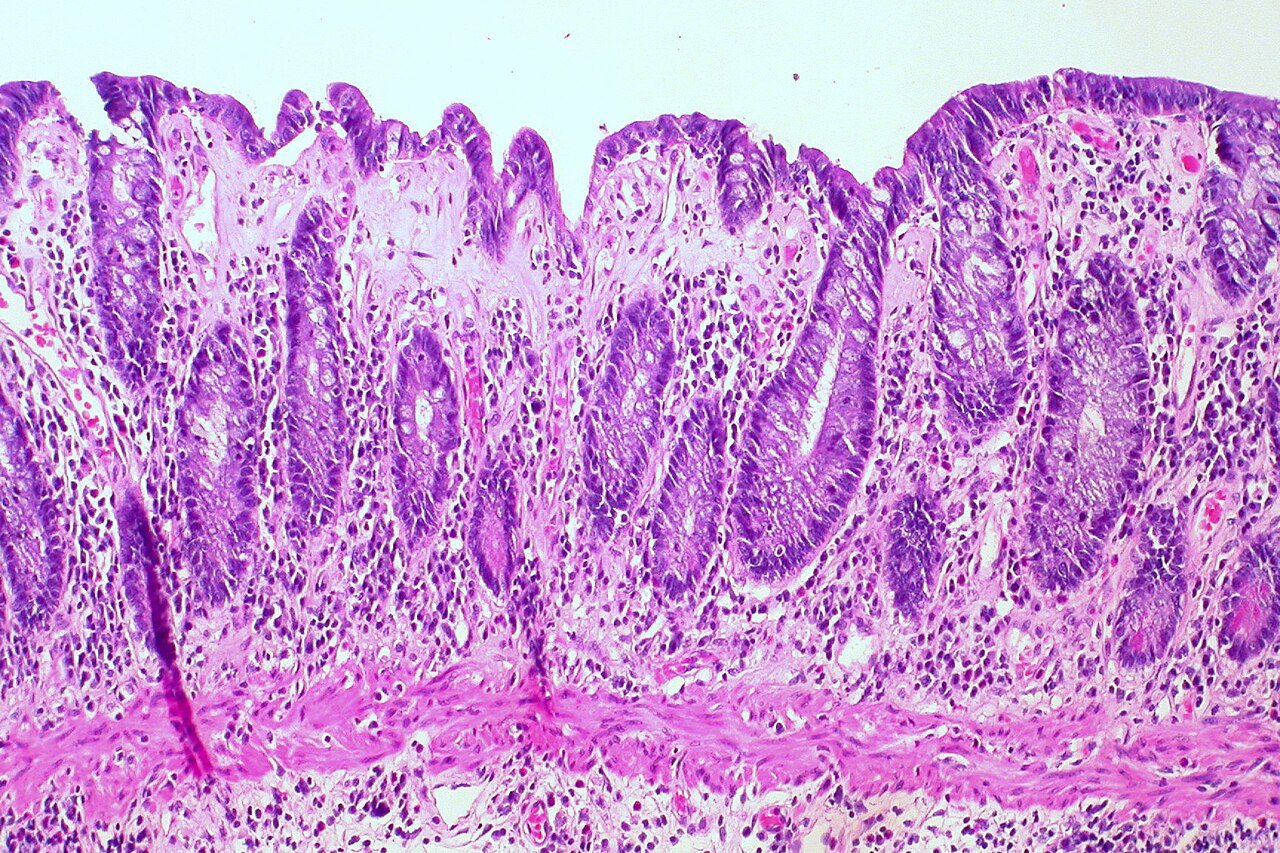
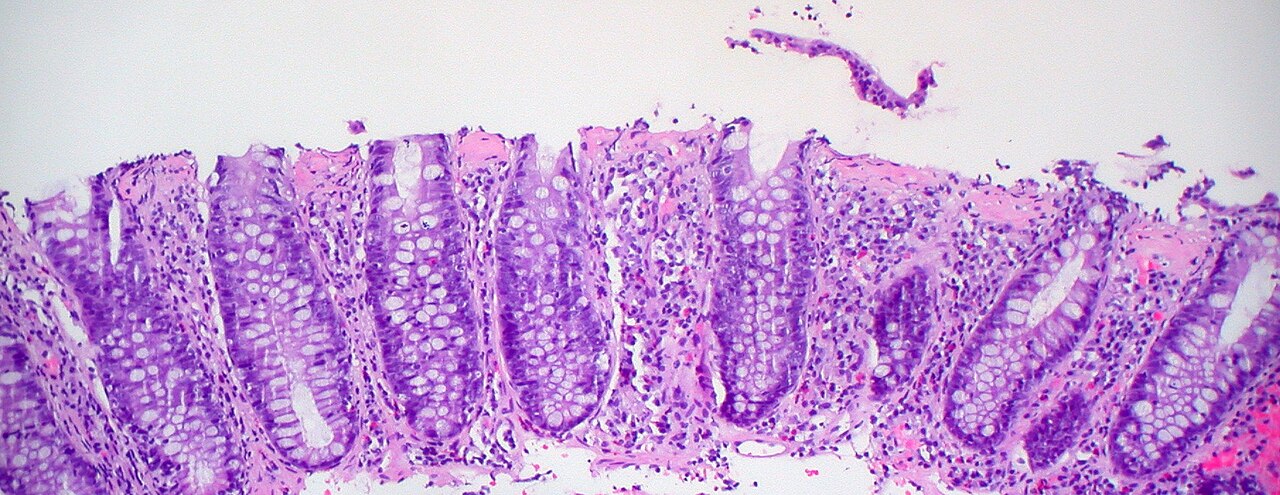
- Collagenous colitis is diagnosed by detecting collagen deposits in the connective tissue between colonic glands on biopsy.
- Up to 40% of patients with collagenous colitis have an autoimmune disease, such as celiac disease.
- In a retrospective study, the median patient with collagenous colitis had 6 stools per day, and 42% experienced weight loss.
- Incidence rates of collagenous colitis have been reported as high as 19.6 per 100,000 person-years in some populations.
The Invisible Inflammation: Presentation and Diagnosis
Collagenous colitis presents a peculiar diagnostic challenge: the colon looks entirely normal when viewed during a standard colonoscopy, and radiological imaging such as a barium enema typically returns unremarkable results. The true pathology hides at the cellular level, where histopathological examination of tissue biopsies reveals the hallmark finding—abnormal collagen deposition within the lamina propria, the connective tissue layer sandwiched between colonic glands. This microscopic signature is what separates collagenous colitis from its close relative, lymphocytic colitis, and together they form the broader category of microscopic colitis.
Clinically, patients endure a persistent, watery diarrhea without the rectal bleeding that characterizes other colitides. A retrospective study of collagenous colitis patients found that every individual experienced chronic diarrhea, with a median of six bowel movements per day. Nearly half reported weight loss (42%, with a median loss of six kilograms) and abdominal pain (41%), while nocturnal diarrhea affected 27%, fatigue 14%, and bloating 8%. In the most severe presentations, dehydration and electrolyte disturbances can develop. Across the board, patients describe a markedly diminished quality of life, underscoring how a condition invisible to the naked eye can profoundly disrupt daily existence.
Demographics and a Rising Tide
Collagenous colitis can technically appear at any age, yet the typical patient is a woman in her sixties. Female-to-male incidence ratios across studies range from roughly three to eight, and the average age at diagnosis sits around 67, with the highest rates among those over 80.
What has drawn particular attention is the dramatic upward trajectory in diagnosed cases over recent decades. French data from the early 1990s recorded only 0.6 cases per 100,000 person-years, while Icelandic figures climbed from 2.2 in 1995 to 8.3 by 1999. A Minnesota study spanning 1985 to 2001 found an overall rate of 3.1, but the 1998–2001 subset alone reached 7.1—already surpassing Crohn's disease and ulcerative colitis. A 2022 update from the same region, covering 2011–2019, reported an incidence of 9.9 and a prevalence exceeding 100 per 100,000, though rates had stabilized. Danish data from 2001 to 2016 showed microscopic colitis incidence surging from 2.3 to 24.3 per 100,000, with collagenous colitis accounting for 59% of those cases. By the mid-2010s, microscopic colitis had overtaken the two classic inflammatory bowel diseases in at least some regions.
Treatment: From Budesonide to Emerging Options
The cornerstone of managing collagenous colitis is budesonide, a corticosteroid chosen specifically because it acts locally within the colon and is rapidly metabolized during its first pass through the liver, minimizing systemic side effects. When budesonide proves insufficient or is not tolerated, clinicians may turn to a range of alternative agents. Bismuth-based preparations, including the familiar over-the-counter product Pepto-Bismol, represent one option. Five-aminosalicylic acid, a well-known anti-inflammatory compound, is another. For more refractory cases, immunosuppressive strategies come into play: azathioprine, a broad immunosuppressant, and infliximab, a biologic antibody, have both been employed.
Beyond these established pharmacological tools, a modest body of pilot-scale research has hinted at potential benefits from Boswellia serrata extract and from specific probiotic strains. However, the evidence base for these complementary approaches remains limited, and researchers emphasize that larger, more rigorous trials are needed before they can be recommended as standard therapy. The overall treatment landscape thus reflects a condition for which effective management exists but for which the optimal, long-term strategy is still being refined.
Unknown Origins and the IBD Debate
The fundamental cause of collagenous colitis remains elusive, and this uncertainty casts a long shadow over how the condition is classified. It is sometimes grouped alongside Crohn's disease and ulcerative colitis under the umbrella of inflammatory bowel disease, yet the degree of biological similarity is far from established. Because so little is known about the underlying etiology of microscopic colitis as a whole, many experts hesitate to draw firm parallels with the two classic IBDs.
Several associations have been identified, though none has been confirmed as a definitive trigger. Up to 40% of collagenous colitis patients carry a concurrent autoimmune diagnosis, with celiac disease frequently cited, suggesting a possible shared immunological vulnerability. On the pharmacological front, regular use of nonsteroidal anti-inflammatory drugs, proton pump inhibitors, and beta blockers appears to elevate risk, although the mechanistic link behind this observation is not understood. The convergence of autoimmune co-occurrence, medication exposure, and an unexplained rise in incidence over recent decades paints a picture of a condition whose origins are still largely a mystery, making targeted prevention or cure a distant goal.
Gallery
Frequently Asked Questions
Who is Collagenous colitis?
Collagenous colitis is a chronic inflammatory disorder of the large intestine and belongs to the microscopic colitis family. It sits within the broader gastroenterology canon as a distinct entity recognized by its hallmark tissue changes.
What are Collagenous colitis's powers/role?
Its signature move is producing persistent, watery diarrhea in affected individuals. Under the microscope, it leaves a telltale thickened band of collagen beneath the surface epithelium of the colon, which is how pathologists confirm the diagnosis on biopsy.
Who does Collagenous colitis typically target?
It overwhelmingly strikes adults in their sixties or older, with women being diagnosed three to eight times more often than men depending on the study. It is rarely seen in younger populations.
Why is Collagenous colitis important in the canon?
With an estimated incidence ranging from roughly 0.6 to 19.6 cases per 100,000 person-years across different studies and time periods, it represents a clinically significant but historically under-recognized entity. Its identification as a separate subtype of microscopic colitis sharpened diagnostic criteria and treatment pathways in gastroenterology.
More in Steroid-responsive inflammatory conditions 1-24
Spotted an error? Know more?
Reader corrections go straight into our review queue. Suggest an edit · How this site is sourced