
Atopic dermatitis
Chronic skin inflammation causing itchy, red, and thickened skin.

Dwxn · CC BY-SA 4.0
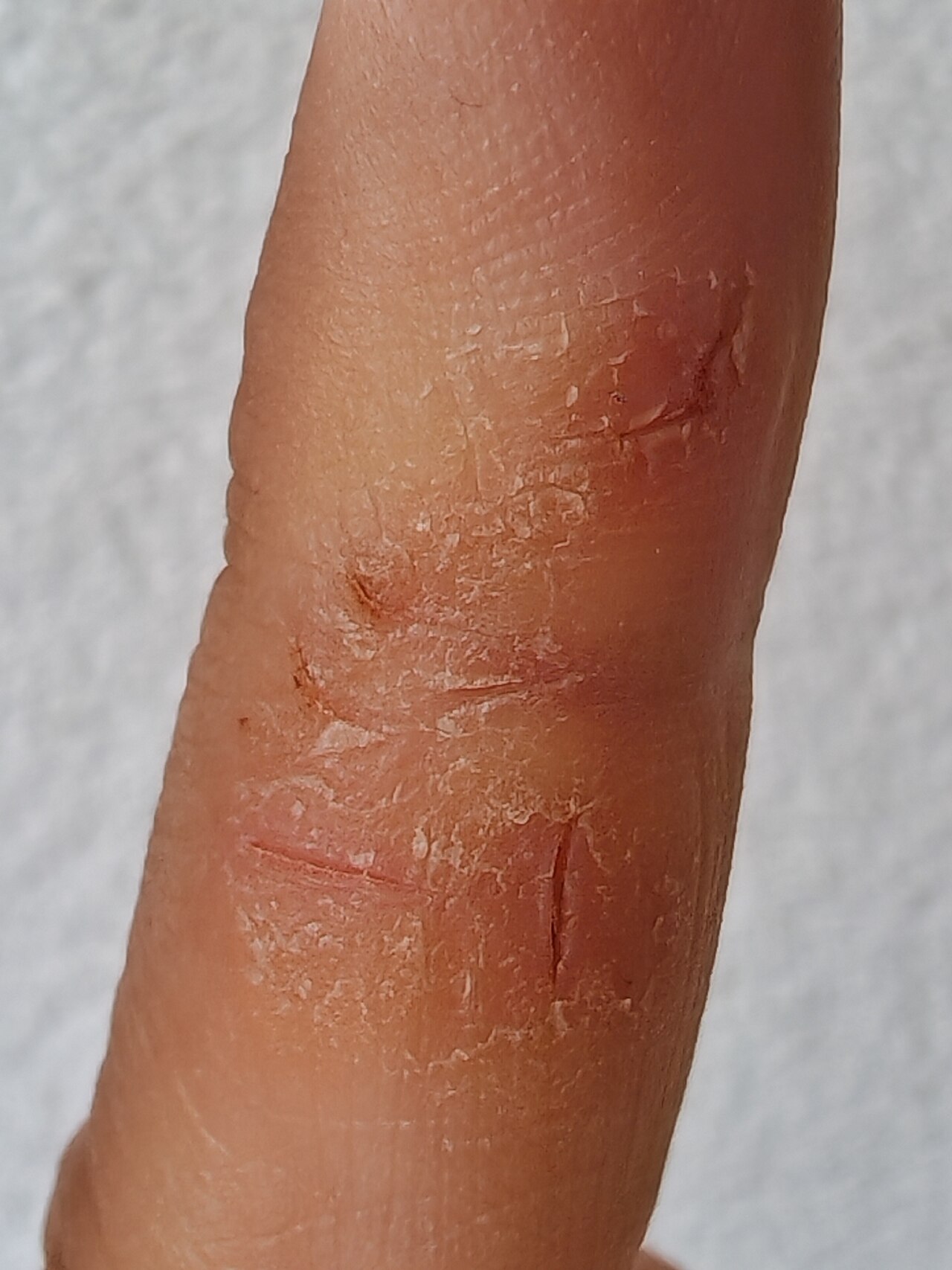
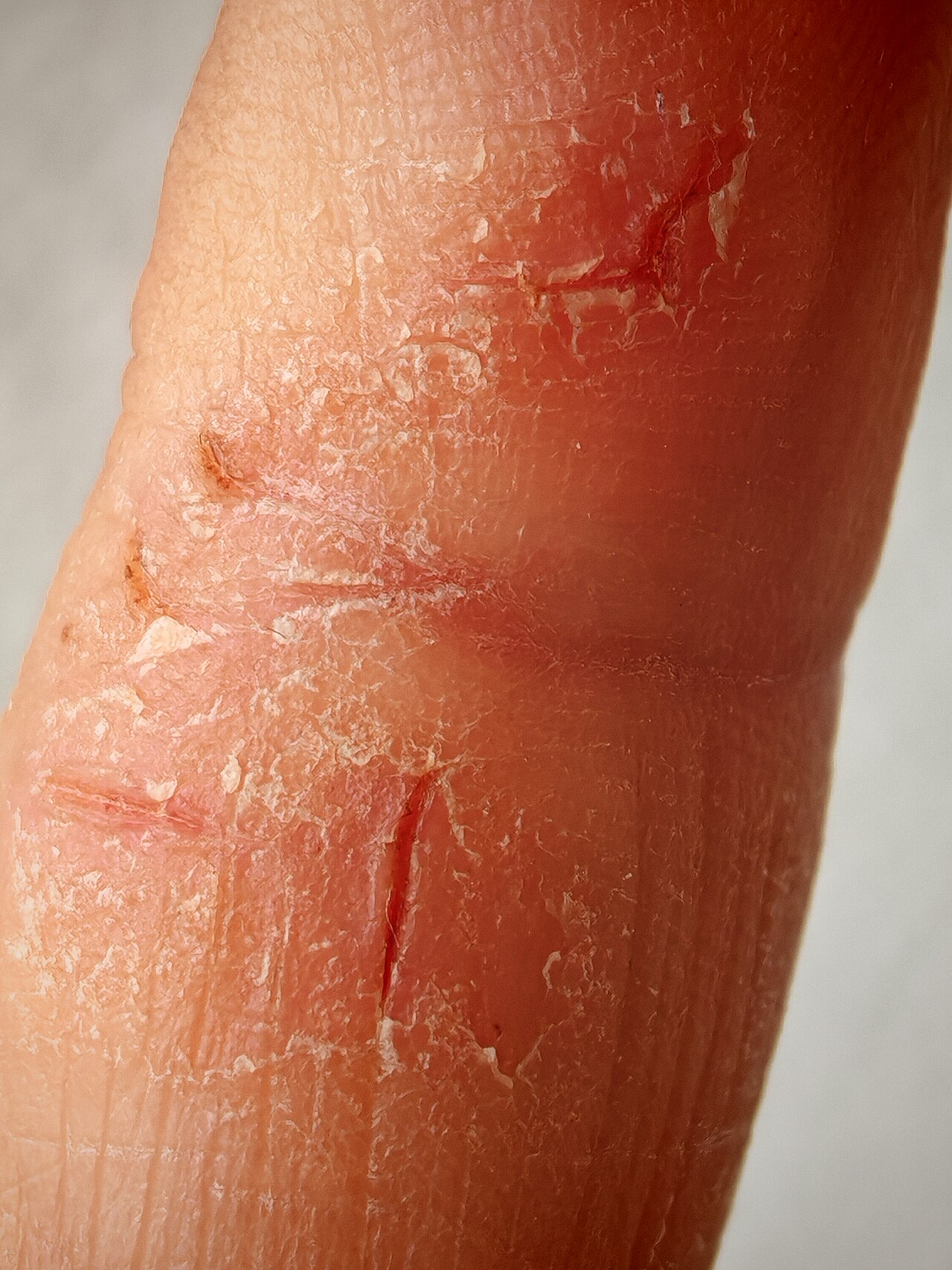
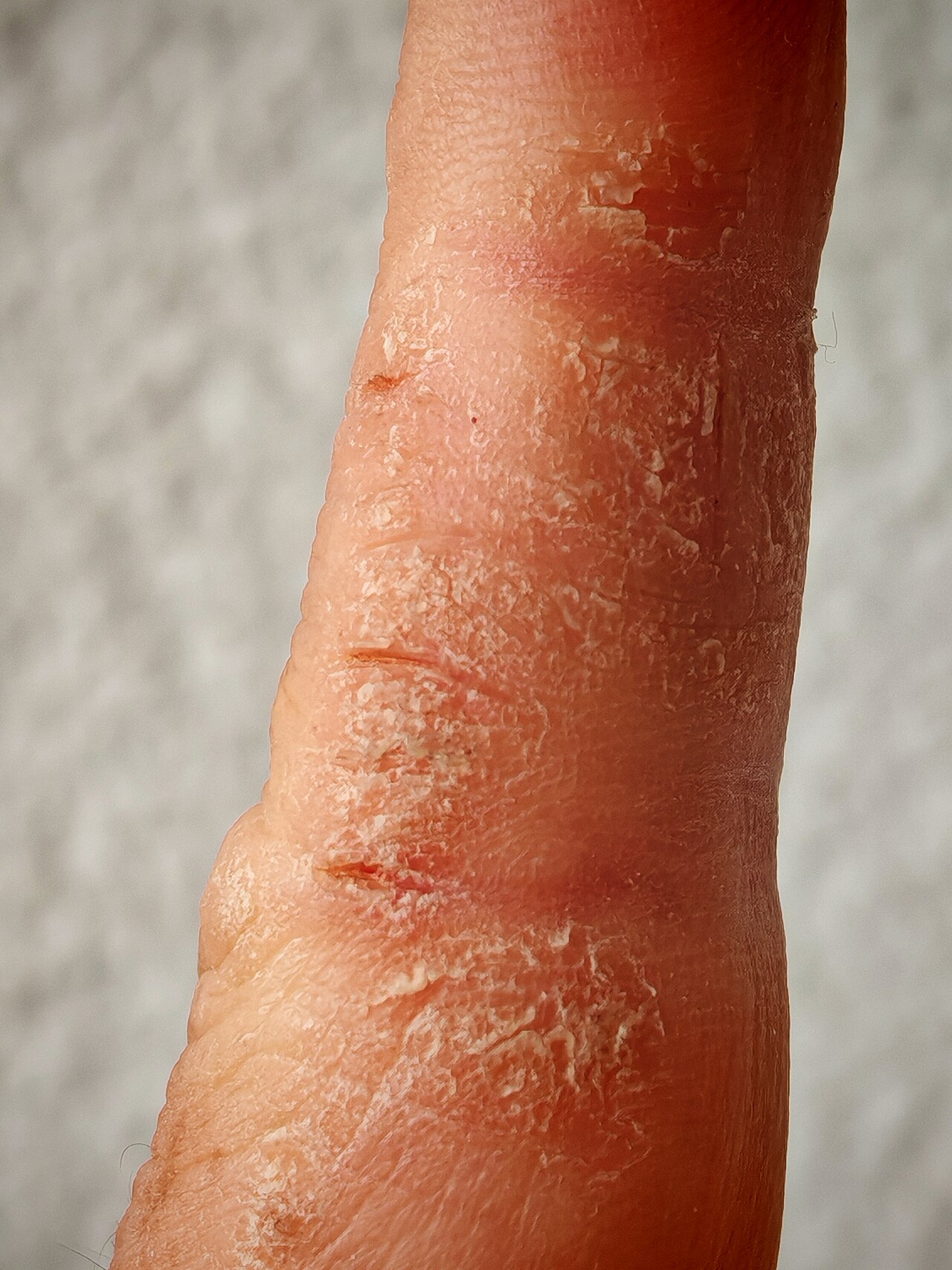
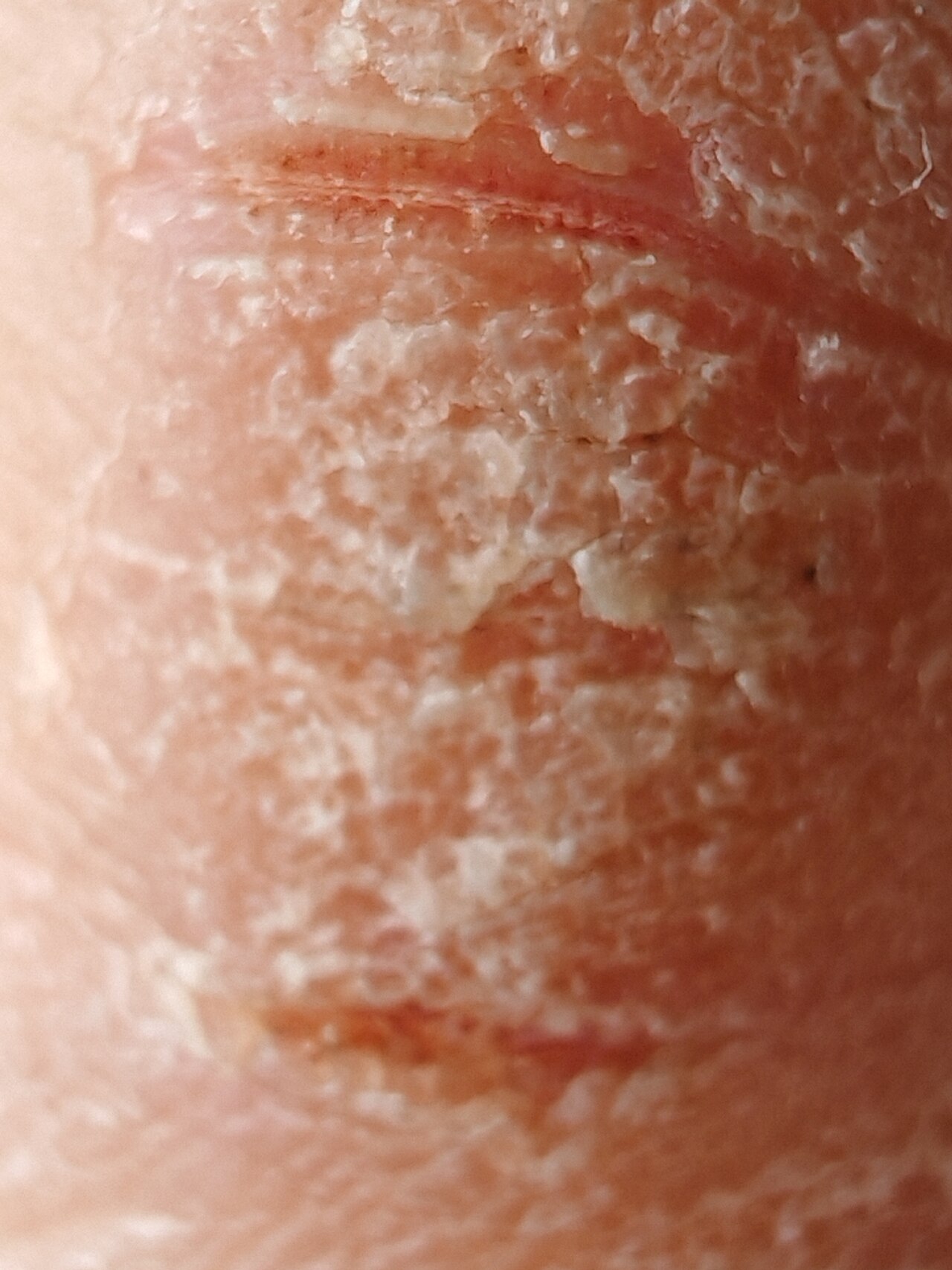
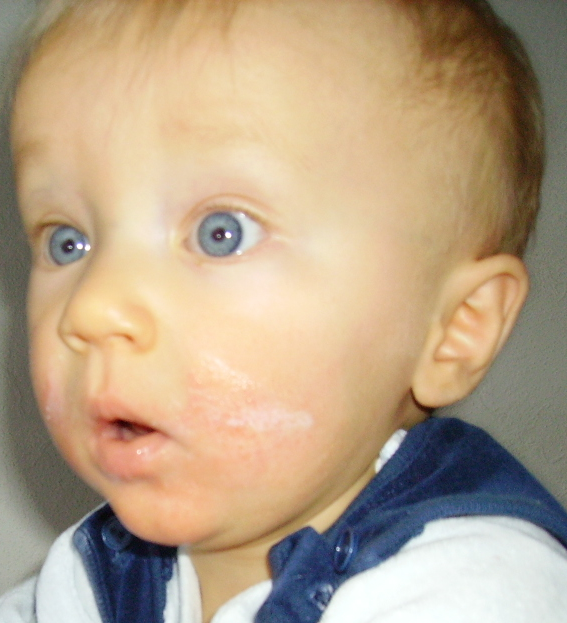
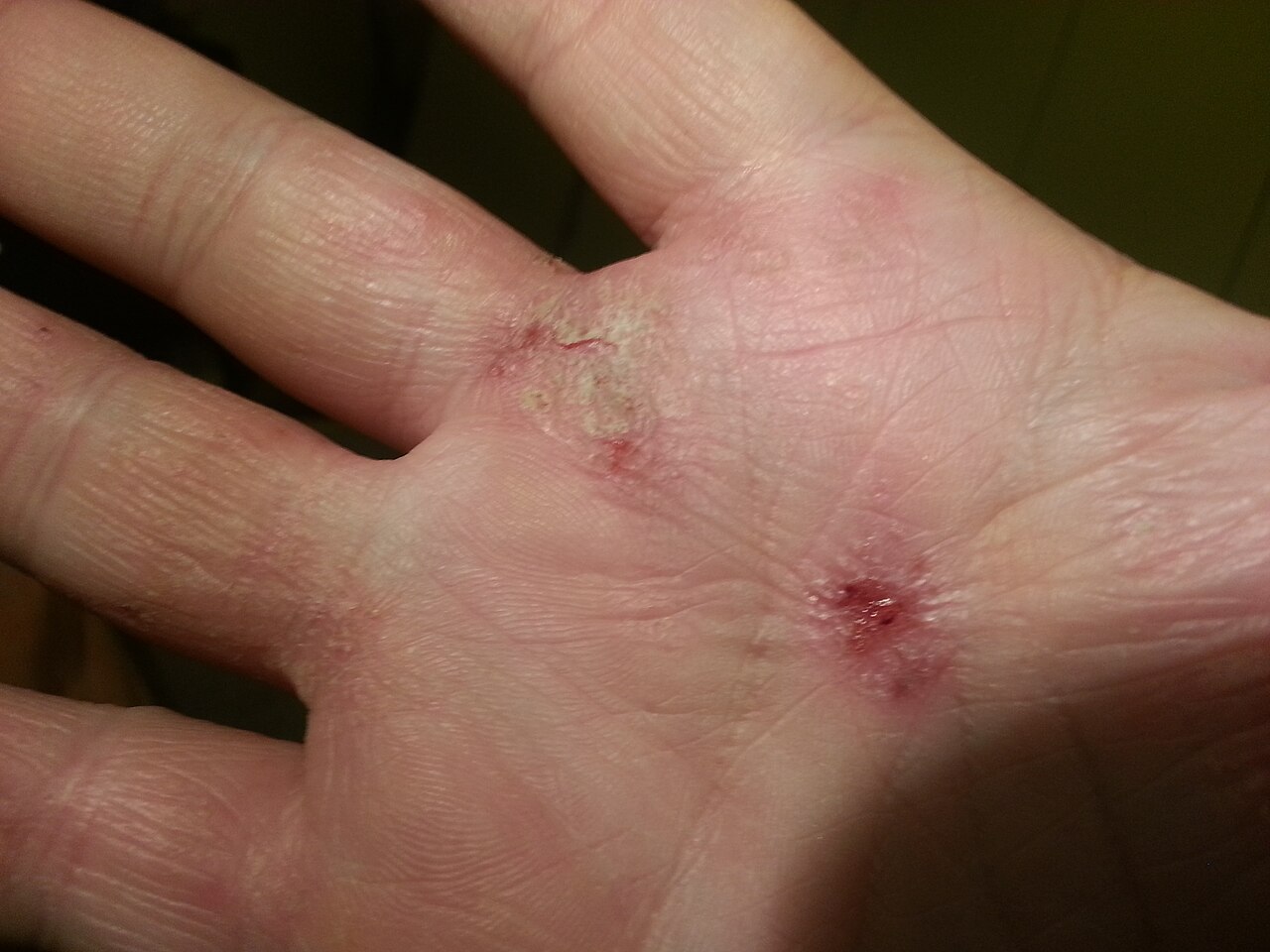
Atopic dermatitis (AD), also known as atopic eczema, is a chronic type of inflammation of the skin. It results in itchy, red, swollen, and cracked skin, and clear fluid may come from affected areas, which can thicken over time in a process called lichenification. The condition affects about 20% of people at some point in their lives, is more common in younger children, and females are affected slightly more often than males.
- Field
- Dermatology
- Known for
- Chronic inflammatory skin condition causing itching, redness, and lichenification
- Affected population
- About 20% of people at some point in their lives
- Common age of onset
- Typically begins in childhood
- Gender prevalence
- Females affected slightly more often than males
Lore & Background
Atopic dermatitis is a multifactorial disease with no known exact cause, believed to involve genetics, immune system dysfunction, environmental exposures, and difficulties with skin permeability. If one identical twin is affected, the other has an 85% chance of having the condition. Those living in cities and dry climates are more commonly affected, and exposure to certain chemicals or frequent hand washing makes symptoms worse. Emotional stress may worsen symptoms but is not a cause, and the disorder is not contagious.
Reader's Guide
Atopic dermatitis is significant as one of the most common chronic skin conditions, affecting about 20% of people at some point in their lives. Its impact extends beyond the skin, as many people with AD develop hay fever or asthma. The condition typically begins in childhood and can vary in severity over the years, with affected areas changing as the person ages: in infants, the face, limbs, and much of the body may be affected; in older children, the insides of the knees, folds of the elbows, and around the neck are common; in adults, the hands and feet are commonly affected. Treatment focuses on avoiding triggers, enhancing the skin barrier with moisturisers, and controlling inflammation with corticosteroid creams or calcineurin inhibitors. More severe cases may require systemic medicines such as ciclosporin, methotrexate, dupilumab, or baricitinib. The condition is not contagious, and dietary exclusion is only needed if food allergies are suspected.
Did You Know?
- Scratching affected areas worsens the eczema and increases the risk of skin infections.
- The thickening of skin from long-term AD is known as lichenification.
Clinical Presentation & Symptom Patterns
Atopic dermatitis presents with a constellation of symptoms that can vary significantly from one individual to another. The hallmark feature across all forms of dermatitis is persistent itching, though some subtypes, such as irritant contact dermatitis, tend to produce more pain than pruritus. On lighter complexions, the condition typically manifests as dry, red, and itchy skin, while on darker skin tones the affected areas may appear as darker brown or purple patches rather than the expected redness. Commonly involved regions include the creases of the elbows, behind the knees, the wrists, face, and hands. In acute episodes, small blisters may form, whereas chronic cases can lead to thickened skin. The distribution of the rash is a key diagnostic clue—its location on the neck, wrist, forearm, thigh, or ankle helps clinicians distinguish between atopic, contact, stasis, and seborrhoeic forms. Symptoms can be intensely uncomfortable and tend to wax and wane over time.
Genetic & Environmental Origins
The precise etiology of atopic dermatitis remains elusive, though researchers believe it arises from an interplay of genetic predisposition and environmental triggers. Several genes have been linked to the condition, including one that governs filaggrin production—a protein critical to skin barrier integrity. Genome-wide association studies have additionally identified variants in OVOL1 and ACT as contributing factors. On the environmental side, the hygiene hypothesis suggests that overly sterile childhood environments may reduce beneficial microbial exposure, thereby increasing susceptibility to allergic conditions. Supporting this, urban populations show higher eczema prevalence than rural ones. House dust mite excrement has been proposed as a potential allergen, with up to five percent of individuals developing antibodies against it, though this link requires further validation. Essential fatty acid deficiency can produce a dermatitis resembling zinc or biotin deficiency, underscoring nutritional influences. Importantly, eczema is not contagious.
Therapeutic Strategies & Daily Management
Managing atopic dermatitis centers on maintaining skin barrier function and controlling inflammation. Prevention strategies emphasize essential fatty acids, while day-to-day care relies heavily on regular moisturizing to reduce transepidermal water loss. Topical corticosteroid creams, typically of mid to high potency, are the mainstay of active treatment, but they should be limited to fewer than two weeks of continuous use to avoid adverse effects. When secondary bacterial or viral infections develop—more common in atopic patients due to compromised barrier proteins and dendritic cell dysfunction—antibiotics become necessary. Antihistamines can ease nighttime scratching and improve sleep quality. For contact dermatitis specifically, the primary intervention is identifying and eliminating the offending allergen or irritant. In severe or recurrent cases, anti-inflammatory therapy combined with consistent moisturizing is recommended as a long-term preventative strategy to reduce the risk of potentially life-threatening infections.
Global Prevalence & Serious Complications
The scale of dermatitis worldwide is considerable. In 2015, an estimated 245 million people—roughly 3.34 percent of the global population—were affected. Atopic dermatitis, the most prevalent form, typically emerges in childhood and affects between 10 and 30 percent of the population in the United States. Allergic contact dermatitis touches approximately 7 percent of individuals at some stage, while irritant contact dermatitis is particularly common among workers whose occupations involve repeated hand exposure to water or chemicals. Contact dermatitis overall occurs twice as frequently in females as in males. Beyond daily discomfort, the condition carries serious medical risks. Individuals with eczema must avoid the smallpox vaccine because of the danger of eczema vaccinatum, a severe and occasionally fatal reaction. The underlying barrier defects and dendritic cell abnormalities leave patients vulnerable to recurring viral and bacterial infections that, if untreated, can become life-threatening.
Gallery
Frequently Asked Questions
Who is Atopic dermatitis?
Atopic dermatitis, often called atopic eczema, is a chronic inflammatory skin condition that sits squarely in the Dermatology field. It is defined by persistent itching, redness, swelling, and cracking of the skin, sometimes with clear fluid oozing from affected patches.
What are Atopic dermatitis's powers/role?
Its signature 'abilities' include triggering intense, relentless itching and producing visibly red, swollen, and cracked skin. Prolonged scratching can push the skin into lichenification, a thickened, leathery state that marks long-standing involvement.
Why is Atopic dermatitis important?
It matters because roughly one in five individuals will experience it at some point, making it one of the most common chronic inflammatory skin conditions in practice. It also shows a slight female predominance in prevalence, which is a notable demographic detail for clinicians tracking its course.
Who does Atopic dermatitis typically target?
Younger children are the most frequently affected demographic, though the condition can emerge at virtually any age. Females are impacted slightly more often than males, and the overall lifetime prevalence hovers around 20% of the general population.
More in Steroid-responsive inflammatory conditions 1-24
Spotted an error? Know more?
Reader corrections go straight into our review queue. Suggest an edit · How this site is sourced