
Autoimmune hepatitis
Chronic autoimmune liver disease from immune attack on hepatocytes.

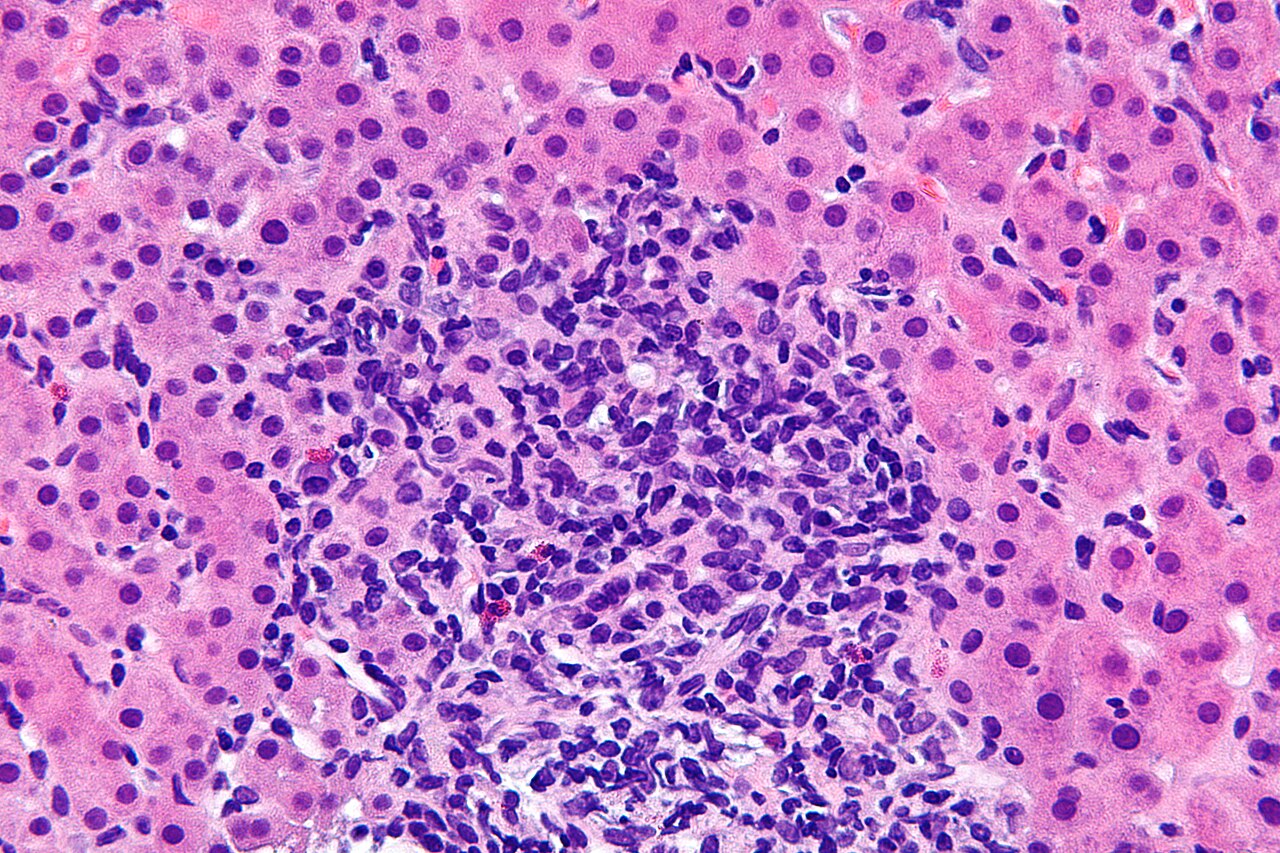
Nephron · CC BY-SA 3.0
Autoimmune hepatitis is a chronic, autoimmune disease of the liver that occurs when the body's immune system attacks liver cells, causing inflammation. Formerly known as lupoid hepatitis, plasma cell hepatitis, or autoimmune chronic active hepatitis, it can present with nonspecific symptoms such as fatigue, nausea, muscle aches, or weight loss, and may be detected through abnormal liver function tests. The disease most often affects women and is diagnosed in patients in their late teens or early 20s and between the ages of 40 and 50.
- Field
- Hepatology, Autoimmune Disease
- Known for
- Chronic autoimmune liver inflammation caused by immune attack on hepatocytes
- Common age at diagnosis
- Late teens/early 20s and ages 40–50
- Sex predominance
- Women more commonly than men
- Associated autoantibodies
- ANA, anti-smooth muscle antibody, anti-liver kidney microsomal antibodies, anti-soluble liver antigen
Lore & Background
Anomalous presentation of MHC class II receptors on the surface of liver cells, possibly due to genetic predisposition or acute liver infection, causes a cell-mediated immune response against the body's own liver, resulting in autoimmune hepatitis. This abnormal immune response results in inflammation of the liver, which can lead to further symptoms and complications such as fatigue and cirrhosis. The disease is most often diagnosed in patients in their late teens or early 20s and between the ages of 40 and 50. It affects women more commonly than men.
Reader's Guide
Autoimmune hepatitis is significant as a chronic autoimmune liver disease that can progress to cirrhosis if untreated. Its diagnosis relies on a combination of clinical, laboratory, and histological findings after excluding other causes of liver disease, with liver biopsy often required. The mainstay of treatment involves immunosuppressive glucocorticoids such as prednisone, which can achieve resolution of symptoms in up to 60–80% of cases, though many patients eventually experience relapse. The disease is associated with specific autoantibodies and HLA serotypes, and its classification into subtypes based on antibody profiles does not correspond to distinct clinical presentations. Understanding autoimmune hepatitis has advanced the recognition of autoimmune mechanisms in liver disease and the importance of tailored immunosuppressive therapy.
The Elusive Presentation
Autoimmune hepatitis is notorious for its deceptive onset. In roughly one-third of cases, the condition arrives without a single noticeable symptom, lurking silently until a routine blood draw reveals elevated transaminases or a surgeon glimpses an unusual-looking liver during an unrelated abdominal procedure. When symptoms do emerge, they tend to be vague and persistent—deep fatigue, a general sense of unwellness, mild aching in the upper right abdomen, loss of appetite, or unexplained weight loss. Some patients experience itching, joint discomfort in smaller joints, or nausea. In women, a missed period can be a telling clue. Fever and skin rashes appear only rarely. Physical examination may look entirely unremarkable, or it may already show the hallmarks of long-standing liver damage. Alkaline phosphatase and bilirubin levels typically remain within normal range, which can further obscure the picture. The spectrum of presentation is wide: some individuals walk in with acute or even fulminant liver failure, while others have already progressed to cirrhosis before the diagnosis is finally made. This variability makes early recognition one of the field's persistent challenges.
The Immune Betrayal
At its core, autoimmune hepatitis represents a fundamental misdirection of the body's own defense machinery. The leading explanation centers on an anomalous display of MHC class II molecules on the surface of hepatocytes—liver cells that should not normally present these markers. This aberrant expression, potentially seeded by a genetic vulnerability or triggered by an acute liver infection, tricks the immune system into mounting a cell-mediated attack against the organ it is meant to protect. The prevailing model envisions a three-part interplay: a hereditary susceptibility, an environmental catalyst such as a viral infection, certain medications, herbal supplements, or immunizations, and ultimately a failure of immune tolerance that permits chronic inflammation of liver cells. Over time, this persistent inflammatory assault drives fibrosis and can culminate in cirrhosis. Interestingly, about sixty percent of affected individuals show laboratory findings consistent with chronic hepatitis yet lack any serologic proof of a viral pathogen. The precise genes and triggers remain unidentified, though research links early-onset, severe presentations to the HLA-DR3 serotype and later-onset disease to HLA-DR4, underscoring a strong genetic architecture beneath the clinical picture.
Decoding the Diagnosis
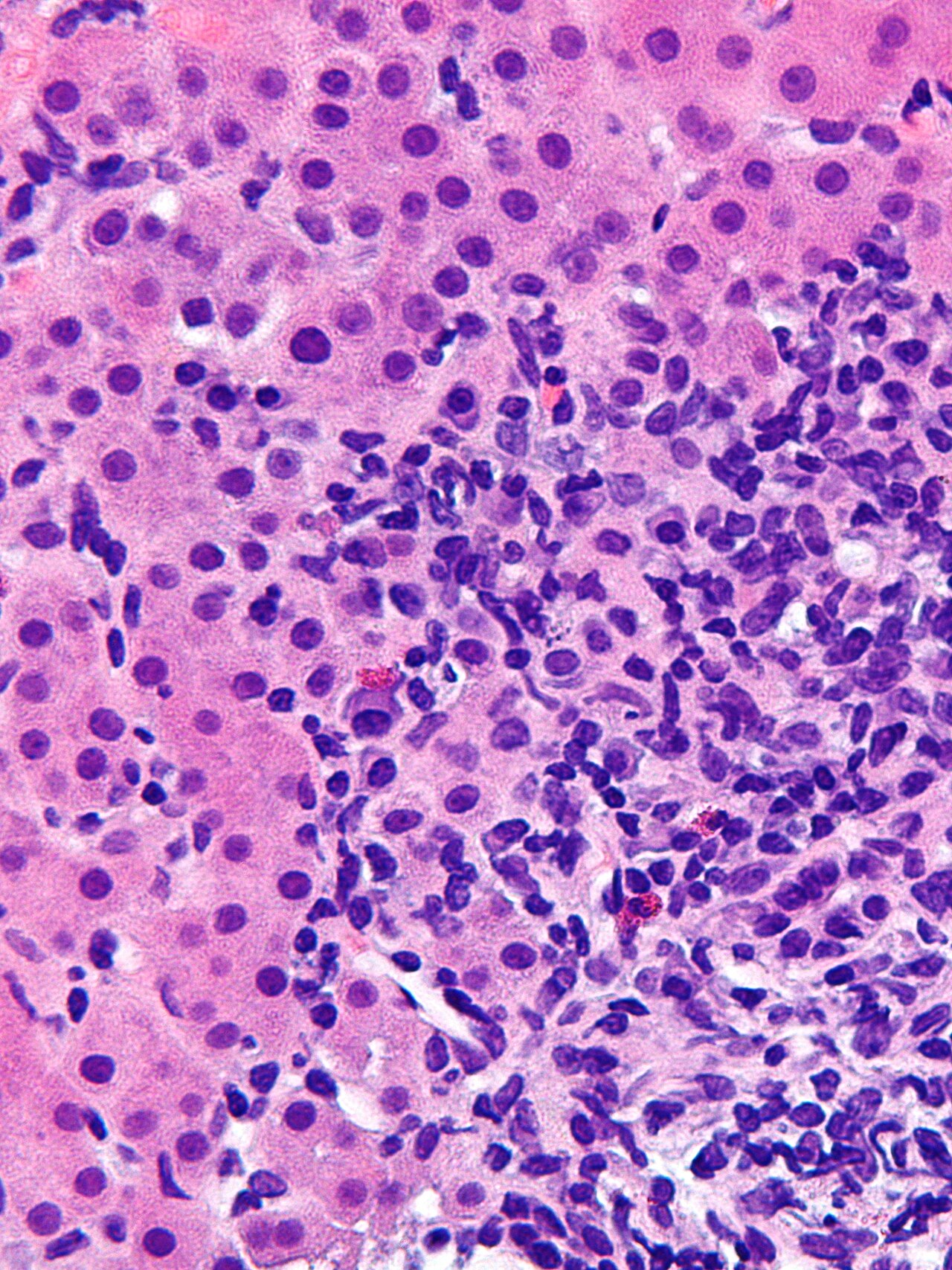
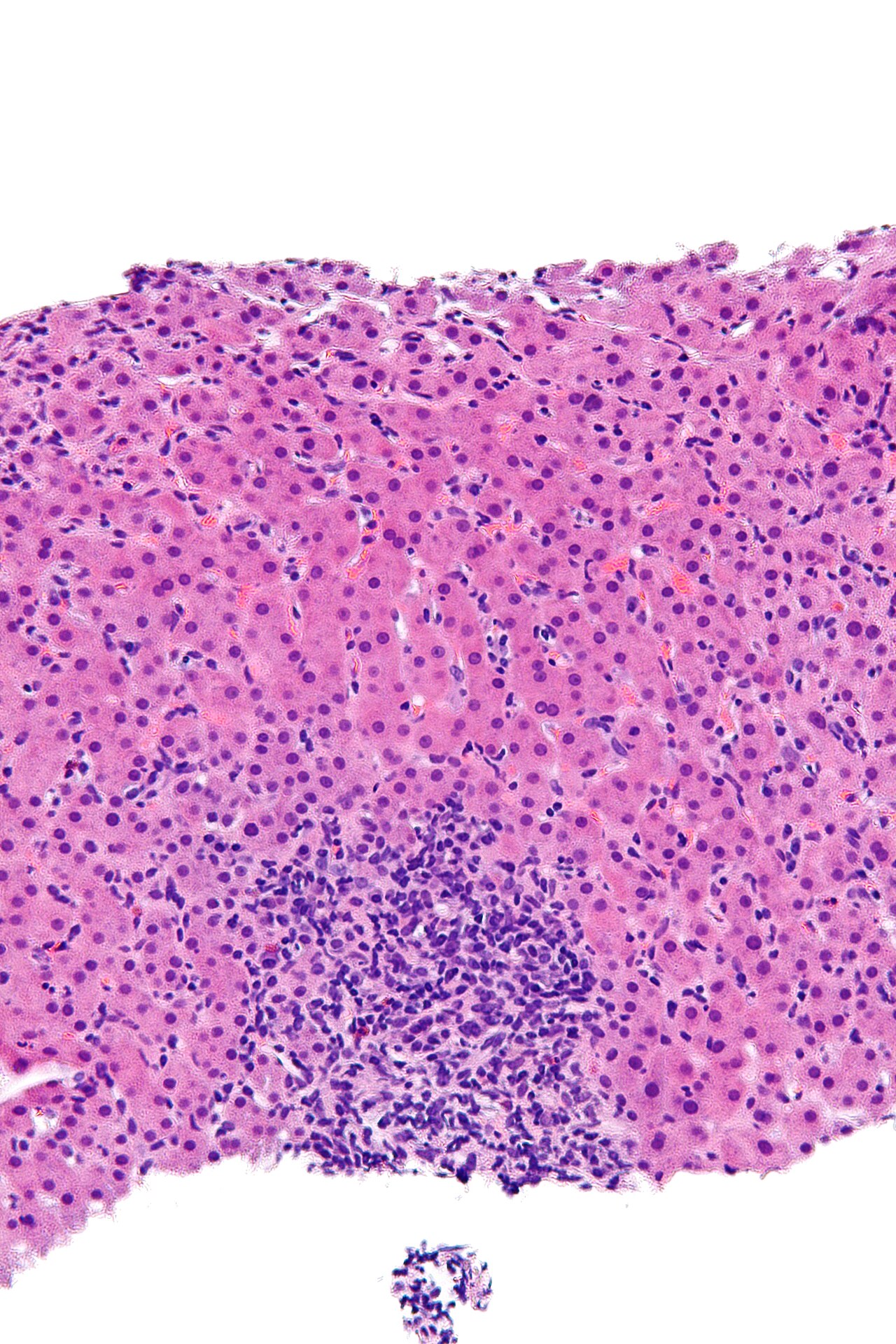
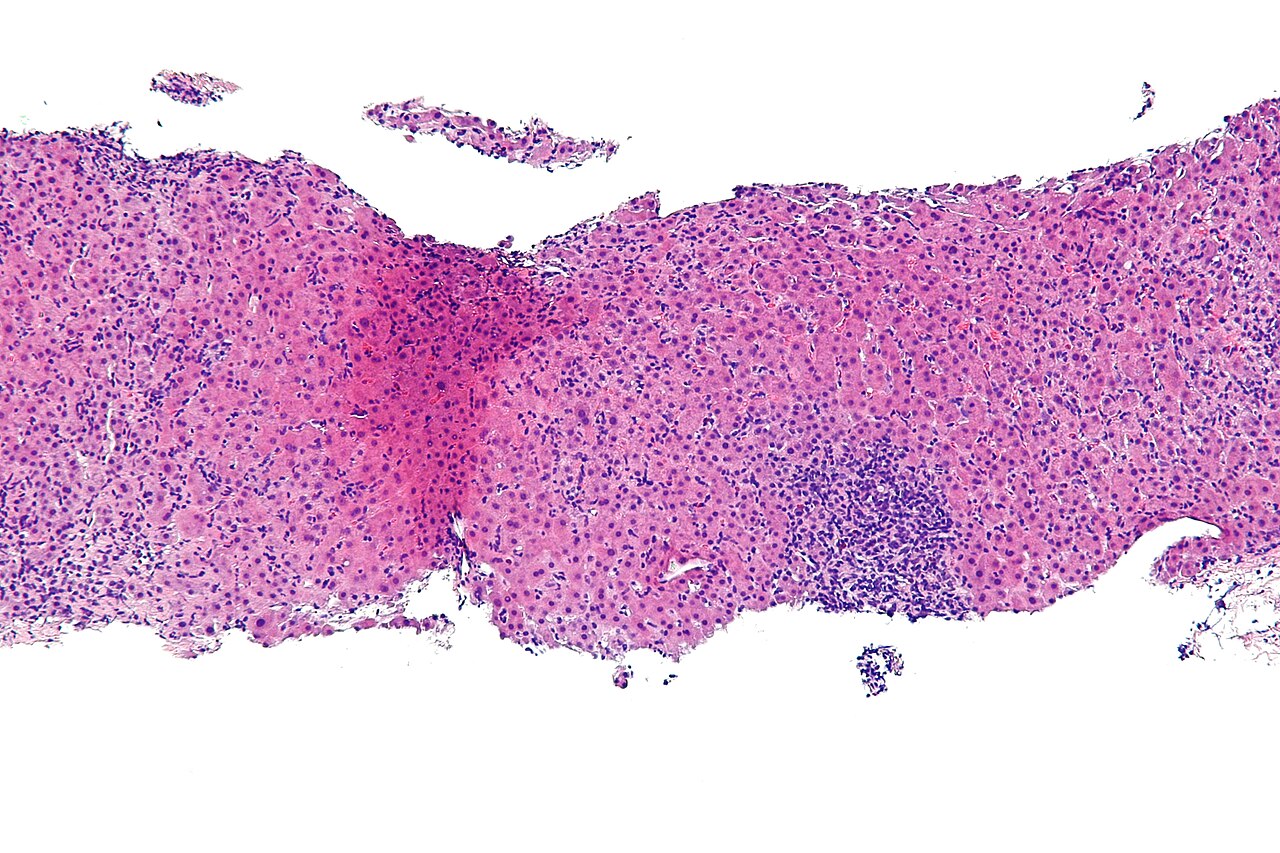
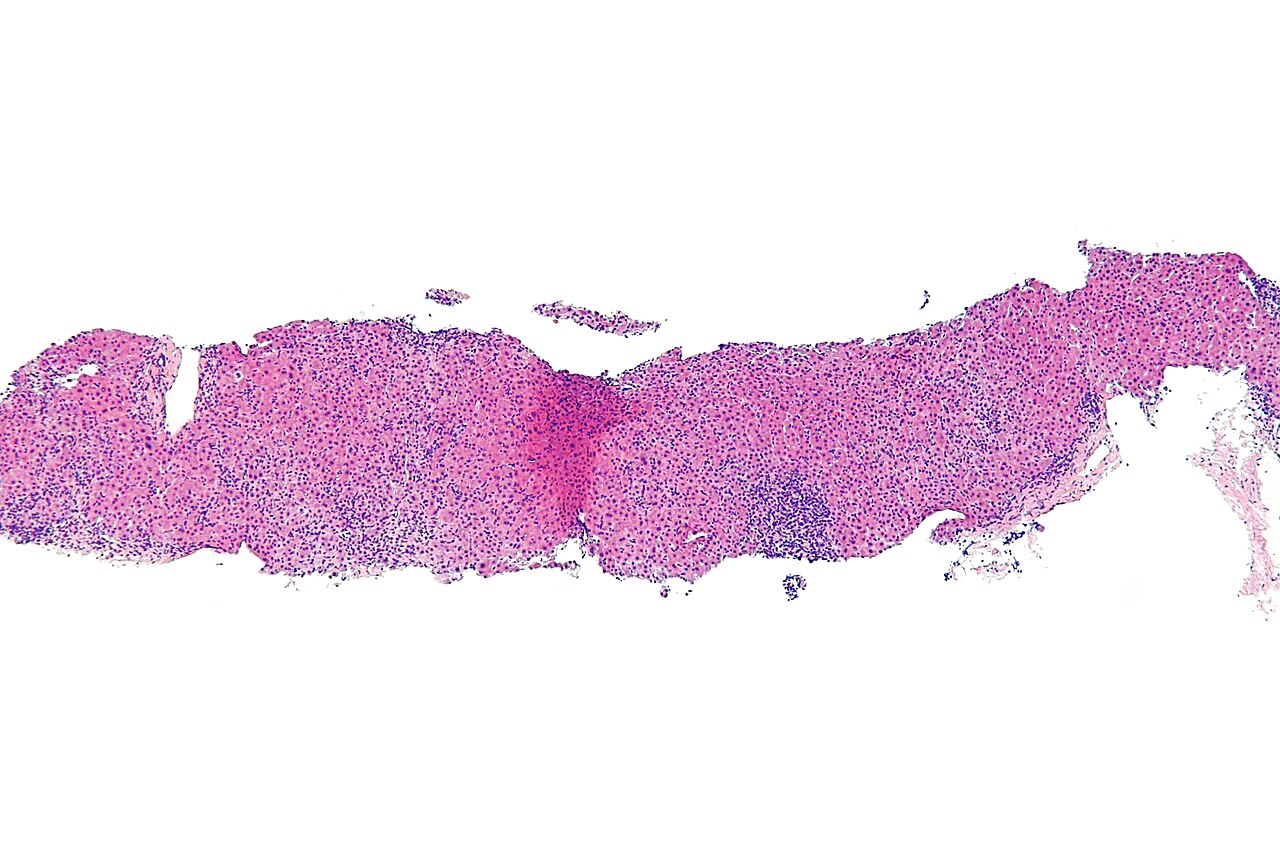
Confirming autoimmune hepatitis demands a layered diagnostic approach that weaves together clinical observation, bloodwork, and tissue examination, all while systematically ruling out viral, metabolic, hereditary, cholestatic, and drug-induced liver diseases. A percutaneous needle liver biopsy is typically required to obtain tissue for histological review. Under the microscope, pathologists look for a constellation of findings: mononuclear cells breaching the portal triad boundary and invading the surrounding lobule, interface hepatitis that characteristically spares the biliary tree, plasma cell infiltration, hepatocyte rosettes, multinucleated giant cells, and varying degrees of fibrosis that, in advanced cases, bridges portal and central zones to distort the lobular architecture and produce cirrhosis. In the laboratory, a panel of autoantibodies—antinuclear antibody, anti-smooth muscle antibody, anti-liver kidney microsomal antibodies, anti-soluble liver antigen, and others—along with elevated immunoglobulin G levels, helps narrow the picture. The disease is further divided into three subtypes based on antibody profiles: Type 1 (ANA and ASMA positive), Type 2 (LKM-1 and SLC-1 positive), and an autoantibody-negative form that nonetheless responds to standard immunosuppressive therapy. A simplified scoring system incorporating antibody titers, IgG levels, histology, and exclusion of viral hepatitis guides clinical diagnosis.
Who It Touches and What It Overlaps
Autoimmune hepatitis shows a pronounced demographic pattern: it strikes women far more often than men and clusters in two distinct age windows—late teens through early twenties, and the forty-to-fifty bracket. This bimodal distribution aligns with the genetic associations noted earlier, where HLA-DR3 tends to accompany the younger, more severe onset and HLA-DR4 the later one. The condition rarely travels alone. It frequently overlaps with other autoimmune disorders, most notably type 1 diabetes mellitus, ulcerative colitis, systemic lupus erythematosus, celiac disease, vasculitis, and autoimmune thyroiditis. This clustering of immune-mediated diseases in a single patient reinforces the idea that a shared underlying dysregulation of immune tolerance may be at work. The long-term trajectory, if left unchecked, follows a predictable path from chronic hepatocyte inflammation through progressive fibrosis to cirrhosis, with the potential for acute decompensation or fulminant hepatic failure. The former names of the condition—lupoid hepatitis, plasma cell hepatitis, autoimmune chronic active hepatitis—reflect decades of evolving understanding as clinicians recognized that what was once thought to be a single entity was in fact a spectrum of immune-mediated liver injury with distinct antibody signatures and variable severity.
Gallery
Frequently Asked Questions
Who is Autoimmune hepatitis?
Autoimmune hepatitis is a chronic liver condition in which the body's own immune system mistakenly targets and inflames hepatocytes. It most frequently shows up in women during their late teens, early twenties, or again around ages forty to fifty.
What are Autoimmune hepatitis's powers/role?
Its signature ability is mounting a sustained immune assault on liver cells, which drives persistent hepatic inflammation and can be caught through abnormal liver function tests. It has historically gone by several aliases, including lupoid hepatitis and plasma cell hepatitis.
Why is Autoimmune hepatitis important?
It sits at the intersection of hepatology and autoimmune disease, serving as a key example of how a dysregulated immune system can turn a vital organ into a target. Its dual-peak age distribution and strong female predominance make it a distinctive entry in the autoimmune-disease roster.
What are Autoimmune hepatitis's signature moves?
Its telltale markers include a panel of autoantibodies—ANA, anti-smooth muscle antibody, anti-liver kidney microsomal antibodies, and anti-soluble liver antigen—that help identify it in the field. Clinically, it often presents with nonspecific complaints such as weight loss, nausea, and generalized fatigue before liver enzymes flag the issue.
More in Steroid-responsive inflammatory conditions 1-24
Spotted an error? Know more?
Reader corrections go straight into our review queue. Suggest an edit · How this site is sourced