
Hotel Giant
Build and manage a hotel in this business simulation game.

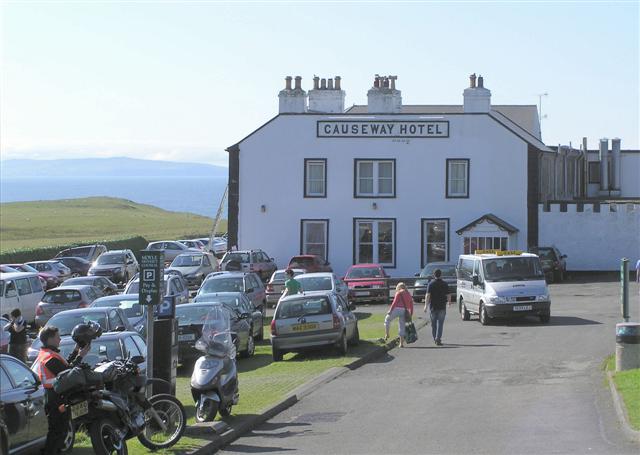
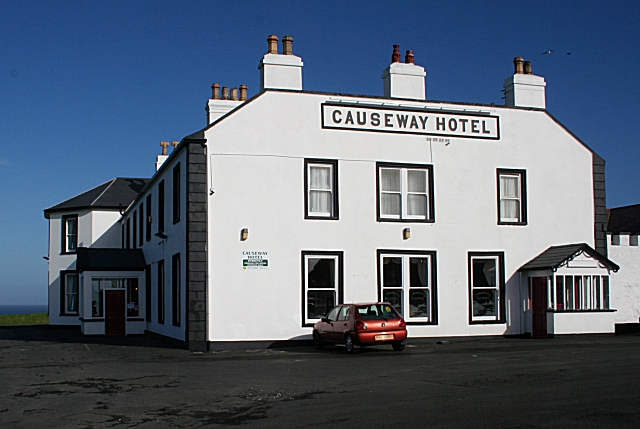
Jennifer Petrie · CC BY-SA 2.0
Hotel Giant, known in North America as Maximum Capacity: Hotel Giant, is a business simulation game developed by Enlight Software and published by JoWooD Productions for Windows. The game involves developing and managing a hotel, starting with a pre-made building to which the player adds rooms, places objects, and sets up details such as advertising before opening the hotel to the public. It is similar to the "Tycoon" style of game, in which the player creates a system or establishment and then runs it.
Quick Facts
- Title
- Hotel Giant
- Developer
- Enlight Software
- Publisher
- JoWooD Productions
- Designer
- Trevor Chan
- Released
- NA · 17 May 2002 · EU · 2002
- Genre
- Business simulation game
- Modes
- Single-player, multiplayer
- Platforms
- Windows
Facts from the source article.
Lore & Background
Hotel Giant was released on 14 May 2002. The game's core gameplay involves developing and managing a hotel: the player starts with a pre-made building, adds rooms, places useful and decorative objects, and sets up hotel details such as advertising. Once these preparations are complete, the player opens the hotel to the public and runs it as a real business. The game is noted for being similar to the "Tycoon" style of games like Railroad Tycoon, RollerCoaster Tycoon, and Zoo Tycoon.
A sequel, Hotel Giant 2, was released in the UK on 21 November 2008, offering improved graphics, more features, and a new campaign. A third version, Hotel Giant DS, also exists. The game received a "Gold" sales award from the Entertainment and Leisure Software Publishers Association (ELSPA), indicating sales of at least 200,000 copies in the United Kingdom.
Reader's Guide
Hotel Giant occupies a modest place in the business simulation genre, following the established "Tycoon" formula of building and managing a system. Its significance lies in its specific focus on hotel management, a niche within the broader simulation category. The game's reception was fairly poor, with a Metacritic average of 54%. D+PAD noted that any pros were "outweighed by some of the cons, most notably the repetitive and non-engaging nature of the gameplay." IT Reviews commented that the game "wasn't much fun" and suggested there would be "more amusement with an old, second hand copy of Sim Tower." Despite this critical reception, the game achieved notable commercial success in the United Kingdom, earning a Gold sales award from ELSPA for selling at least 200,000 copies. The sequel, Hotel Giant 2, attempted to address shortcomings with improved graphics, more features, and a new campaign, but the original game's legacy is defined by its commercial performance contrasting with its critical disappointment. The game remains an example of a niche simulation title that found a market audience despite lukewarm reviews.
Origins & Naming Identity
Hotel Giant is a business simulation title that first arrived on the Windows platform on 14 May 2002. The game was crafted by the development studio Enlight Software and brought to market through the publishing arm of JoWooD Productions. While most of the world knows the title simply as Hotel Giant—rendered in simplified Chinese as 模拟饭店, in traditional Chinese as 模擬飯店, and romanized in pinyin as Mó Nǐ Fàn Diàn—players in North America encountered it under a distinctly different banner: Maximum Capacity: Hotel Giant. This dual naming reflects the regional branding strategies common to European publishers of that era, where a title's identity could shift depending on the marketplace. The game occupies a specific niche in the simulation genre, placing the player squarely in the role of a hotel operator rather than a construction worker or architect. Its 2002 release positioned it squarely in the early-2000s wave of management-focused PC games that sought to translate the complexity of running a real-world enterprise into an accessible digital experience.
Gameplay & Design Philosophy
At its core, Hotel Giant asks the player to build and operate a functioning hotel, though the experience begins with a pre-existing structure already in place rather than an empty lot. From that starting point, the player layers in additional rooms, populates them with both functional furnishings and purely decorative items, and configures broader operational details such as advertising campaigns. Once the property feels ready, the doors open to a simulated public, and the game shifts into a continuous management loop that mirrors the day-to-day pressures of running a genuine hospitality business. The design philosophy aligns closely with the well-known Tycoon lineage of titles—Railroad Tycoon, RollerCoaster Tycoon, Zoo Tycoon—where the fundamental loop is to construct a system or establishment and then sustain it through economic and logistical challenges. Hotel Giant slots into that tradition, offering a hotel-specific lens on the same create-then-manage cycle that made the Tycoon formula so enduring in the mid-2000s PC gaming landscape.
Reception & Critical Response
The critical and commercial reception of Hotel Giant presents a notably split picture. On the sales front, the title earned a Gold award from the Entertainment and Leisure Software Publishers Association, a recognition that signified at least 200,000 copies had been sold within the United Kingdom alone—a respectable threshold for a mid-budget simulation title in 2002. Yet the critical consensus told a different story. The game settled at a 54 percent average on Metacritic, a score that places it firmly in the mixed-to-negative territory. Reviewer D+PAD acknowledged the game's strengths but concluded that those positives were ultimately overshadowed by its weaknesses, singling out the repetitive and unengaging quality of the core gameplay loop. IT Reviews was even more blunt, stating the game simply was not much fun and suggesting that an old, second-hand copy of Sim Tower would deliver a more entertaining experience. The contrast between solid regional sales and lukewarm critical enthusiasm suggests the game found a dedicated niche audience even as it failed to impress the broader reviewing press.
Legacy & Franchise Continuation
Hotel Giant did not remain a one-off entry. Over the years, the franchise expanded to encompass three distinct versions, each targeting a different audience or platform. The most significant follow-up was Hotel Giant 2, which reached the United Kingdom market on 21 November 2008—nearly six years after the original. This sequel brought visibly improved graphics, an expanded feature set, and an entirely new campaign mode, signaling that the developers sought to address some of the depth and engagement concerns that had surfaced in reviews of the first game. A third entry, Hotel Giant DS, extended the series into the handheld space, adapting the hotel-management formula for a portable console audience. The existence of these follow-ups indicates that the core concept—building, furnishing, and operating a virtual hotel—retained enough commercial viability to justify further investment. For fans of the Tycoon-style management genre, the Hotel Giant trilogy represents a smaller but persistent thread in the broader tapestry of business simulation games, offering a hospitality-focused alternative to the more common zoo, rollercoaster, or railroad management experiences.
Gallery

Frequently Asked Questions
What is Hotel Giant?
Hotel Giant is a Windows business simulation game in which you take over a pre-existing hotel structure and gradually expand it by adding rooms, furnishing spaces, and marketing to prospective guests. The title sits in the same 'tycoon' genre where you build out a system and then operate it day to day.
What is Maximum Capacity: Hotel Giant?
Maximum Capacity: Hotel Giant is simply the North American release title for the same game sold under the shorter name in other regions. It was published by JoWooD Productions and shipped on 14 May 2002 for PC.
How does gameplay work in Hotel Giant?
You start with a ready-made building and then customize it by placing new rooms, choosing décor objects, and setting up advertising campaigns before opening the doors to the public. Once the hotel is live, you manage daily operations and try to keep occupancy and guest satisfaction high.
Who developed and published Hotel Giant?
The game was created by Enlight Software and brought to market by JoWooD Productions. It was a Windows-only title and never appeared on consoles or other platforms.
How was Hotel Giant received by critics?
Hotel Giant earned a Metacritic score of 54 percent, landing it in the mixed-to-average range. Reviewers generally acknowledged the familiar tycoon-style loop but felt the depth and variety did not quite match the genre's stronger entries.
More in Simulation Games 1-20
Spotted an error? Know more?
Reader corrections go straight into our review queue. Suggest an edit · How this site is sourced