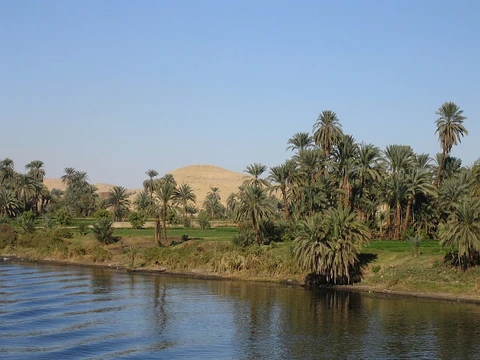
Yangtze
Longest river in China, third-longest in the world.

The Yangtze River, also known as the Yangzi River or Chang Jiang, is the longest river in China and the third-longest in the world. It originates at Jari Hill within the Tanggula Mountains on the Tibetan Plateau and travels approximately 6,236 kilometers eastward to the East China Sea. When including its longest source, the Dam Qu River, the river’s full course is measured. By discharge volume, it ranks as the fifth-largest primary river globally. Its drainage basin covers one-fifth of China’s land area and is home to nearly one-third of the country’s population. For millennia, the Yangtze has been central to Chinese civilization, serving purposes such as water supply, irrigation, sanitation, transportation, industry, boundary demarcation, and warfare. The Yangtze Delta alone generates up to 20% of China’s GDP, while the Three Gorges Dam, situated on the river, is the world’s largest hydroelectric power station. In mid-2014, the Chinese government announced plans for a multi-tier transport network—including railways, roads, and airports—to foster a new economic corridor along the river. Ecologically, the Yangtze flows through diverse ecosystems and supports endemic and threatened species, including the Chinese alligator and the narrow-ridged finless porpoise. It was once home to the now-extinct Yangtze river dolphin (baiji) and Chinese paddlefish, as well as the Yangtze sturgeon, which is extinct in the wild. In recent years, the river has faced challenges from industrial and plastic pollution, agricultural runoff, siltation, and the loss of wetlands and lakes, which worsen seasonal flooding. Some sections are now protected as nature reserves, and a stretch of the upper Yangtze in western Yunnan, flowing through deep gorges, is part of the UNESCO World Heritage-listed Three Parallel Rivers of Yunnan Protected Areas.
- Source
- Jari Hill, Tanggula Mountains, Tibetan Plateau
- Mouth
- East China Sea
- Discharge rank
- Fifth-largest primary river by discharge volume in the world
- Drainage basin
- One-fifth of China's land area
- Population in basin
- Nearly one-third of China's population
- Major dam
- Three Gorges Dam, the largest hydro-electric power station in the world
Lore & Background
The Yangtze River, known in Chinese as Chang Jiang or "Long River," is the longest river in China and the third-longest in the world. It originates at Jari Hill in the Tanggula Mountains on the Tibetan Plateau and flows generally eastward for its entire length, including the Dam Qu River as its longest source, before emptying into the East China Sea. By discharge volume, it ranks as the fifth-largest primary river globally. Its drainage basin covers one-fifth of China’s land area and is home to nearly one-third of the country’s population. The river has been integral to Chinese history, culture, and economy for millennia, serving purposes such as water supply, irrigation, sanitation, transportation, industry, boundary demarcation, and warfare. The Yangtze Delta alone contributes up to 20% of China’s GDP, and the Three Gorges Dam on the river is the world’s largest hydroelectric power station. Ecologically, the river supports diverse ecosystems and hosts endemic and threatened species, including the Chinese alligator and the narrow-ridged finless porpoise. It was also the former habitat of the now-extinct Yangtze river dolphin and Chinese paddlefish, as well as the Yangtze sturgeon, which is extinct in the wild. In recent years, the river has faced significant environmental challenges from industrial and plastic pollution, agricultural runoff, siltation, and the loss of wetlands and lakes, which worsen seasonal flooding. Some sections are now protected as nature reserves, and a stretch of the upper Yangtze in western Yunnan, flowing through deep gorges, is part of the UNESCO-listed Three Parallel Rivers of Yunnan Protected Areas.
Reader's Guide
The Yangtze River is central to China's geography, history, and economy. Its drainage basin covers one-fifth of China's land area and is home to nearly one-third of the country's population. The river has been a vital resource for millennia, supporting agriculture, transportation, and industry. The Three Gorges Dam, the world's largest hydro-electric power station, harnesses its flow. However, the river has suffered from industrial pollution, plastic pollution, agricultural runoff, siltation, and loss of wetland and lakes, exacerbating seasonal flooding. Some sections are now protected as nature reserves, and a stretch in western Yunnan is part of the Three Parallel Rivers of Yunnan Protected Areas, a UNESCO World Heritage Site. The river's name in Chinese, Chang Jiang, means 'long river,' while the English name Yangtze derives from the local name for the lower river near Yangzhou.
Did You Know?
- The Yangtze River is the third-longest river in the world, after the Nile and the Amazon.
- The Three Gorges Dam on the Yangtze is the largest hydro-electric power station in the world.
- The Yangtze was home to the now extinct Yangtze river dolphin (baiji) and Chinese paddlefish.
- The name 'Yangtze' comes from the local name for the lower river near Yangzhou.
Frequently Asked Questions
What is the Yangtze River?
The Yangtze (also called the Yangzi or Chang Jiang) is China's longest river and the third-longest on the planet. It begins at Jari Hill in the Tanggula Mountains on the Tibetan Plateau and flows all the way to the East China Sea.
How big is the Yangtze's drainage basin?
The basin covers roughly one-fifth of China's total land area. Nearly one-third of the country's entire population lives within that watershed, making it one of the most densely inhabited river systems on Earth.
What is the Three Gorges Dam?
The Three Gorges Dam is the largest hydro-electric power station in the world, built on the Yangtze. It is the river's most prominent major dam.
Why is the Yangtze important?
Beyond its length, the Yangtze ranks as the fifth-largest primary river by discharge volume worldwide. Its basin supports a massive share of China's population and serves as a critical economic and ecological corridor.
Where does the Yangtze start and end?
The river's source is Jari Hill in the Tanggula Mountains on the Tibetan Plateau. It travels across China before emptying into the East China Sea.
More in Rivers Of The World 1-20
Spotted an error? Know more?
This is a living reference — every entry is fact-audited, and reader corrections feed straight into our audit queue. Suggest an edit · See this site's audit record