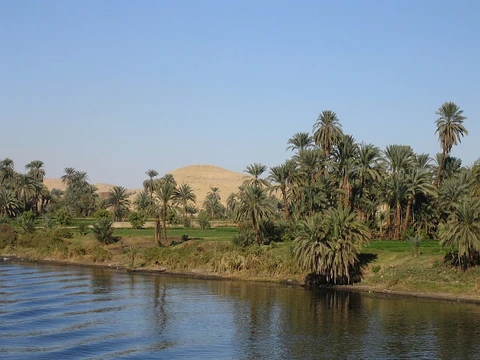
Magdalena River
Main river of Colombia, flowing northward through the western half.

via Wikipedia: Magdalena River · see source
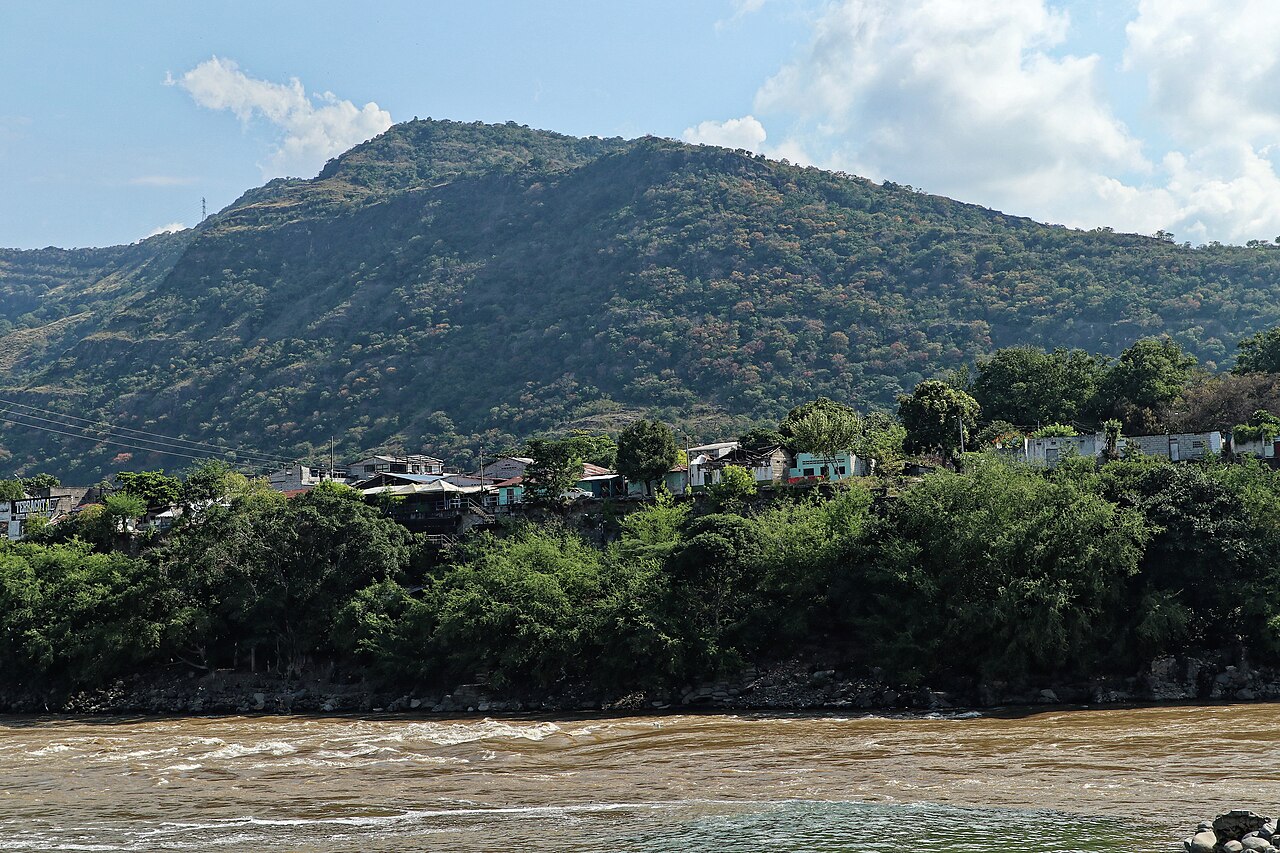
The Magdalena River, also known in Spanish as Río Magdalena, is Colombia’s principal waterway. It flows north for roughly 1,528 kilometers (949 miles) through the western part of the country, taking its name from the biblical Mary Magdalene. Despite shifting sandbars at its delta mouth, much of its lower course is navigable, reaching as far inland as Honda, where rapids begin. The river runs through the Magdalena River Valley, and its drainage basin spans 273,000 square kilometers (105,000 square miles)—about 24% of Colombia’s land area—where 66% of the population lives.
**Course** As the largest river system in the northern Andes, the Magdalena begins in southern Colombia, in the Huila Department, where the Cordillera Central and Cordillera Oriental mountain ranges split. It flows east, then north through a broad valley between these two ranges. Reaching the coastal plain near nine degrees north latitude, it turns west for about 100 kilometers (62 miles), then heads north again to empty into the Caribbean Sea at Barranquilla, in an area called Bocas de Ceniza. The valley itself formed from tectonic depressions filled with sediment from the Central Andes during the Tertiary period. It is divided into the Upper, Middle, and Lower Magdalena Valleys, and is a key region for oil exploration in Colombia.
**Flora and Fauna**
*Fish* The Magdalena basin, including the Cauca River and other tributaries, is rich in fish. By 2008, 213 species were known, with new ones described since—such as five *Hemibrycon* species in 2013, two *Ancistrus* in 2013, and a *Farlowella* in 2014. Notable species include *Kronoheros umbriferus*, *Ctenolucius hujeta*, *Geophagus steindachneri*, *Ichthyoelephas longirostris*, *Panaque cochliodon*, *Pimelodus blochii*, *Potamotrygon magdalenae*, *Prochilodus magdalenae*, *Pseudoplatystoma magdaleniatum*, and *Salminus affinis*. About 55% of the basin’s fish are endemic, including four endemic genera: the catfish *Centrochir* and *Eremophilus*, and the characids *Carlastyanax* (often grouped with *Astyanax*) and *Genycharax*. The fish fauna shows links to neighboring basins like the Atrato and Maracaibo, and to a lesser extent the Amazon–Orinoco. Colombia’s most productive fishing grounds are here, but annual harvests dropped roughly 90% between 1975 and 2008. Threats include pollution from human waste, mining, farming, and deforestation-caused siltation, as well as habitat loss from dams. New dams—such as El Quimbo (opened in 2015) and Ituango (expected in 2018)—have sparked controversy. Heavy metals have been found in some commercially important fish. As of 2002, 19 fish species in the basin were considered threatened.
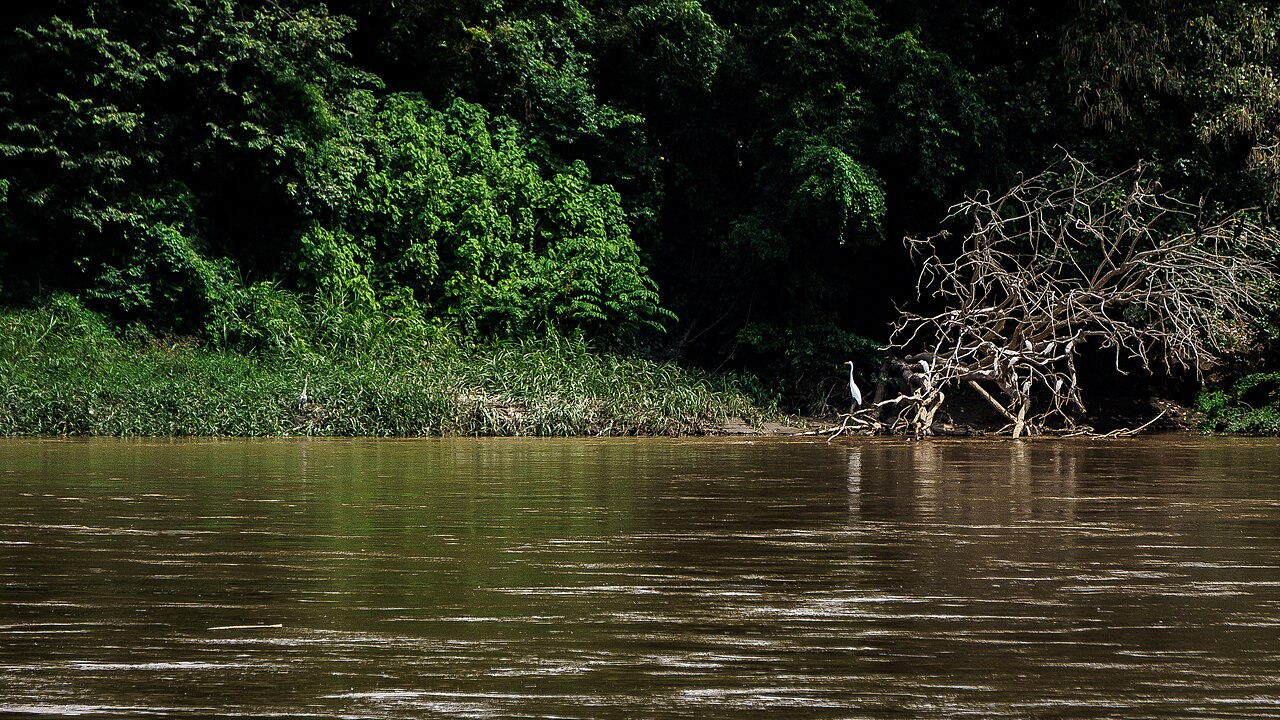
*Other Animals* The river and its valley cross diverse ecosystems: páramo at the headwaters, dry forest in the upper valley, rainforest in the middle course, and swamps and wetlands downstream. The spectacled caiman, green iguana, and brown pelican are common, but other species face extinction, including the West Indian manatee, Magdalena tinamou, Todd’s parakeet, American crocodile, Colombian slider, Magdalena River turtle, Dahl’s toad-headed turtle, and red-footed tortoise. Invasive hippopotamuses—originally brought by Pablo Escobar and now feral after his death—pose a risk, having spread from Hacienda Napoles into nearby parts of the river. The valley is also home to the Magdalena Valley ringlet butterfly (*Splendeuptychia ackeryi*), first identified in 2009. Endangered mammals and birds here include the brown spider monkey, the endemic blue-billed curassow, and the white-mantled barbet, threatened mainly by habitat loss.
*Flora* The first recorded European contact with the potato occurred in 1537 in the Magdalena Valley. Spanish invaders became familiar with the crop, and it was likely around 1570 that a Spanish ship first brought potatoes to Europe.
**History** Long before Europeans arrived, the Magdalena River served as a route into the interior of what is now Colombia and Ecuador. Carib-speaking peoples like the Panche and Yariguí traveled its western bank, while the Muisca civilization—who called the river Yuma—inhabited the eastern side. Spanish conquistadors, after Rodrigo de Bastidas discovered and named the river on April 1, 1501, used it to push inland. During Spanish colonization, it was the only transport link connecting Bogotá to the Caribbean port of Cartagena de Indias and thus to Europe. The Magdalena Campaign, led by Pierre Labatut and Simón Bolívar, took place along the river. In 1825, Colombia’s Congress granted Juan Bernardo Elbers a concession for steam navigation, but his company soon failed. By 1845, steamboats regularly traveled the river until the last ones stopped in 1961. More recently, Yuvelis Morales Blanco won the Goldman Prize for her activism against fracking in the Magdalena River, which Ecopetrol was pursuing.
- length
- 1,528 km (949 mi)
Verified Timeline
Lore & Background
The Magdalena River is the largest river system of the northern Andes, with a length of 1,528 km. Its headwaters are in the south of Colombia, where the Andean subranges Cordillera Central and Cordillera Oriental separate, in Huila Department. The river runs east then north in a great valley between the two cordilleras. It reaches the coastal plain at about nine degrees north, then runs west for about 100 km (62 mi), then north again, reaching the Caribbean Sea at the city of Barranquilla in the zone known as Bocas de Ceniza. The Magdalena River Valley was formed after a series of tectonic formed depressions that filled up with continental sediment in the Tertiary period. These sediments came from the Central Ranges of the Colombian Andes. The Magdalena Valley, subdivided into the Upper (VSM), Middle (VMM) and Lower Magdalena Valleys (VIM), is an important area for oil exploration in Colombia. The Magdalena River basin, which includes the Cauca River and other tributaries, are very rich in fish. As of 2008, 213 fish species were known from the basin. Since then several new species have been described from the basin such as five Hemibrycon in 2013, two Ancistrus in 2013 and a Farlowella in 2014. Among the more famous species in the basin are Kronoheros umbriferus, Ctenolucius hujeta, Geophagus steindachneri, Ichthyoelephas longirostris, Panaque cochliodon, Pimelodus blochii, Potamotrygon magdalenae, Prochilodus magdalenae, Pseudoplatystoma magdaleniatum and Salminus affinis. About 55% of the fish species in the basin are endemic, including four endemic genera: The catfish Centrochir and Eremophilus, and the characids Carlastyanax (often included in Astyanax) and Genycharax. The most productive fishing areas in Colombia are in the basin, but there has been a drastic decrease in the annual harvest with a fall of about 90% between 1975 and 2008. The primary threats are pollution (such as human waste, mining, farming and deforestation causing siltation) and habitat loss (such a dams). Additional dams are being constructed, including El Quimbo (opened in 2015) and Ituango (expected operational in 2018), which has caused some controversy. As a result of the pollution, heavy metals have also been detected in some commercially important fish in the river. As of 2002, 19 fish species in the river basin were recognized as threatened. The Magdalena River and its valley crosses a wide variety of ecosystems, like páramo in its headwaters, dry forest in the upper part of its valley, rainforest in its middle course, and swamps and wetlands in its lower course. The spectacled caiman, green iguana and brown pelican are abundant in these ecosystems but other animal species like the West Indian manatee, Magdalena tinamou, Todd's parakeet, American crocodile, Colombian slider, Magdalena River turtle, Dahl's toad-headed turtle and red-footed tortoise are in danger of extinction. In addition, there is a possible risk posed by invasive hippopotamus. Originally imported by Pablo Escobar, these hippopotamuses became feral following his demise, and have since expanded beyond their original home on Hacienda Napoles into nearby regions of the Magdalena River. The Magdalena River Valley is home to a species of butterfly, Magdalena Valley ringlet or Splendeuptychia ackeryi, first identified in 2009. There are many endangered mammals and birds found in the region, including the brown spider monkey and the endemic blue-billed curassow and white-mantled barbet. These species are threatened by habitat loss, among other factors. The first recorded European contact with the potato was in 1537 in the Magdalena Valley. The Spanish invaders became familiar with the crop and it was probably around 1570 when a Spanish ship first introduced potatoes to Europe.
Reader's Guide
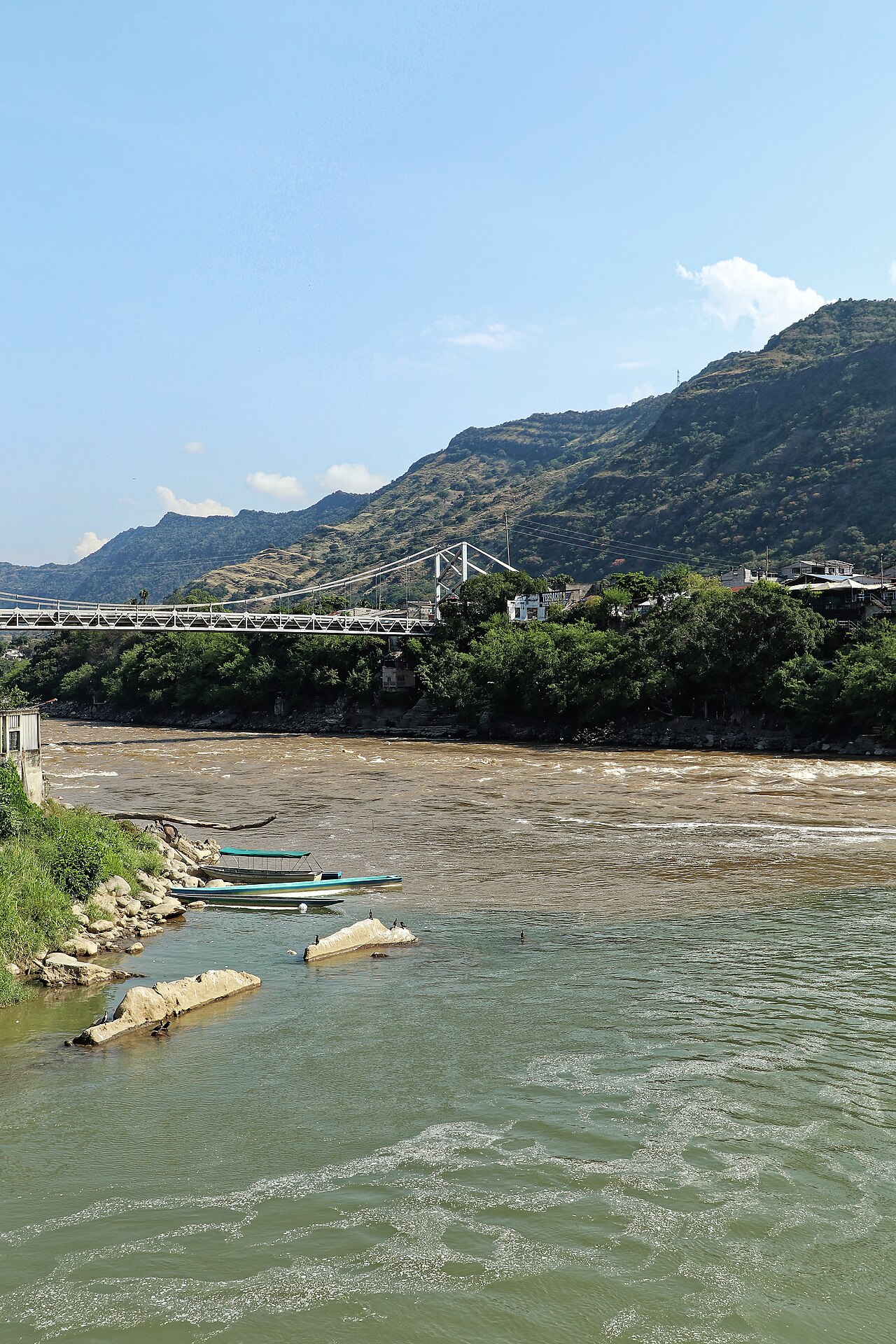
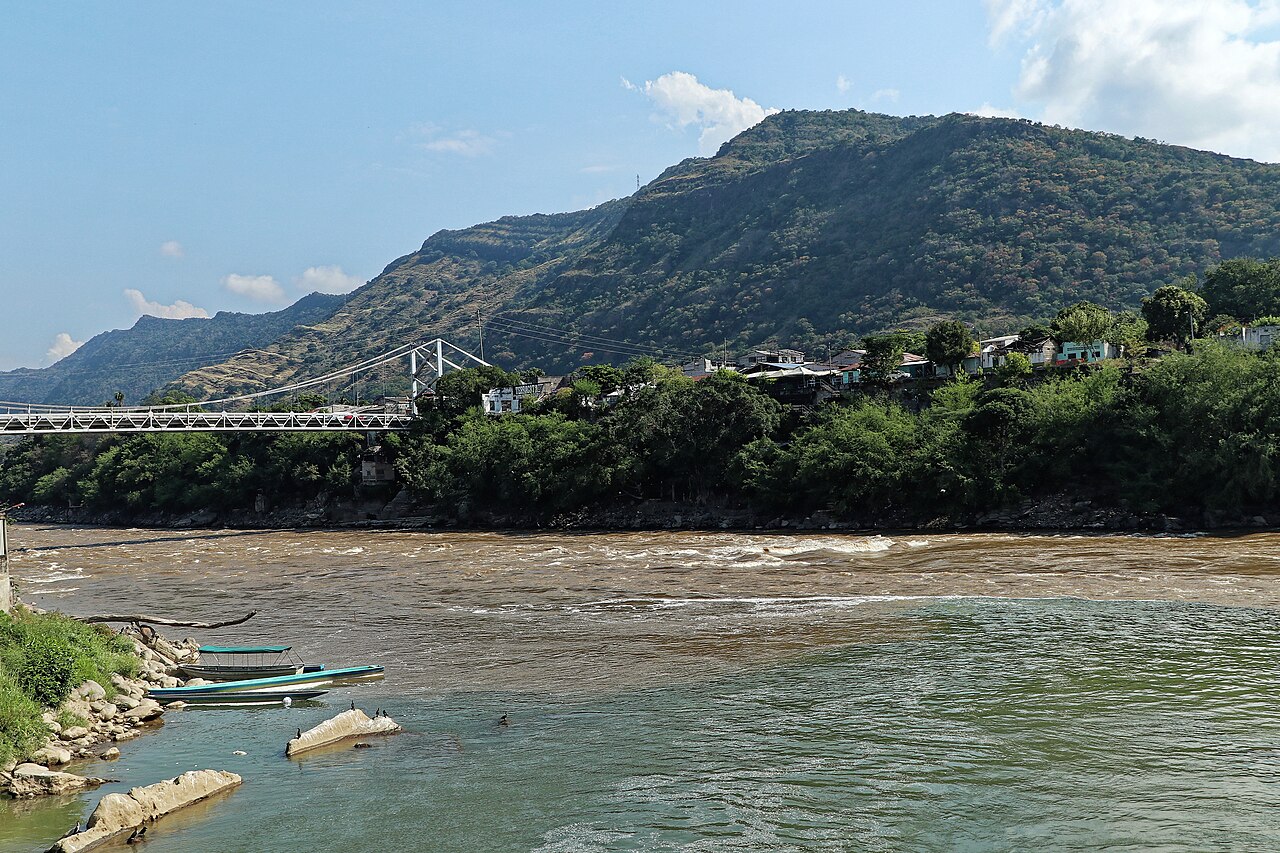
Due to its geographical position in the north of South America, the Magdalena River was since precolumbian times a route towards the interior of present-day Colombia and Ecuador. Several Carib-speaking peoples such as the Panche and the Yariguí ascended through the western bank of the river, while its eastern portion was inhabited by the Muisca civilization, which called the river Yuma. Likewise, the Spanish conquistadores who arrived to today's Colombia early in the 16th century used the river to push to the wild and mountainous inland after Rodrigo de Bastidas discovered and named the river on April 1, 1501. During the Spanish colonization of the Americas, the river was the only transport link communicating Bogotá with the Caribbean Sea port Cartagena de Indias and thus with Europe. The Magdalena Campaign of Pierre Labatut and Simón Bolívar took place along the Magdalena River. In 1825, the Congress of Colombia awarded a concession to establish steam navigation in the Magdalena River to Juan Bernardo Elbers, but his company closed shortly after. By 1845, steamboats regularly travelled on the river until 1961, when the last steamers ceased operation. Yuvelis Morales Blanco earned the Goldman Prize for her activism against fracking in the Magdalena River, which Ecopetrol was seeking to do. Overnight river cruising returned to the Magdalena River in 2025, marking the first regular passenger cruises since the early 1970s. AmaWaterways, in partnership with Metropolitan Touring, launched seven-night itineraries between Barranquilla and Cartagena with calls at towns such as Mompox, Magangué and Calamar. The company's first ship, AmaMagdalena, began service in April 2025, followed by sister ship AmaMelodia later that year. Multiple operators are planning to launch Magdalena River cruises in 2026 and 2027. Colombia's national tourism site highlights Magdalena River cruise experiences as part of the country's growing river tourism offerings. Much of the film Love in the Time of Cholera takes place in the historic, walled city of Cartagena in Colombia. Some screenshots showed the Magdalena River and the Sierra Nevada de Santa Marta mountain range. The General in His Labyrinth, by Gabriel García Márquez, is a fictionalized account of the final voyage of Simón Bolívar down the Magdalena River, where he revisits many cities and villages along the river. In Magdalena: River of Dreams (Knopf, 2020), Canadian writer, anthropologist, and explorer Wade Davis travels the length of the river by boat, on foot, by car, and on horseback combining descriptions of nature with episodes from Colombian history.
Did You Know?
- The Magdalena River takes its name from the biblical figure Mary Magdalene.
- Rodrigo de Bastidas discovered and named the river on April 1, 1501.
- The first recorded European contact with the potato was in 1537 in the Magdalena Valley.
- About 55% of the fish species in the Magdalena River basin are endemic.
- Overnight river cruising returned to the Magdalena River in 2025, the first regular passenger cruises since the early 1970s.
Gallery
Frequently Asked Questions
What is the Magdalena River?
It is Colombia's principal river, running northward across the western portion of the country for roughly 1,540 to 1,550 kilometers.
Where does the Magdalena River flow and how far is it navigable?
The river travels northward through the western half of Colombia, and its lower stretch remains navigable up to the town of Honda, where rapids begin.
What is the Magdalena River named after?
The river takes its name from Mary Magdalene, the biblical figure referenced in Spanish as "Magdalena."
How large is the Magdalena River's drainage basin?
Its basin spans approximately 273,000 square kilometers, accounting for roughly 24% of Colombia's total land area and supporting a large share of the nation's population.
How long is the Magdalena River?
The river stretches about 1,540 to 1,550 kilometers (roughly 957 to 963 miles) from its source to its mouth.
More in Rivers Of The World 1-20
Spotted an error? Know more?
This is a living reference — every entry is fact-audited, and reader corrections feed straight into our audit queue. Suggest an edit · See this site's audit record