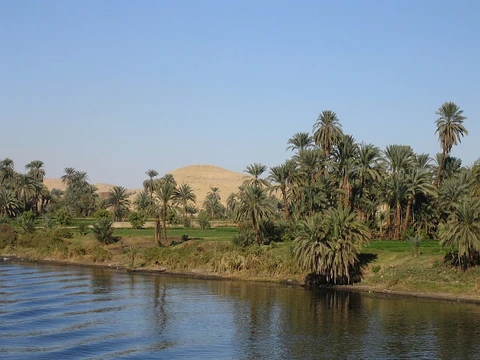
Orinoco
Major South American river with vast basin and rich biodiversity.

The Orinoco River, one of South America’s longest waterways, flows in a broad arc around the Guiana Shield before emptying into the Atlantic Ocean through a vast, swampy delta. Its drainage basin, known as the Orinoquia, covers a large area, with the majority lying in Venezuela and the remainder in Colombia. The river carries the third-largest discharge volume of any river in the world, a result of heavy rainfall across its catchment. The Orinoco and its many tributaries serve as the primary transportation network for eastern and interior Venezuela as well as the Colombian Llanos plains. The Guaviare River is the largest tributary, and the basin supports an exceptionally diverse array of environments and wildlife. The river’s name comes from the Warao language, meaning “a place to paddle.” Christopher Columbus recorded the river’s mouth in 1498. German expeditions explored its tributaries in the 1500s, and later Spanish and English explorers, including Diego de Ordaz and Sir Walter Raleigh, navigated its waters. In 1800, Alexander von Humboldt and Aimé Bonpland studied the river, documenting pink river dolphins and the region’s flora and fauna. The river’s source, high in the Sierra Parima near the Brazilian border, was identified in 1951. The first bridge across the Orinoco, the Angostura Bridge at Ciudad Bolívar, opened in 1967. The river’s course is divided into four stretches: the mountainous Upper Orinoco, the Middle Orinoco with its rapids and border sections, the Lower Orinoco with a broad alluvial plain, and the Delta Amacuro, a wide, swampy delta. During the rainy season, the river can swell dramatically in breadth and depth. Major tributaries include the Caroní, which meets the Orinoco near Puerto Ordaz and the Llovizna Falls.
- main_tributary
- Guaviare River
- countries
- Venezuela (65% of basin), Colombia (35% of basin)
Lore & Background
The Orinoco River, whose name comes from the Warao words for "paddle" and "place," meaning a navigable place, is one of South America's longest rivers. Its drainage basin, known as the Orinoquia, covers a vast area, with the majority in Venezuela and the remainder in Colombia. The river is the third largest in the world by water discharge, a result of heavy rainfall across its catchment. The Orinoco and its tributaries form the primary transportation network for eastern and interior Venezuela and the Colombian Llanos plains. The Guaviare River is its main tributary. The river's course forms a wide arc around the Guiana Shield and is divided into four stretches: the Upper Orinoco, flowing from mountainous headwaters; the Middle Orinoco, which includes a section along the Colombia–Venezuela border; the Lower Orinoco, with a developed alluvial plain; and the vast Delta Amacuro, which empties into the Atlantic Ocean through a swampy delta of hundreds of waterways. During the rainy season, the river can swell dramatically in breadth and depth. The environment and wildlife within the basin are extremely diverse. The river's mouth was documented by Christopher Columbus in 1498. German expeditions explored it in the 16th century, and Sir Walter Raleigh sailed down it in 1595. Alexander von Humboldt explored stretches of the river in 1800, reporting on pink river dolphins and later publishing on its flora and fauna. The source was discovered in 1951 by a French-Venezuelan expedition. The first bridge across the river, the Angostura Bridge, was completed in 1967.
Reader's Guide
The Orinoco River is significant as a major transportation artery and a source of economic activity, including iron ore mining near the delta and tar sands in the Orinoco oil belt. Its course is divided into four stretches: Upper, Middle, Lower, and the Delta Amacuro, which empties into the Gulf of Paria and the Atlantic Ocean. The river is navigable for most of its length, with ocean ships reaching Ciudad Bolívar. The Casiquiare canal forms a natural connection between the Orinoco and the Amazon River system. The basin hosts over 1,000 fish species, including the black spot piranha and cardinal tetra, and rare species like the Orinoco crocodile. The river's environment and wildlife are extremely diverse, and it supports recreational events such as the Internacional Rally Nuestros Rios son Navegables and the Paso a Nado Internacional de los Rios Orinoco–Caroní.
Did You Know?
- The Orinoco is the third largest river in the world by discharge volume of water.
- The Casiquiare canal is a distributary that connects the Orinoco to the Amazon River via the Rio Negro.
- More than 1,000 fish species have been recorded in the Orinoco basin, with about 15% endemic.
Frequently Asked Questions
What is Orinoco's role in the region?
The river and its network of tributaries serve as the primary waterway for moving goods and people across eastern Venezuela and Colombia's Llanos grasslands. It functions as the backbone of regional transport in areas where overland roads are sparse.
How large is Orinoco's territory?
Orinoco's drainage basin, known as the Orinoquia, spans approximately one million square kilometers, making it one of the most expansive river systems on the planet. Venezuela holds about 65% of this basin while Colombia accounts for the remaining 35%.
What is Orinoco's main tributary?
The Guaviare River is Orinoco's principal tributary, feeding a significant share of the water that eventually reaches the river's delta. Together, the two waterways form a critical corridor through the interior of South America.
More in Rivers Of The World 1-20
Spotted an error? Know more?
This is a living reference — every entry is fact-audited, and reader corrections feed straight into our audit queue. Suggest an edit · See this site's audit record