Hussite Wars

Benutzer:Donaulustig · Public domain
The Hussite Wars, also known as the Bohemian Wars or the Hussite Revolution, were a series of civil conflicts that took place from 1419 to roughly 1434. They involved the Hussites fighting against the combined Catholic forces of Holy Roman Emperor Sigismund, the Papacy, and various European monarchs loyal to the Roman Catholic Church, as well as clashes between different Hussite groups. Late in the war, in 1432, the moderate Utraquists switched sides to fight alongside Catholics against the radical Taborites and other Hussite factions.
The unrest began after the execution of the proto-Protestant reformer Jan Hus by the Catholic Church in 1415 for heresy. Sigismund, who needed papal support to become Holy Roman Emperor, suppressed Hussite teachings, but they continued to spread. When King Wenceslaus IV of Bohemia, Sigismund’s brother, died naturally a few years later, tensions over the Hussites escalated. In Prague and other parts of Bohemia, Catholic Germans were driven out.
Sigismund, who inherited the throne, was angered by the growth of Hussitism. He obtained papal approval for a crusade against them, drawing large numbers of crusaders from across Europe. The crusaders initially made gains, pushing the Hussites back and capturing Prague. However, the Hussites regrouped and reclaimed nearly all lost territory, causing the crusade to fail.
After command of the Hussite army passed to the yeoman Jan Žižka, internal conflict emerged. Seeing the Hussites weakened, the Germans launched another crusade, but Žižka defeated them at the Battle of Německý Brod. Three more crusades were attempted by the papacy, but none succeeded. The Lithuanians and Poles refused to attack the Czechs, Germany faced internal strife and could not raise a sufficient force, and the king of Denmark left the Czech border to return home. As the wars continued, the Hussites also raided into German territory.
The wars ended in 1434 when the moderate Utraquist faction defeated the radical Taborites. The Hussites then agreed to submit to the authority of the king of Bohemia and the Roman Catholic Church, and were permitted to practice their somewhat different rite.
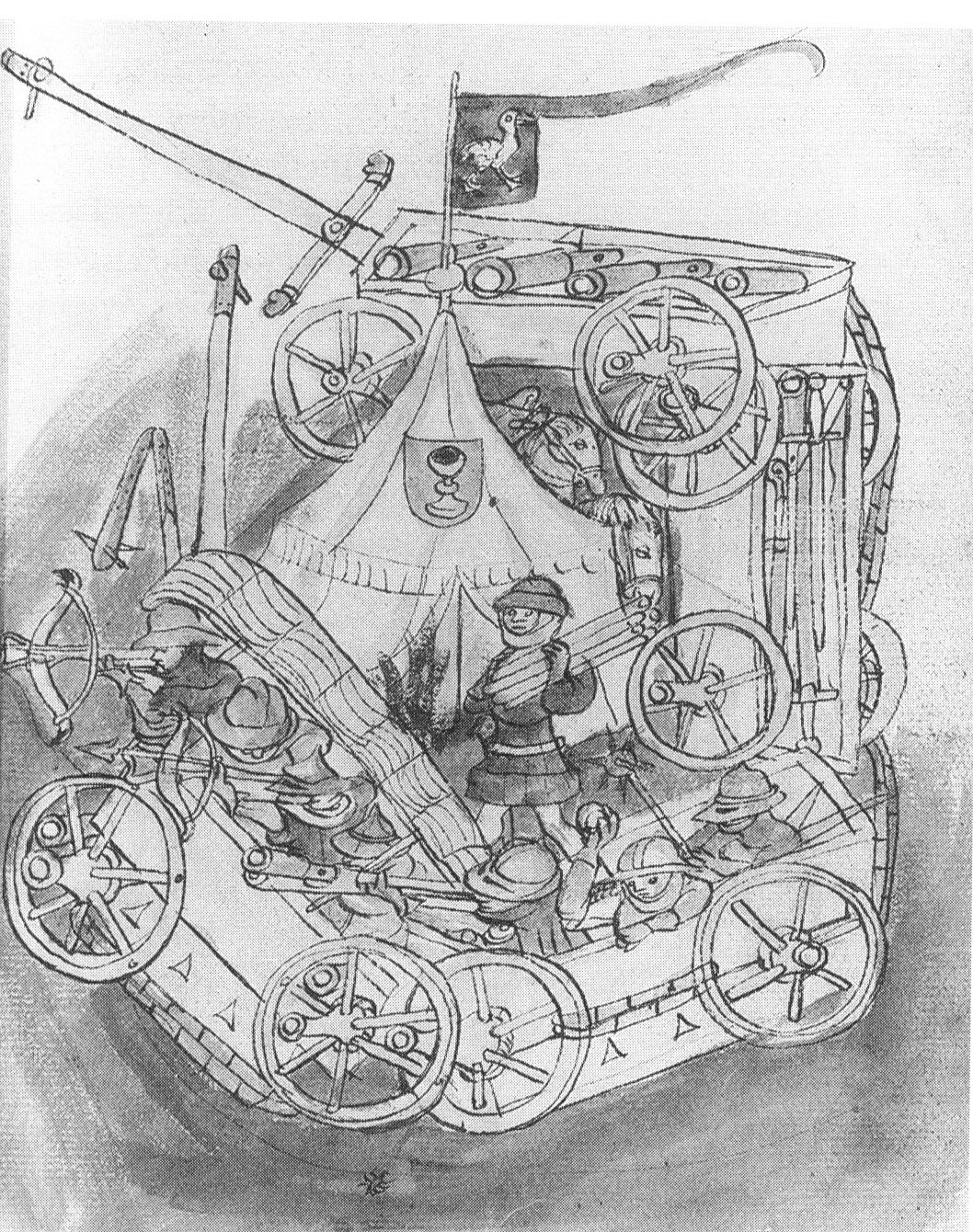
The Hussite community included much of the Czech population of the Kingdom of Bohemia and formed a major spontaneous military power. The wars were notable for the Hussites’ extensive use of early handheld firearms, such as hand cannons, and of wagon forts.
**Origins**
Around 1402, the priest and scholar Jan Hus began denouncing what he saw as corruption in the church and papacy, promoting reformist ideas from the English theologian John Wycliffe. His preaching gained wide support in Bohemia but provoked church suppression, as many of Wycliffe’s ideas had been declared heretical. In 1411, during the Western Schism, “Antipope” John XXIII proclaimed a crusade against King Ladislaus of Naples, who protected rival Pope Gregory XII. To fund this, he offered indulgences in Bohemia. Hus bitterly opposed this, explicitly citing Wycliffe, which led to further heresy accusations but won him much support in Bohemia.
In 1414, Sigismund of Hungary convened the Council of Constance to end the Schism and resolve other religious disputes. Hus attended under a safe-conduct from Sigismund but was imprisoned, tried, and executed on 6 July 1415. The knights and nobles of Bohemia and Moravia, who favored church reform, sent the *protestatio Bohemorum* to the Council on 2 September 1415, strongly condemning Hus’s execution. This angered Sigismund, who was “King of the Romans” (head of the Holy Roman Empire, though not yet emperor) and brother of King Wenceslaus of Bohemia. The Council had convinced him that Hus was a heretic. He sent threatening letters to Bohemia, declaring he would soon drown all Wycliffites and Hussites, which greatly incensed the people.
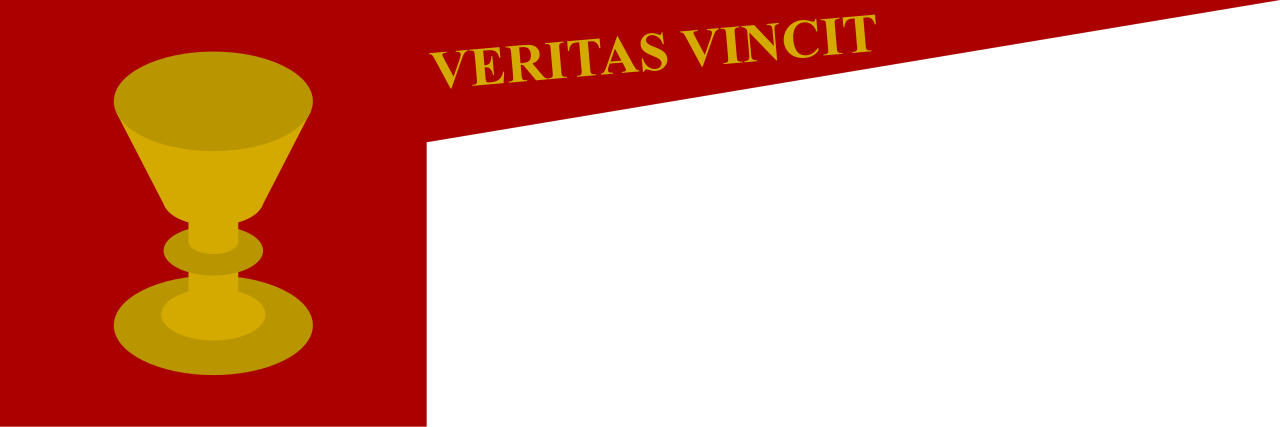
Disorder broke out across Bohemia, driving many Catholic priests from their parishes. From nearly the start, the Hussites split into two main groups, though many smaller divisions also appeared. Shortly before his death, Hus had accepted the doctrine of Utraquism, preached in his absence by his followers in Prague: the obligation for the faithful to receive communion in both kinds, bread and wine. This became the watchword of the moderate Hussites, called Utraquists or Calixtines (from the Latin *calix* for chalice). The more extreme Hussites became known as Taborites, after their center at Tábor, or Orphans, a name they adopted after the death of their leader Jan Žižka.
Under Sigismund’s influence, Wenceslaus tried to stop the Hussite movement. A number of Hussites led by Mikuláš of Hus left Prague. They held meetings in various parts of Bohemia, especially at Sezimovo Ústí, near where Tábor was soon founded. At these meetings, they violently denounced Sigismund, and people everywhere prepared for war.
Despite the departure of many prominent Hussites, troubles in Prague continued. On 30 July 1419, a Hussite procession led by the priest Jan Želivský attacked the New Town Hall in Prague and threw the king’s representatives, the burgomaster, and some town councillors from the windows into the street (the first “Defenestration of Prague”). Several were killed by the fall, after a rock was allegedly thrown from the town hall and hit Želivský. It has been suggested that Wenceslaus was so stunned by the defenestration that he...
- location
- Kingdom of Bohemia
- belligerents
- Hussites vs. Catholic forces of Emperor Sigismund, Papacy, and European monarchs
- key_commander
- Jan Žižka
- known_for
- Use of wagon forts and early handheld firearms
Lore & Background
The Hussite Wars were a series of civil conflicts in the Kingdom of Bohemia, lasting from 1419 to approximately 1434, fought between Hussite factions and Catholic forces loyal to the Holy Roman Emperor, the Papacy, and various European monarchs. The unrest began after the execution of reformer Jan Hus in 1415, which provoked widespread anger among the Czech nobility and populace. The Hussite movement was divided into two main groups: the moderate Utraquists, who emphasized communion in both kinds, and the radical Taborites, centered at the town of Tábor. The wars were marked by the extensive use of early handheld firearms, such as hand cannons, and innovative wagon forts. After initial Catholic advances, including the capture of Prague, the Hussites reorganized under the yeoman leader Jan Žižka and reclaimed lost territory. Several crusades launched by the papacy failed, partly due to internal conflicts in Germany and reluctance from Poland and Lithuania. The conflict also featured Hussite raids into German lands. The wars ended in 1434 when the Utraquists, having switched sides to fight alongside Roman Catholics in 1432, defeated the radical Taborites. The Hussites subsequently submitted to the authority of the Bohemian king and the Catholic Church, while being permitted to practice their variant rite.
Reader's Guide
The Hussite Wars were significant as a major early conflict involving proto-Protestant reformist ideas and the use of innovative military tactics. The Hussite community included much of the Czech population of the Kingdom of Bohemia and formed a major spontaneous military power. The wars were notable for the extensive use of early handheld firearms such as hand cannons and of wagon forts by the Hussites. The Hussites agreed to submit to the authority of the king of Bohemia and the Roman Catholic Church and were allowed to practice their somewhat variant rite. The wars demonstrated the effectiveness of commoners using new weapons and defensive formations against traditional feudal armies, and they influenced later European warfare.
Did You Know?
- The Hussite Wars were notable for the extensive use of early handheld firearms such as hand cannons and of wagon forts by the Hussites.
- After the reins of the Hussite army were handed over to yeoman Jan Žižka, internal strife followed.
Gallery
Frequently Asked Questions
What were the Hussite Wars?
The Hussite Wars were a series of civil conflicts in the Kingdom of Bohemia in which followers of Jan Hus clashed with Catholic forces backed by Holy Roman Emperor Sigismund, the Papacy, and allied European monarchs. Rival Hussite factions also fought each other during the period.
Who was the most famous commander of the Hussites?
Jan Žižka stands as the defining Hussite military leader, directing their armies to repeated victories despite being blind in both eyes. His tactical skill shaped the overall course of the wars.
What military innovations made the Hussites so effective?
The Hussites pioneered the wagon fort—quickly assembled circles of reinforced carts that served as mobile defensive positions—and were among the first armies to field handheld firearms at scale. These tactics let smaller Hussite forces repeatedly defeat larger Catholic armies.
Where did the Hussite Wars take place?
The fighting was centered in the Kingdom of Bohemia, in present-day Czech Republic. Although the main battles occurred on Bohemian soil, the wars drew Catholic armies from across the Holy Roman Empire and beyond.
Why are the Hussite Wars historically significant?
They represent one of the earliest large-scale religious civil conflicts in Central Europe and proved that disciplined infantry armed with new weapons could overcome traditional cavalry-dominated forces. The wars also left a lasting imprint on later religious and political movements in the region.
More in Revolutions And Conflicts 1-20
Spotted an error? Know more?
This is a living reference — every entry is fact-audited, and reader corrections feed straight into our audit queue. Suggest an edit · See this site's audit record