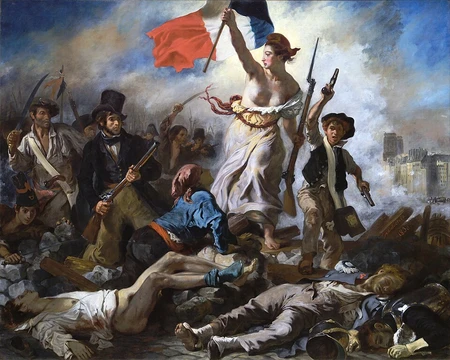
Great Purge
A Soviet political purge targeting dissenters and perceived enemies.

Stefanguzvica · CC BY-SA 4.0
The Great Purge, also called the Great Terror, was a campaign of political repression in the Soviet Union that lasted from 1936 to 1938. It is sometimes referred to as the Year of '37 or the Yezhovshchina, named after NKVD chief Nikolai Yezhov. The purge began after the 1934 assassination of Sergei Kirov by Leonid Nikolaev, which prompted Joseph Stalin to stage the Moscow trials—a set of show trials aimed at eliminating suspected dissenters from the Communist Party, particularly those linked to the Bolsheviks. The term "Great Purge" was popularized by historian Robert Conquest in his 1968 book *The Great Terror*, a title that drew a parallel to the French Revolution's Reign of Terror.
The NKVD, the Soviet interior ministry and secret police, carried out most of the purges. In 1936, under Genrikh Yagoda, the NKVD started removing central party leaders, Old Bolsheviks, government officials, and regional party bosses. Politicians who opposed or criticized Stalin—such as Nikolai Bukharin, Lev Kamenev, and Grigory Zinoviev—were arrested, imprisoned, or executed. The purges later spread to the Red Army high command, severely damaging the military, including Marshal Mikhail Tukhachevsky. Other groups were also targeted: the intelligentsia, wealthy peasants (kulaks), and professionals, often through specialist-baiting. As the purge expanded, widespread suspicion of saboteurs and counter-revolutionaries, collectively called wreckers, began to affect everyday civilian life.
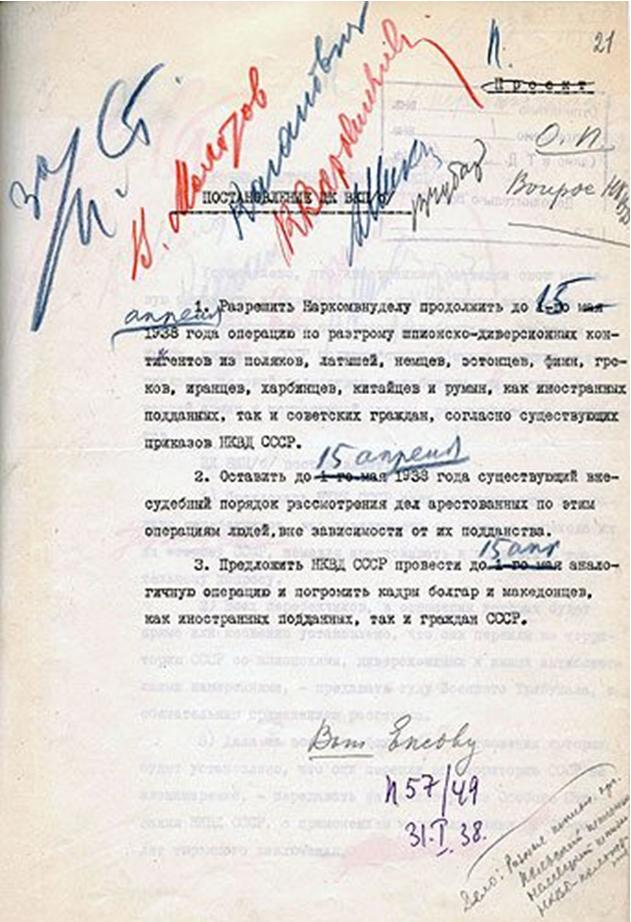
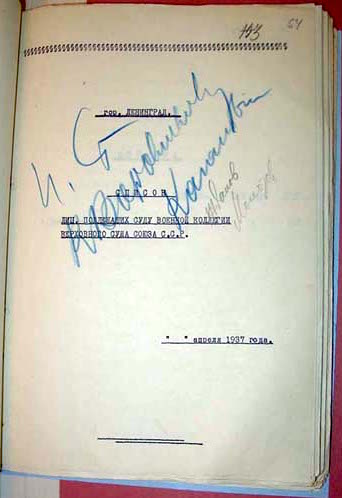
The purge peaked between September 1936 and August 1938, when Yezhov led the NKVD. These campaigns followed the party's general line, often under direct orders from the Politburo headed by Stalin. Hundreds of thousands of people were accused of political crimes like espionage, wrecking, sabotage, anti-Soviet agitation, and plotting uprisings or coups. They were executed by shooting or sent to Gulag labor camps. The NKVD particularly targeted certain ethnic minorities, including Volga Germans and Soviet citizens of Polish origin, subjecting them to forced deportation and extreme repression. Throughout the purge, the NKVD used imprisonment, torture, violent interrogation, and executions to control civilians through fear.
In 1938, Stalin reversed his position on the purges, criticizing the NKVD for mass executions and overseeing the execution of NKVD chiefs Yagoda and Yezhov. Scholars estimate the death toll at 700,000 to 1.2 million. Even after the purge ended, widespread surveillance and an atmosphere of mistrust persisted for decades. Similar purges occurred in Mongolia and Xinjiang. The Soviet government sought to put Leon Trotsky on trial during the purge, but his exile prevented it. Trotsky survived the purge but was assassinated in 1940 by the NKVD in Mexico on Stalin's orders.
**Background**
After Vladimir Lenin's death in 1924, a power vacuum emerged in the Communist Party, the ruling party of the Soviet Union. Established figures in Lenin's government tried to succeed him. Joseph Stalin, the party's general secretary, defeated his opponents by 1928 and took control. Initially, his leadership was widely accepted; his main political rival, Leon Trotsky, was forced into exile in 1929, and Stalin's doctrine of "socialism in one country" became official policy. However, party officials began losing faith in Stalin in the early 1930s, largely due to the human cost of the first five-year plan and the collectivization of agriculture, including the Holodomor famine in Ukraine.
In 1930, party and police officials feared social disorder from forced collectivization, the resulting famine of 1930–1933, and the massive, uncontrolled migration of millions of peasants to cities. The threat of war heightened Stalin's and the Soviet leadership's perception of marginal and politically suspect populations as potential sources of uprising during an invasion. Stalin began planning to preemptively eliminate potential recruits for a mythical "fifth column of wreckers, terrorists and spies."
In Soviet political slang, "purge" originally meant "purge from the party ranks"; in 1933, for example, the party expelled about 400,000 people. Between 1936 and 1953, the term's meaning shifted: being expelled from the party came to mean almost certain arrest, imprisonment, and often execution. The political purge was mainly Stalin's effort to eliminate challenges from past and potential opposition groups, including the party's left and right wings, led by Trotsky and Nikolai Bukharin, respectively. After the Civil War and the late-1920s economic reconstruction, veteran Bolsheviks believed the temporary wartime dictatorship—passed from Lenin to Stalin—was no longer necessary. Stalin's opponents criticized him as undemocratic and lax about bureaucratic corruption.
Opposition to Stalin's leadership may have gained substantial working-class support by attacking the privileges and luxuries offered to the highly paid elite. The Ryutin affair seemed to confirm Stalin's suspicions: Martemyan Ryutin worked with a large, secret Opposition Bloc involving Trotsky and Grigory Zinoviev, which led to their deaths. Stalin enforced a ban on party factions and demoted party members who opposed him, ending democratic centralism. In the new party organization, the...
- start_year
- 1936
- end_year
- 1938
Verified Timeline
Lore & Background
The purges were largely conducted by the NKVD (People's Commissariat for Internal Affairs), which functioned as the interior ministry and secret police of the USSR. In 1936, the NKVD under Genrikh Yagoda began the removal of the central party leadership, Old Bolsheviks, government officials, and regional party bosses. Soviet politicians who opposed or criticized Stalin were removed from office and imprisoned, or executed, by the NKVD, including Nikolai Bukharin, Lev Kamenev, and Grigory Zinoviev. The purges were eventually expanded to the Red Army high command, which had a disastrous effect on the military, including Marshal of the Soviet Union Mikhail Tukhachevsky. The campaigns also affected many other segments of society: the intelligentsia, professionals sometimes in the form of specialist-baiting, and others suspected of disloyalty. As the scope of the purge widened, the omnipresent suspicion of saboteurs and counter-revolutionaries (known collectively as wreckers) began affecting civilian life.
Reader's Guide
The purge reached its peak between September 1936 and August 1938, when the NKVD was under chief Nikolai Yezhov (hence the name Yezhovshchina). The campaigns were carried out according to the general line of the party, often by direct orders by the Politburo headed by Stalin. Hundreds of thousands of people were accused of political crimes, including espionage, wrecking, sabotage, anti-Soviet agitation, and conspiracies to prepare uprisings and coups. They were executed by shooting, or sent to Gulag labor camps. The NKVD targeted certain ethnic minorities with particular force (such as Volga Germans or Soviet citizens of Polish origin), who were subjected to forced deportation and extreme repression. Throughout the purge, the NKVD sought to strengthen control over civilians through fear and frequently used imprisonment, torture, violent interrogation, and executions during its mass operations. Stalin reversed his stance on the purges in 1938, criticizing the NKVD for carrying out mass executions and overseeing the execution of NKVD chiefs Yagoda and Yezhov. Scholars estimate the death toll of the Great Purge at 700,000 to 1.2 million. Despite the end of the purge, widespread surveillance and an atmosphere of mistrust continued for decades. Similar purges took place in Mongolia and Xinjiang. The Soviet government wanted to put Leon Trotsky on trial during the purge, but his exile prevented this. Trotsky survived the purge although he was assassinated in 1940 by the NKVD in Mexico on orders from Stalin.
Did You Know?
- The term 'great purge' was popularized by historian Robert Conquest in his 1968 book, The Great Terror.
- The purge reached its peak between mid-1937 and mid-1938, when the NKVD was under chief Nikolai Yezhov, giving the period the name Yezhovshchina.
- The NKVD targeted certain ethnic minorities with particular force, such as Volga Germans and Soviet citizens of Polish origin, subjecting them to forced deportation and extreme repression.
- Stalin reversed his stance on the purges in 1938, criticizing the NKVD for mass executions and overseeing the execution of NKVD chief Yagoda in 1938; Yezhov was executed later, in 1940.
- The Soviet government wanted to put Leon Trotsky on trial during the purge, but his exile prevented this; he was later assassinated in 1940 by the NKVD in Mexico on orders from Stalin.
Gallery
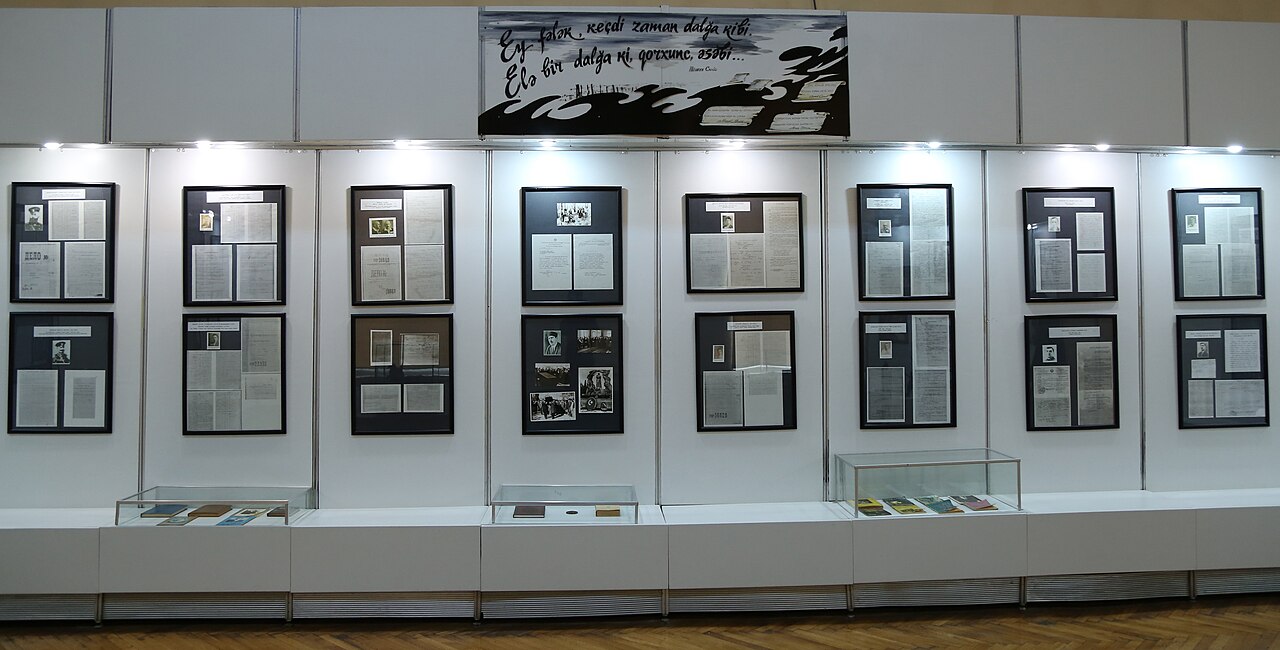
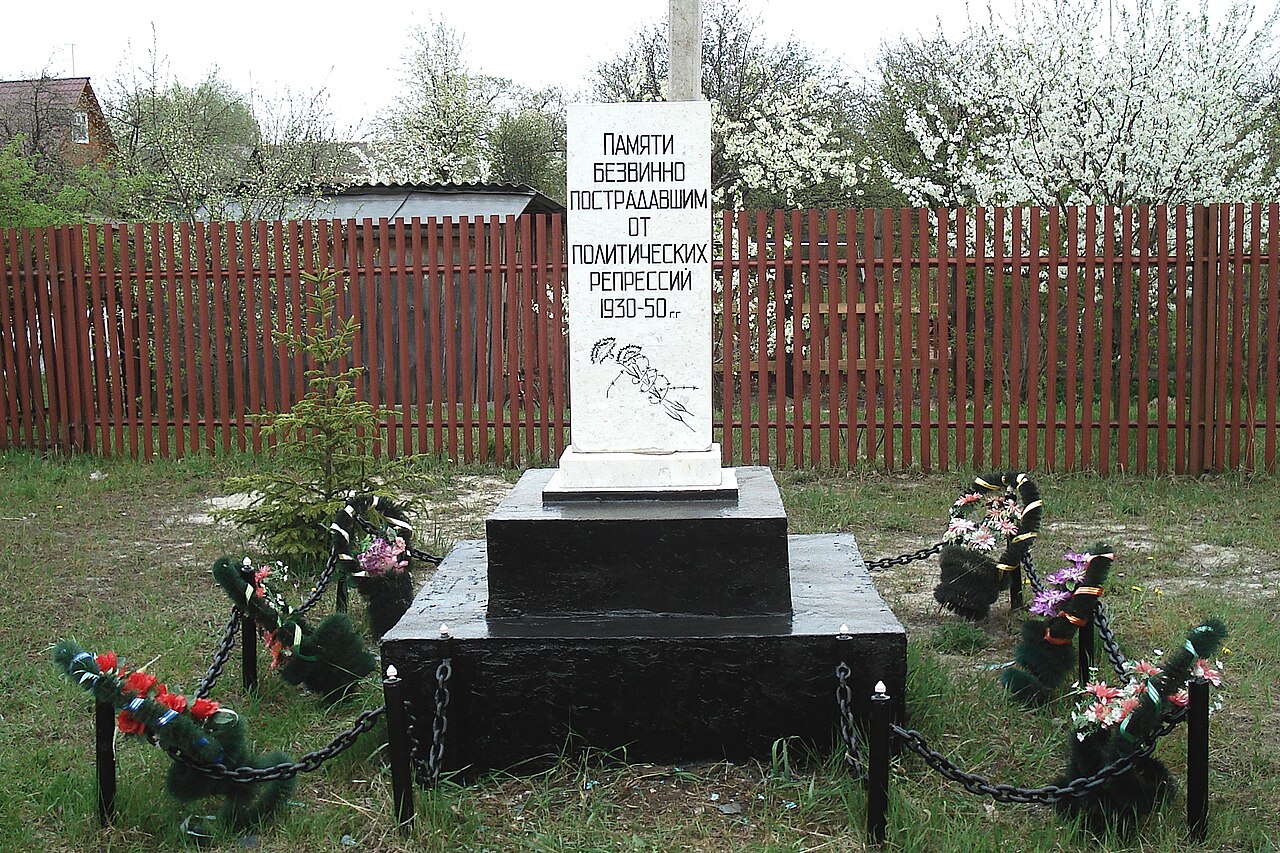
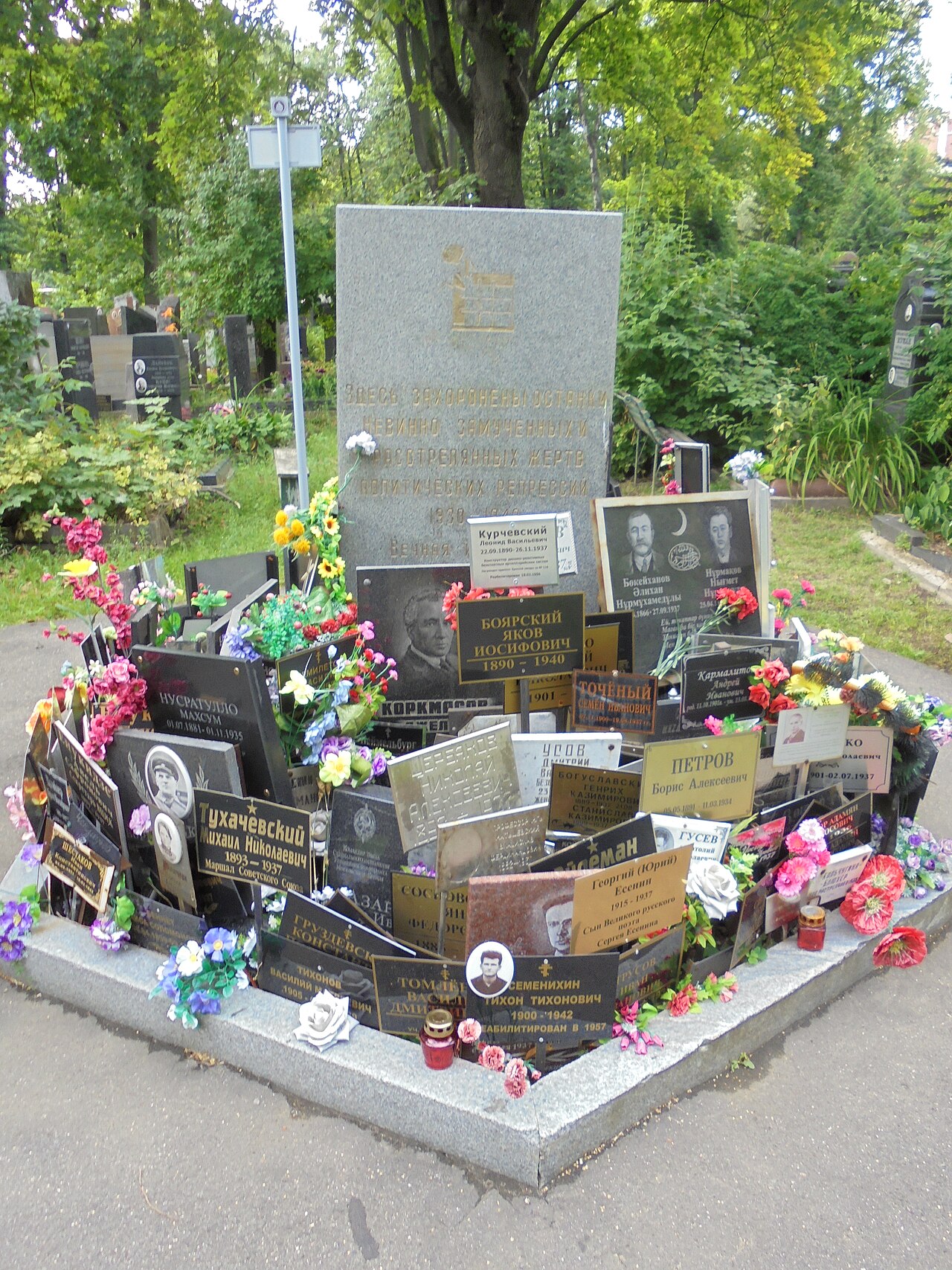
Frequently Asked Questions
What is the Great Purge?
The Great Purge, also called the Great Terror, was a campaign of political repression carried out in the Soviet Union under Stalin's leadership. It involved the systematic elimination of perceived enemies of the state through mass arrests, executions, and coerced confessions.
When did the Great Purge take place?
The purge unfolded between 1936 and 1938, a span often nicknamed the Year of '37. It was set in motion after the 1934 assassination of Sergei Kirov, which Stalin used as a catalyst for a sweeping crackdown on political rivals.
Who was targeted during the Great Purge?
The campaign primarily aimed at Old Bolsheviks, party oppositionists, and anyone considered a threat to Stalin's grip on power. Military officers, intellectuals, and ordinary citizens were also swept into the wave of arrests and public prosecutions.
What were the Moscow trials?
The Moscow trials were a series of public show proceedings in which accused individuals were pressured into confessing to fabricated charges of treason and espionage. They functioned as a spectacle designed to publicly justify the removal of political rivals from the Communist Party.
Why is the Great Purge historically significant?
The purge dismantled an entire generation of experienced Soviet leaders and created a pervasive atmosphere of fear throughout the population. It demonstrated how a single leader could weaponize the judicial system to consolidate absolute control over the state.
More in Revolutions And Conflicts 1-20
Spotted an error? Know more?
This is a living reference — every entry is fact-audited, and reader corrections feed straight into our audit queue. Suggest an edit · See this site's audit record