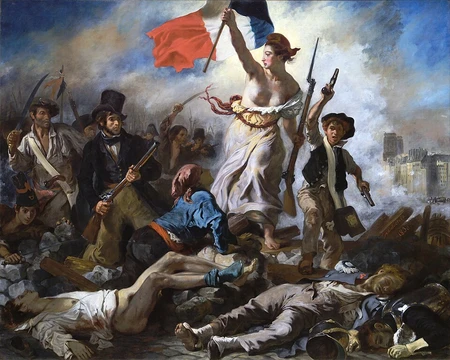
Hungarian Revolution of 1956
A 13-day uprising against Soviet domination, crushed by Soviet forces.

Globetrotter19 · CC BY-SA 3.0
The Hungarian Revolution of 1956 was a nationwide uprising against the Hungarian People's Republic and its subordination to the Soviet Union, lasting from 23 October to 4 November 1956. It began in Budapest when university students called on civilians to gather at the Parliament Building to protest Soviet domination under the communist government of Mátyás Rákosi. A student delegation entered the Magyar Rádió building to broadcast sixteen demands for reforms but was detained by security guards. When protesters outside demanded their release, ÁVH police fatally shot several students. The ensuing siege of the radio building lasted until around 8:00 a.m. the next day, when revolutionaries broke in, taking soldiers, cadets, and ÁVH members prisoner; ÁVH Major Fehér was executed with a shot to the back of the head.
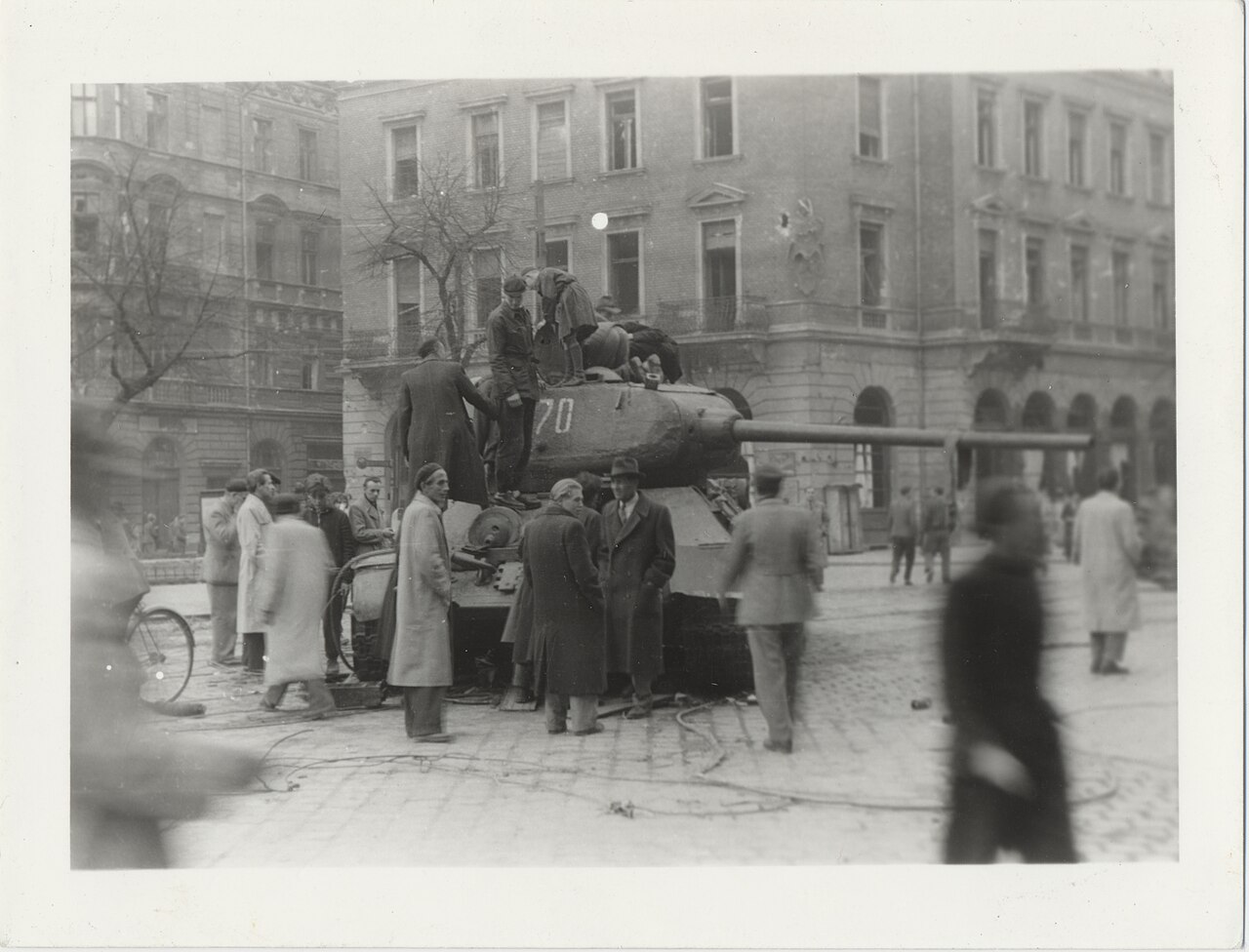
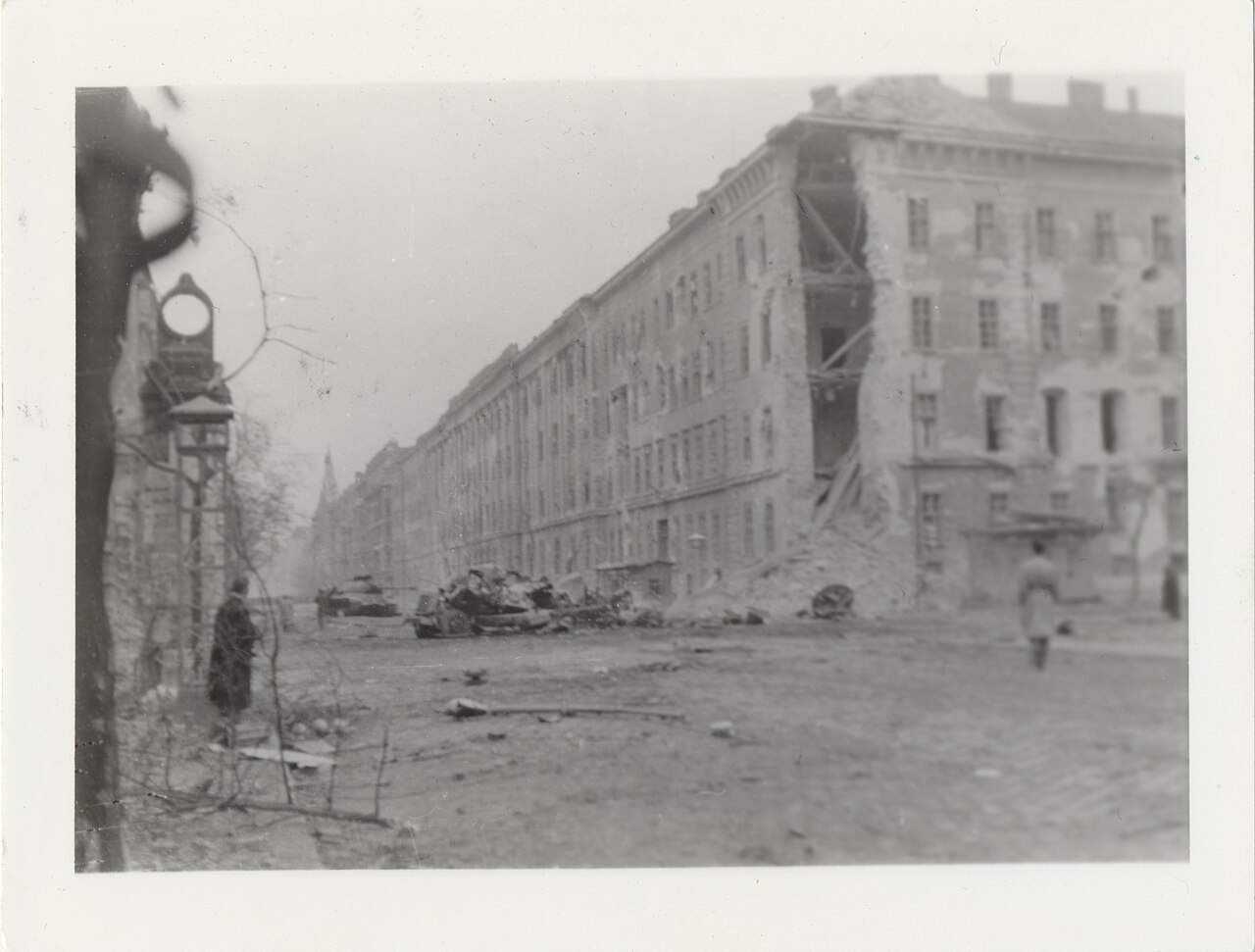
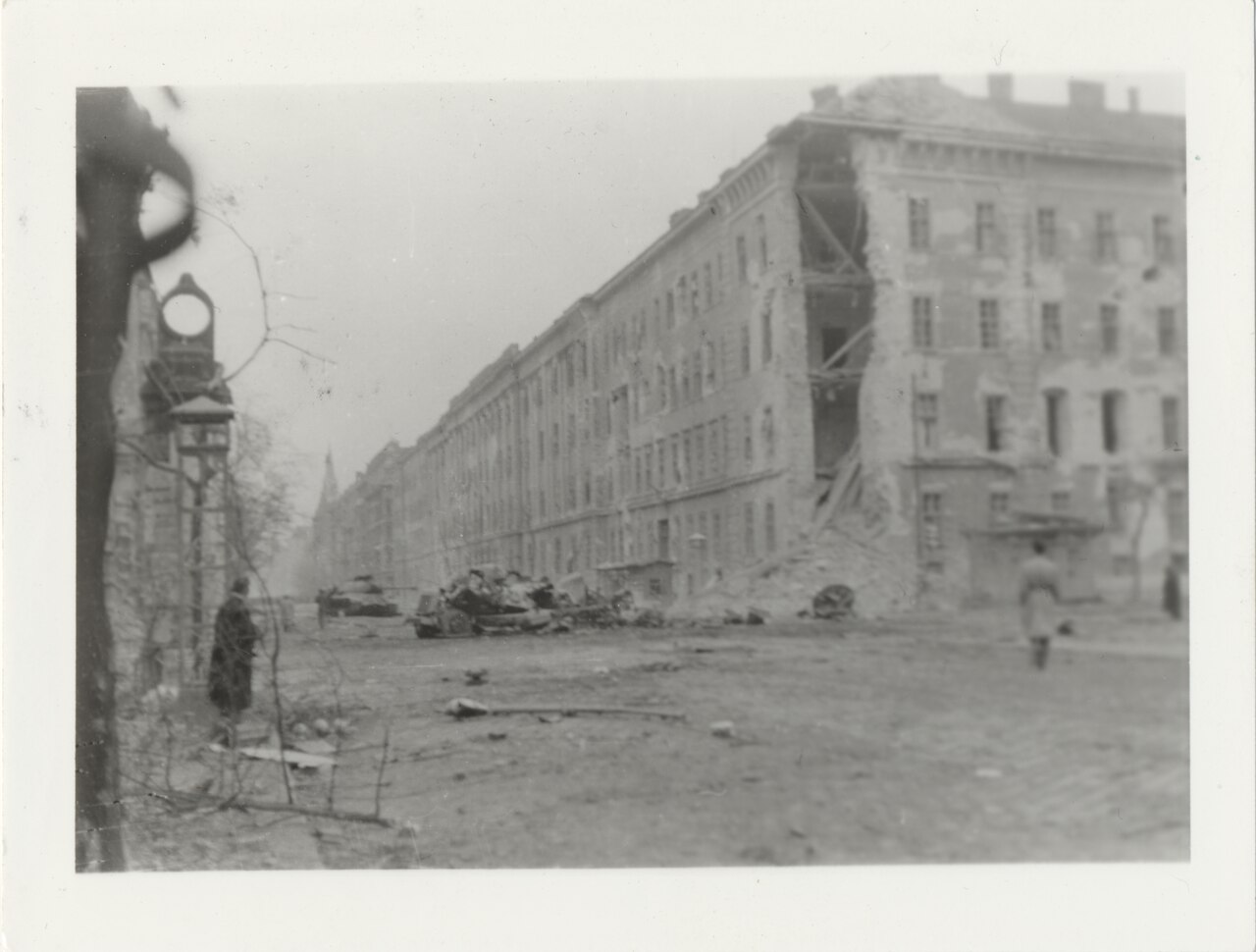
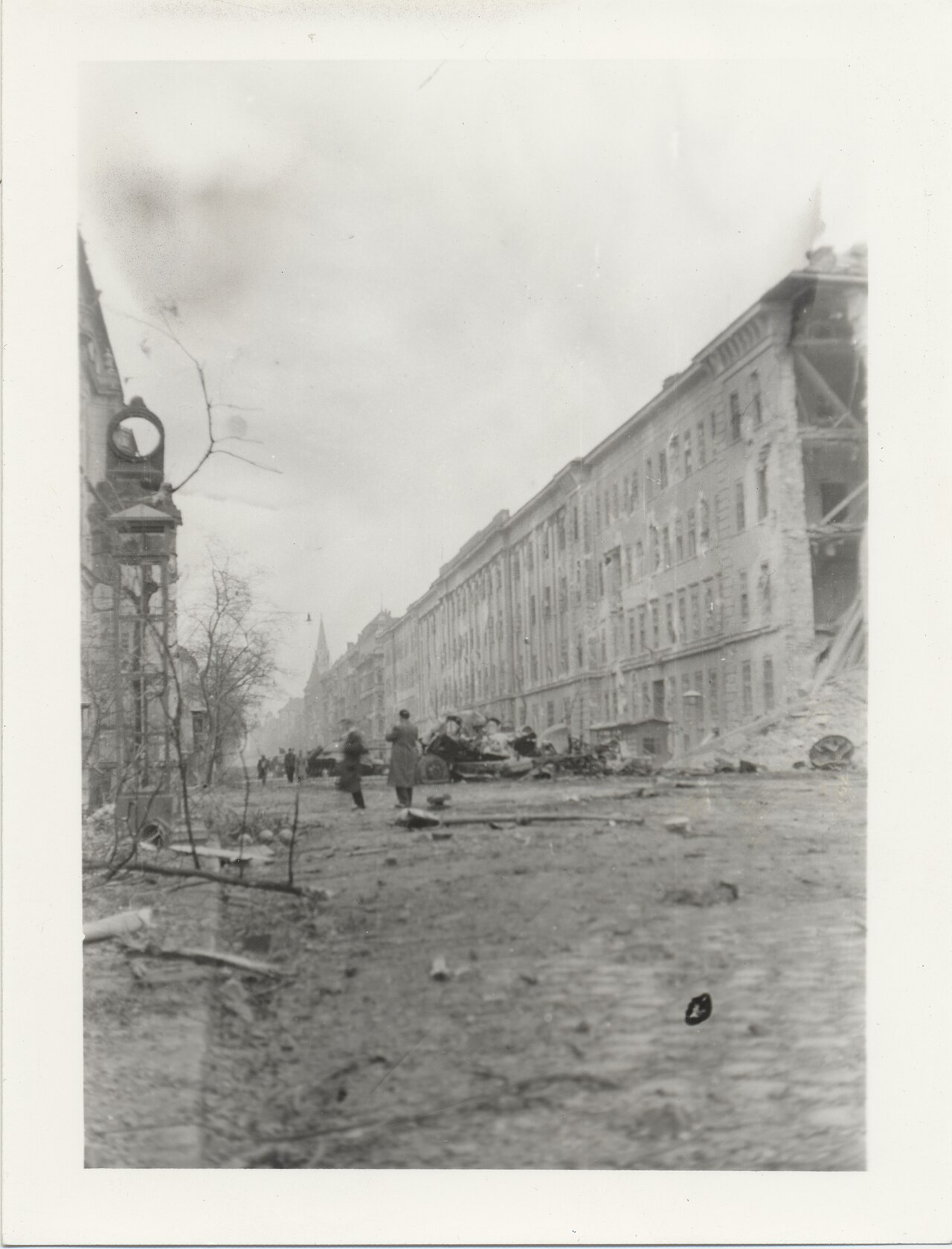
Hungarians formed revolutionary militias to fight the ÁVH, capturing and summarily executing local communist leaders and ÁVH policemen, while political prisoners were freed and armed. Workers’ councils took over municipal government from the Hungarian Working People’s Party. Imre Nagy’s new government disbanded the ÁVH on 28 October, withdrew from the Warsaw Pact on 1 November, and promised free elections. By late October, heavy fighting had subsided. The USSR initially appeared willing to negotiate a Soviet withdrawal, holding talks on 3 November, but on 4 November it crushed the revolution. Soviet forces defeated the Hungarian revolutionaries by 10 November, though firefights outside Budapest continued until at least 12 November. The repression killed 2,500 Hungarians and 700 Soviet soldiers, wounded thousands more, and drove nearly a quarter of a million Hungarians to flee, mostly to Austria.
- casualties
- 2,500 Hungarians killed; 720 Soviet soldiers killed
Lore & Background
The Hungarian Revolution of 1956, also called the Hungarian Uprising, was a nationwide revolt against the Hungarian People's Republic and its subordination to the Soviet Union. The uprising began in Budapest when university students rallied civilians at the Parliament Building to protest Soviet domination under the communist government of Mátyás Rákosi. A student delegation entered the Magyar Rádió building to broadcast political and economic demands but was detained. When protesters outside demanded their release, ÁVH police fatally shot several students. The ensuing siege of the radio building lasted until morning, when revolutionaries broke in and captured soldiers, officer cadets, and ÁVH members, executing one ÁVH major. This sparked the formation of revolutionary militias that fought the ÁVH, captured and executed local communist leaders, and freed political prisoners. Workers' councils assumed local government control. The new government of Imre Nagy disbanded the ÁVH, declared withdrawal from the Warsaw Pact, and promised free elections. After initially negotiating, the USSR crushed the revolt with tanks and troops. Fighting lasted fifteen days, with firefights continuing outside Budapest until mid-November. Thousands were killed or wounded, and nearly a quarter of a million Hungarians fled the country. The revolution followed years of Soviet occupation, communist consolidation of power through the ÁVH's repression, and the establishment of a socialist state under the Hungarian Working People's Party.
Reader's Guide
The uprising, though brief, exposed the deep popular resentment against Stalinist rule and Soviet domination. The revolution's suppression reinforced the Iron Curtain and solidified Soviet control over Eastern Europe for decades. However, the event also inspired future dissident movements and highlighted the courage of ordinary citizens and students who risked everything for national sovereignty and democratic reforms. The revolution's legacy includes the mass exodus of nearly a quarter of a million refugees, which reshaped Hungarian diaspora communities, and the enduring symbol of resistance against authoritarianism.
Did You Know?
- The revolution began when university students appealed to the civil populace to protest at the Hungarian Parliament Building.
Gallery
Frequently Asked Questions
What was the Hungarian Revolution of 1956?
It was a 13-day popular uprising in Hungary aimed at shaking off Soviet political domination, ultimately suppressed by a massive Soviet military intervention.
How did the Hungarian Revolution of 1956 end?
Soviet armored columns rolled into Budapest and other cities, overwhelming the armed resistance and restoring Moscow-aligned authority within roughly two weeks.
What was the human cost of the Hungarian Revolution of 1956?
Approximately 2,500 Hungarian civilians and fighters lost their lives, while the Soviet side recorded around 720 soldiers killed during the suppression.
Who was responsible for crushing the Hungarian Revolution of 1956?
The Soviet Union dispatched its own ground forces directly into Hungary, making the intervention a state-on-state military action rather than a domestic police operation.
Why is the Hungarian Revolution of 1956 still discussed today?
It stands as a defining example of a people's attempt to reclaim sovereignty under Cold War pressures, and its swift, violent suppression shaped Eastern European politics for decades afterward.
More in Revolutions And Conflicts 1-20
Spotted an error? Know more?
This is a living reference — every entry is fact-audited, and reader corrections feed straight into our audit queue. Suggest an edit · See this site's audit record