
Kirsten Flagstad
Norwegian soprano, the outstanding Wagnerian singer of her era.
Last updated

via Wikipedia: Kirsten Flagstad · see source
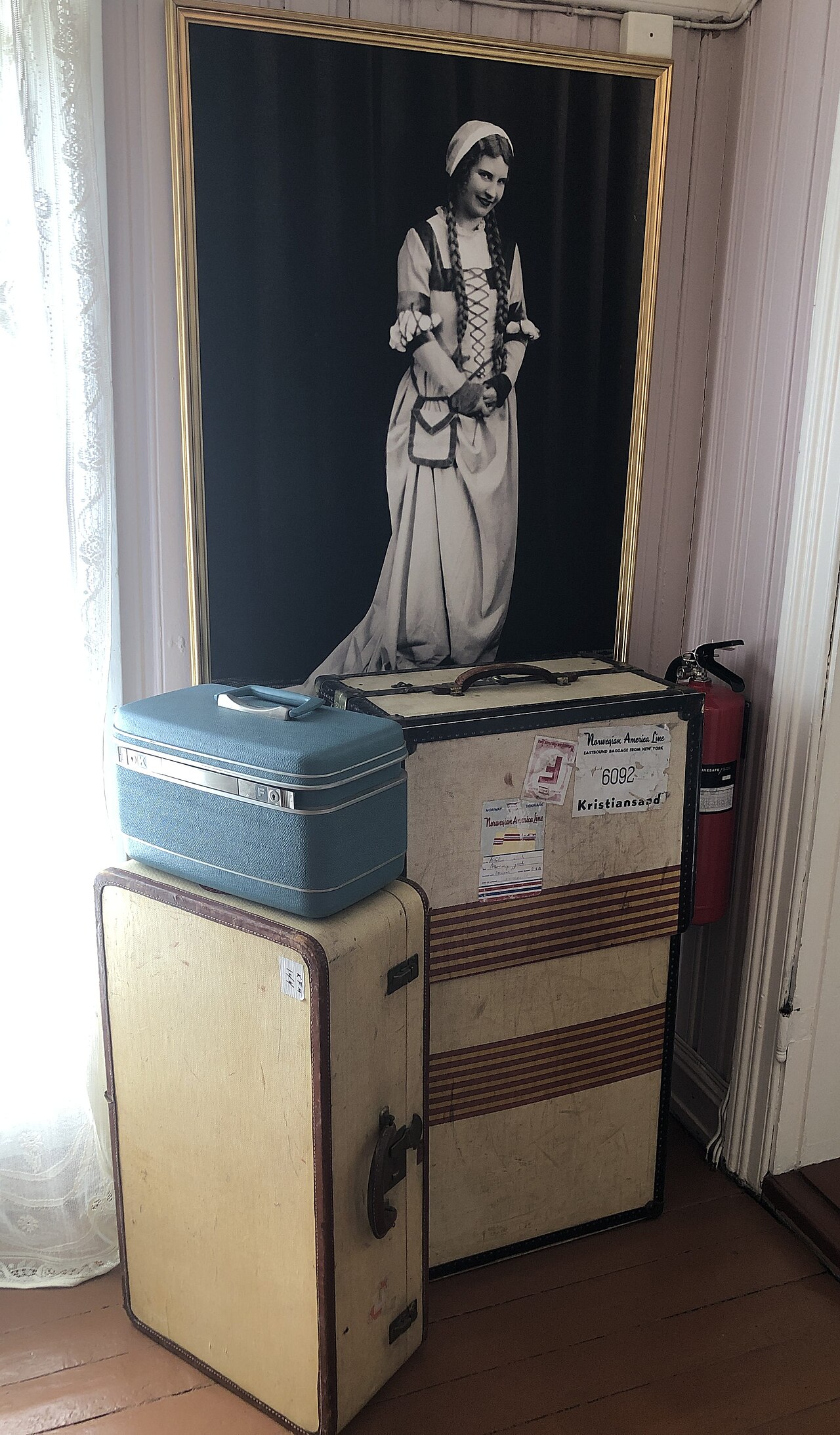
Kirsten Malfrid Flagstad was born on 12 July 1895 in Hamar, Norway, at her grandparents’ home, which is now the Kirsten Flagstad Museum. Although she never lived there, she regarded Hamar as her hometown.
Early life and career
She grew up in Oslo in a musical household: her father Michael Flagstad was a conductor, her mother Maja Flagstad a pianist, and her siblings—Ole Flagstad, Lasse Flagstad, and Karen-Marie Flagstad—also became musicians. She began her musical training in Oslo and made her stage debut at the National Theatre in 1913, playing Nuri in Eugen d’Albert’s Tiefland. Her first recordings date from 1913 to 1915.
After further study in Stockholm with Dr. Gillis Bratt, Flagstad worked in opera and operetta in Norway. In 1919 she married her first husband, Sigurd Hall, and the following year gave birth to her only child, a daughter named Else Marie Hall.
Later in 1920, she joined the newly formed Opera Comique in Oslo, run by Alexander Varnay and Benno Singer. (Varnay was the father of soprano Astrid Varnay.) Flagstad was known for learning roles quickly, often in just a few days. At the Opera Comique she sang Desdemona opposite Leo Slezak, as well as Minnie, Amelia, and other lesser parts.
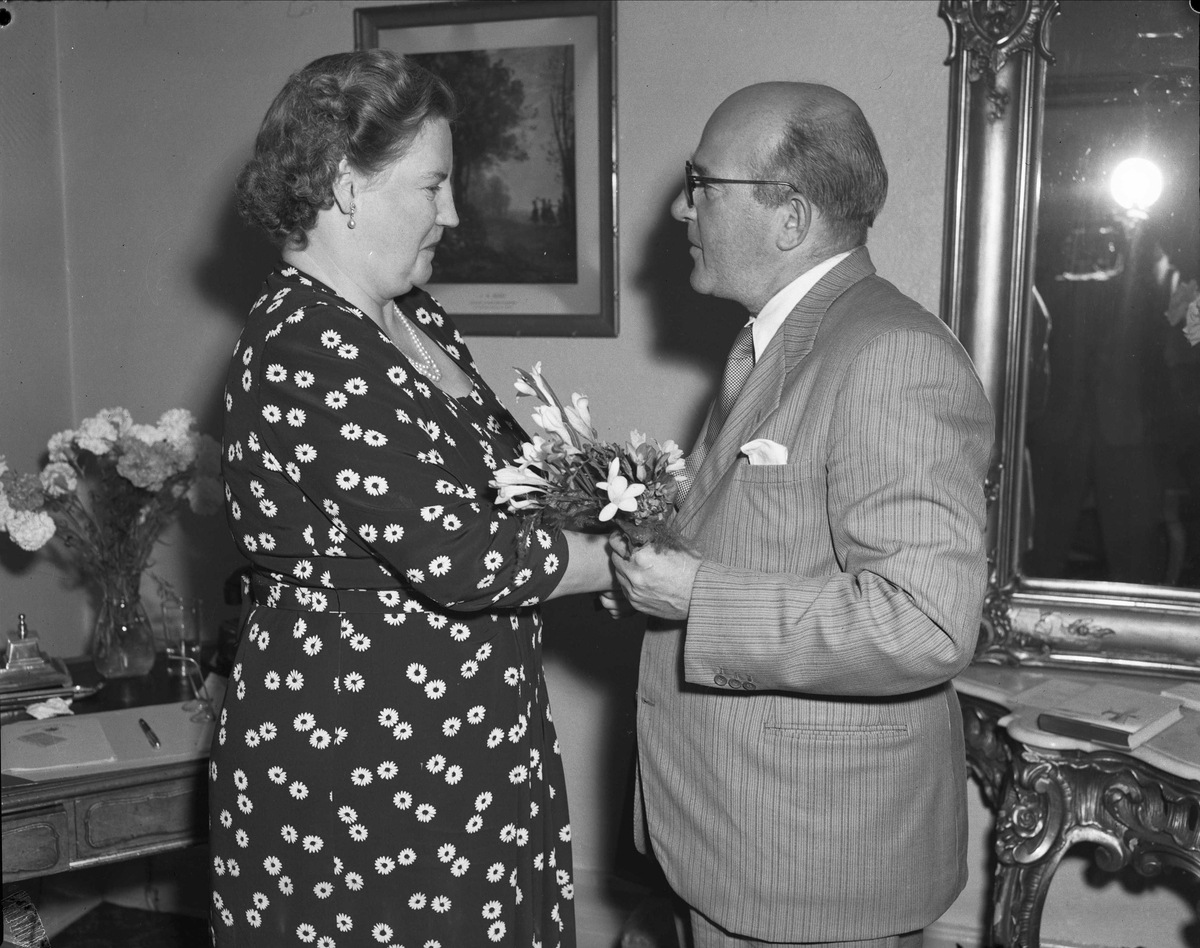
From 1928 to 1934 she performed at the Stora Teatern in Gothenburg, Sweden, making her debut there as Agathe in Weber’s Der Freischütz. In 1930 she sang Michal in a revival of Nielsen’s Saul and David. On 31 May 1930 she married her second husband, Norwegian industrialist and lumber merchant Henry Johansen, who helped advance her career. She made her debut in Handel’s Rodelinda in 1932.
After more than a decade singing operetta and lyric roles like Marguerite in Faust, Flagstad moved to heavier parts such as Tosca and Aida. The role of Aida revealed her dramatic abilities.
In 1932 she took on Isolde in Wagner’s Tristan und Isolde and seemed to discover her true voice. Swedish soprano Ellen Gulbranson convinced Winifred Wagner to audition Flagstad for the Bayreuth Festival. Flagstad sang minor roles there in 1933, and in the 1934 season she performed Sieglinde in Die Walküre and Gutrune in Götterdämmerung, with Frida Leider as Brünnhilde.
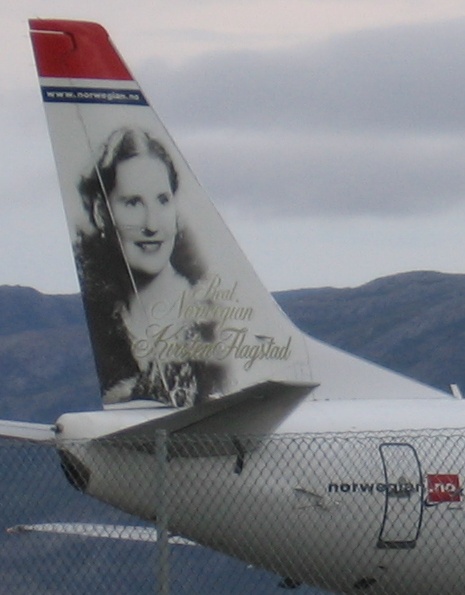
Debut at the Metropolitan Opera
Flagstad first came to the attention of Otto Hermann Kahn, chairman of the Metropolitan Opera’s board, during a 1929 trip to Scandinavia, and the Met made overtures soon after. But her letters went unanswered; she had just met her future second husband and briefly considered leaving opera. In summer 1934, when the Met needed a replacement for Frida Leider, Flagstad agreed to audition for conductor Artur Bodanzky and Met general manager Giulio Gatti-Casazza in St. Moritz in August 1934. She was hired on the spot.
As he left, Bodanzky told her: “Come to New York as soon as you know these roles (Isolde, the three Brünnhildes, Leonore in Fidelio, and the Marschallin in Der Rosenkavalier). And above all do not go and get fat! Your slender, youthful figure is not the least reason you were engaged.”
At the Met, Flagstad studied with vocal coach Hermann Weigert, who prepared her for all her roles. Her Met debut came as Sieglinde in Die Walküre on the afternoon of 2 February 1935. Though not planned as a major event, it caused a sensation. After weeks of rehearsals, Met management knew what they had but opted for a low-key debut; Flagstad was unknown in the United States.
The performance was broadcast nationally on the Met’s weekly radio program. During intermission, former Met star Geraldine Farrar abandoned her prepared notes, overwhelmed by what she had heard, and breathlessly announced that a new star had been born. Days later, Flagstad sang Isolde, and later that month she performed Brünnhilde in Die Walküre and Götterdämmerung for the first time. Before the season ended, she also sang Elsa in Lohengrin, Elisabeth in Tannhäuser, and her first Kundry in Parsifal.
Further career in America and elsewhere
Almost overnight, Flagstad became the pre-eminent Wagnerian soprano of her time. It is said she saved the Metropolitan Opera from looming bankruptcy. Her performances—sometimes three or four a week early on—sold out as soon as tickets went on sale. Beyond box office receipts, her personal appeals to radio listeners during Saturday matinee intermissions brought thousands of dollars in donations to the Met.
Before the war, Fidelio (1936 and later) was her only non-Wagnerian role at the Met. In 1935 she sang all three Brünnhildes in the San Francisco Opera’s Ring cycle. In 1937 she first appeared with the Chicago City Opera Company.
Post-war career
In 1936 and 1937, Flagstad performed Isolde, Brünnhilde, and Senta at the Royal Opera House.
Giulio Gatti-Casazza, the Met’s longtime general manager, said: “I have given America two great gifts — Caruso and Flagstad.” Called “the voice of the century,” she is considered one of the greatest singers of the 20th century. Desmond Shawe-Taylor wrote in the New Grove Dictionary of Opera: “No one within living memory surpassed her in sheer beauty and consistency of line and tone.” She died on 7 December 1962.
Lore & Background
Flagstad was born in Hamar, Norway, in her grandparents' home, now the Kirsten Flagstad Museum. Though she never actually lived in Hamar, she always considered it her home town. She was raised in Oslo within a musical family; her father Michael Flagstad was a conductor and her mother Maja Flagstad a pianist. Their other children were also musicians: the conductor Ole Flagstad, pianist Lasse Flagstad, and soprano Karen-Marie Flagstad.
She made her stage debut at the National Theatre as Nuri in Eugen d'Albert's Tiefland in 1913. Her first recordings were made between 1913 and 1915. After further study in Stockholm with Dr. Gillis Bratt, she pursued a career in opera and operetta in Norway.
In 1919, she married her first husband Sigurd Hall and a year later gave birth to her only child, a daughter, Else Marie Hall. Later that year she signed up with the newly created Opera Comique in Oslo, under the direction of Alexander Varnay and Benno Singer. Varnay was the father of the famous soprano Astrid Varnay.
Flagstad's ability to learn roles quickly was noted, as it often took her only a few days to do so. She sang Desdemona opposite Leo Slezak, Minnie, Amelia and other lesser roles at the Opera Comique. She sang at the Stora Teatern of Gothenburg, Sweden, between 1928 and 1934, and made her debut there singing Agathe in Der Freischütz by Weber. In 1930, a revival of Nielsen's Saul and David featured Flagstad singing the role of Michal.
On 31 May 1930 she married her second husband, the Norwegian industrialist and lumber merchant Henry Johansen, who subsequently helped her in expanding her career. In 1932 she made her debut in Rodelinda by Handel. After singing operetta and lyric roles such as Marguerite in Faust for over a decade, Flagstad decided to take on heavier operatic roles such as Tosca and Aida. The part of Aida helped to unleash Flagstad's dramatic abilities.
In 1932, she took on the role of Isolde in Richard Wagner's Tristan und Isolde and appeared to have found her true voice. Ellen Gulbranson, a Swedish soprano at Bayreuth, persuaded Winifred Wagner to audition Flagstad for the Bayreuth Festival. Flagstad sang minor roles in 1933, but at the next season in 1934, she sang the roles of Sieglinde in Die Walküre and Gutrune in Götterdämmerung at the Festival, opposite Frida Leider as Brünnhilde.
Frequently Asked Questions
Who is Kirsten Flagstad?
Kirsten Malfrid Flagstad (1895–1962) was a Norwegian opera singer who rose to become the preeminent Wagnerian soprano of her generation. She is consistently ranked among the most consequential vocal artists of the twentieth century.
What made Kirsten Flagstad's 1935 Metropolitan Opera debut legendary?
On 2 February 1935, Flagstad's New York appearance at the Met was so overwhelming that it entered opera folklore almost immediately. Met general manager Giulio Gatti-Casazza later summed up the moment by saying he had given America two great gifts: Caruso and Flagstad.
Why is Kirsten Flagstad called 'the voice of the century'?
The nickname captures the sheer, almost otherworldly beauty and power of her tone, which listeners of the era found without parallel. Even the New Grove Dictionary of Opera later observed that no singer within living memory surpassed her in pure vocal loveliness.
Also in the Codexery
More in Opera & Vocal Legends
Test yourself
Three questions drawn from this entry’s sources. Pick an answer to check it.
Answers checked against the source article
Sources
Compiled from Wikipedia and the sources listed below. Text from Wikipedia is available under CC BY-SA 4.0; this entry is adapted from it.
- Wikipedia: Kirsten Flagstad (CC BY-SA 4.0).
Spotted an error? Know more?
Reader corrections go straight into our review queue. Suggest an edit · How this site is sourced