
José Carreras
Spanish operatic tenor, one of the Three Tenors, and humanitarian.
Last updated

Paul-in-London from London, United Kingdom · CC BY 2.0
José Carreras, born Josep Maria Carreras Coll on 5 December 1946 in Barcelona, is a Spanish tenor celebrated for his work in operas by Donizetti, Verdi, and Puccini. He first stepped onto an opera stage at age eleven, playing Trujamán in Manuel de Falla’s El retablo de Maese Pedro, and later built a career spanning more than sixty roles across the world’s top opera houses and on many recordings. He became a household name as part of the Three Tenors alongside Plácido Domingo and Luciano Pavarotti, performing in major concerts from 1990 to 2003. Carreras also leads the José Carreras International Leukaemia Foundation, a humanitarian organization he founded after surviving the disease himself in 1988.
Early years
Carreras grew up in Sants, a working-class area of Barcelona, as the youngest of three children. In 1951, his family moved to Argentina seeking a better life, but the venture failed, and they returned to Sants within a year, where he spent the rest of his childhood. His passion for singing emerged at age six after watching Mario Lanza in The Great Caruso; he would repeatedly sing arias like “La donna è mobile,” sometimes locking himself in the bathroom when his family grew tired of his impromptu performances. Encouraged by his grandfather, an amateur baritone, his parents arranged music lessons with Magda Prunera, a friend’s mother, who taught him piano and voice.

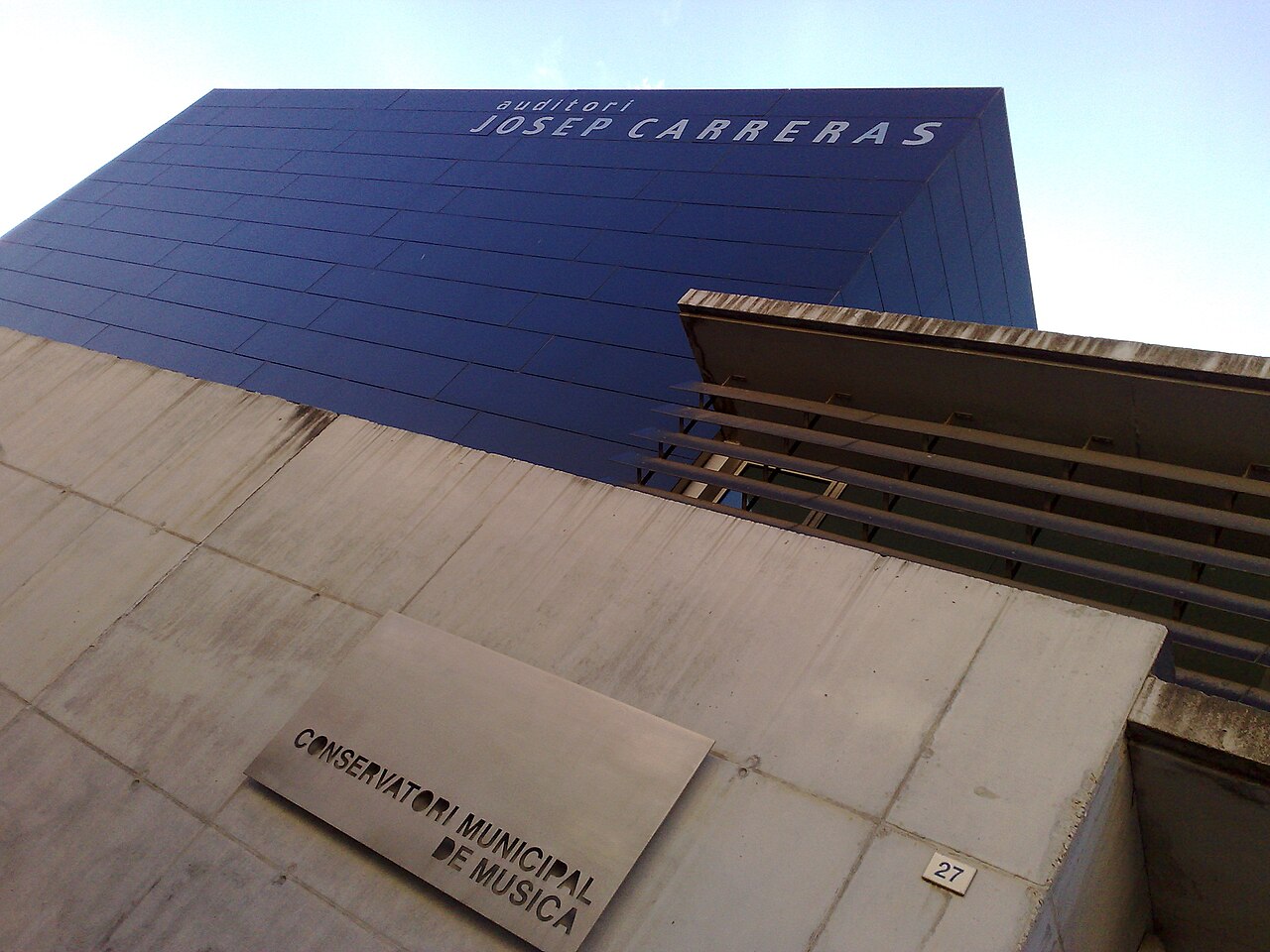
At eight, he began studying at Barcelona’s Municipal Conservatory and gave his first public performance—singing “La donna è mobile” on Spanish National Radio, a recording that survives. On 3 January 1958, at eleven, he debuted at the Gran Teatre del Liceu as the boy soprano Trujamán, and later that year sang his final boy soprano role there in the second act of La Bohème. Through his teens, he continued his musical education at the Conservatori Superior de Música del Liceu and took private lessons with Francisco Puig and later Juan Ruax, whom he called his “artistic father.” Following his father and brother’s advice to have a backup plan, he studied chemistry at the University of Barcelona for two years before leaving to focus on singing.

1970s and 1980s
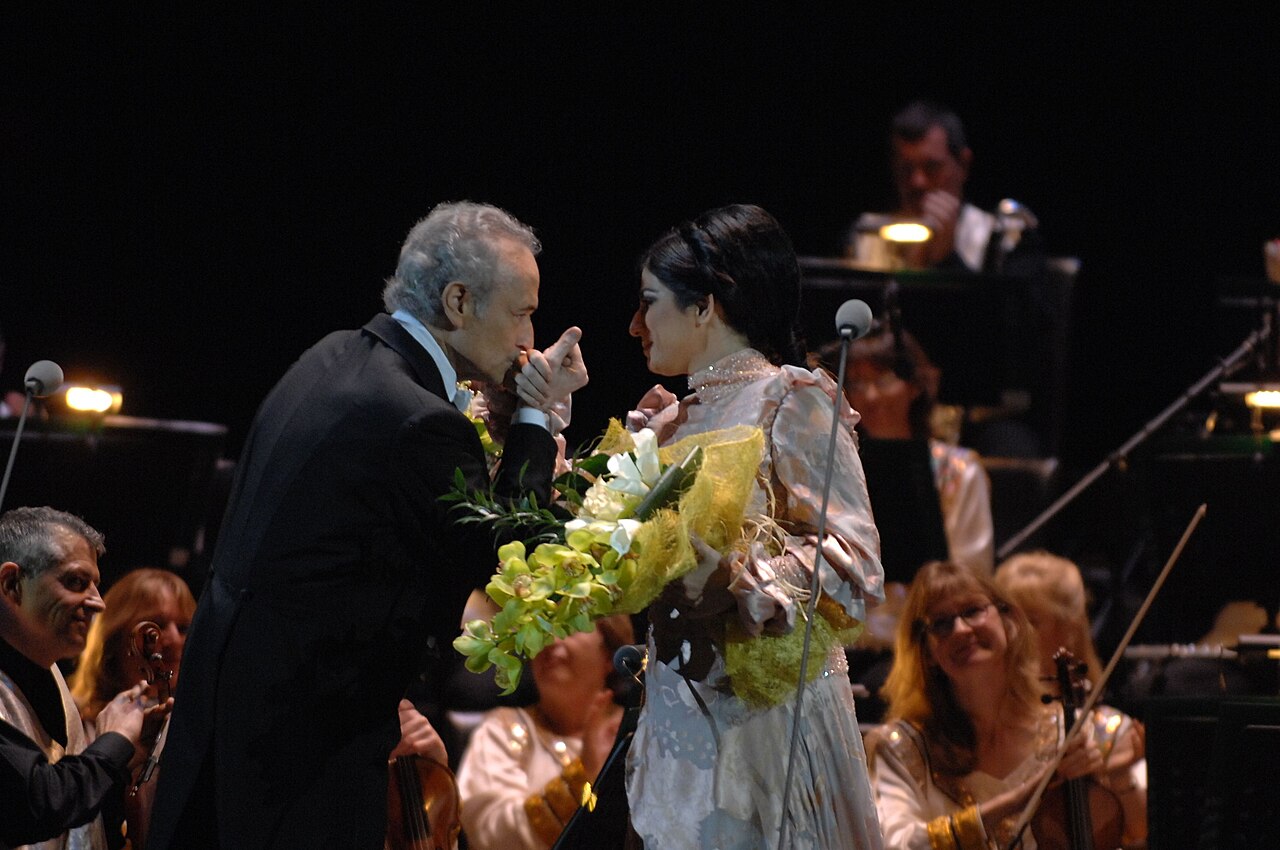
In 1970, Ruax helped Carreras audition for his first tenor role at the Liceu, Flavio in Norma. Though minor, his performance caught the attention of soprano Montserrat Caballé, who invited him to sing Gennaro in Donizetti’s Lucrezia Borgia that December—his first principal adult role and what he considers his true debut. He made his international debut in 1971 in a concert performance of Maria Stuarda at London’s Royal Festival Hall, again with Caballé.
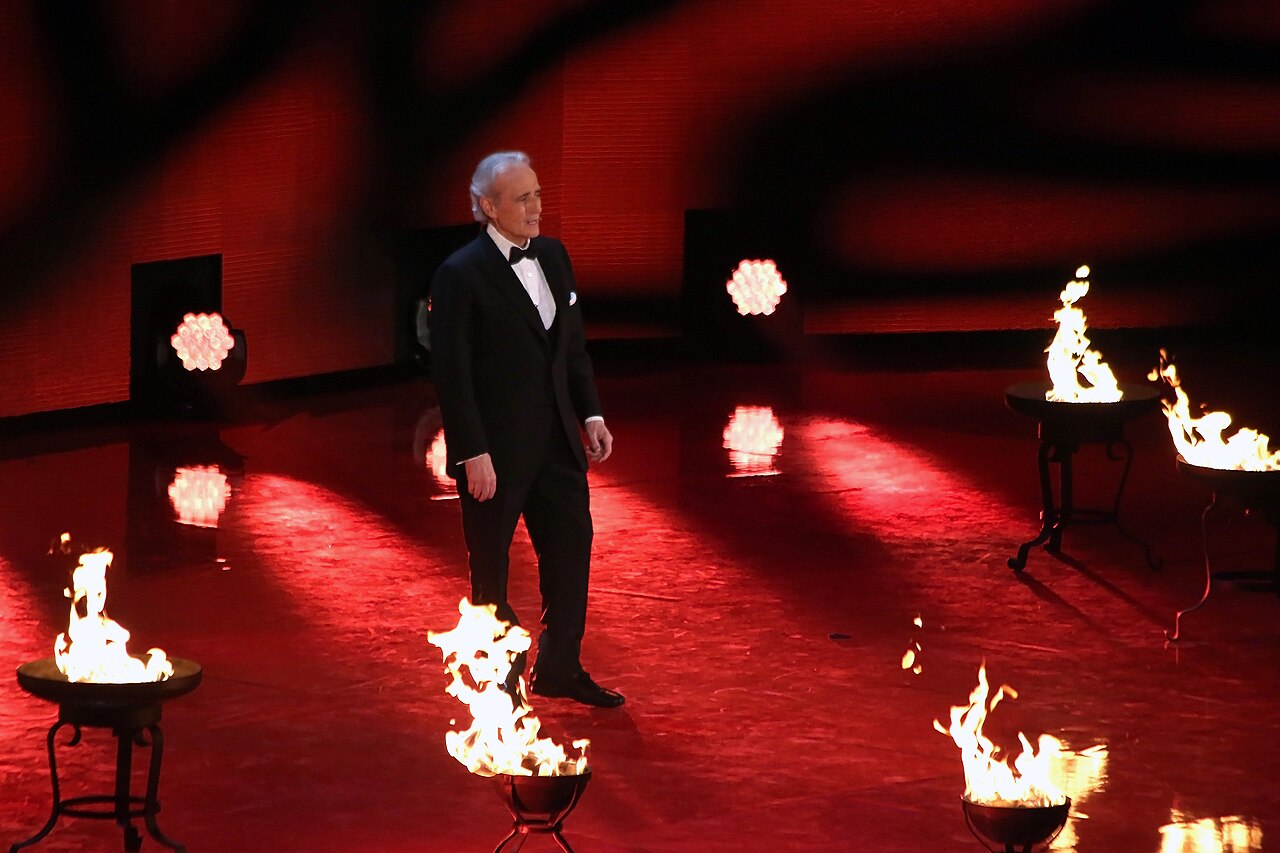
She remained a key supporter, appearing with him in over fifteen operas, while her brother Carlos managed Carreras until the mid-1990s. His career accelerated in the 1970s: he won first prize in Parma’s Voci Verdiane competition in late 1971, leading to his Italian debut as Rodolfo in La bohème at the Teatro Regio di Parma in January 1972. That year, he made his American debut as Pinkerton in Madama Butterfly with the New York City Opera. Major house debuts followed—San Francisco Opera (1973, Rodolfo), Philadelphia Lyric Opera (1973, Alfredo in La traviata), Vienna Staatsoper (1974, Duke of Mantua in Rigoletto), London’s Royal Opera House (1974, Alfredo), the Metropolitan Opera (1974, Cavaradossi in Tosca), and La Scala (1975, Riccardo in Un ballo in maschera).
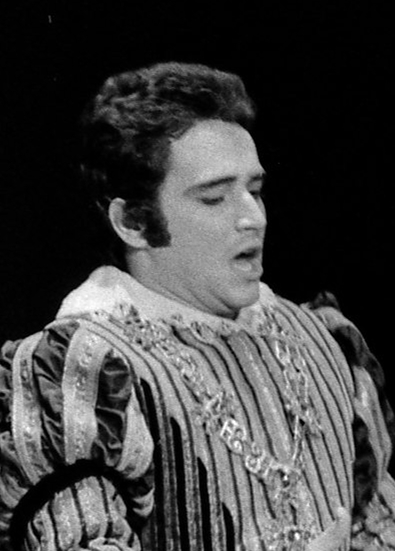
By 28, he had sung tenor leads in 24 operas across Europe and North America and held an exclusive recording contract with Philips, producing recordings of lesser-known Verdi works like Il Corsaro, I due Foscari, La battaglia di Legnano, Un giorno di regno, and Stiffelio. His leading ladies in the 1970s and 1980s included Montserrat Caballé, Birgit Nilsson, Viorica Cortez, Renata Scotto, Ileana Cotrubaș, Sylvia Sass, Teresa Stratas, Dame Kiri Te Kanawa, Frederica von Stade, Agnes Baltsa, Teresa Berganza, and Katia Ricciarelli. His partnership with Ricciarelli began with the 1972 La bohème in Parma and lasted thirteen years, yielding a studio recording of that opera for Philips and over a dozen other commercial recordings on Philips and Deutsche Grammophon.
Lore & Background
Carreras was born in Sants, a working-class district in Barcelona, the youngest of three children. His family emigrated to Argentina in 1951 but returned within a year. He showed early musical talent, intensified at age six after seeing Mario Lanza in The Great Caruso. At eight, he gave his first public performance, singing 'La donna è mobile' on Spanish National Radio.
He made his debut at Barcelona's Gran Teatre del Liceu at eleven. He studied at the Conservatori Superior de Música del Liceu and privately with Francisco Puig and Juan Ruax, whom he called his 'artistic father'. He briefly studied chemistry at the University of Barcelona before leaving to concentrate on singing.
Frequently Asked Questions
What is the José Carreras International Leukemia Foundation?
It is a charitable organization that Carreras established to fund and promote leukemia research and patient support. The inaugural Three Tenors concert in 1990 was specifically organized to raise money for this cause, and the resulting album went on to become the best-selling classical record of all time.
What is José Carreras's nationality and vocal type?
He was born in Spain and trained as a lyric tenor, a voice type suited to roles that demand both agility and a warm, singing quality. His Spanish heritage placed him alongside fellow countryman Plácido Domingo in the Three Tenors lineup, making the trio a uniquely international grouping.
Also in the Codexery
More in Opera & Vocal Legends
Sources
Compiled from Wikipedia and the sources listed below. Text from Wikipedia is available under CC BY-SA 4.0; this entry is adapted from it.
- Wikipedia: José Carreras (CC BY-SA 4.0).
Spotted an error? Know more?
Reader corrections go straight into our review queue. Suggest an edit · How this site is sourced