
Jussi Björling
Swedish tenor, one of the leading operatic singers of the 20th century.
Last updated

via Wikipedia: Jussi Björling · see source
Jussi Björling (5 February 1911 – 9 September 1960) was a Swedish tenor widely regarded as one of the finest operatic voices of the 20th century. He spent many seasons at the Metropolitan Opera in New York, with fewer appearances at major European houses such as London’s Royal Opera House and Milan’s La Scala. His repertoire focused on Italian, French, and Russian opera, which he performed with refined taste. In a 1999 poll by Classic CD magazine, music critics ranked him the greatest singer of the century.
Early life
Born Johan Jonatan Björling in Stora Tuna, Dalarna, Sweden, his birth was recorded as 5 February by the midwife, though church records mistakenly listed 2 February—the date he celebrated throughout his life. His Finnish grandmother gave him the nickname Jussi. His father, David, a skilled singer, taught Jussi and his brothers Olle and Gösta, forming the Björling Male Quartet.
Jussi made his public debut at age five, and the quartet toured Sweden and the United States for eleven and a half years. After David’s death in 1926, the group disbanded, and Jussi worked as a lamp salesman in Ystad. He made his radio debut in 1928 and, after auditioning for John Forsell, entered the Opera School and the Royal Swedish Academy of Music.
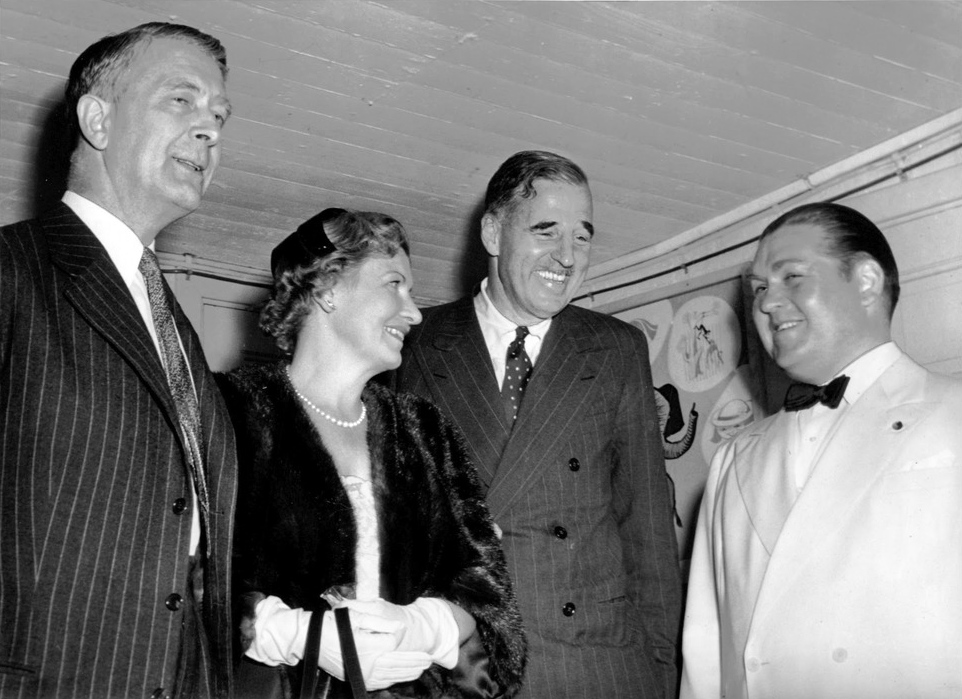
Career
His first stage appearance was as the Lamplighter in Manon Lescaut at the Royal Swedish Opera on 21 July 1930. His official debut as Don Ottavio in Don Giovanni followed on 20 August, with Forsell as the lead.
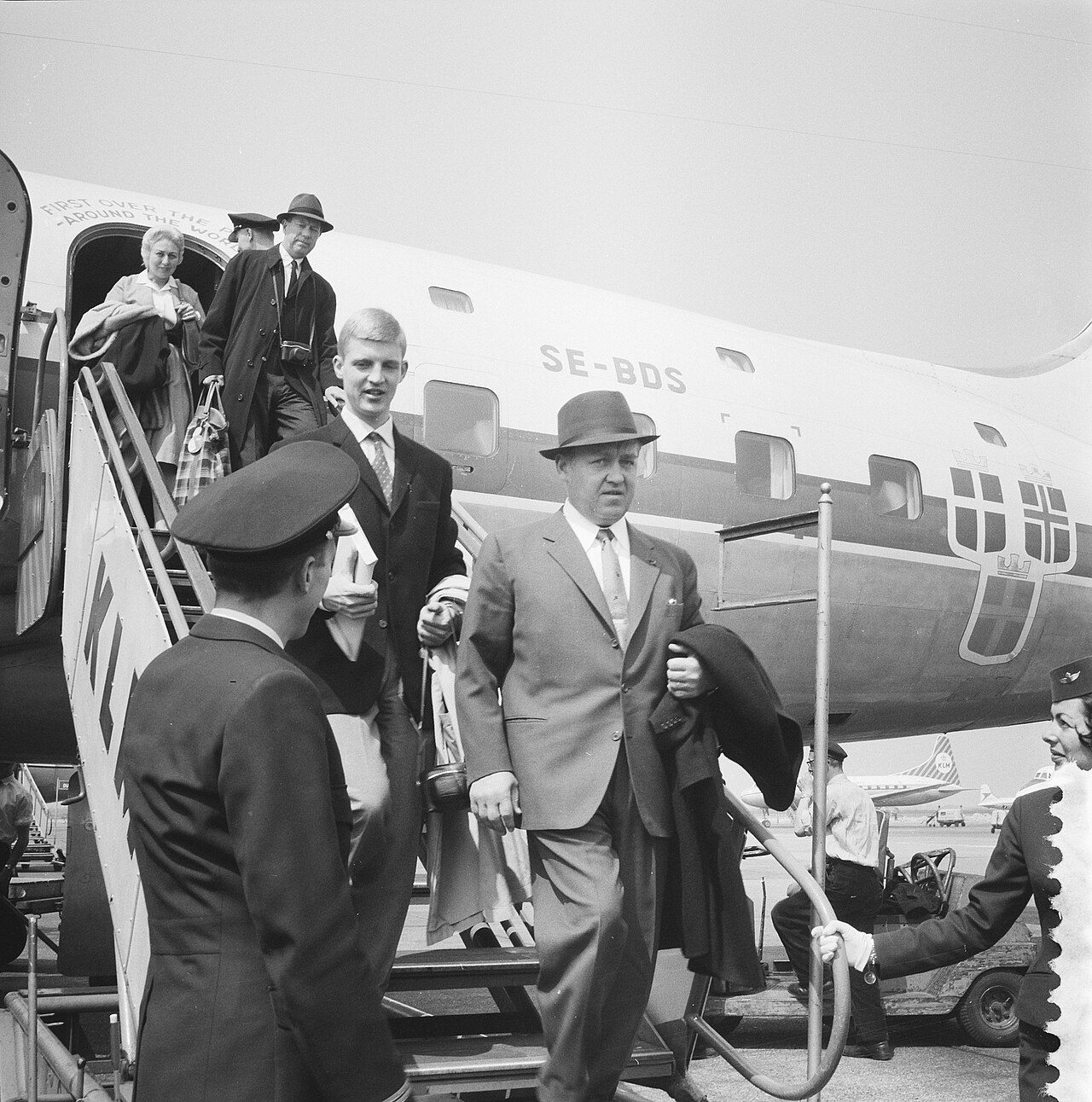
He also debuted as Arnold in William Tell and as Jonatan in Saul og David. He signed with the Royal Swedish Opera, taking on 53 roles by 1938, including Erik, Almaviva, the Duke, Rodolfo, and Florestan. He was the first Swedish performer to sing Dick Johnson, Luigi, Elemer, and Vladimir, notably sharing the stage with Feodor Chaliapin in 1935.
In July 1931, he gave his first adult recital outside Sweden at Copenhagen’s Tivoli. He frequently performed recitals, favoring lighter summer programs in Scandinavia and more serious works abroad.
Between 1936 and 1937, he appeared in Vienna, Prague, Berlin, Dresden, and Nuremberg, singing opera in Swedish alongside German ensembles. He made his London recital debut and first American tour in 1937, with a Carnegie Hall concert and Chicago opera appearances. On 24 November 1938, he debuted at the Metropolitan Opera as Rodolfo in La bohème, remaining on its roster until 1941 while also singing in San Francisco and Chicago.
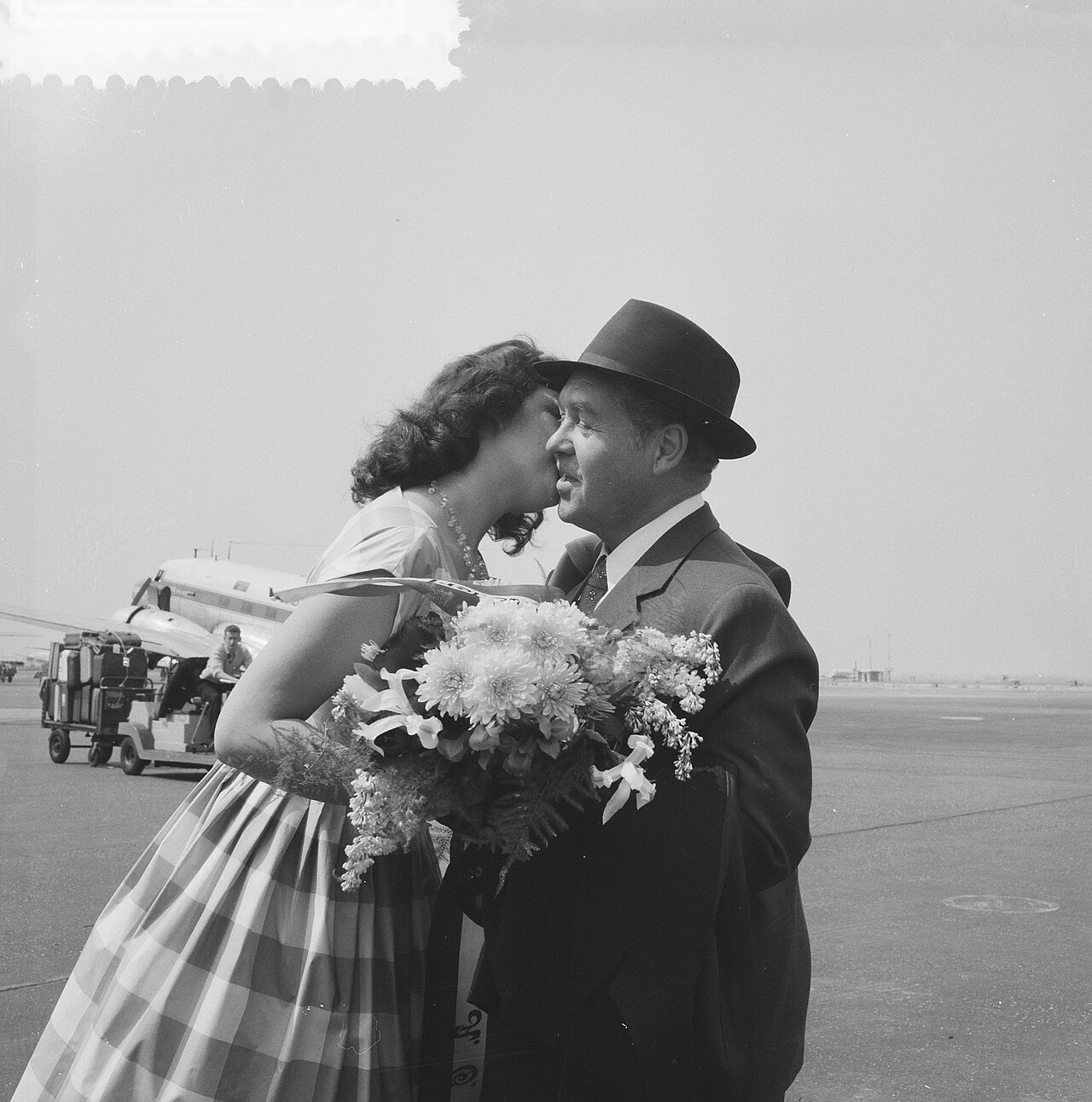
For the 1940–1941 Met season, he sang King Gustave III in a new staging of Un ballo in maschera set in Sweden. In December 1940, Arturo Toscanini invited him to perform the tenor part in Beethoven’s Missa solemnis in New York; a recording survives. Björling also sang the Verdi Requiem under Toscanini in Lucerne in 1939 and New York in 1940, both recorded.
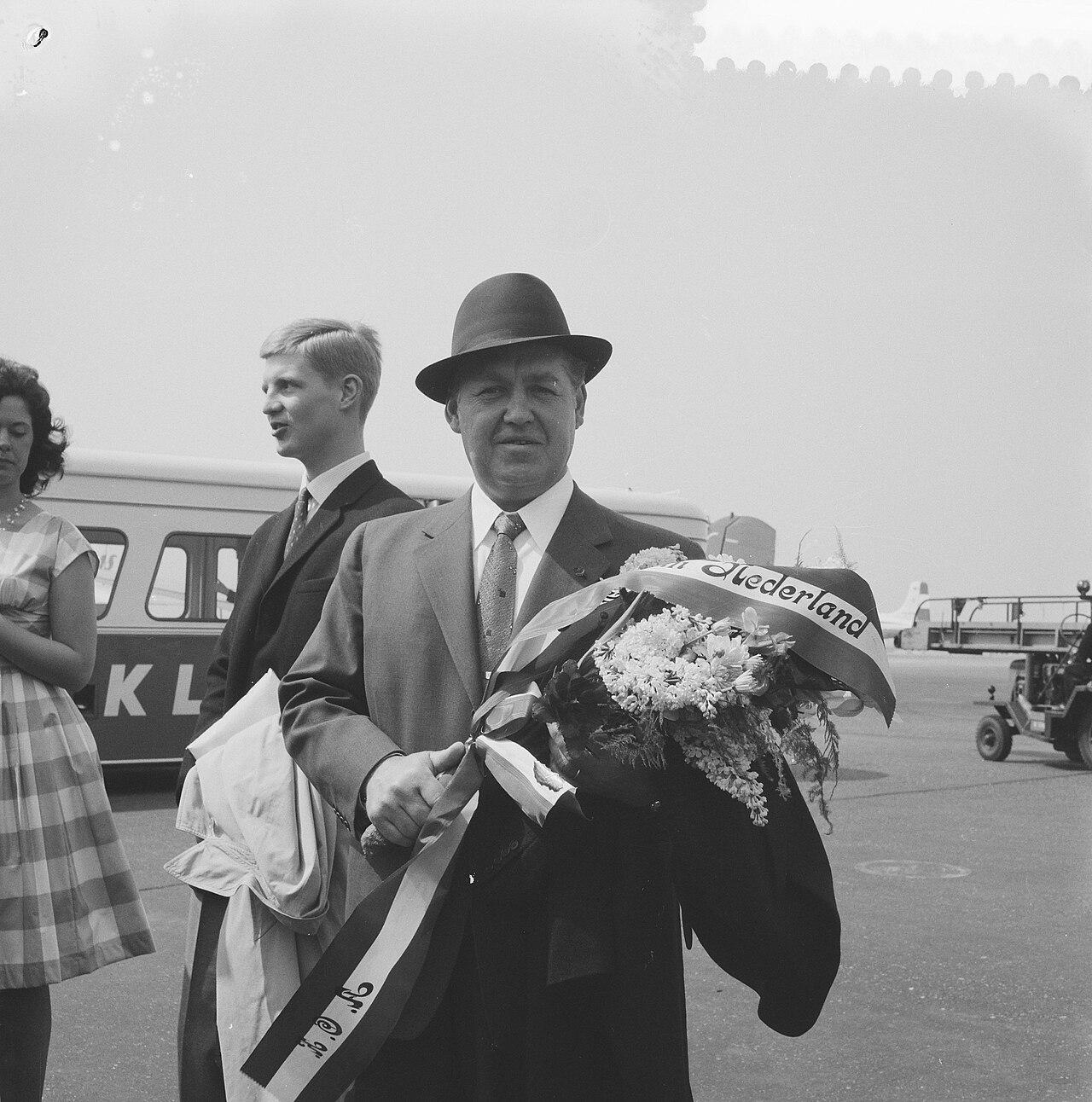
He debuted at London’s Royal Opera House in 1939 as Manrico in Il trovatore. During the war, he performed in Copenhagen, Helsinki, and Budapest, and made his Italian debut in Florence in 1943, again as Manrico. In 1944, King Gustaf V appointed him a Royal Court Singer.
Returning to the U.S. in 1945, he sang frequently at the Met, starting with the Duke in Rigoletto. His roles included major tenor parts in Il trovatore, Aida, Cavalleria rusticana, Faust, Roméo et Juliette, La bohème, Madama Butterfly, Tosca, and Manon Lescaut. He opened the 1950–1951 season as Don Carlo, but his relationship with manager Rudolf Bing soured, leading to absences in the mid-1950s.
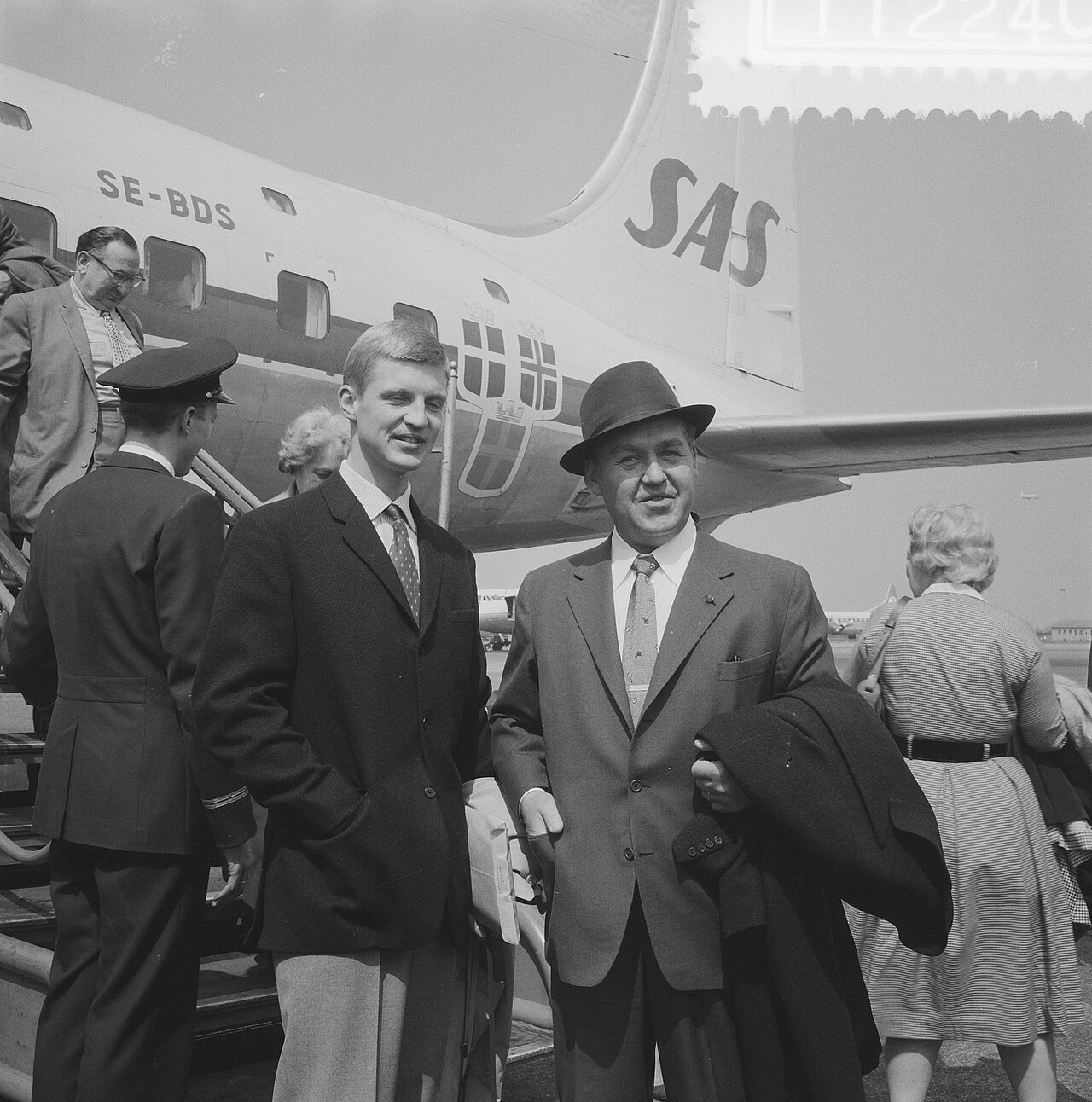
He also performed with the Lyric Opera of Chicago and San Francisco Opera. At La Scala, he sang in Rigoletto in 1946 and Un ballo in maschera in 1951. A planned Paris debut in 1953 fell through, and aside from recitals in the UK, Yugoslavia, East Germany, and South Africa in 1954, he rarely performed outside Scandinavia and the United States.
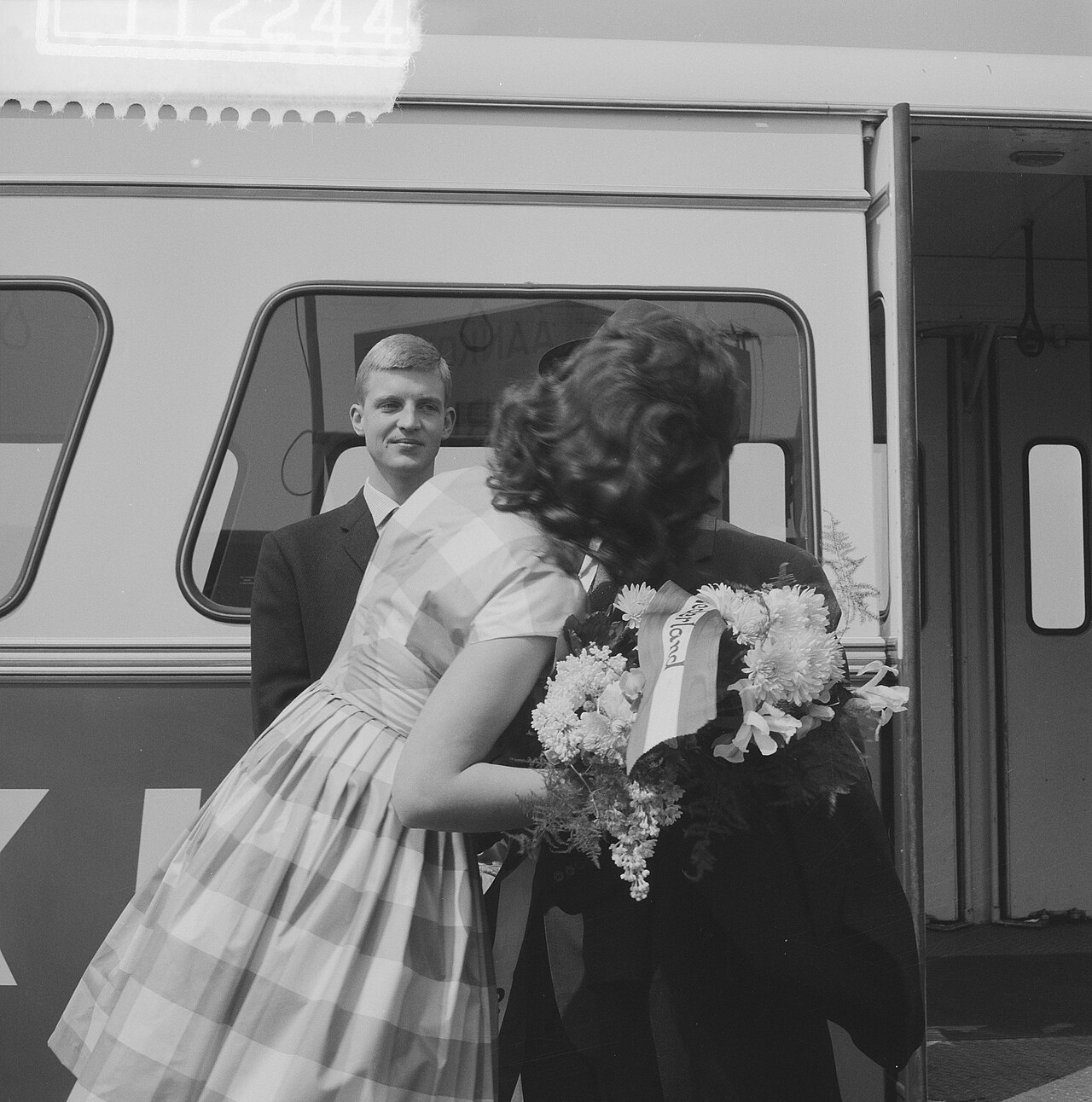
On 15 March 1960, Björling suffered a heart attack before a La bohème performance at Covent Garden but insisted on singing despite the pain.
Quick Facts
- Died
- 9 September 1960
- Field
- Opera, recital
- Nationality
- Swedish
Facts from the source article.
Lore & Background
Björling was born in Stora Tuna, Borlänge, Dalarna, Sweden, in February 1911. The midwife's register shows he was born on 5 February, but the church baptism records erroneously show 2 February, and that was the day on which he celebrated his birthday throughout his whole life. He was known throughout his life by the name Jussi, which he received as a child from his Finnish-born grandmother. His father, David, was an accomplished singer and the first teacher of Jussi and his two brothers, Olle and Gösta.
Jussi made his debut public appearance at five years of age. The group performed in concerts throughout Sweden and the United States for years. David Björling died in 1926, leading to the disbandment of the quartet and, as a consequence, Jussi Björling found work as a lamp salesman in Ystad. In 1928, Björling made his radio debut.
In the same year, he auditioned for John Forsell, and was admitted to the Opera School and the Royal Swedish Academy of Music. Björling made his first stage appearance in the small part as the Lamplighter in Manon Lescaut at the Royal Swedish Opera on 21 July 1930. This was soon followed by his official debut role as Don Ottavio in Mozart's Don Giovanni on 20 August 1930.
His other two official debut roles followed; Arnold in Rossini's William Tell on 27 December, and Jonatan in Saul og David by Carl Nielsen on 13 January 1931. This led to a contract with the Royal Swedish Opera, where Björling added 53 parts up to 1938. On 24 November 1938 he made his debut at the Metropolitan Opera as Rodolfo in La bohème, where he remained on the roster until 1941. In 1945 Björling returned to the US and appeared frequently at the Metropolitan Opera.
On 15 March 1960 Björling suffered a heart attack before a performance of La Bohème at Covent Garden. He insisted on singing in spite of his condition. Björling then made a short American tour, making his last operatic performance as Faust in San Francisco on 1 April 1960 and his final recital at Skansen, Stockholm, on 20 August 1960. He died of heart-related issues in his sleep on 9 September 1960, aged 49.
Did You Know?
- Björling's son and grandson were also professional tenors.
Frequently Asked Questions
What opera houses was Jussi Björling associated with?
His primary stage was the Metropolitan Opera in New York City, where he performed for many years. He also sang at the Royal Opera House in London and La Scala in Milan, though less frequently.
What repertory was Jussi Björling known for?
He was particularly admired for his taste in the Italian, French, and Russian operatic repertory. His recorded performances in these traditions remain highly regarded by vocal enthusiasts.
How is Jussi Björling ranked among 20th-century singers?
In a 1999 poll conducted by Classic CD magazine in the UK, music critics voted him the greatest singer of the twentieth century. This ranking cemented his legacy among operatic connoisseurs.
When was Jussi Björling born and when did he die?
He was born on 5 February 1911 in Sweden and passed away on 9 September 1960. His baptism records incorrectly list 2 February, but he himself celebrated his birthday on the 5th.
Also in the Codexery
More in Opera & Vocal Legends
Related in Opera & Vocal Legends
Links follow this subject's own source article.
Sources
Compiled from Wikipedia and the sources listed below. Text from Wikipedia is available under CC BY-SA 4.0; this entry is adapted from it.
- Wikipedia: Jussi Björling (CC BY-SA 4.0).
Spotted an error? Know more?
Reader corrections go straight into our review queue. Suggest an edit · How this site is sourced