
Antiope (mother of Amphion)
Mother of Amphion and Zethus, abused by her uncle and rescued by her sons.

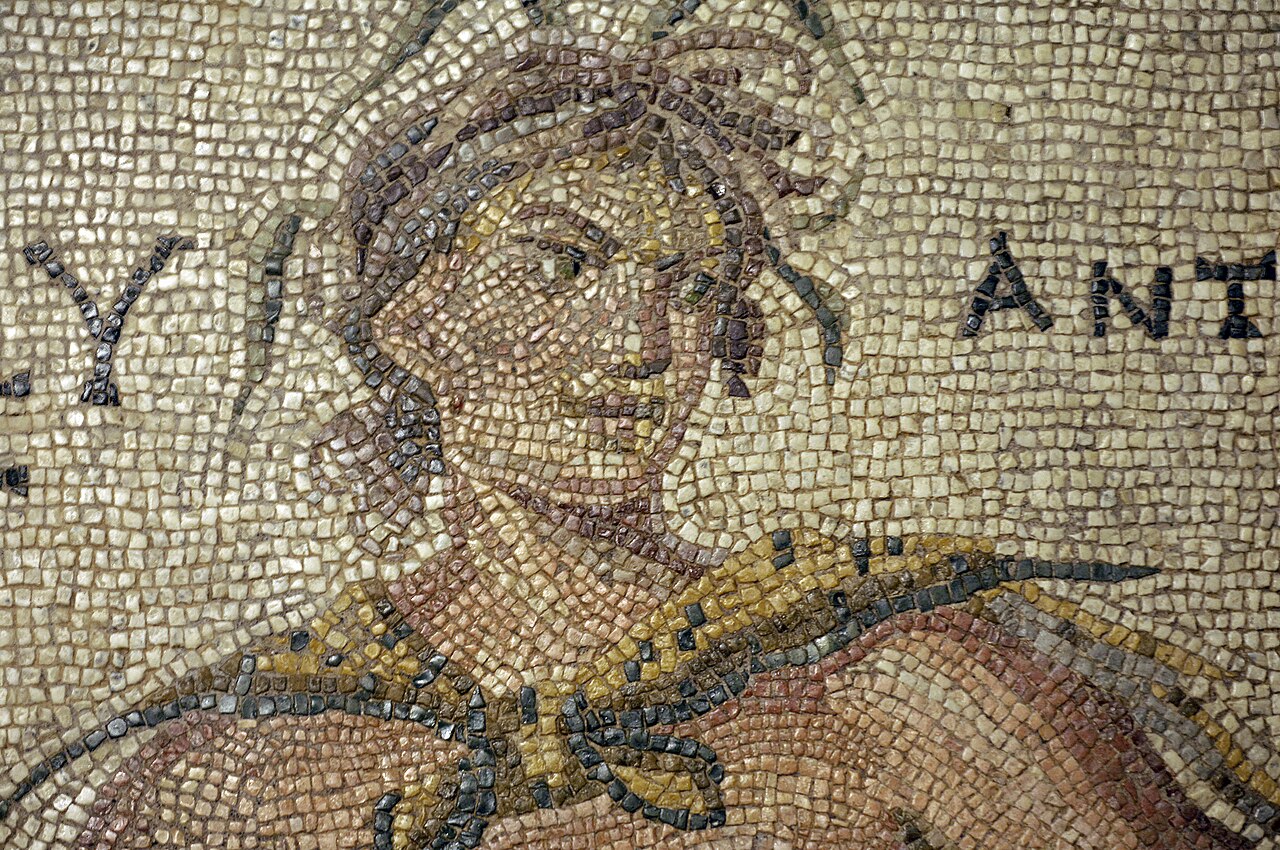
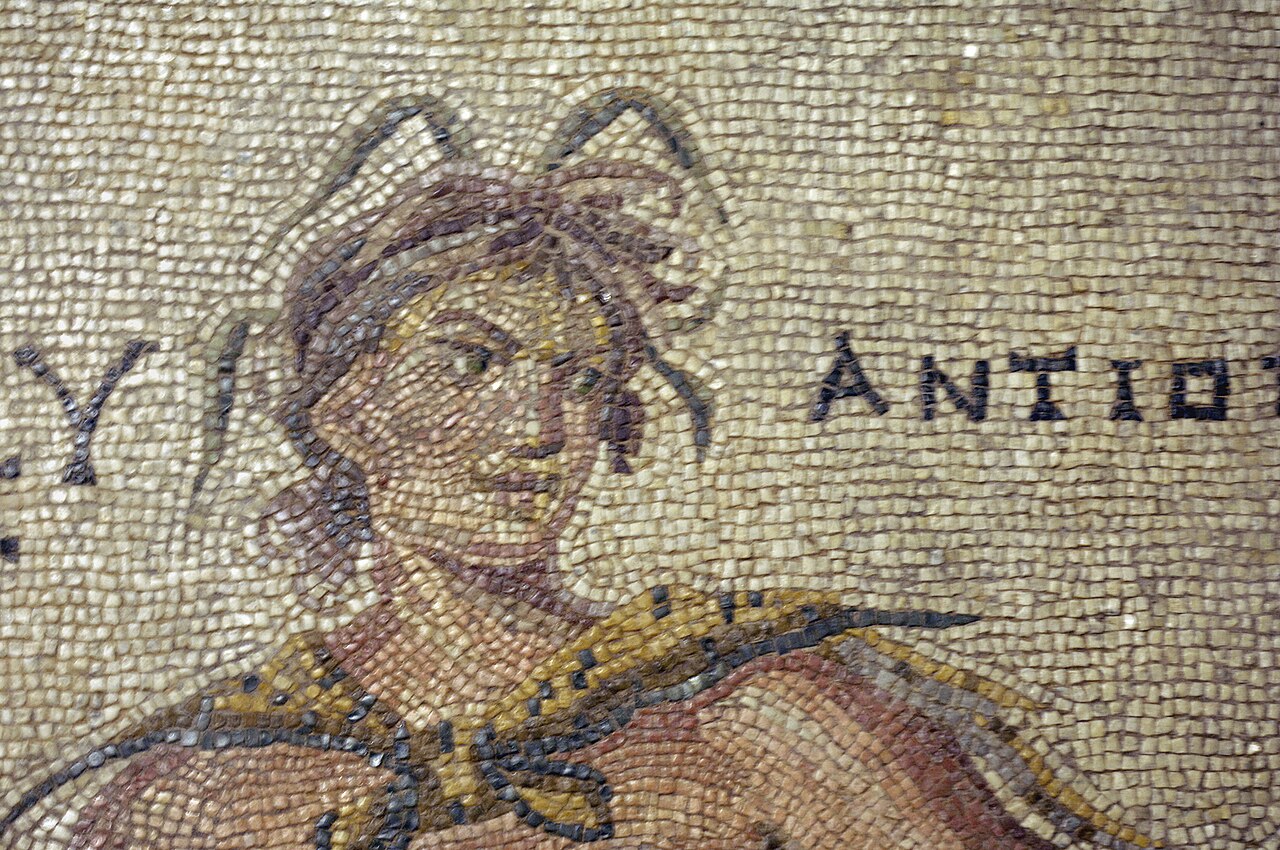
Dosseman · CC BY-SA 4.0
Antiope is the mother of the twin heroes Amphion and Zethus by Zeus. Although early sources say she is a daughter of the Boeotian river god Asopus, most authors make her a child of King Nycteus of Thebes. Her myth has many variations, but all agree that she is forced to expose her children after birth and then spends many years being abused by her uncle and his wife before her sons save her.
- Father (most authors)
- King Nycteus of Thebes (though in Homer and Apollonius Rhodius her father is Asopus, the river-god)
- Father (early sources)
- Boeotian river god Asopus (favored by Homer; Apollonius Rhodius, however, calls her the daughter of Asopus)
Lore & Background
In the earliest mention, from Homer's Odyssey, Antiope is a daughter of the river-god Asopus who bore Zeus's sons Amphion and Zethus, the founders of seven-gated Thebes. The lost epic Cypria apparently referenced Antiope with the story of how Epopeus was ruined for seducing the daughter of Lycus (or Lycurgus). Other traditions make Antiope the daughter of Nycteus, brother to Lycus and regent of Thebes. It is unclear what lineage Hesiod knew; the Catalogue of Women probably discussed her ancestry, but surviving fragments do not determine which version it used. In Euripides' play Antiope, she fled to Sicyon after Zeus visited her 'as a bad man', married King Epopeus, and was later dragged back to Thebes by Lycus. She gave birth to twins in Eleutherae and exposed them; a kindly herdsman found and raised them, calling them Amphion and Zethus because their mother gave birth on the road (amphodon) and asked for an easy labour (ezetese). Lycus and his wife Dirce abused Antiope as a slave. After years, she escaped to her grown sons, who did not recognize her. Dirce recognized Antiope and tried to kill her, but the herdsman revealed the twins' parentage. They rescued Antiope and tied Dirce to a wild bull, which killed her. They were about to kill Lycus when Hermes intervened and convinced them to spare him. Hermes also instructed them to build Thebes' fortifications using Amphion's lyre. In later Roman-era authors, Zeus was commonly portrayed as taking the form of a satyr to seduce Antiope. Nycteus' death varies: in some versions he kills himself out of shame, in others he is mortally wounded in a campaign against Sicyon. Nicolaus of Damascus places the events during Laius' reign; Antiope approached her sons in court, they killed Lycus and stoned Dirce, and Laius allowed them Lycus' house. The Sicyonian version, preserved in late authors like Pausanias, may have presented Epopeus and Antiope's relationship as seduction and elopement; Nycteus waged war to fetch her back, and after his death Lycus continued. Asius of Samos likely placed Antiope's impregnation by Zeus after her marriage to Epopeus and might have included heteropaternal superfecundation (one twin by Zeus, one by Epopeus), though which twin is unclear.
Reader's Guide
Antiope is a figure from Greek and Roman mythology, best known as the mother of Amphion and Zethus by Zeus. Her story involves forced exposure of her children, years of abuse by her uncle Lycus and his wife Dirce, and eventual rescue by her grown sons. The fullest account comes from Euripides' lost play Antiope.
The Arc of Suffering and Reunion
Antiope's story is fundamentally one of prolonged suffering followed by dramatic rescue. After Zeus impregnated her, she fled to Sicyon, where she married King Epopeus. When Nycteus died, his brother Lycus took it upon himself to punish her. He killed Epopeus, hauled Antiope back to Thebes, where she gave birth to twin boys in Eleutherae near Cithaeron. She was compelled to expose the infants, though a kind herdsman found and raised them. Back in Thebes, Lycus assumed the vacant regency, and he and his wife Dirce reduced Antiope to servitude, tormenting her for many years. Eventually she seized a chance to escape and reached Eleutherae, where she encountered her grown sons. Crucially, they did not recognize her or credit her claim of being their mother, suspecting instead that she was a runaway slave. It was only when Dirce caught up to her and the boys' foster father revealed their true parentage that Amphion and Zethus acted to save her from execution.
Euripides' Lost Masterpiece
The most complete and influential version of Antiope's myth comes from Euripides' play of the same name, staged in the late 400s BC, with scholars proposing either the 420s or 409 BC as the original production date. Though the full text is lost, numerous fragments and a summary survive. The drama features a notable philosophical debate between the twin brothers: Zethus, the hardworking herdsman, criticizes his brother Amphion for preferring music and contemplation over physical labor, while Amphion defends the arts. The play also incorporates a secondary chorus of female attendants. The climax involves Dirce, a Bacchant attending worship of Dionysus, spotting the escaped Antiope and dragging her off to be killed. The twins then tie Dirce to a wild bull, which drags her to her death as retribution. Hermes intervenes to prevent the twins from killing Lycus, instead convincing him to yield the throne and instructing them to build Thebes' fortifications using Amphion's lyre, whose music magically arranges the building stones into place.
Shifting Lineages and the Sicyonian Tradition
Antiope's parentage is one of the most contested aspects of her myth. Homer and Apollonius Rhodius identify her father as Asopus, the Boeotian river-god, while most later authors make her the daughter of King Nycteus of Thebes by Polyxo. Her sisters through Nycteus are Polyxo and Nycteïs. The Sicyonian tradition, evidenced by a fragment of the Cypria and preserved in later sources such as the second-century traveller Pausanias, centers on her relationship with King Epopeus. The archaic poet Asius of Samos apparently presented their union in a positive light, as seduction and elopement rather than abduction. Nevertheless, Nycteus waged war against Sicyon to retrieve his daughter. The circumstances of Nycteus' death also vary across sources: in some accounts he kills himself in shame over Antiope's disgrace, while in others he leads the campaign against Sicyon himself, is mortally wounded, and passes the mission to punish Antiope and Epopeus over to his brother Lycus.
Dionysian Undertones and Artistic Afterlife
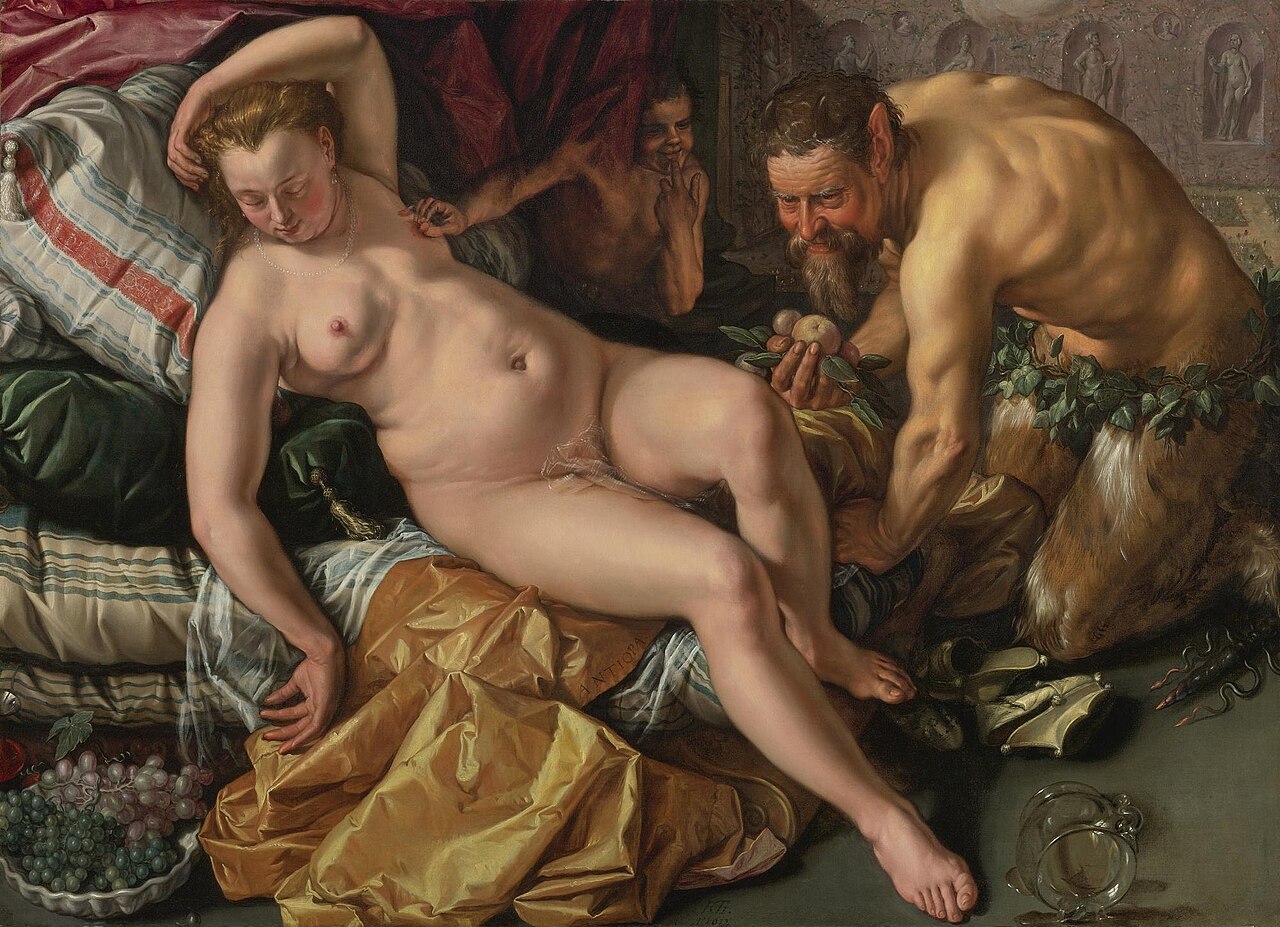
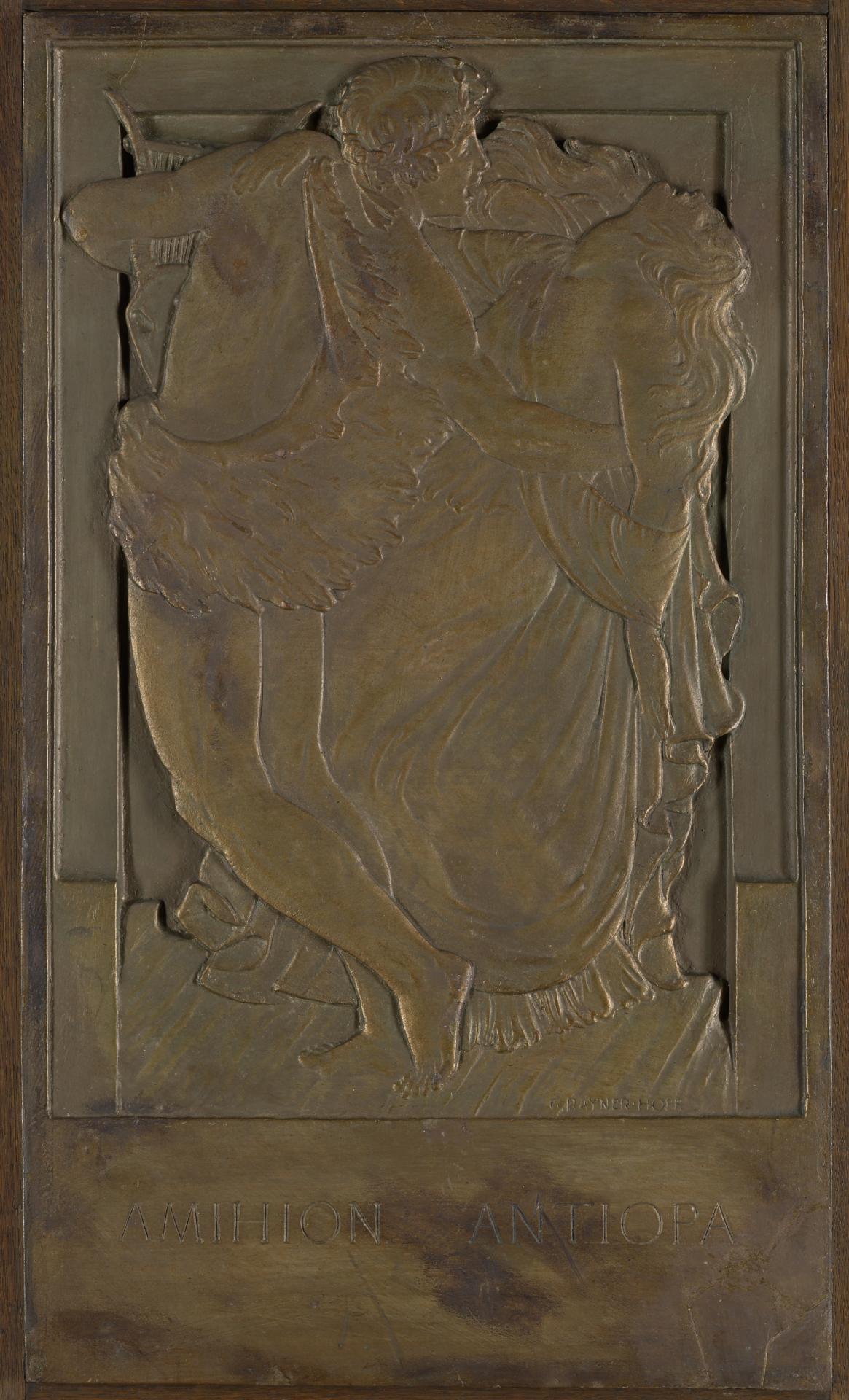
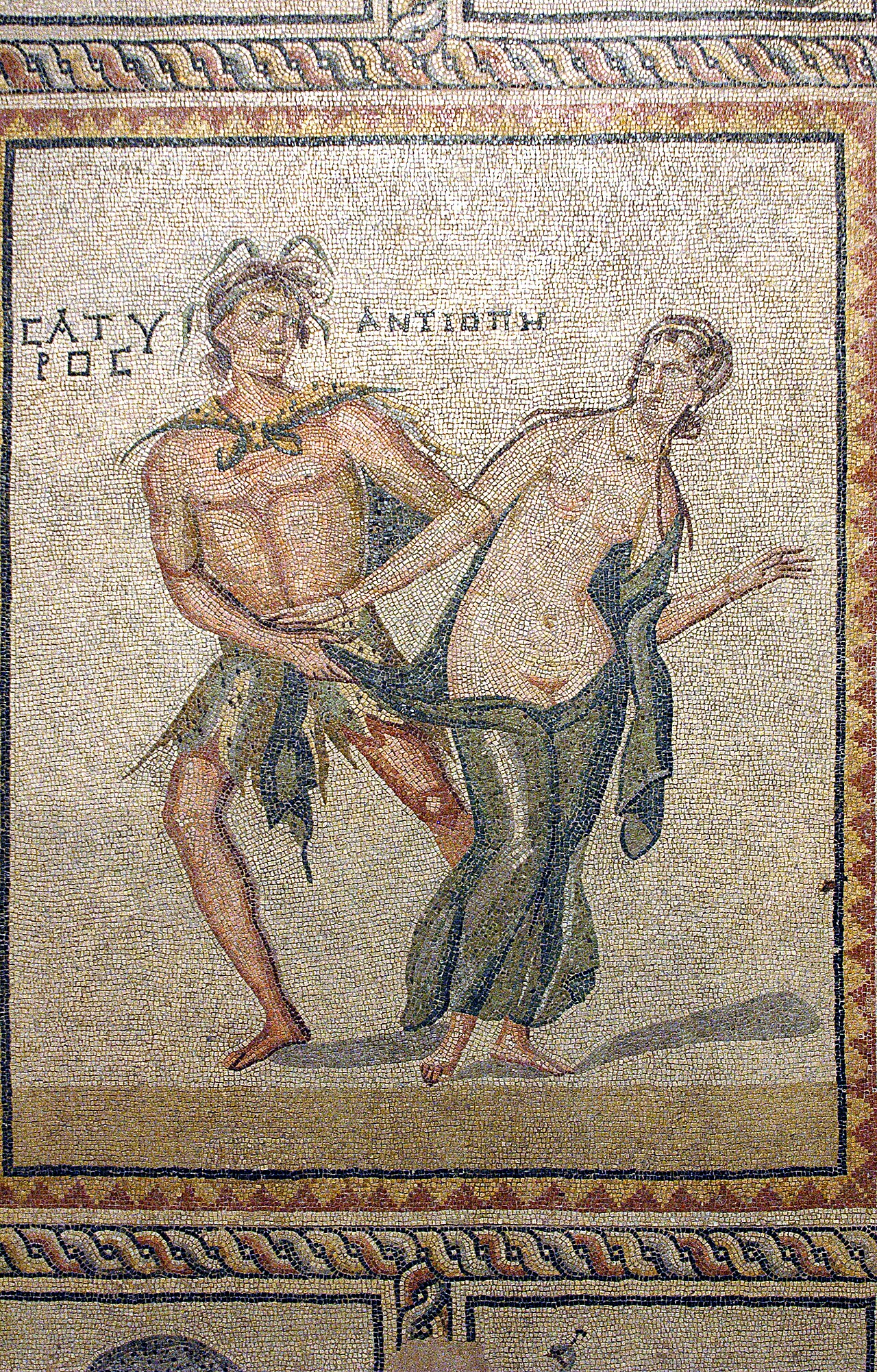
The Antiope myth carried a distinct Dionysian character that shaped its reception across centuries. In Roman-era retellings, Zeus commonly appeared as a satyr when approaching Antiope, and she was sometimes cast as a Maenad—a pairing that the scholar Arthur Bernard Cook identified as giving the narrative a specifically Dionysian flavor. Dirce's role as a Bacchant in Euripides' play reinforces this connection. The story's influence extended well beyond literature: it inspired numerous artists throughout both the classical and post-classical periods. Nicolaus of Damascus set the events during Laius' reign, with Antiope approaching her sons in court and the twins killing Lycus and stoning Dirce, after which Laius granted them Lycus' house as reparations for the mistreatment Antiope had endured. The myth's core elements—divine conception, maternal suffering, filial rescue, and the magical founding of a city—made it a rich and enduring source for visual and dramatic artists across the ancient and later worlds.
Gallery
Frequently Asked Questions
Who is Antiope (mother of Amphion)?
Antiope is a Theban princess in Greek mythology who bore the twin heroes Amphion and Zethus to Zeus. She is best known from the lost late-fifth-century play of the same name written by Euripides, though details of her story shift across different ancient sources.
What is Antiope's role in Greek mythology?
Her central mythological function is that of a wronged mother who endures long years of servitude and abuse under the control of her uncle and his wife. She serves as the suffering maternal figure whose plight ultimately motivates the heroic actions of her twin sons.
Who are Antiope's parents in Greek myth?
Most later authors identify King Nycteus of Thebes as her father, while earlier sources name the Boeotian river god Asopus as her parent. Her mother is not consistently named across the surviving accounts.
Why is Antiope (mother of Amphion) important to Greek mythology?
She anchors the founding legend of Thebes, since her sons Amphion and Zethus are credited with raising the city's legendary walls. Her narrative also became a major subject of Greek tragedy, surviving primarily through references to Euripides' now-lost drama.
More in Mythological kidnapped people 1-24
Spotted an error? Know more?
Reader corrections go straight into our review queue. Suggest an edit · How this site is sourced