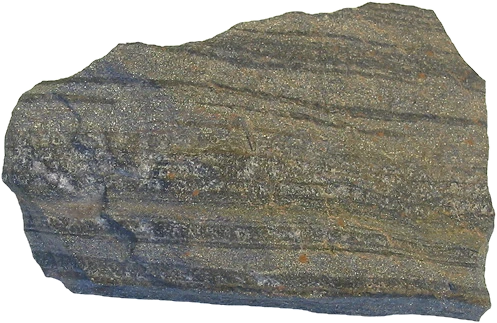
Sulfide mineral
Class of minerals with sulfide or disulfide as major anion.
Last updated
Sulfide minerals are a class of inorganic compounds in which the primary anion is either sulfide (S2−) or disulfide (S2−2). This broader classification also encompasses selenides, tellurides, arsenides, antimonides, bismuthinides, sulfarsenides, and sulfosalts. Many of these minerals hold significant economic importance as sources of metals.
Notable examples include acanthite, chalcocite, bornite, galena, sphalerite, chalcopyrite, pyrrhotite, millerite, pentlandite, covellite, cinnabar, realgar, orpiment, stibnite, pyrite, marcasite, and molybdenite. Within the sulfarsenide subgroup are minerals such as cobaltite, arsenopyrite, and gersdorffite. The sulfosalts include pyrargyrite, proustite, tetrahedrite, tennantite, enargite, bournonite, jamesonite, and cylindrite. The classification of these minerals follows the Nickel–Strunz system, which organizes them by their chemical composition and crystal structure.
This system assigns a code of the form NN.XY.##x, where NN denotes the mineral class, X the division, Y the family, and ##x the specific group or mineral. The sulfide class is designated as 02, and it is further divided into categories such as simple sulfides and selenides (02.A), metal sulfides with a metal-to-sulfur ratio greater than 1:1 (02.B), and metal sulfides with a 1:1 ratio (02.C). Within these divisions, minerals are grouped by associated metals, including alloys with copper, silver, gold, nickel, iron, platinum-group elements, mercury, thallium, lead, bismuth, zinc, tin, and others.
Quick Facts
- Class
- Sulfide minerals
- Major anion
- Sulfide (S2−) or disulfide (S2−2)
- Includes
- Selenides
- tellurides
- arsenides
- antimonides
- bismuthinides
- sulfarsenides
- sulfosalts
- Economic importance
- Some are economically important as metal ores
- Classification system
- Nickel–Strunz Classification -02- Sulfides
Facts from the source article.
Lore & Background
The sulfide minerals are a class of minerals containing sulfide (S2−) or disulfide (S2−2) as the major anion. Some sulfide minerals are economically important as metal ores. The sulfide class also includes the selenides, the tellurides, the arsenides, the antimonides, the bismuthinides, the sulfarsenides and the sulfosalts.
Sulfide minerals are inorganic compounds. Common or important examples include Acanthite (Ag2S), Chalcocite (Cu2S), Bornite (Cu5FeS4), Galena (PbS), Sphalerite (ZnS), Chalcopyrite (CuFeS2), Pyrrhotite (Fe1–xS), Millerite (NiS), Pentlandite ((Fe,Ni)9S8), Covellite (CuS), Cinnabar (HgS), Realgar (AsS), Orpiment (As2S3), Stibnite (Sb2S3), Pyrite (FeS2), Marcasite (FeS2), and Molybdenite (MoS2). Sulfarsenides include Cobaltite ((Co,Fe)AsS), Arsenopyrite (FeAsS), and Gersdorffite (NiAsS).
Sulfosalts include Pyrargyrite (Ag3SbS3), Proustite (Ag3AsS3), Tetrahedrite (Cu12Sb4S13), Tennantite (Cu12As4S13), Enargite (Cu3AsS4), Bournonite (PbCuSbS3), Jamesonite (Pb4FeSb6S14), and Cylindrite (Pb3Sn4FeSb2S14). The Nickel–Strunz classification scheme is used, with code scheme NN.XY.##x. The class is numbered 02 in the Nickel–Strunz system, and includes divisions such as 02.A Simple Sulfides, Selenides, etc., 02.B Metal Sulfides with various M:S ratios, 02.C Metal Sulfides with M:S = 1:1, 02.D Metal Sulfides with M:S = 3:4 and 2:3, 02.E Metal Sulfides with M:S ≤ 1:2, and 02.F Sulfides of Arsenic, Alkalies; Sulfides with Halide, Oxide, Hydroxide, H2O.
Reader's Guide
Sulfide minerals constitute a broad class of inorganic compounds defined by the presence of sulfide (S2−) or disulfide (S2−2) as the major anion. Their significance lies in their economic importance as metal ores, providing sources for metals such as silver, copper, lead, zinc, iron, nickel, mercury, arsenic, antimony, and molybdenum. The class also encompasses related compounds including selenides, tellurides, arsenides, antimonides, bismuthinides, sulfarsenides, and sulfosalts, expanding the range of elements and minerals covered. The Nickel–Strunz classification system organizes these minerals into a hierarchical scheme based on chemical composition and structure, with divisions for simple sulfides, metal sulfides of varying metal-to-sulfur ratios, and sulfides incorporating halides, oxides, or water.
Common examples such as galena (PbS), sphalerite (ZnS), chalcopyrite (CuFeS2), and pyrite (FeS2) are widely recognized, while rarer species like those containing platinum-group elements or rare-earth elements are also cataloged. The classification includes notes on discredited or questionable minerals, reflecting ongoing refinement by the IMA-CNMNC. Overall, sulfide minerals are fundamental to economic geology and mineralogy, with their study informing ore deposit models and industrial extraction processes.
More in Minerals & Ore Deposits
Sources
Compiled from Wikipedia and the sources listed below. Text from Wikipedia is available under CC BY-SA 4.0; this entry is adapted from it.
- Wikipedia: Sulfide mineral (CC BY-SA 4.0).
- Word definitions: the Codexery glossary, each quoted from its Wikipedia article.
Spotted an error? Know more?
Reader corrections go straight into our review queue. Suggest an edit · How this site is sourced