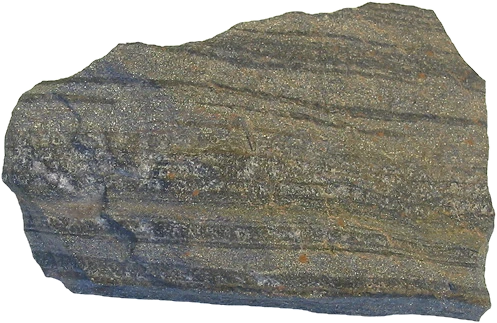
Phosphate mineral
Minerals containing phosphate anion, key to fertilizers and industry.
Last updated
Phosphate minerals are a class of minerals built around the phosphate anion (PO₄³⁻), which has a tetrahedral shape. In some cases, arsenate (AsO₄³⁻) or vanadate (VO₄³⁻) can take the place of phosphate in the crystal structure. Additional anions such as chloride (Cl⁻), fluoride (F⁻), and hydroxide (OH⁻) may also be incorporated. Although this mineral class is large and varied, only a handful of species occur widely.
The main economic source of phosphorus is phosphate rock, which is rich in minerals from the apatite group. Most mined phosphate minerals go into agriculture, where they are used to make fertilizers and animal feed supplements. Beyond farming, they have industrial uses in water treatment, metallurgy, food preservation, ceramics, and cosmetics. Phosphate compounds are also common in electrochemical conversion coatings that prevent rust and corrosion on iron and steel.
Examples of phosphate minerals include triphylite, monazite, hinsdalite, pyromorphite, amblygonite, lazulite, wavellite, turquoise, autunite, phosphophyllite, struvite, xenotime-Y, and the apatite group (which includes hydroxyapatite, fluorapatite, chlorapatite, and bromapatite). The mitridatite group contains the arseniosiderite–mitridatite and arseniosiderite–robertsite series.
The Nickel–Strunz classification system places these minerals in class 08, with further subdivisions based on the presence of additional anions and water, as well as the size of the cations involved. The IMA-CNMNC has proposed a newer hierarchical scheme.
Quick Facts
- Class
- Phosphates
- Primary economic source
- Phosphate rock (apatite-group minerals)
- Major use
- Fertilizers and animal feed supplements
Facts from the source article.
Lore & Background
Phosphate minerals are characterized by the presence of the tetrahedrally coordinated phosphate anion within their crystal structure. This anion can be partially replaced by arsenate or vanadate, and the structure also accommodates chloride, fluoride, and hydroxide anions. The mineral class is extensive and varied, yet relatively few species occur commonly. Notable examples include triphylite, monazite, pyromorphite, turquoise, and members of the apatite group, such as hydroxyapatite, fluorapatite, and chlorapatite.
Apatite-group minerals are particularly significant as they constitute the primary component of phosphate rock, which is the main economic source for phosphorus extraction. The majority of mined phosphate minerals are used in agriculture for fertilizers and animal feed supplements. Beyond this, they find application in water treatment, metallurgy, food preservation, ceramics, cosmetics, and in electrochemical conversion coatings that control rust and inhibit corrosion on ferrous materials. The classification of these minerals follows the Nickel–Strunz system, which organizes them into divisions based on the presence of additional anions, water content, and the size of associated cations.
Reader's Guide
Phosphate minerals are significant primarily as the source of phosphorus, extracted from phosphate rock containing high concentrations of apatite-group minerals. Beyond agriculture, they are employed in industrial applications such as water treatment, metallurgy, food preservation, ceramics, and cosmetics.
Additionally, phosphate compounds are commonly used in electrochemical conversion coatings to control rust and inhibit corrosion on ferrous materials. The classification of phosphate minerals follows the Nickel–Strunz system, with a hierarchical scheme proposed by IMA-CNMNC. The class includes numerous species organized by cation size, presence of additional anions, and water content, reflecting the structural and chemical diversity of this mineral group.
More in Minerals & Ore Deposits
Sources
Compiled from Wikipedia and the sources listed below. Text from Wikipedia is available under CC BY-SA 4.0; this entry is adapted from it.
- Wikipedia: Phosphate mineral (CC BY-SA 4.0).
- Word definitions: the Codexery glossary, each quoted from its Wikipedia article.
Spotted an error? Know more?
Reader corrections go straight into our review queue. Suggest an edit · How this site is sourced