Spodumene
Last updated
Spodumene is a lithium-rich mineral that occurs naturally in the monoclinic system as α-spodumene and converts to tetragonal β-spodumene above 900 °C.[1] It is an important source of lithium for ceramics, mobile phones, batteries, medicine, and Pyroceram.[2]
Key facts and history
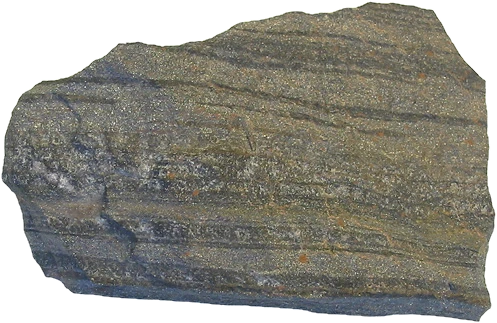
The DRC was known to have the largest lithium spodumene hard-rock deposit in the world, with mining in Manono, Tanganyika Province.[3] As of 2021, AVZ Minerals was developing the Manono project, with a resource estimate of 400 million tonnes at 1.65% lithium oxide.[3] Mount Marion in Western Australia contains the world's second-biggest high-grade spodumene reserves.[4] Because material processed for industrial use has an opaque ash-grey look, the mineral's name comes from the Greek word spodumenos, which translates to "burnt to ashes".[5]
Lithium-rich granite pegmatites and aplites are the geological environments where spodumene is found.[6] Quartz, albite, petalite, eucryptite, lepidolite, and beryl are among the minerals that frequently accompany spodumene.[6] By expanding its spodumene mining operations in 2020, Australia became the world's top lithium-producing nation.[7]
What the research sources say
The Mount Marion mine produced spodumene concentrates ranging from 6.5% to 7% Li₂O in pilot tests.[4] In August 2010, resources at Mount Marion were estimated as 10.5Mt of mineralised spodumene pegmatites at 1.4% Li₂O.[4] The Mount Marion mine was initially designed with a spodumene concentrate production capacity of 206,000 tonnes per annum.[4] An upgrade increased the spodumene concentrate produced from 4% to 6% lithium content.[4]
Lithium used in lithium-ion batteries is obtained through hard-rock mining of spodumene deposits largely in Australia.[8] AVZ Minerals is focused on developing the Manono Project, potentially one of the world’s largest lithium-rich LCT pegmatite deposits.[9]
References
- Wikipedia, "Spodumene" (CC BY-SA 4.0), which cites: Deer, Howie and Zussman, Rock Forming Minerals, v. 2 Chain Silicates, Wiley, 1963 pp. 92–98 (original not read by us) en.wikipedia.org
- Wikipedia, "Spodumene" (CC BY-SA 4.0), which cites: Rioyo, "Lithium Extraction from Spodumene by the Traditional Sulfuric Acid Process: A Review", Mineral Processing and Extractive Metallurgy Review, 12 August 2020, p. 97–106 (original not read by us) en.wikipedia.org
- Wikipedia, "Spodumene" (CC BY-SA 4.0), which cites: "This Congo project could supply the world with lithium", MiningDotCom, 10 December 2018; "AVZ Minerals Limited", AVZ Minerals; "AVZ Minerals Definitive Feasibility Study (DFS – April 2020)", AVZ Minerals (we also read that source) en.wikipedia.org
- "Mount Marion Lithium Project", Mining Technology, April 2021. facts only, no text reused. mining-technology.com
- Wikipedia, "Spodumene" (CC BY-SA 4.0), which cites: Spodumene , Mindat.org (original not read by us) en.wikipedia.org
- Wikipedia, "Spodumene" (CC BY-SA 4.0), which cites: Anthony, John W., Bideaux, Richard A., Bladh, Kenneth W., and Nichols, Monte C. (1990). Handbook of Mineralogy . Mineral Data Publishing, Tucson, Arizona (original not read by us) en.wikipedia.org
- Wikipedia, "Spodumene" (CC BY-SA 4.0), which cites: Jaskula, "Mineral Commodity Summaries 2020", U.S. Geological Survey, January 2020 (original not read by us) en.wikipedia.org
- Clemens, "Tesla's lithium refinery plant on the Texas Gulf Coast is ahead of schedule and should begin production by mid-2024", EE Power, 3 November 2023. facts only, no text reused. eepower.com
- "AVZ Minerals Limited", AVZ Minerals. facts only, no text reused. avzminerals.com.au
Each numbered sentence above was checked against the source it cites before publication. Sentences citing Wikipedia adapt text from the English Wikipedia article Spodumene (contributors), used under CC BY-SA 4.0; this entry is available under the same licence. Other sources were used for facts only; no text or images are copied from them.
More in Minerals & Ore Deposits
Sources
Compiled from Wikipedia and the sources listed below. Text from Wikipedia is available under CC BY-SA 4.0; this entry is adapted from it.
- Wikipedia: Spodumene (CC BY-SA 4.0).
- Word definitions: the Codexery glossary, each quoted from its Wikipedia article.
Spotted an error? Know more?
Reader corrections go straight into our review queue. Suggest an edit · How this site is sourced