
Palpation
Using hands to feel the body for diagnosis.

Wikimedia Commons · CC BY 4.0
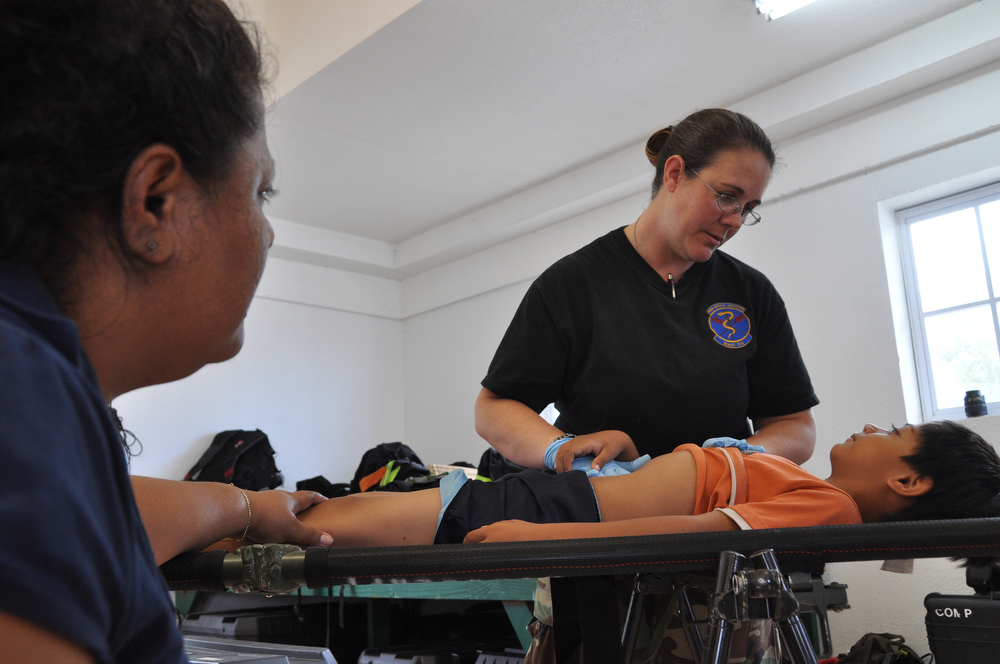
Palpation is the process of using one's hands to check the body, especially while perceiving or diagnosing a disease or illness. Usually performed by a health care practitioner, it involves feeling an object in or on the body to determine its size, shape, firmness, or location. Palpation is an important part of the physical examination, with the sense of touch being as important as sight in this examination. Physicians develop considerable skill in detecting problems beneath the body's surface, identifying subtle tactile signs that untrained individuals would miss. Achieving this high level of skill requires both mastery of anatomy and extensive practice. The ability to detect and recognize the significance of these subtle tactile signs is known as appreciating them. While many conditions are palpable—such as pulses, abdominal distension, cardiac thrills, fremitus, various hernias, joint dislocations, bone fractures, and tumors—some are not, which is why additional tests like medical imaging and laboratory work are often necessary for diagnosis.
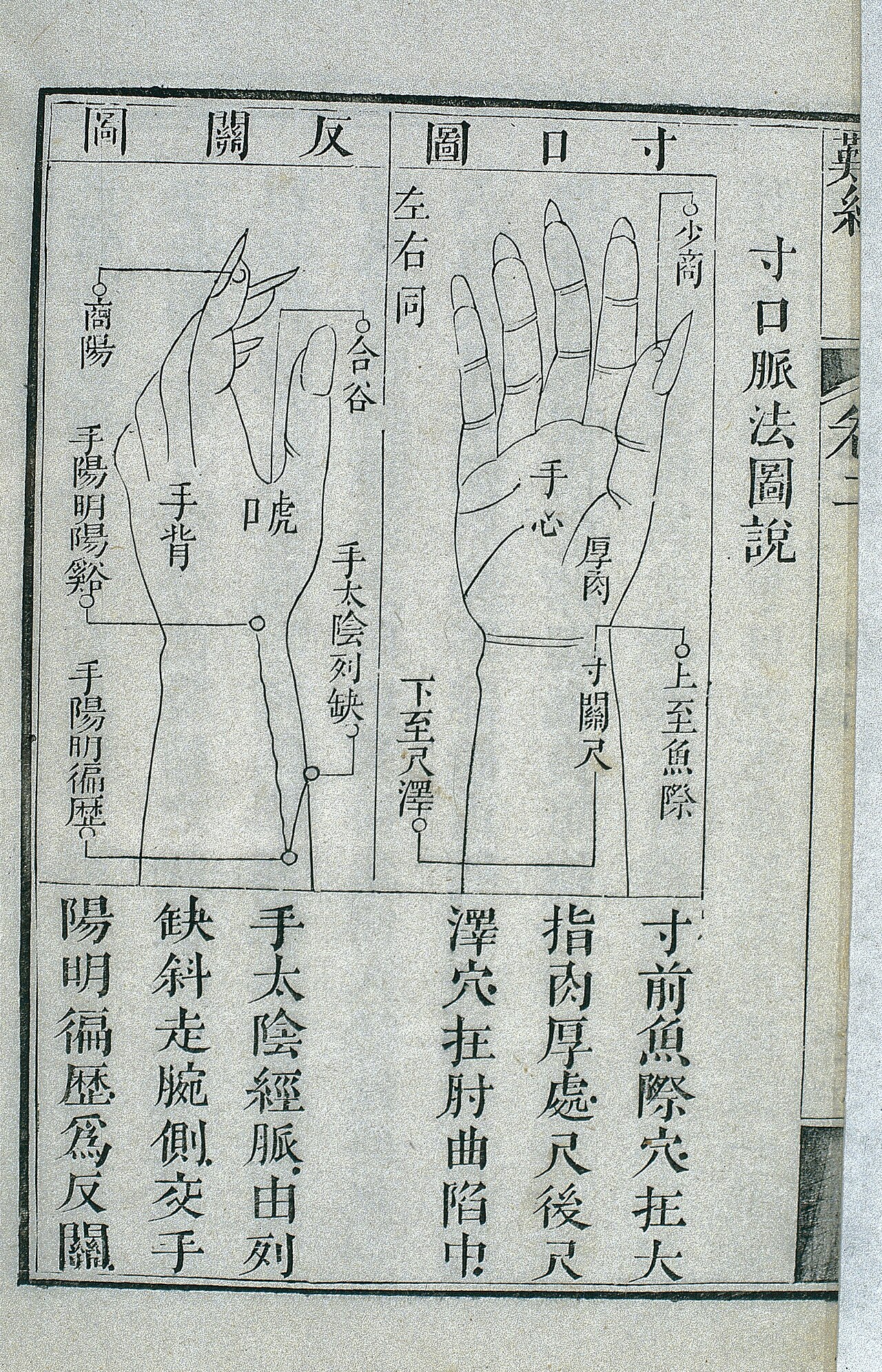
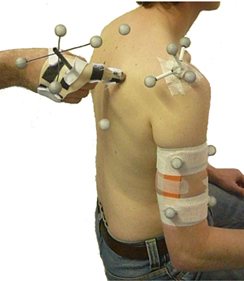
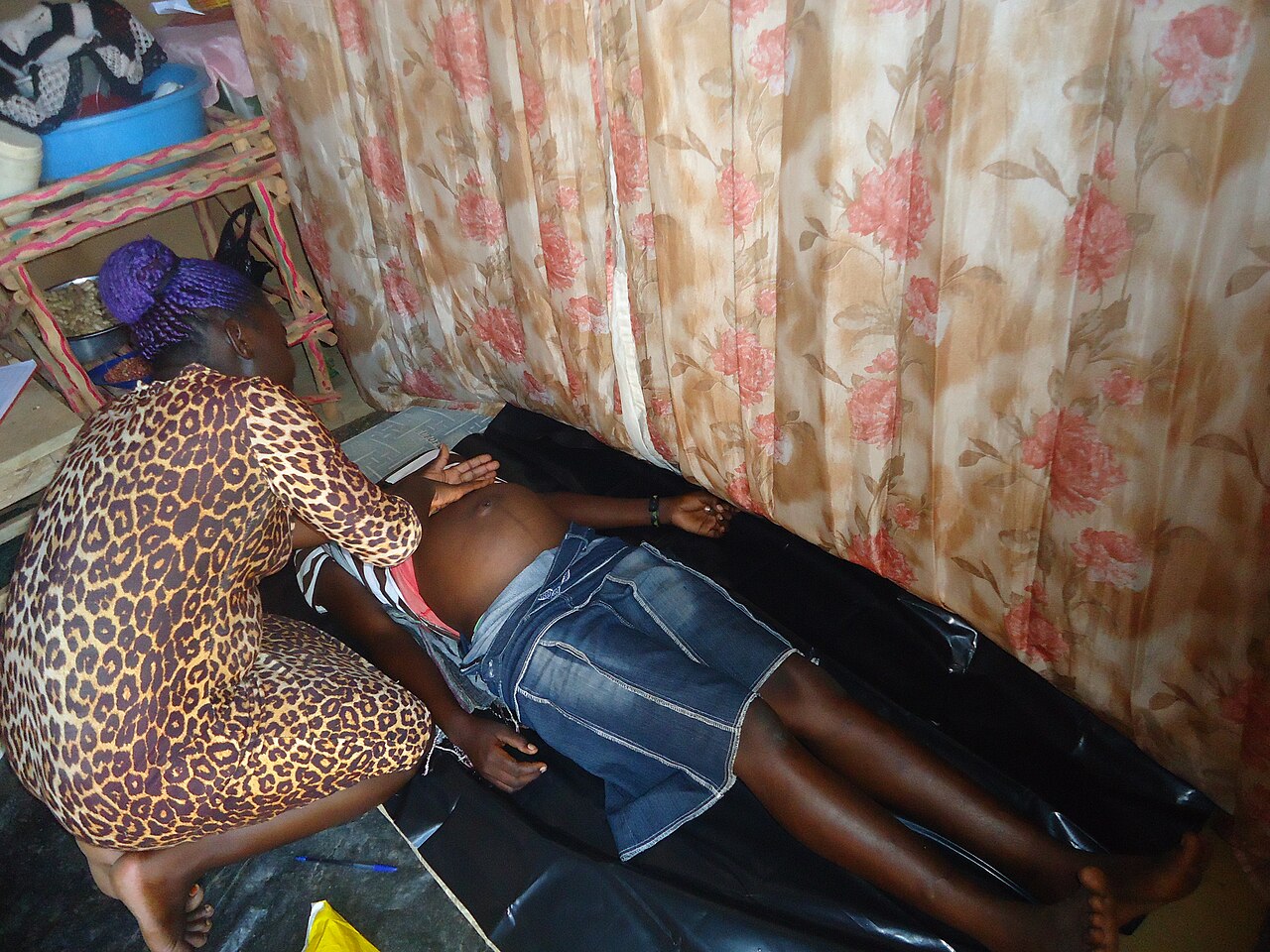
Palpation is used by a wide range of practitioners, including physicians, chiropractors, nurses, massage therapists, physical therapists, osteopaths, and occupational therapists. Its applications include assessing tissue texture (e.g., swelling or muscle tone), locating anatomical landmarks to evaluate joint motion, and assessing tenderness by applying pressure or stretching. It is commonly employed in thoracic and abdominal exams, as well as to diagnose edema, examine the pulse, and, in veterinary and midwifery practice, to check for pregnancy or determine fetal position. For reproducible measurements, palpation of anatomical landmarks must follow strict protocols based on well-defined definitions for skeletal locations. Two main protocols exist: manual palpation, which can be combined with three-dimensional digitizing, and virtual palpation on 3D computer models from medical imaging. Manual palpation achieves accuracy below one centimeter and is used for identifying pain, positioning equipment, or measuring limb length. Virtual palpation quantifies morphological parameters like joint angles. Combining both protocols enables advanced analyses, such as building reference frames for motion analysis, modeling joint kinematics, aligning orthopedic tools to individual anatomy, or creating animation characters. Standardi
- field
- Medical examination technique
- known_for
- Using touch to detect problems below the body's surface
- practitioners
- Physicians, chiropractors, nurses, massage therapists, physical therapists, osteopaths, occupational therapists, veterinarians, midwives
Lore & Background
Palpation is the process of using one’s hands to examine the body, particularly for diagnosing disease or illness. It involves feeling an object in or on the body to determine its size, shape, firmness, or location. The sense of touch is as crucial in a physical examination as the sense of sight. Physicians develop significant skill in detecting problems below the body’s surface, perceiving subtle tactile signs that untrained persons would miss. This ability to notice and recognize the significance of such signs is called appreciating them. Mastery of anatomy and extensive practice are required to achieve a high level of skill. However, some conditions are not palpable, necessitating additional tests like medical imaging and laboratory work. Many problems are palpable, including pulses, abdominal distension, cardiac thrills, fremitus, hernias, joint dislocations, bone fractures, and tumors. Palpation is used by physicians, chiropractors, nurses, massage therapists, physical therapists, osteopaths, and occupational therapists. It is employed to assess tissue texture (such as swelling or muscle tone), locate anatomical landmarks (to evaluate joint motion), and assess tenderness by deforming tissue (provoking pain with pressure or stretching). It is typically used for thoracic and abdominal examinations, can diagnose edema, and is a simple method for examining the pulse. Veterinarians use it to check animals for pregnancy, and midwives use it to determine fetal position. Quantitative palpation of anatomical landmarks for measurements must follow strict protocols to achieve reproducible results, usually based on well-described definitions for skeletal landmarks. Manual palpation can locate these landmarks with satisfactory accuracy, often below one centimeter. Virtual palpation on three-dimensional computer models from medical imaging is also used. Combining both manual and virtual protocols allows for registration of reference frames, modeling of joint kinematics, and precise alignment of orthopedic tools. Standardized definitions are key for comparing results, patient follow-up, and building quality databases. Without such standardization, palpation is prone to error and poor reproducibility. Elastography, a medical imaging modality, now determines tissue stiffness, overcoming manual palpation’s limitations of being limited to accessible tissues, distorted by
Reader's Guide
Palpation is the process of using one’s hands to examine the body, particularly for diagnosing disease or illness. Typically performed by a health care practitioner, it involves feeling an object in or on the body to assess its size, shape, firmness, or location—for instance, a veterinarian may feel the stomach of a pregnant animal to confirm good health and successful delivery. It is a core component of the physical examination, where the sense of touch is as important as sight. Physicians develop considerable skill in detecting problems beneath the body’s surface, mastering anatomy and practicing extensively to recognize subtle tactile signs, a process called appreciating them. However, some conditions are not palpable, necessitating additional tests like medical imaging or laboratory work. Many problems are palpable, including pulses, abdominal distension, cardiac thrills, fremitus, hernias, joint dislocations, bone fractures, and tumors. Palpation is used by physicians, chiropractors, nurses, massage therapists, physical therapists, osteopaths, and occupational therapists to assess tissue texture (such as swelling or muscle tone), locate anatomical landmarks (to evaluate joint motion range and quality), and assess tenderness by deforming tissue. It is commonly applied in thoracic and abdominal exams, as well as to diagnose edema and check pulses. Midwives use it to determine fetal position. Quantitative palpation of skeletal landmarks for measurements requires strict protocols to ensure reproducibility, typically based on well-described definitions for landmark locations. Two main protocols exist: manual palpation, often combined with three-dimensional digitizing, and virtual palpation on 3D computer models from medical imaging. Manual palpation can locate landmarks with accuracy below one centimeter. Virtual palpation alone quantifies morphological parameters like limb length or joint angle. Combining both protocols enables registration for motion analysis, modeling joint kinematics, aligning orthopedic tools to individual anatomy, and scaling surface textures for animation. Standardized definitions are essential for reliable comparison and data exchange across different practitioners, such as physiotherapists, medical doctors, and engineers. Without such standardization, palpation is prone to error and poor reproducibility. Elastography, a medical imag
Did You Know?
- Palpation can detect pulses, abdominal distension, cardiac thrills, fremitus, hernias, joint dislocations, bone fractures, and tumors.
- Manual palpation of skeletal landmarks can achieve accuracy below 1 cm.
- Virtual palpation on 3D computer models from medical imaging is a separate protocol for locating landmarks.
- Elastography is a medical imaging modality that determines tissue stiffness, overcoming some limitations of manual palpation.
Gallery


Frequently Asked Questions
Who is Palpation?
Palpation is a hands-on diagnostic technique in which a practitioner physically touches a patient's body to detect abnormalities. It is used to gauge the size, shape, firmness, or exact location of structures hidden beneath the skin.
What are Palpation's powers/role?
Its core function is to reveal what the eye simply cannot see—problems lurking below the body's surface. By relying on the sense of touch, a clinician can identify lumps, tenderness, or structural shifts that point toward a specific condition.
How does Palpation's story end?
The procedure wraps up once the practitioner has gathered enough tactile information to form or refine a working diagnosis. Those findings are then documented and woven into the broader physical exam and subsequent treatment plan.
Why is Palpation important?
Touch is regarded as nearly as vital as vision during a physical examination, making palpation an irreplaceable diagnostic tool. Without it, many internal or subcutaneous issues would slip past detection until they had already worsened.
Who can use Palpation?
A broad range of licensed professionals rely on the technique, including physicians, nurses, chiropractors, osteopaths, massage therapists, physical therapists, occupational therapists, midwives, and veterinarians. Essentially, anyone trained in hands-on patient assessment can employ it.
More in Medical Procedures And Treatments 1-23
Spotted an error? Know more?
This is a living reference — every entry is fact-audited, and reader corrections feed straight into our audit queue. Suggest an edit · See this site's audit record