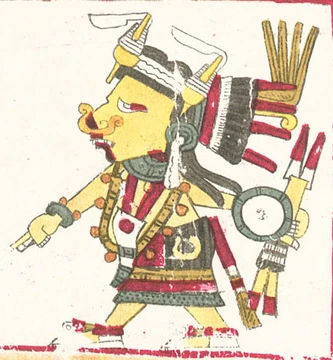
Uumarnituq and Aakulujjuusi
First human parents and ancestors of all Inuit.

Uumarnituq and Aakulujjuusi are the first human parents in Inuit folklore, central figures in a creation story known as an unipkaaqtuat. According to various tellings from Igloolik, Netsilik groups, and other central Arctic Inuit, they emerged as the first two humans after the destruction of an ancient earth and became the ancestors of all Inuit. The story explains the origins of gender and childbirth, with Uumarnituq beginning life as a man and transforming into a woman so the couple could have children.
- Field
- Inuit folklore
- Nationality
- Inuit (central Arctic, including Igloolik, Netsilik, Cumberland Sound)
- Known for
- First human parents and ancestors of the Inuit; explanation of gender and childbirth
- Role
- Uumarnituq: mother (originally a man); Aakulujjuusi: father
Lore & Background
In Natsilingmiut and Iglulingmiut tales, Uumarnituq and Aakulujjuusi appeared fully formed as adults from mounds of earth called niaquqtaak. The two men wanted children, so they had intercourse and Uumarnituq became pregnant. When it was time to deliver, they realized there was no way for the baby to leave the womb, so Aakulujjuusi created a magic song (irinaliuti) that transformed Uumarnituq into a woman. After the song, Uumarnituq bore the child, and the three became the ancestors of humanity.
In a Cumberland Sound telling, Uumarnituq wore her husband's boots with laces dragging, and an infant's soul crawled up the boot lace into her womb. She gave birth, and the child later explained that the womb had been like a small house, and it grew by eating food vomited by a dog. In another Cumberland Sound variant, Uumarnituq found a baby girl while exploring, raised her, and continued finding infant girls until she had raised four children. Eventually, the first daughter found an infant boy, and the family continued to find children to raise.
In one variant, there was no death or war at the time of Uumarnituq and Aakulujjuusi. Their descendants grew so rapidly that deities feared the earth would be destroyed again. Uumarnituq, now an elder, chanted a new irinaliuti bringing death and war. Aakulujjuusi disagreed but was too late to stop the change, though he preserved dying human souls by enabling an afterlife or reincarnation.
Reader's Guide
Uumarnituq and Aakulujjuusi hold profound significance in Inuit cosmology as the progenitors of humanity after a primordial destruction. Their story, recorded from oral traditions by Knud Rasmussen, Franz Boas, and others, serves as an etiological myth explaining gender, childbirth, and the origins of death and war. The transformation of Uumarnituq from man to woman through a magic song reflects Inuit understandings of gender fluidity and the necessity of both sexes for reproduction. The tale also addresses the fragility of the world: the original earth was destroyed when its supporting pillars collapsed, and in some versions, shamans must periodically replace rotten posts to keep the earth standing. The narrative emphasizes that children were not always born but could be found in the snow or earth, offering an explanation for infertility. The legacy of Uumarnituq and Aakulujjuusi endures as a foundational story that ties together creation, destruction, and the cycle of life and death, preserving Inuit cultural identity across generations.
Did You Know?
- In some tellings, Uumarnituq begins life as a man but turns into a woman after the couple wants to have children.
- In a Cumberland Sound variant, an infant's soul crawled from the ground up a boot lace into Uumarnituq's womb.
- In one variant, Uumarnituq chanted a magic song that brought death and war into the world.
- The story was documented by Knud Rasmussen in 1929 from Netsilik immigrants Tuulliq and Unaliq.
More in LGBTQ themes in mythology 1-22
Spotted an error? Know more?
Reader corrections go straight into our review queue. Suggest an edit · How this site is sourced