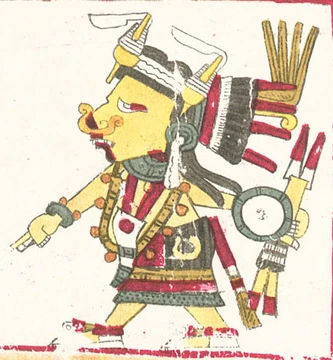
Gala (priests)
Priests of Inanna who sang heart-soothing laments.

The Gala (Sumerian: 𒍑𒆪, romanized: *gala*; Akkadian: *kalû*) served as priests for the Sumerian goddess Inanna and formed a substantial part of the staff in both temples and palaces, the key institutions of Mesopotamian city-states. They first appear in temple records from around the mid-3rd millennium BCE, originally as specialists in singing laments. According to an Old Babylonian text, the god Enki created the Gala specifically to perform "heart-soothing laments" for Inanna. Cuneiform sources highlight the gendered nature of the role: lamentation and wailing may have originally been female professions, so men who entered the role adopted its more feminine traits. Their hymns were sung in a Sumerian dialect called *eme-sal*, typically used for the speech of female deities, and some Gala took feminine names and roles. A Sumerian proverb hints at homosexual proclivities, quoting a Gala who, after wiping himself, said, "I must not arouse that which belongs to my mistress [Inanna]." The word *gala* itself was written with the sign sequence UŠ.KU: the first sign could also mean "penis" or "male," and the second could mean "anus" or "buttocks," suggesting a possible pun. Additionally, *gala* is homophonous with *gal4-la* (𒊩𒆷), meaning "vulva." Despite references to their "effeminate" character in Sumerian proverbs, many administrative texts mention heterosexual Gala who had children, wives, and large families. Some Gala priests were also women.
- Field
- Religious priesthood
- Known for
- Singing lamentations for Inanna, use of eme-sal dialect, and gendered ambiguity
- Nationality
- Mesopotamian (Sumerian/Akkadian)
- Associated deity
- Inanna
Lore & Background
According to an old Babylonian text, the god Enki created the gala specifically to sing 'heart-soothing laments' for the goddess Inanna. Cuneiform references indicate the gendered character of the role. Lamentation and wailing may have originally been female professions, so that the males who entered the role adopted its more feminine forms. Their hymns were sung in a Sumerian dialect known as eme-sal, normally used to render the speech of female gods, and some gala took feminine names and roles.
Homosexual proclivities are implied by a Sumerian proverb which reads, 'When the gala wiped off his anus [he said], “I must not arouse that which belongs to my mistress [i.e., Inanna]” '. The word gala was written using the sign sequence UŠ.KU, the first sign having also the reading g̃iš3 ('penis') & nita ('male'), and the second one bed3 ('anus') & dur2 ('buttocks'), meaning that might be a pun involved. Moreover, gala is homophonous with gal4-la (𒊩𒆷) meaning 'vulva'.
There are references to their 'effeminate' character (especially in the Sumerian proverbs), many administrative texts make mention of heterosexual gala who had children, wives, and large families. In addition, some gala priests were women.
Reader's Guide
The gala priests represent a complex intersection of gender, ritual, and social roles in ancient Mesopotamia. Their primary function as lamentation singers for Inanna placed them at the heart of temple and palace life. The linguistic and symbolic evidence—such as the eme-sal dialect, feminine names, and the punning cuneiform signs for 'penis' and 'anus'—suggests that the gala occupied a liminal gender space, possibly reflecting the originally female nature of lamentation. However, the existence of heterosexual gala with families and female gala priests shows that the role was not exclusively tied to a single gender or sexuality. This diversity challenges modern assumptions about ancient priesthoods. The gala's legacy is preserved in Sumerian proverbs and administrative texts, offering a rare glimpse into how Mesopotamian societies navigated gender and ritual performance. Their mention alongside later figures like the Galli and Hijra in comparative studies underscores their enduring relevance for understanding non-binary gender roles in antiquity.
Did You Know?
- The word 'gala' is homophonous with the Sumerian word for 'vulva'.
- Some gala priests were women.
- The cuneiform signs for gala (UŠ.KU) can be read as 'penis' and 'anus'.
Frequently Asked Questions
Who are the Gala priests?
The Gala (Sumerian: gala; Akkadian: kalû) were male temple priests dedicated to the goddess Inanna in ancient Mesopotamia. They first appear in cuneiform records from the mid-third millennium BCE and served in both temple and palace settings across Sumerian and Akkadian city-states.
What is the eme-sal dialect and why is it significant for LGBTQ themes?
Eme-sal is a Sumerian speech register literally meaning 'female speech,' and the Gala priests were specifically tasked with performing in this register. Their use of a feminine linguistic mode while being male priests creates a striking example of gendered role-crossing embedded in ancient religious practice.
What were the Gala priests' main duties?
Their primary function was singing heart-soothing lamentations for Inanna, a role that cuneiform sources suggest may have originally belonged to women. An Old Babylonian text credits the god Enki with creating the Gala specifically for this mourning and consolation work.
Why do fans consider the Gala important for LGBTQ themes in mythology?
The combination of male priests adopting a feminine speech register, performing a role tied to female wailing traditions, and existing in a state of deliberate gendered ambiguity makes them one of the clearest ancient examples of gender-fluid religious practice. They demonstrate that non-conforming gender expression was woven into institutional sacred roles rather than treated as an anomaly.
More in LGBTQ themes in mythology 1-22
Spotted an error? Know more?
Reader corrections go straight into our review queue. Suggest an edit · How this site is sourced