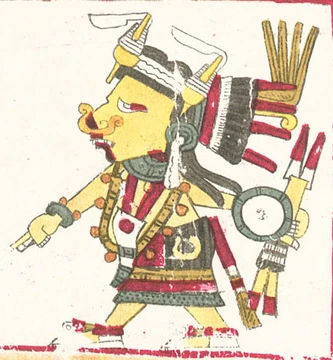
Ferdiad
Connacht warrior who fought and died against his foster-brother Cú Chulainn.

Ferdiad (also spelled Fer Diad, Ferdia, or Fear Diadh) was a warrior from Connacht in the Ulster Cycle of Irish mythology. He was the son of Damán, son of Dáire, and belonged to the Fir Domnann. His story is most famously told in the epic *Táin Bó Cúailnge*.
In the tale, Ferdiad is forced to fight against his closest friend and foster-brother, Cú Chulainn. The two had trained together in martial skills under the legendary warrior woman Scáthach. They were evenly matched in every combat technique except for two: Cú Chulainn alone had been taught the use of the Gáe Bulg, a barbed spear, while Ferdiad possessed a horn-like skin that no weapon could pierce.
When King Ailill and Queen Medb of Connacht invade Ulster to steal the bull Donn Cúailnge, Cú Chulainn halts their advance by demanding single combat. After Cú Chulainn defeats several Connacht champions, Medb sends for Ferdiad. He initially refuses to fight, but eventually agrees after being plied with alcohol by Ailill and Medb’s daughter, Findabair, and after Medb bribes, shames, and goads him into it.
The two fight at a ford for three days. On the first day, they use eight swords, darts, and spears. On the second, they fight with throwing-spears and lances. On the third, they move to heavy, hard-smiting swords. On that final day, Ferdiad begins to gain the upper hand. Cú Chulainn then calls to his charioteer, Laeg, to bring the Gáe Bolga. He floats the spear down the river, throws a light spear at Ferdiad’s chest to make him raise his shield, and then picks up the Gáe Bolga between his toes, thrusting it through Ferdiad’s anus. The barbs spread throughout Ferdiad’s body, killing him. Laeg removes the spear, and Cú Chulainn mourns his friend, praising his strength and bravery.
Scholars believe this episode was added to the *Táin* no earlier than the eleventh century, drawing on earlier parts of the story. Ferdiad’s name has been interpreted as “man of smoke,” “man of the pair,” or “man of two feet,” and may derive from the place name Áth Fhir Diad (now Ardee, County Louth), which is supposedly named after him. Some modern scholars see homoerotic undertones in his relationship with Cú Chulainn and in the manner of his death.
The ford where he died is called Áth Fhirdiad (Ferdiad’s ford). The town of Ardee, County Louth, is named after him (Baile Átha Fhirdhia).
- Field
- Irish mythology, Ulster Cycle
- Nationality
- Connacht (Fir Domnann)
- Known for
- Fighting Cú Chulainn in the Táin Bó Cúailnge; possessing horn skin that no weapon could pierce
- Father
- Damán, son of Dáire
- Tribe
- Fir Domnann
Lore & Background
Ferdiad, son of Damán, son of Dáire, of the Fir Domnann, was a warrior of Connacht in the Ulster Cycle. He trained in arms under the renowned warrior woman Scáthach alongside his best friend and foster-brother Cú Chulainn. The two were equal in all martial feats, with two exceptions: Cú Chulainn alone was taught the Gáe Bulg, a barbed spear, while Ferdiad possessed horn skin that no weapon could pierce.
In the Táin Bó Cúailnge, when Ailill and Medb, king and queen of Connacht, invaded Ulster to steal the bull Donn Cúailnge, Cú Chulainn held up their progress by demanding single combat. After Cú Chulainn defeated a series of Connacht champions, Medb sent for Ferdiad. He only agreed to fight after Findabair, Ailill and Medb's daughter, seductively plied him with alcohol, and Medb variously bribed, shamed, and goaded him. They fought in a ford for three days, first with eight swords, darts, and spears, then with throwing-spears and lances, and finally with heavy swords. On the third day, Ferdiad began to gain the upper hand. Cú Chulainn then called for the Gáe Bolga, which his charioteer Laeg floated down the river. Cú Chulainn threw a light spear at Ferdiad's chest, causing him to raise his shield, then picked up the Gáe Bolga between his toes and thrust it through Ferdiad's anus, where its barbs spread throughout his body, killing him. The Gáe Bolga was removed by Laeg, and Cú Chulainn mourned Ferdiad's death, praising his strength and bravery.
Reader's Guide
Ferdiad is a significant figure in the Ulster Cycle, primarily as the tragic opponent of the hero Cú Chulainn in the Táin Bó Cúailnge. Scholars believe the fight between Cú Chulainn and Ferdiad is a late addition to the Táin, originating not earlier than the eleventh century and drawing on earlier episodes. Ferdiad's name has been interpreted as meaning 'man of smoke', 'man of the pair', or 'man of two feet', and may be a back-formation from the placename Áth Fhir Diad (Ardee, County Louth), which is supposedly named after him. Some modern scholars see his relationship with Cú Chulainn, and his death, as having homoerotic undertones. His legacy includes the ford where he died, named Áth Fhirdiad (Ferdiad's ford), and the town of Ardee, County Louth, named after him (Baile Átha Fhirdhia). A bronze statue stands in Bridge Street, Ardee, depicting the battle and his death.
Did You Know?
- Ferdiad's horn skin made him impervious to any weapon.
- He was killed by the Gáe Bolga, a barbed spear thrust through his anus.
- Scholars believe his fight with Cú Chulainn is a late addition to the Táin, from no earlier than the 11th century.
Identity, Lineage, and the Question of His Name
Ferdiad is a warrior figure from the Ulster Cycle of Irish mythology, a member of the Fir Domnann who serves Connacht. His name appears under several spellings across the tradition—Fer Diad, Ferdia, Fear Diadh—and is pronounced roughly as "FYER-dee-adh." He is the son of Damán, who is himself the son of Dáire, anchoring him within a specific genealogical line. Scholars have proposed multiple etymological readings of his name: "man of smoke," "man of the pair," or "man of two feet." There is also a strong possibility that his personal name is actually a back-formation from the place name Áth Fhir Diad, the ford at Ardee in County Louth, which is traditionally said to bear his name. This circular relationship between person and place is a recurring feature in Celtic mythological geography, where a hero's identity becomes inseparable from the landscape he is associated with.
The Bond, the Training, and the Deliberate Balance
Ferdiad's most defining relationship is his deep friendship and martial brotherhood with Cú Chulainn. The two trained together under Scáthach, a renowned warrior woman, and their bond is described as that of best friends and foster-brothers. Their shared training produced two warriors of essentially equal capability in nearly every martial discipline, a remarkable parity in a tradition that typically pits heroes against clearly inferior opponents. Two exceptions break this symmetry: Scáthach taught only Cú Chulainn the technique for wielding the Gáe Bulg, a barbed spear of lethal design, while Ferdiad possessed a horn skin that rendered him impervious to ordinary weapons. This deliberate balance—each man holding one unique advantage—sets the stage for a contest that is neither a simple victory nor a simple defeat, but a genuine duel of equals. The fact that they stand on opposite sides of the war, with Ferdiad serving Connacht against Cú Chulainn's Ulster, transforms their shared history into the emotional core of the conflict.
The Three-Day Duel at the Ford
When Ailill and Medb march into Ulster to seize the bull Donn Cúailnge, Cú Chulainn holds the ford single-handedly, defeating champion after champion. Medb eventually summons Ferdiad, though he initially resists; it is only after Findabair, the king and queen's daughter, persuades him through drink and charm, and after Medb's combination of bribery, shaming, and goading, that he agrees to fight. The duel at the ford lasts three full days. On the first day they clash with eight swords, darts, and spears; the second day brings throwing-spears and lances; the third escalates to heavy, forceful blades. By the third day, Ferdiad begins to gain the upper hand. Cú Chulainn calls to his charioteer Laeg for the Gáe Bolga, which is floated down the river to him. He first hurls a light spear at Ferdiad's chest, forcing him to raise his shield, then seizes the barbed weapon between his toes and drives it through Ferdiad's body. The barbs spread internally, killing him. Cú Chulainn then mourns his friend, praising his strength and bravery.
Legacy, Place-Names, and Scholarly Reinterpretation
The ford where Ferdiad fell is still called Áth Fhirdiad in Irish, and the town of Ardee in County Louth—Baile Átha Fhirdhia—carries his name in its very identity. A bronze statue on Bridge Street in Ardee depicts the battle and his death, anchoring the myth in a tangible, public monument. Scholars have noted that the Ferdiad episode is likely a late addition to the Táin Bó Cúailnge, probably no earlier than the eleventh century, drawing on earlier narrative material. His name's etymology remains debated, with readings ranging from "man of smoke" to "man of two feet," and some suggest it is a back-formation from the placename itself. Perhaps most provocatively, some modern scholars read the intensity of his bond with Cú Chulainn and the circumstances of his death as carrying homoerotic undertones, adding a layer of interpretive complexity to what is already one of the most emotionally charged duels in the entire Ulster Cycle.
Frequently Asked Questions
Who is Ferdiad in Irish mythology?
Ferdiad is a Connacht warrior of the Fir Domnann who features prominently in the Ulster Cycle epic Táin Bó Cúailnge. He is the son of Damán, son of Dáire, and is best known in the narrative as Cú Chulainn's foster-brother and closest martial companion before their fateful duel.
Why do fans read Ferdiad and Cú Chulainn as a queer love story?
The two men trained side by side under the same master, Scáthach, and became inseparable partners who were evenly matched in every combat technique. Their forced, tragic confrontation is widely interpreted by modern readers as a deeply intimate bond—closer than ordinary friendship—made devastating by the requirement that one must kill the other.
What makes Ferdiad's duel with Cú Chulainn emotionally significant in the text?
Unlike most combats in the Táin, this fight is framed as a personal tragedy between two men who share a long history of mutual devotion and equal skill. The narrative lingers on their grief and the impossibility of the confrontation, which many readers interpret as the anguish of a lost or forbidden love.
What is special about Ferdiad's horn skin?
Ferdiad possesses a patch of impenetrable hide on his back, shaped like a bull's horns, which no weapon can pierce. This detail underscores how evenly matched the two warriors truly were, making Cú Chulainn's eventual victory all the more intimate and tragic.
More in LGBTQ themes in mythology 1-22
Spotted an error? Know more?
Reader corrections go straight into our review queue. Suggest an edit · How this site is sourced