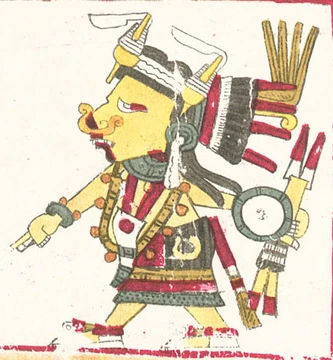
Attis
Attis: Phrygian consort of Cybele, vegetation deity, and self-castrated eunuch god.

Attis was the male partner of the goddess Cybele in Phrygian and Greek mythology. He was also a Phrygian deity of vegetation. His followers, known as the Galli, were eunuch priests, a practice explained by myths in which Attis castrated himself. His self-inflicted wound, death, and return to life symbolized the earth’s crops, which wither in winter and bloom again in spring.
In Ovid’s *Metamorphoses*, Attis turned himself into a pine tree. The cult of Attis began around 1250 BCE at Dindymon (modern Murat Dağı in Turkey). Originally a local semi-deity of Phrygia, he was linked to the trading city of Pessinos, which lay beneath Mount Agdistis. The mountain was personified as a daemon, later identified by foreigners with the Great Mother Cybele.
By the late 4th century BCE, Attis’s cult had spread into the Greek world. The traveler Pausanias recorded a story with non-Greek elements: the daemon Agdistis originally had both male and female organs. The Olympian gods, fearing Agdistis, tricked it into accidentally castrating itself. From the blood grew an almond tree. When the fruit ripened, Nana, daughter of the river Sangarius, placed an almond in her bosom and became pregnant with Attis, whom she abandoned. A he-goat tended the infant. As Attis grew, his beauty was godlike, and Agdistis (as Cybele) fell in love with him. His foster parents sent him to Pessinos to marry the king’s daughter (in some versions, King Midas). During the wedding song, Agdistis/Cybele appeared in her power, and Attis went mad, castrating himself under a pine tree. He died from his wounds, and violets grew from his blood. The king then castrated himself as well, prefiguring the self-castrating corybantes devoted to Cybele. Heartbroken, Agdistis begged Zeus to preserve Attis’s body from decay.
The geographer Strabo noted that the mother of the gods at the temple of Cybele in Pessinus was still called Agdistis. When Lydia controlled Phrygia, the cult gained Lydian elements: Attis was said to have introduced the cult of Cybele to Lydia, angering Zeus, who sent a wild boar to destroy Lydian crops. The boar killed Attis and some Lydians. Pausanias adds that the Gauls of Pessinos avoided pork, which may explain this myth as an invention to justify their dietary laws. In Rome, Cybele’s eunuch followers were called *galli*.
The temple of Cybele at Pessinus remained the cult’s center into the Roman Empire. The Galli held a theocracy there, with leaders possibly chosen by adoption. The highest-ranking Gallus was called “Attis,” and his junior “Battakes.” The Galli were eunuchs, and modern scholars link this to Attis’s self-castration myth. During the Flavian period, a college of ten priests—Roman citizens who were not castrated—still used the title “Attis.” Modern scholars note that the Galli subverted Roman gender norms by castrating themselves and wearing women’s clothing, accessories, and makeup. Some interpret them as transgender, or as occupying a third gender. Jacob Latham suggests their foreignness and nonconforming gender presentation may have existed outside Roman ideas of masculinity and femininity. Roman writers often derided the Galli, reflecting hostility toward their transgressions.
The Romans celebrated Attis and Cybele with a March festival week called the Hilaria. Specific priestly colleges, like the Cannophores (“reed bearers”) and Dendrophores (“tree bearers”), had ritual roles. On March 24, the Dies Sanguinis (Day of Blood), mourners flogged themselves until they bled on Attis’s altar, and the Galli performed ritual castration. By night, Attis was ritually entombed. The next day, the Hilaria (Day of Joy), celebrated his rebirth and coincided with the vernal equinox. Some early Christian sources linked this day to Jesus’s resurrection.
The first literary reference to Attis appears in Catullus’s poem 63, before his worship began in Rome. In 1675, Jean-Baptiste Lully composed the opera *Atys* for Louis XIV’s court; Niccolò Piccinni wrote his own *Atys* in 1780. Oscar Wilde’s poem *The Sphinx* mentions Attis’s self-mutilation.
Quick Facts
- Death Place
- Castrated/Emasculated himself and died
- Consort
- Cybele
- Deity Of
- Vegetation, Fertility, Dying-and-rising god
- Mother
- Nana
Facts from the source article.
Lore & Background
According to Ovid's Metamorphoses, Attis transformed himself into a pine tree. An Attis cult began around 1250 BCE in Dindymon (today's Murat Dağı of Gediz, Kütahya, Turkey). He was originally a local semi-deity of Phrygia, associated with the great Phrygian trading city of Pessinos. In the late 4th century BCE, a cult of Attis became a feature of the Greek world. The story of his origins at Agdistis, as recorded by Pausanias, has some distinctly non-Greek elements. Pausanias was told that the daemon Agdistis initially bore both male and female sexual organs. The Olympian gods feared Agdistis and conspired to cause Agdistis to accidentally castrate itself. From the hemorrhage of Agdistis germinated an almond tree. When the fruits ripened, Nana, daughter of the river Sangarius, took an almond, put it in her bosom, and later became pregnant with baby Attis, whom she abandoned. The infant was tended by a he-goat. As Attis grew, his long-haired beauty was godlike, and Agdistis (as Cybele) then fell in love with him. But Attis' foster parents sent him to Pessinos to wed the king's daughter. Just as the marriage-song was being sung, Agdistis/Cybele appeared in her transcendent power, and Attis went mad and castrated himself under a pine. When he died as a result of his self-inflicted wounds, violets grew from his blood. The heartbroken Agdistis begged Zeus to preserve Attis so his body would never decay or decompose. As neighbouring Lydia came to control Phrygia, the cult of Attis was given an additional Lydian context. Attis is said to have introduced to Lydia the cult of the Mother Goddess Cybele, incurring the jealousy of Zeus, who sent a wild boar to destroy the Lydian crops. Then certain Lydians, with Attis himself, were killed by the boar. In Rome, the eunuch followers of Cybele were called galli.
Reader's Guide
The temple of Cybele at Pessinus was the center of the cult of Cybele and Attis. The Galli (priests of Cybele and Attis) held a theocracy here. The highest ranking Gallus was known as 'Attis', and his junior as 'Battakes'. At this time, the Galli were eunuchs. Later, during the Flavian period, these followers took the form of a college of ten priests, who were Roman citizens and not castrated. However, they still used the title 'Attis'. Modern scholars have examined how the Galli subverted Roman gender norms. Because the Galli castrated themselves and wore women's clothing, accessories and makeup, some modern scholars have interpreted them as transgender. Another interpretation is that the Galli may have occupied a third gender in Roman society. On the 24th of March, the Dies Sanguinis (Day of Blood), followers mourned Attis's death by flogging themselves until they bled on his altar. The Galli also performed their initiation ritual, which involved ritual castration. By night, Attis was ritually entombed. The next day, the Day of Joy (Hilaria), featured Attis' rebirth. It was also the vernal equinox on the Roman calendar. Some early Christian sources associate this day with the resurrection of Jesus.
Did You Know?
- The first literary reference to Attis is the subject of one of the most famous poems by Catullus (Catullus 63).
- A lifesize statue of Attis was discovered at Ostia Antica, near Rome, showing him reclining after emasculation, holding a shepherd's crook and a pomegranate.
- Nineteenth-century scholarship wrongly conflated the god Attis with the similar-sounding name of the god Atys, a mistake still found in modern sources.
Mythological Origins and the Phrygian Creation Story
Attis's mythological origins are deeply rooted in Phrygian earth and duality. According to Pausanias's account, the story begins with Agdistis, a daemon of Mount Agdistis who possessed both male and female sexual organs. The Olympian gods, frightened by this androgyny, conspired to make Agdistis accidentally castrate itself. From the resulting hemorrhage, an almond tree sprouted. When the fruit ripened, Nana—daughter of the river Sangarius—tucked an almond into her bosom and became pregnant, giving birth to Attis, whom she abandoned. A he-goat nurtured the infant. As he matured, his long-haired beauty was described as godlike, and Agdistis (now identified as Cybele) fell passionately in love with him. But his foster parents arranged a marriage to the king's daughter at Pessinos. As the wedding song rang out, Cybele appeared in transcendent power, driving Attis mad. He castrated himself beneath a pine tree and bled to death, from which violets sprouted. The king followed his example. Agdistis then begged Zeus to preserve Attis's body from decay.
The Galli, Ritual Castration, and Gender Subversion
The priests of Attis and Cybele, known as the Galli, occupied a strikingly unusual position in the ancient world. Their origin myths explained their eunuchhood as mirroring Attis's self-castration, and at the great temple at Pessinus they maintained a theocratic structure where the highest-ranking priest bore the title Attis and his junior was called Battakes. These men castrated themselves, wore women's clothing, accessories, and makeup, and their gender presentation was so foreign to Roman norms that male Roman writers routinely derided them. Modern scholars have offered varied interpretations: some read the Galli as transgender figures, others as occupying a third gender category entirely outside Roman constructions of masculinity and femininity. Jacob Latham has argued that the cult's foreign Anatolian origins and the priests' nonconforming presentation placed them outside Roman gender frameworks altogether. During the Flavian period, the Galli were reorganized into a college of ten Roman-citizen priests who were not castrated, yet still used the title Attis.
The Hilaria and the Vegetation Cycle
Attis functioned as a Phrygian vegetation deity whose myth of self-mutilation, death, and resurrection mapped directly onto the agricultural cycle—fruits dying in winter and rising again in spring. In Rome, this cycle was celebrated during the March festival week known as the Hilaria. On the 24th of March, the Dies Sanguinis or Day of Blood, followers mourned Attis's death by flogging themselves until blood flowed onto his altar, while the Galli performed their initiation ritual involving castration. By nightfall, Attis was ritually entombed. The following day, the Day of Joy, marked his rebirth and coincided with the vernal equinox on the Roman calendar. Some early Christian sources drew a parallel between this date and the resurrection of Jesus. The festival also featured the Cannophores, or reed bearers, and the Dendrophores, or tree bearers, who held specific ritual roles in the opening days. Citizens and freedmen belonging to particular priestly colleges could participate in constrained ways, making the Hilaria one of the few occasions where broader Roman society engaged with this foreign Anatolian cult.
Literary Echoes and Philosophical Interpretation
Attis left a remarkable trail through Western literature and the arts spanning millennia. The earliest literary reference appears in Catullus 63, one of the poet's most celebrated verses, composed before Attis's worship had taken root in Rome. Ovid's Metamorphoses adds the detail that Attis transformed himself into a pine tree. In the seventeenth century, Jean-Baptiste Lully, attached to Louis XIV's court, set the story to music in his 1675 opera Atys, followed by Niccolo Piccinni's own Atys in 1780. Oscar Wilde invoked Attis's self-mutilation in his 1894 poem The Sphinx, writing of Atys with his blood-stained knife as a figure preferable to the speaker's own condition. Perhaps most philosophically significant, Emperor Julian's Hymn to the Mother of Gods offers a detailed Neoplatonic reading of Attis, describing how the youth, exposed near the eddying stream of the river Gallus, grew up like a flower and was beloved by the Mother of the Gods, who entrusted all things to him. Julian also documented the cult's spread from Anatolia through Greece to Republican Rome.
Frequently Asked Questions
Who is Attis in mythology?
Attis is a Phrygian vegetation god who served as the divine consort of the mother goddess Cybele. His narrative revolves around a cycle of self-castration, death, and seasonal renewal.
What was Attis's role in relation to Cybele?
He functioned as Cybele's beloved companion and husband figure within Phrygian and Greek religious tradition. Their pairing positioned a male deity as the devoted, vulnerable partner to a powerful goddess rather than the reverse.
What does Attis's self-castration symbolize?
The act mirrors the dying of vegetation in winter and its rebirth in spring, encoding the agricultural cycle into myth. It also established the theological foundation for the Galli priesthood, whose members castrated themselves as an act of sacred devotion to the god.
Who were the Galli priests and how did they connect to Attis?
The Galli were eunuch priests who served in Attis's cult, having undergone castration as a ritual of dedication. Their practice was directly rooted in the myth of Attis's own self-mutilation and was centered at Pessinos beneath Mount Agdistis.
Why do fans discuss Attis in LGBTQ mythology contexts?
His story casts a male deity as the devoted, vulnerable partner in a divine union with a goddess, subverting typical patriarchal myth structures. The Galli priesthood further highlights themes of chosen gender expression and sacred identity that resonate with modern conversations about gender and queerness.
More in LGBTQ themes in mythology 1-22
Spotted an error? Know more?
Reader corrections go straight into our review queue. Suggest an edit · How this site is sourced