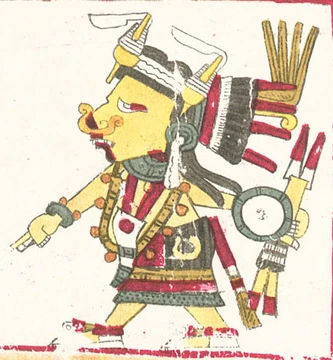
Hiʻiaka
Patron goddess of hula, chant, sorcery, and medicine in Hawaiian religion.

Hiʻiaka is a prominent figure in Hawaiian religion, known as a daughter of Haumea and Kāne and the patron goddess of hula dancers, chant, sorcery, and medicine. She is also recognized as the goddess of hula, having been the first to dance hula after her eldest sister Pele asked her to do so. Conceived in Tahiti and carried as an egg to Hawaiʻi by her sister Pelehonuamea, Hiʻiaka is central to the epic tale of Lohiʻau, where she undertakes a dangerous journey to bring him to Pele, demonstrating her powers as a healer of land and a vanquisher of monsters.
Quick Facts
- Other Names
- Hiʻiakaikapoliopele
- Deity Of
- Patron goddess of hula dancers, chant, sorcery, and medicine
- Venerated In
- Hawaiian religion
- Abode
- Lehua grove
- Animals
- Pueo (owl)
- Gender
- Female
- Parents
- Kāne (father) / Haumea (mother)
- Siblings
- Pele / Laka / Kapo
- Consort
- Lohiʻau
Facts from the source article.
Lore & Background
Hiʻiaka's full name, Hiʻiaka-i-ka-poli-o-Pele, translates as 'Hiʻiaka in the bosom of Pele,' referencing her origin as an egg carried by Pele. She lived in a grove of lehua trees, sacred to her, where she danced with forest spirits. Her family line, called Hiʻiaka, bears the clouds and provides rain, thunder, and lightning. Pueo (owls) are her messengers and are sacred to her. In the best-known story, Pele fell into a deep sleep and was lured by the sound of a hula-drum and a wonderful voice, falling in love with the singer, a young chief named Lohiʻau. Hiʻiaka volunteered to bring Lohiʻau to Pele, on the condition that Pele protect her sacred lehua grove and her beloved friend Hōpoe. Pele agreed but insisted Hiʻiaka return within a set number of days and not fall in love with Lohiʻau.
Reader's Guide
Hiʻiaka's significance in Hawaiian culture is profound, as she embodies the traditions of hula, chant, and the importance of proper conduct. Her journey to retrieve Lohiʻau illustrates the values of respect and mindfulness, particularly through the use of oli kāhea (chants for permission). When Chief Olepau denied her hospitality after she chanted a mele kahea, she punished him with death, teaching that both giving and receiving chants require respect. Hiʻiaka also defeated numerous monsters, such as the moʻo Panaʻewa and Kikipua, using gifts from Pele: ʻAwihikalani (critical eye), Ka lima ikaika o Kīlauea (strong arm), and Paʻu uila (lightning skirt). Her story highlights the power of supernatural women in Hawaiʻi, as the lightning skirt is a female garment showing they are not ruled by male gods. The legend's conclusion varies, with Pele destroying Hiʻiaka's forest and lover, then regretting her actions, leaving Lohiʻau's fate uncertain across different versions.
Did You Know?
- Hiʻiaka's name means 'carried egg,' as she was carried in the form of an egg to Hawaiʻi by her sister Pele.
- Pueo (owls) are Hiʻiaka's messengers and are sacred to her.
- Hiʻiaka was the first god of the Pele family born in Hawaiʻi.
- Hiʻiaka revived Lohiʻau once after Pele killed him with lava.
Frequently Asked Questions
Is Hiʻiaka part of an all-female divine family?
Yes—Hiʻiaka belongs to the Pele family, a lineage of goddesses that includes Pele, Pelehonuamea, and others, making it one of the most prominent all-female divine kinship groups in Polynesian mythology.
What is the nature of Hiʻiaka's bond with Pele?
Hiʻiaka and Pele share an intensely close sisterly relationship that drives the core of Hiʻiaka's myth; Pele asks her to be the first to dance hula, and Hiʻiaka later embarks on a perilous quest specifically to retrieve Lohiʻau on Pele's behalf.
Does Hiʻiaka have a romantic partner in the traditional stories?
No canonical Hawaiian source casts Hiʻiaka in a romantic or sexual role with a male figure; her epic purpose is defined by her devotion to her sister Pele and her sacred duties as patron of hula, chant, and healing.
How do fans read Hiʻiaka's hula and sorcery roles as LGBTQ-adjacent?
Hiʻiaka's domains—hula, chant, sorcery, and medicine—are deeply feminine spiritual practices in Hawaiian tradition, and her identity as a powerful goddess who needs no male counterpart to define her purpose resonates with readers seeking feminine-autonomous archetypes in myth.
Why is Hiʻiaka significant in discussions of queer themes in mythology?
She exemplifies a mythological figure whose entire narrative arc—her birth, her sacred roles, and her greatest heroic act—is structured around an all-female family and sisterly devotion, offering a rare example of a goddess whose story is not organized around a male partner.
More in LGBTQ themes in mythology 1-22
Spotted an error? Know more?
Reader corrections go straight into our review queue. Suggest an edit · How this site is sourced