
Aufhocker
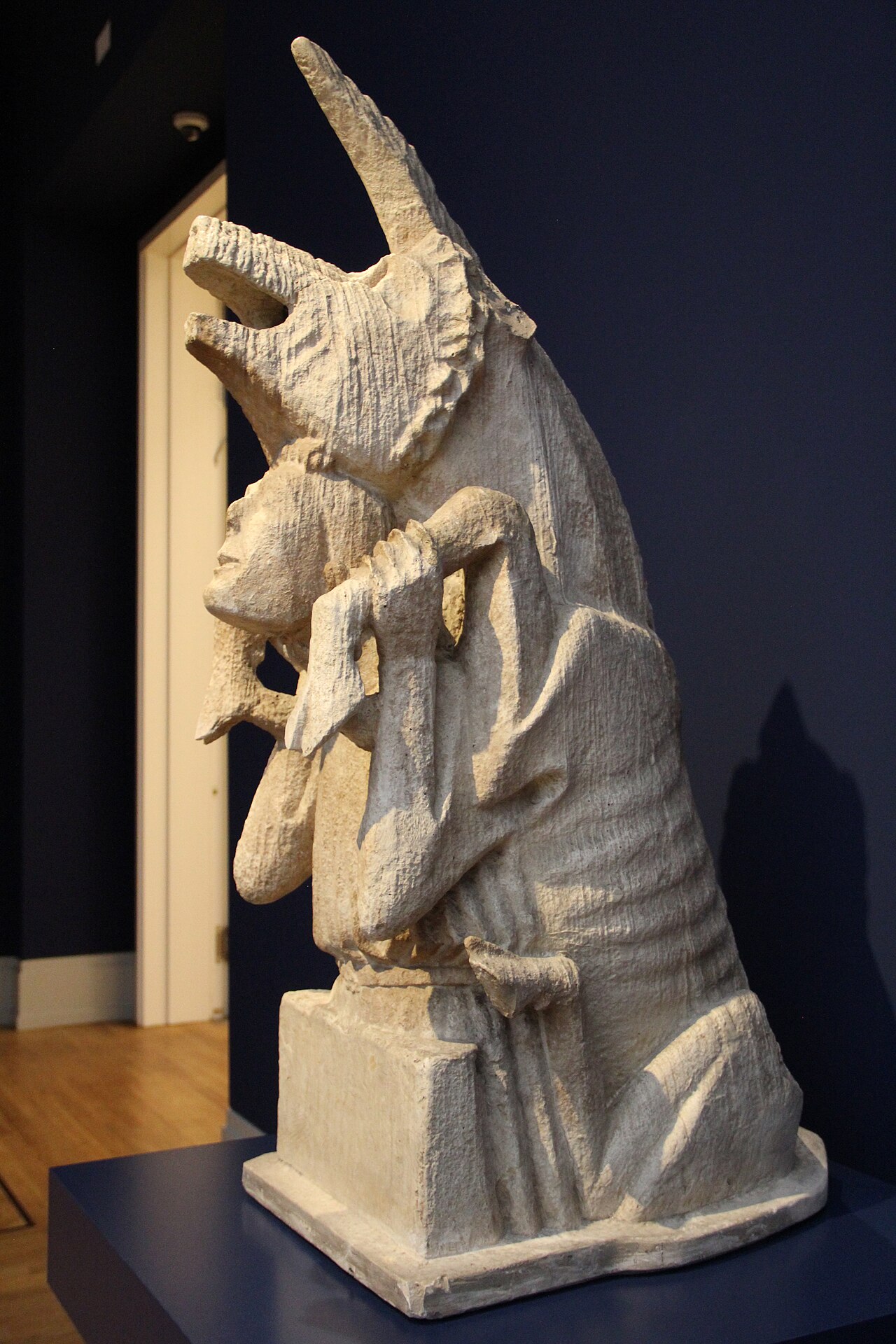
A shapeshifting pressure spirit that leaps onto victims.

Oursana · CC0
The aufhocker (German: [ˈaʊfˌhɔkɐ]), also called the huckup (German: [ˈhʊkˌʔʊp]), is a shapeshifting creature from German folklore. Its form is never fixed, as it can appear as a goblin, a beautiful woman, a corpse, or various animals. The name translates to "leap upon," describing its habit of jumping onto the backs of its victims. These victims are often thieves, criminals, lone travelers, or old women—those the legend says need to be taught a lesson. Once it lands, the aufhocker acts as a pressure spirit, weighing its victim down more heavily with each step. It cannot be shaken off or killed, and victims typically die from exhaustion unless they can reach home before the creature finishes them. Attacks tend to happen at specific places: bridges, crossroads, springs, woods, hollow paths, and cemeteries. In some versions, the aufhocker is a dangerous theriomorph that tears out throats instead of exhausting its prey, linking it to vampire lore. Sunlight and church bells, common defenses against vampires, may also work against it. The legend is sometimes seen as a metaphor for emotional burdens that cannot be shaken off, with the old woman victim representing time itself, afraid of aging and accumulating haunting memories. Others interpret the aufhocker as a physical manifestation of night terrors. Similar myths appear across Europe; in the Charente-Maritime region of France, the Ganipote shares these traits, and in formerly German-speaking parts of Bohemia, the Uhaml does as well.
- Field
- German folklore
- Nationality
- German
- Known for
- Shapeshifting, leaping upon victims' backs, causing exhaustion or throat tearing
Lore & Background
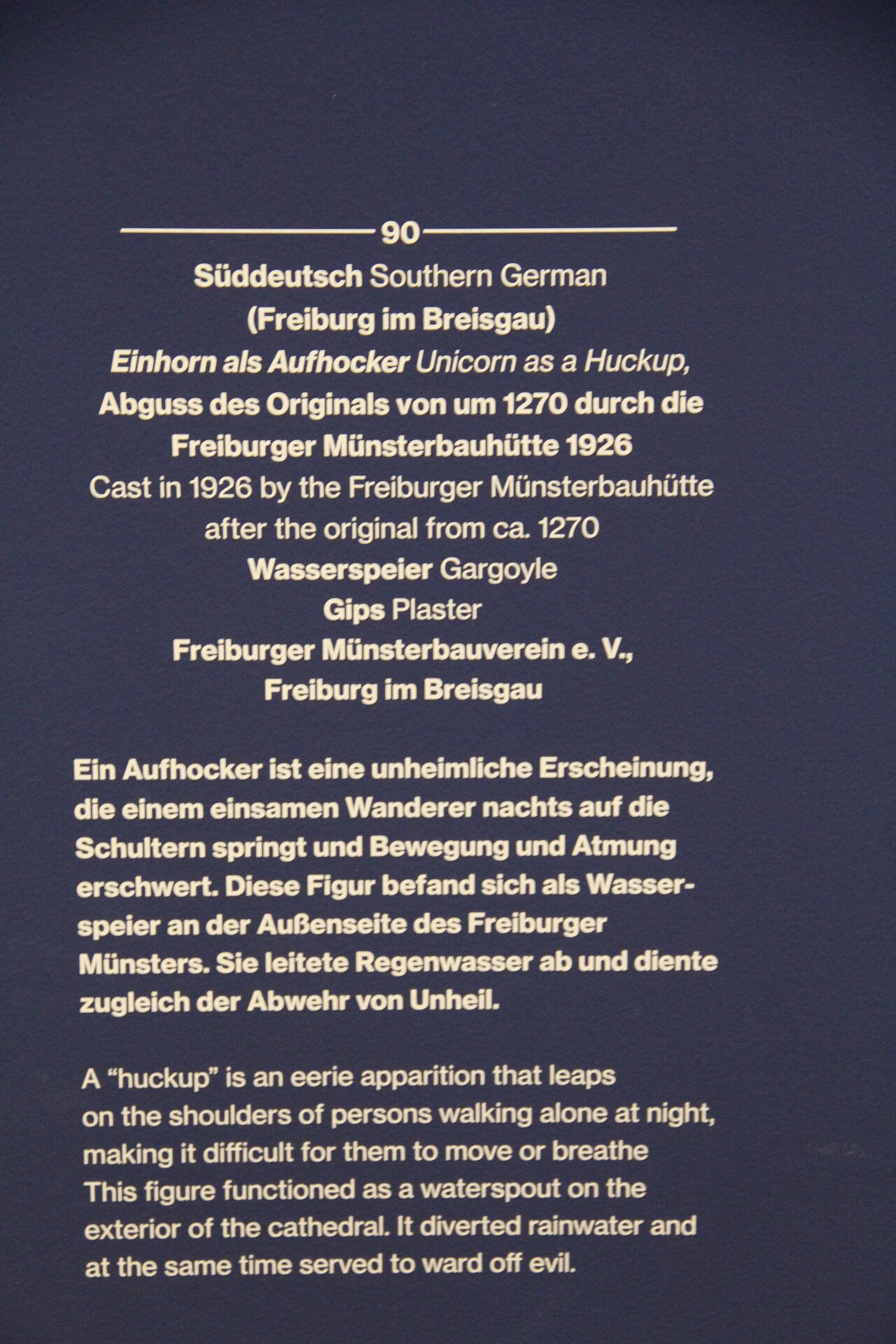
The Aufhocker is known as a pressure spirit or perching spirit because it jumps on the backs of travelers, weighing them down with every step. Victims often die of exhaustion because the Aufhocker cannot be shaken off or killed. However, travelers can free themselves if they are able to make it home before being killed. These attacks often occur in specific locations such as bridges, crossroads, springs, woods, on a path through a hollow, and cemeteries. Common targets include thieves and criminals that need to be taught a lesson, as well as lone travelers and old women.
Reader's Guide
The Aufhocker legend is significant as a dangerous theriomorph in German folklore, sometimes said to tear out the throats of humans instead of killing its victims from exhaustion. The version that attacks victims' throats is linked to vampirism; in vampire mythology, sunlight and church bells are often used to frighten vampires away and may be applicable defenses against the Aufhocker also. The legend is sometimes interpreted as a metaphor for emotional burdens weighing on one’s shoulders no matter how hard they try to shake off their memories. The old woman that is a victim in some versions represents time itself, scared of getting older and having more memories to haunt her. Other speculators say the Aufhocker legend is instead a materialization of night terrors. Similar myths can be found in most of Europe, such as the Ganipote in the Charente-Maritime département of France and the Uhaml in formerly German-speaking parts of Bohemia.
Did You Know?
- The name Aufhocker means 'leap upon' in German.
- The Aufhocker cannot be shaken off or killed, but victims can free themselves if they make it home.
- The Aufhocker is sometimes linked to vampirism, with sunlight and church bells as possible defenses.
- Similar myths include the Ganipote in France and the Uhaml in Bohemia.
The Unfixed Form
The Aufhocker, also known by the alternate name huckup, occupies a peculiar niche in German folklore as a shapeshifter whose very appearance resists fixed description. Rather than possessing a single canonical body, this entity is defined by its refusal to settle into one recognizable silhouette. In the legends, it may present itself as a goblin, a strikingly beautiful woman, the corpse of a dead man, or a variety of animals, shifting its guise to suit the encounter. This deliberate ambiguity is central to its identity: the Aufhocker is less a creature with a face than a phenomenon wearing whatever mask the moment demands. Its German pronunciation—[ˈaʊfˌhɔkɐ] for the primary name, [ˈhʊkˌʔʊp] for the huckup variant—hints at a folk etymology rooted in physical action rather than appearance, reinforcing the idea that what matters is not what the Aufhocker looks like but what it does to the person who meets it. In a tradition full of named monsters with fixed iconography, the Aufhocker's shapelessness makes it uniquely unsettling, a threat that could be anything and therefore cannot be recognized in time.
The Perching Hunt
The name Aufhocker translates directly as "leap upon," and that single phrase captures the creature's entire modus operandi. In the legends, it does not chase, stalk, or confront its prey in any conventional sense. Instead, it simply drops onto the victim's back and stays there, functioning as what folk tradition calls a pressure spirit or perching spirit. Each step the victim takes becomes heavier under the invisible weight, and the Aufhocker cannot be shaken loose or destroyed by any physical means. The targets are not random: thieves and criminals who "need to be taught a lesson" appear most frequently, though lone travelers and elderly women are also common victims. The attacks are geographically specific, clustering around bridges, crossroads, springs, wooded areas, paths cutting through hollows, and cemeteries—liminal places where the boundary between the safe and the dangerous grows thin. The result is a slow, grinding exhaustion that no amount of struggle can reverse, making the Aufhocker one of the most inescapable threats in the German folkloric bestiary.
Lethality and the Narrow Escape
While the most common outcome of an Aufhocker attack is a slow death by exhaustion, the legends also record a far more violent variant. In some tellings, the creature is described as a theriomorph that seizes its victim and tears out the throat, a method of killing that draws a direct line to vampiric mythology. This bloodier iteration has led some commentators to suggest that defenses effective against vampires—sunlight and the tolling of church bells—might similarly drive the Aufhocker away, though the folklore itself does not always confirm this. The one reliable escape route in the standard version is deceptively simple: the victim must make it home. If the traveler can endure the crushing weight long enough to cross the threshold of their own dwelling before collapse, the Aufhocker releases its hold. This creates a cruel calculus in which the distance between the attack site and the victim's front door becomes a literal race against their own failing body, and every additional step under the perching spirit's weight narrows the margin of survival.
Metaphor and European Echoes
Beyond its role as a literal monster, the Aufhocker legend has been read as a psychological and emotional allegory. One interpretation casts the perching spirit as a personification of memory and emotional burden: no matter how fiercely a person tries to shake off the past, the weight remains on their shoulders, grinding them down step by step. In versions where the victim is an old woman, she is sometimes understood to represent time itself—fearful of aging further and increasingly haunted by the accumulated memories of a long life. Other commentators see the legend as a folkloric encoding of night terrors, the sudden, paralyzing weight that can pin a sleeper in bed. The Aufhocker is far from unique in the broader European landscape. In the Charente-Maritime département of France, a spirit called the Ganipote shares strikingly similar traits, while in the formerly German-speaking regions of Bohemia, the same perching-and-crushing behavior is attributed to a creature known as the Uhaml. These parallels suggest a deep, shared folkloric grammar across the continent.
Gallery
Frequently Asked Questions
What is the Aufhocker?
The Aufhocker, also known as the huckup, is a shapeshifting pressure spirit rooted in German folklore. Its name literally means "leap upon," a direct reference to its signature act of springing onto a victim's back.
What does the Aufhocker look like?
The creature has no single fixed appearance and can manifest as a goblin, a strikingly beautiful woman, a rotting corpse, or an assortment of animals. This constant shifting makes it nearly impossible to identify before it strikes.
How does the Aufhocker attack its victims?
It pounces onto the back of its target and then acts as an ever-heavier weight, growing more oppressive with every step the victim takes. The sustained pressure can lead to total exhaustion or even fatal tearing of the throat.
Who does the Aufhocker typically target?
Its preferred victims are those the folk tradition considers to need a lesson—thieves, other criminals, solitary travelers on dark roads, and elderly women. The legend frames the creature as a kind of punitive force rather than a mindless predator.
Can the Aufhocker be removed or killed?
No; once it has latched onto a person's back, folklore holds that it cannot be shaken loose nor destroyed by any means. The victim is essentially doomed to carry its crushing weight until collapse.
More in Legendary shapeshifters 1-24
Spotted an error? Know more?
Reader corrections go straight into our review queue. Suggest an edit · How this site is sourced