
Anchanchu
A shapeshifting Andean vampire that preys on compassion.

Arizz4k · CC BY-SA 4.0
The anchanchu, also known as abchanchu or anchancho, is a legendary Andean vampire originating from the Aymara region of Bolivia. It is considered the most feared evil being among the Aymara people due to its lethality, as it shapeshifts into various forms to victimize passersby and drink their blood, causing death from blood loss or disease. The legend is also shared among the Peruvian Aymara community, though the Peruvian version differs significantly, depicting the anchanchu as a duende called Muki or Muqui that lives underground and has a penchant for gold.
- Associated with
- Ekeko (illegitimate brother), Uru god Tiw (El Tío)
Lore & Background
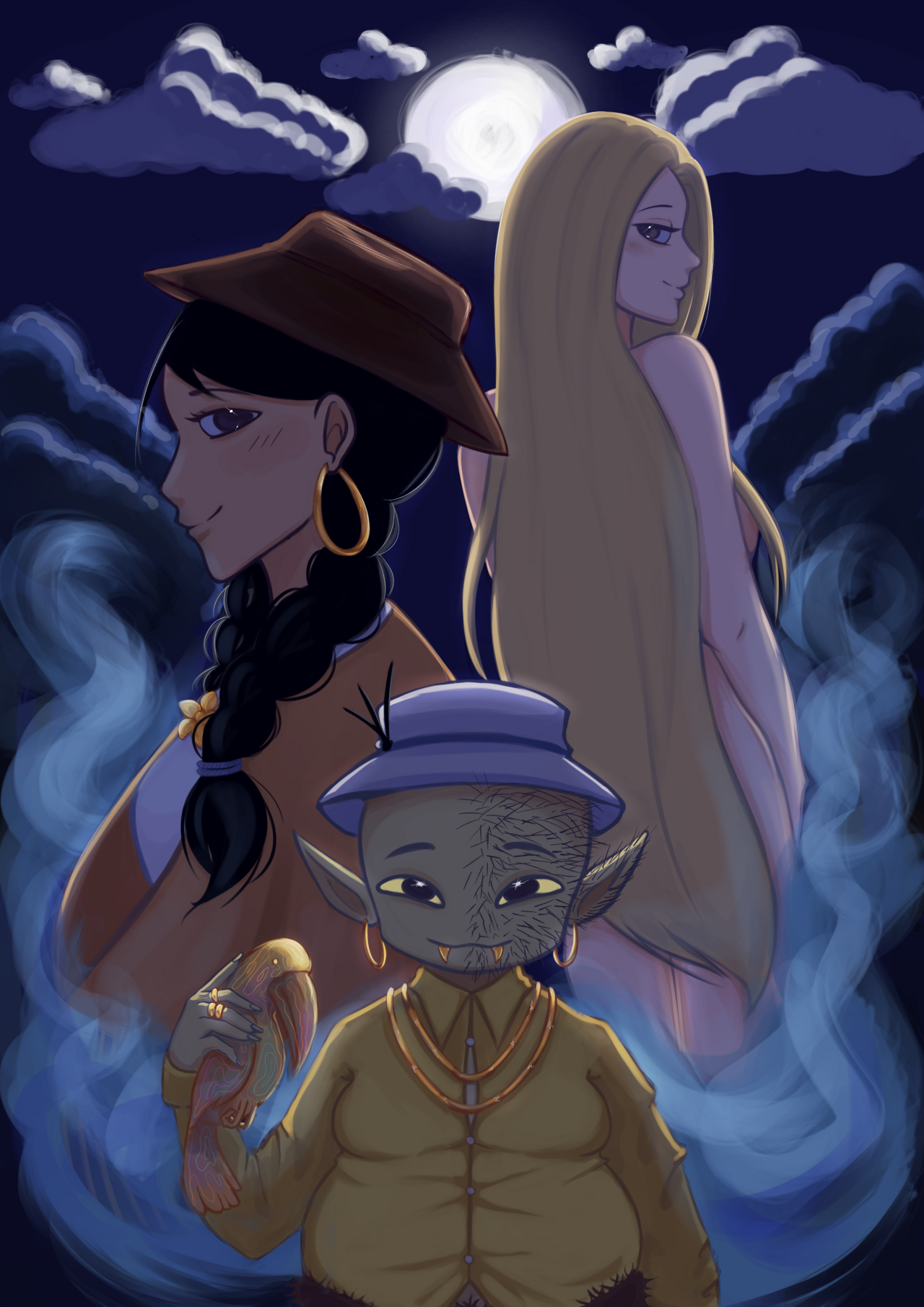
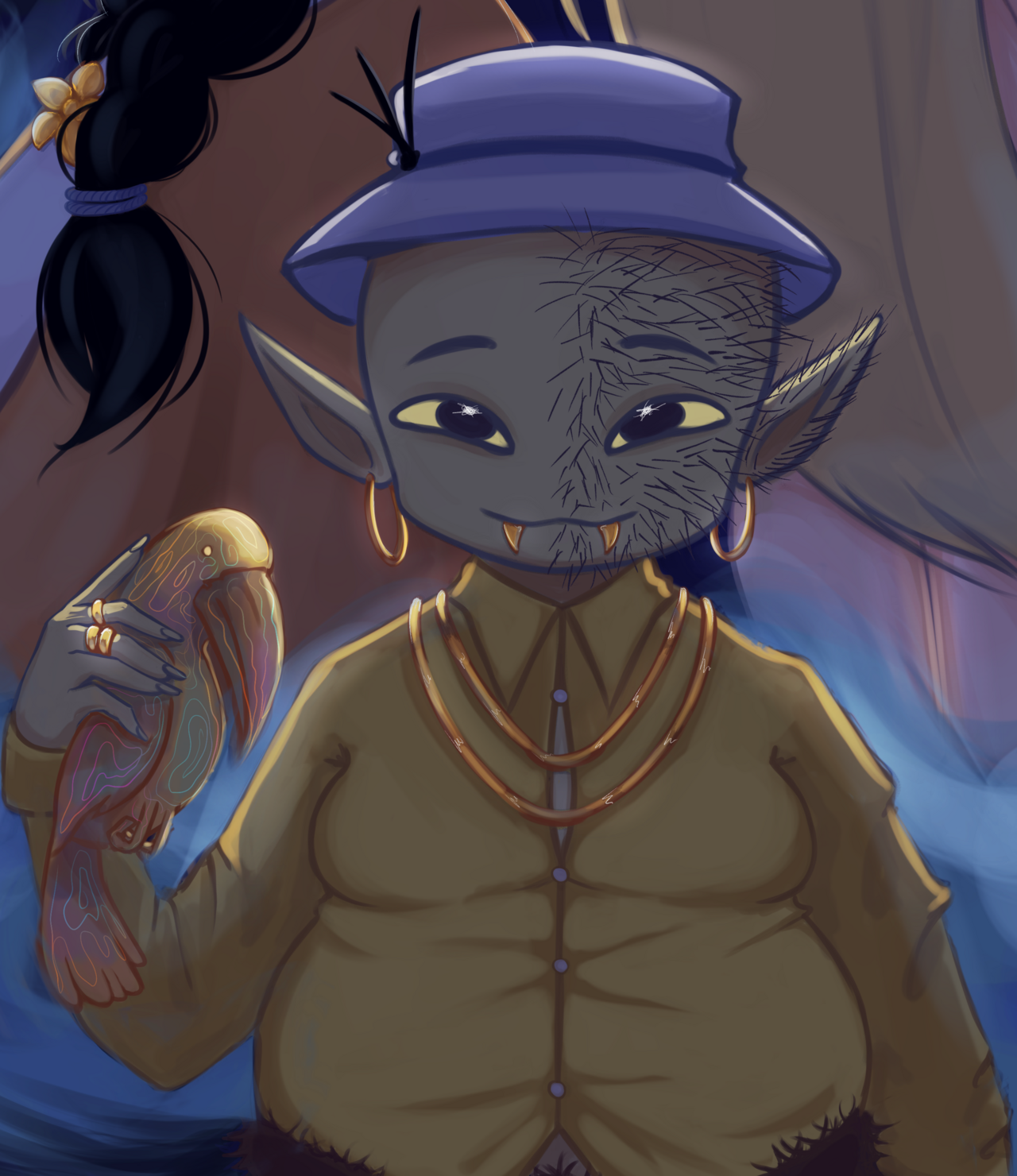
The anchanchu lives in the most desolate caves and grottoes of the altiplano, a plateau in the Andes Mountains. It has an insatiable desire and frequents mountain paths and the edges of grazing grounds at night, leaving behind whirlwinds. It may take the form of an old man (sometimes hunchbacked or pot-bellied with an enormous penis), a wealthy cholita with gold teeth, a seductive nude gringa, a monstrous animal, a half-animal/half-human, or a giant arachnid. It is also associated with animals such as the fox, whose dung and organic remains are considered effective remedies for conditions caused by the anchanchu. The anchanchu takes advantage of people's compassion to suck blood from their lips or heart. Those attacked die from loss of blood or strange diseases, and the anchanchu often drives its victims to insanity. To protect oneself when walking alone, some believe it is best to pray or talk to oneself, or place a small rock underneath the tongue.
Reader's Guide
The anchanchu holds deep significance in Aymara mythology as the most feared evil being, embodying the dangers of the underground world known as mankhapacha ('of below and inside'). According to tradition, the anchanchu is the illegitimate brother of Ekeko, the central figure of the Alasitas festival in La Paz, Bolivia, born from an extramarital affair of the Mallku of Chakamita. While popular online sources often depict it as a demonic figure, Aymara mythology casts it as a gatekeeper of the underground mineral world, requiring homage before mining the Earth's resources—including the sacrifice of a llama, a dance with ceramic masks, and a reading of ashes by a layqa. This imagery led the Spanish to associate the anchanchu with the devil, influencing the development of the Diablada dance since the 1600s. In Peru, the anchanchu is a duende called Muki or Muqui, living underground with a penchant for gold, and is related to the Uru god Tiw (El Tío), protector of mines, rivers, and lakes. Victims of anchanchu attacks must be treated quickly by yatiris or amautas with a ch'iyara misa ('black table') offering of hard, dry food waste resembling anchanchu feces; if the anchanchu is not satisfied, death is imminent.
Did You Know?
- In Peru, the anchanchu is called Muki or Muqui and is a duende that lives underground with a penchant for gold.
- The anchanchu is associated with the Uru god Tiw, whose name became El Tío in Spanish.
The Shapeshifter of the Altiplano
The anchanchu is a legendary Andean vampire rooted in the Aymara region of Bolivia, regarded as the most feared evil being among the Aymara people because of its lethality. It shapeshifts into a striking array of forms: a helpless elderly traveler, sometimes hunchbacked or pot-bellied with an enormous penis; a wealthy Aymara woman, or cholita, sporting gold teeth; a seductive gringa, usually in the nude; a monstrous animal; a half-animal, half-human creature; or a giant arachnid. It dwells in the most desolate caves and grottoes of the altiplano, a high plateau in the Andes. At night it haunts mountain paths and the edges of grazing grounds, leaving behind whirlwinds. It may appear in luxurious garments and is often found near archaeological sites. The anchanchu exploits people's compassion to suck blood from their lips or heart. Because attacks are most common when a person walks alone, tradition advises praying, talking to oneself, or placing a small rock under the tongue as a protective measure.
Gatekeeper of the Mineral Depths
In Aymara mythology the anchanchu inhabits mankhapacha, the realm described as the world of below and inside, alongside other feared creatures such as the kharisiri. Far from being a mere monster, the anchanchu serves as a gatekeeper of the underground mineral world, and tradition demands that homage be paid before any mining of the Earth's resources takes place. This ritual involves the sacrifice of a llama, burnt using dry dung fuel, accompanied by a dance performed to the sound of a siku, an Andean pan flute. Dancers wear ceramic masks adorned with taruca horns, representing the anchanchu itself. After the sacrifice, a layqa reads the ashes of the burnt animal to discern the anchanchu's will. The Spanish colonizers, encountering this imagery, associated the anchanchu with the devil. A related dance called the Diablada has evolved since the 1600s, blending Spanish, Christian, and Aymara elements, and continues to be performed in Bolivia. The anchanchu is also linked to the Uru god Tiw, protector of mines, rivers, and lakes, whose name became El Tío in Spanish.
Victims, the Black Table, and the Fox
Those struck by the anchanchu face a grim fate: they die from loss of blood or from strange, unexplained diseases, and the creature typically drives its victims to insanity. Traditional healing demands swift action by yatiris or amautas, spiritual practitioners who prepare an offering known as ch'iyara misa, or the black table. This offering is composed of hard, dry food waste that deliberately resembles anchanchu feces—a fitting detail, given that the creature is said to eat its own excrement. After the black table is laid, special rituals are carried out, followed by spiritual healing. If the anchanchu is not satisfied by the offering, death is considered imminent; in that case it will drink the person's warm blood and consume their flesh. The fox holds a special association with the anchanchu in Aymara tradition, and its dung and organic remains are regarded as effective remedies for ailments caused by the creature.
Lineage, the Peruvian Duende, and Living Tradition
According to Aymara tradition, the anchanchu is the illegitimate brother of Ekeko, also known as Iqiqu, and was born from an extramarital affair between the Mallku of Chakamita and his concubines. Ekeko himself is the central figure of the Alasitas festival in La Paz, Bolivia, celebrated every January 24. The legend also extends to the Peruvian Aymara community, though the Peruvian version differs considerably: there the anchanchu takes the form of a duende, akin to a dwarf, and is called Muki or Muqui. This underground dweller has a strong penchant for gold. While many popular online sources depict the anchanchu as a purely demonic figure, the deeper Aymara mythological framework casts it as a necessary spiritual force governing the subterranean realm. Its connection to the Uru god Tiw, protector of mines, rivers, and lakes—known in Spanish as El Tío—further underscores its role as a bridge between the human world and the mineral depths of the Andes.
Gallery
Frequently Asked Questions
Who is Anchanchu?
Anchanchu is a shapeshifting vampire figure from Aymara Andean folklore, most strongly tied to the Bolivian highlands. It holds the distinction of being the single most feared malevolent entity in Aymara tradition because of how deadly it is to those it encounters.
What are Anchanchu's powers and how does it hunt?
Anchanchu can assume various disguises to approach strangers, then drains their blood until they succumb to hemorrhaging or a fatal disease. Its predatory strategy specifically exploits moments of human compassion, turning a victim's kindness into the very thing that kills them.
Where does the Anchanchu legend come from?
The creature is native to the Aymara-speaking region of Bolivia, where it sits at the top of the local hierarchy of evil supernatural beings. The story has also spread to the Aymara communities in Peru, though that regional variant diverges considerably from the original.
How does the Peruvian version of Anchanchu differ from the Bolivian one?
In the Peruvian Aymara telling, the entity is recast as an underground duende called Muki or Muqui rather than a roaming blood-drinker. Its defining trait shifts from a lethal thirst for human blood to an obsessive greed for buried gold.
What other Andean figures is Anchanchu connected to?
Anchanchu is linked to Ekeko, who is described as its illegitimate brother, and to the Uru deity Tiw, also known as El Tío. These associations slot the vampire into a wider network of Andean supernatural kinship and divine rivalry.
More in Legendary shapeshifters 1-24
Spotted an error? Know more?
Reader corrections go straight into our review queue. Suggest an edit · How this site is sourced