
Aswang
Evil shape-shifting creature feared in Filipino folklore.

Nuno Media · CC BY 3.0
Aswang is a broad label in Filipino folklore for a range of evil, shape-shifting beings, including vampires, ghouls, witches, viscera suckers, and hybrids that transform into animals like dogs, cats, or pigs. These creatures appear widely in myths, stories, art, and films across the Philippines. Spanish colonists documented various supernatural entities in the 16th century, but the claim that the aswang was singled out as the most feared creature is not supported by the earliest accounts.
Quick Facts
- Grouping
- A vampiric werebeast or cannibalistic human-like shape-shifter
- Region
- Visayas, southern parts of Luzon and parts of Mindanao
- Similar Entities
- Tik-tik/Wakwak
Facts from the source article.
Lore & Background
The aswang is derived from Greater Central Philippine *aswang ('vampire,' 'evil spirit,' or 'witch'). Its cognates include Cebuano, Aklanon, Bikol, Kapampangan, and Tagalog aswang, as well as Maranao ansoang, Mansaka asoang, and Sangir ansuang. It is also believed to be the origin of Eastern Indonesian beliefs in suangi. Historical accounts from Fr. Juan de Plasencia (1589) describe creatures such as silagan, manananggal, and osuang, which are considered types of aswang. Ferdinand Blumentritt (1895) described the asuang as a nocturnal demon that takes forms like a dog, cat, bird, or other animal, and that it removes fetuses from pregnant women with its tongue. The aswang is most famously associated with the Visayas and parts of Mindanao, not specifically southern Luzon.
Reader's Guide
According to Maximo Ramos, the term 'aswang' can be thought of as an aggregate term for a multitude of Filipino supernatural creatures, organized into five categories: the vampire, the self-segmenting viscera sucker, the weredog, the witch, and the ghoul. The vampire aswang takes the appearance of a beautiful woman and sucks blood with a proboscis-like tongue. The viscera sucker (manananggal) segments itself at night, grows wings, and preys on fetuses. The weredog transforms into a dog, cat, or pig and kills people, especially pregnant women. Witch aswangs curse victims by causing objects to emerge from bodily orifices. Ghoul aswangs eat human corpses. Aswangs commonly dwell at night in cemeteries and woods, and their powers are reduced during daytime. They fear light and dislike noise. The aswang is especially popular in southern Luzon, parts of Mindanao and Visayas, particularly Capiz.
Did You Know?
- Spanish colonists documented various supernatural beings in the 16th century, but the aswang was not explicitly named as the most feared in early accounts.
- The viscera sucker is a subtype that uses a long tongue to prey on internal organs, while the manananggal is a different subtype that segments itself at night, leaving its lower body behind to fly in search of victims.
Taxonomic Framework and Western Parallels
Maximo Ramos organized the aswang into five categories that mirror Western supernatural creatures: vampire, self-segmenting viscera sucker, weredog, witch, and ghoul. This framing positions the aswang not as a single monster but as an umbrella term encompassing a diverse family of malevolent beings. The vampire aswang, for instance, resembles its European counterpart in its blood diet but diverges in method—using a proboscis-like tongue rather than fangs—and in habitat, dwelling in forests or infiltrating villages through marriage rather than lurking in tombs. The viscera sucker, or manananggal, parallels the ghoul in its organ-based diet but is unique in its ability to detach its upper body from the waist down, growing wings to fly at night. The weredog category reflects a regional logic: since the Philippines lacks indigenous wolves, the most ferocious local animal—the dog—serves as the shapeshift form, just as Europe's werewolves, India's weretigers, and Africa's wereleopards each mirror their respective ecosystems. This taxonomic approach reveals how Filipino folklore encodes local ecology and social structures into its supernatural bestiary.
Colonial Encounters and Historical Documentation
The aswang's reputation as the most feared mythical creature in the Philippines was already well established by the time Spanish colonists arrived in the 16th century. Fr. Juan de Plasencia's 1589 manuscript catalogued several distinct aswang types by region: the silagan of Catanduanes, which tore out livers from people dressed in white; the manananggal, which separated its head and entrails at night before reattaching them by morning; and the osuang of the Visayan Islands, a flying sorcerer that attacked and consumed men. Plasencia noted with some skepticism that the manananggal appeared to be a fable, yet acknowledged native claims of witnessing it. A century later, Ferdinand Blumentritt's 1895 account described the asuang as a nocturnal shapeshifter taking forms of dogs, cats, or birds, with a horribly dilated black tongue used to extract fetuses from pregnant women. He observed that the term had become a generic label, as various communities lumped different demons under one name, and noted its connection to the Malaysian demon known in Dutch-controlled Indonesian regions. These colonial records, while filtered through European interpretive lenses, confirm the aswang's deep roots and wide geographic spread across the archipelago.
Linguistic Roots and Regional Variations
The word aswang traces back to the Greater Central Philippine proto-form *aswang, meaning vampire, evil spirit, or witch. From this root, a family of cognates radiates across the Philippine language landscape: Cebuano, Aklanon, Bikol, and Kapampangan all retain the aswang form; Tagalog offers aswang, asuwang, or uswang; Maranao uses ansoang for demon witch; Mansaka employs asoang for demon; and Sangir uses ansuang meaning giant. The linguistic reach extends beyond the Philippines entirely. Scholars believe the aswang concept is the origin of Eastern Indonesian beliefs in the suangi—also called keswange or iwangi—described as an evil spirit, witch, or ghost. Ferdinand Blumentritt reinforced this connection in 1895, noting that the Tagalog terms osuang or usuang were considered the oldest names associated with the Malaysian demon known by the same name in Dutch-controlled regions of Indonesia. This etymological web demonstrates that the aswang is not merely a local Philippine curiosity but part of a broader Austronesian supernatural lexicon, with the Visayan province of Capiz and parts of Mindanao and southern Luzon serving as particularly rich cultural strongholds for its many stories.
Behavioral Patterns and Social Infiltration
What distinguishes the aswang from many other folklore creatures is its method of operating within human society rather than apart from it. Multiple aswang types—vampire, viscera sucker, and weredog—share a common strategy of infiltrating communities through marriage. A vampire aswang might wed a local man, slowly draining his blood over time or using his home as a nighttime hideout before venturing out to raid neighboring villages. The manananggal follows a similar pattern, maintaining a domestic life by day as an attractive, light-skinned, long-haired woman before shedding its lower half at night to hunt. The weredog, too, embeds itself in a village before transforming around midnight into a dog, cat, or pig to stalk prey. Their victim selection is strikingly specific: pregnant women, abandoned children, and lonely nighttime walkers are preferred targets. The viscera sucker shows particular fixation on developing fetuses, while the vampire drains blood with its tubular tongue. The Tiktik, a nocturnal bird, was thought to announce the aswang's presence through its song. These behavioral details reveal a folklore system deeply concerned with domestic trust, reproductive vulnerability, and the terror of the familiar turning predatory.
Gallery
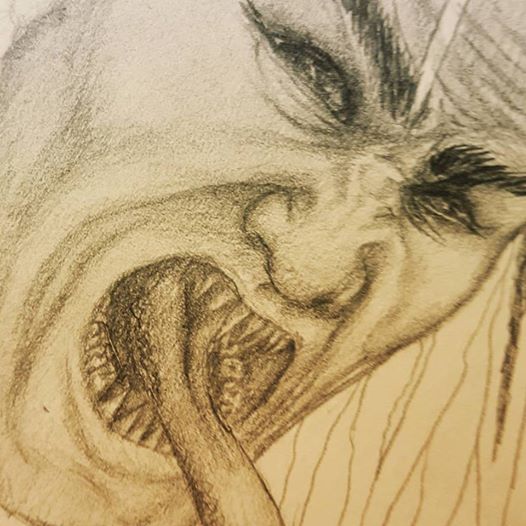
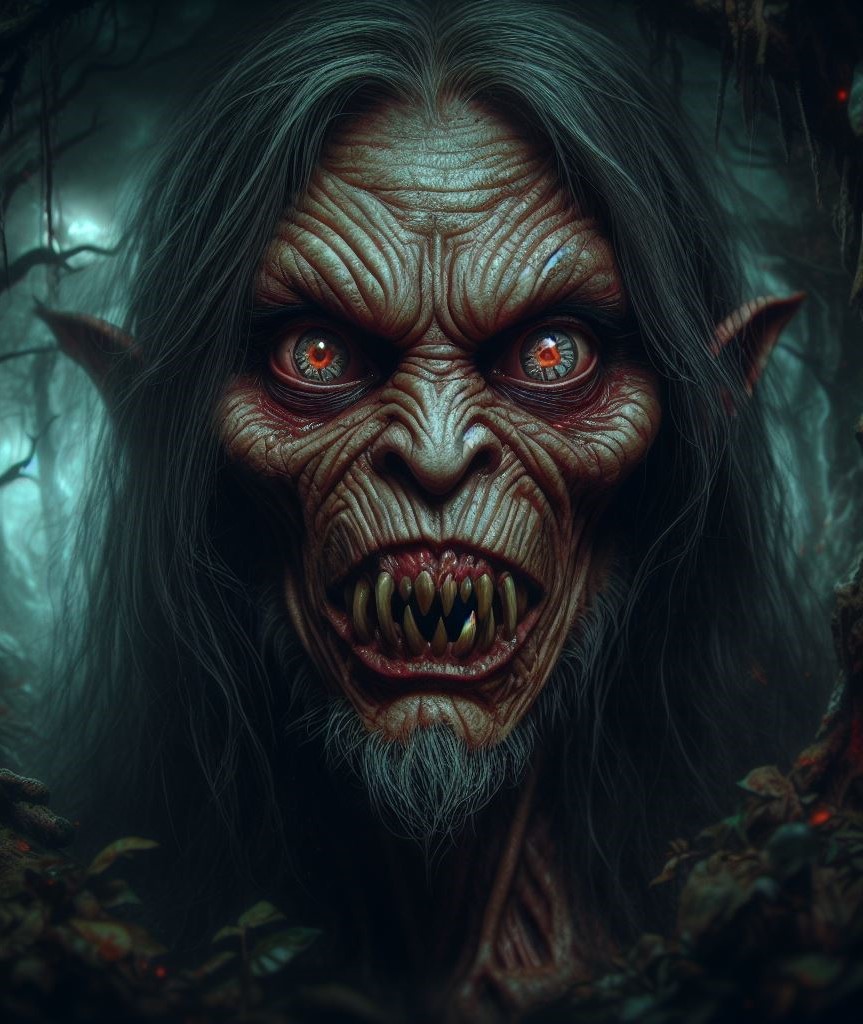



Frequently Asked Questions
What is an Aswang?
The Aswang is a broad umbrella term in Filipino folklore that groups together a family of malevolent, shape-shifting supernatural beings. Rather than being one single monster, it is an aggregate label covering several distinct creatures that all share the traits of evil intent and the ability to change form.
What kinds of creatures does the Aswang category include?
The label spans vampires, ghouls, witches, viscera-sucking entities, and hybrid beings, all regarded as hostile in Philippine mythology. These figures appear throughout indigenous oral traditions, visual art, and modern cinema across the archipelago.
What animals can an Aswang turn into?
Traditional accounts describe Aswang-type beings disguising themselves as common domestic animals such as dogs, cats, and pigs. This animal form is how they are said to slip through villages and hunt under cover of night.
How old is the Aswang legend?
The belief predates European contact, though 16th-century Spanish colonial records do mention various supernatural entities encountered in the Philippines. The Aswang concept is deeply embedded in indigenous Philippine culture and has been transmitted orally across many generations.
Is the Aswang the single most feared creature in Filipino folklore?
While the Aswang is undeniably one of the most widely recognized supernatural threats in Philippine culture, the claim that it was singled out as the top feared creature in the earliest historical accounts is not well supported by those sources. It is more accurately understood as a broad and important category of beings rather than one specific 'number one' monster.
More in Legendary shapeshifters 1-24
Spotted an error? Know more?
Reader corrections go straight into our review queue. Suggest an edit · How this site is sourced