Bench (law)
A term for the judge's seat and the judiciary collectively.
Last updated

Jim.henderson · CC0
In a legal context, the term "bench" carries several distinct meanings. Most literally, it denotes the physical location in a courtroom where a judge presides, typically an elevated desk area designed to allow the judge a clear view of the entire courtroom while also being visible to all present. This physical feature has deep historical roots, originating from the practice of judges sitting on long seats or benches—either freestanding or placed against a wall—while overseeing court proceedings. Notable historical examples include the courts of the Order of St. John in Malta, such as at the Castellania, where judges and the nominated College of Advocates would sit on such benches to hear cases and review laws.
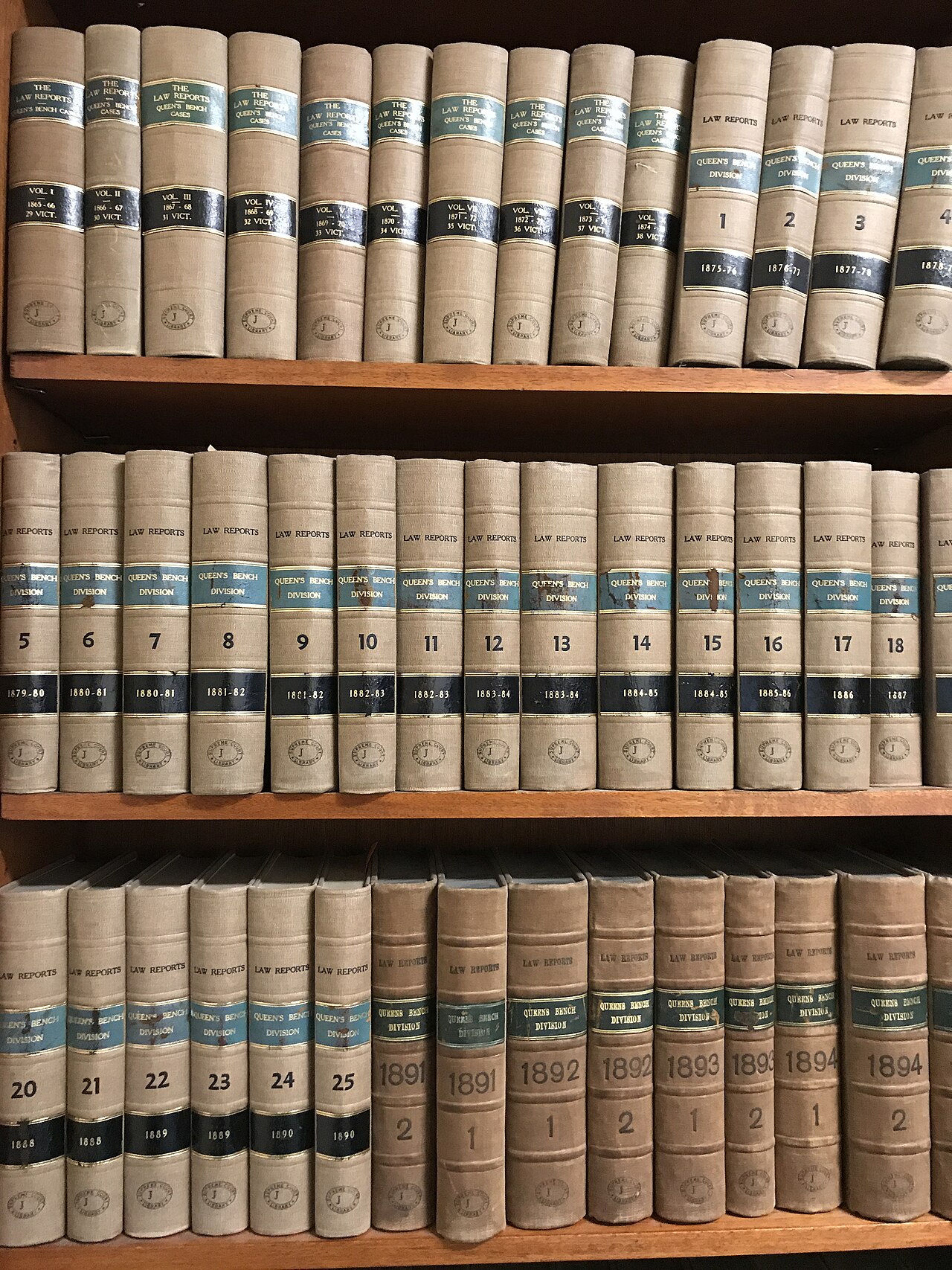
Beyond its physical meaning, "bench" serves as a metonym for the judiciary as a whole or for the judges of a particular court. For instance, one might refer to the King's Bench or the Common Bench in England and Wales, or to the federal bench in the United States. The term also functions to distinguish judges, collectively called "the bench," from attorneys or barristers, who are collectively known as "the bar." The combined phrase "bench and bar" encompasses all judges and lawyers together. When all the judges of a specific court convene to hear a single case, this is referred to as a "full bench," a situation also described by the term "en banc." The Supreme Court of Japan, for example, features a Grand Bench that seats fifteen justices.
Quick Facts
- Field
- Law
- Related terms
- Bar
- Bench trial
- Bencher
- En banc
- Full court
Facts from the source article.
Lore & Background
The term "bench" in law has its historical roots in the physical furniture of the courtroom. Judges originally presided over court while seated on long seats or benches, which could be either freestanding or placed against a wall. This seating arrangement evolved into the modern bench, which is typically an elevated desk area.

This elevation allows the judge to view the entire courtroom and, in turn, be seen by all present. A notable historical example of this feature is found in the courts of the Order of St. John in Malta, particularly at the Castellania, where judges and the nominated College of Advocates sat on such benches to conduct court cases and review laws. Beyond its physical meaning, "bench" serves as a powerful metonym.

It can refer collectively to the members of a judiciary or to the judges of a specific court, such as the King's Bench or Common Bench in England and Wales, or the federal bench in the United States. The term also distinguishes judges ("the bench") from attorneys or barristers ("the bar"), and the phrase "bench and bar" encompasses all judges and lawyers collectively. When all the judges of a particular court sit together to hear a case, it is referred to as a "full bench" or a hearing "before the full bench."

Reader's Guide
The term 'bench' serves multiple functions in legal discourse. It designates the physical location of the judge in a courtroom, an elevated desk area that facilitates visibility and authority. As a metonym, it represents the judiciary collectively or the judges of a particular court, such as the King's Bench or Common Bench in England and Wales, or the federal bench in the United States. This usage allows for concise reference to the judicial branch or a specific court's judges.

The term also creates a clear distinction between judges ('the bench') and attorneys or barristers ('the bar'), with 'bench and bar' encompassing all legal professionals. The concept of a 'full bench' or en banc refers to all judges of a court sitting together to hear a case, emphasizing collective decision-making. Historically, the term derives from the practice of judges sitting on long benches, a tradition reflected in courts like those of the Order of St. John in Malta. Understanding 'bench' is essential for grasping courtroom dynamics, judicial structure, and legal terminology.
Also in the Codexery
More in Legal Systems & Courts
Sources
Compiled from Wikipedia and the sources listed below. Text from Wikipedia is available under CC BY-SA 4.0; this entry is adapted from it.
- Wikipedia: Bench (law) (CC BY-SA 4.0).
Spotted an error? Know more?
Reader corrections go straight into our review queue. Suggest an edit · How this site is sourced