Ibn Abbas
The Ocean of Knowledge: Cousin of the Prophet and greatest Qur'anic exegete.
Last updated

Unknown author · Public domain
Abd Allah ibn Abbas was born in Mecca before the Hijrah and was thirteen when Muhammad died.[1] He became the foremost authority on tafsir and was known as "al-Bahr" (the Ocean) for his vast knowledge.[2] Ibn Abbas died in Taif in 687 CE, and his lineage later established the Abbasid dynasty.[3]
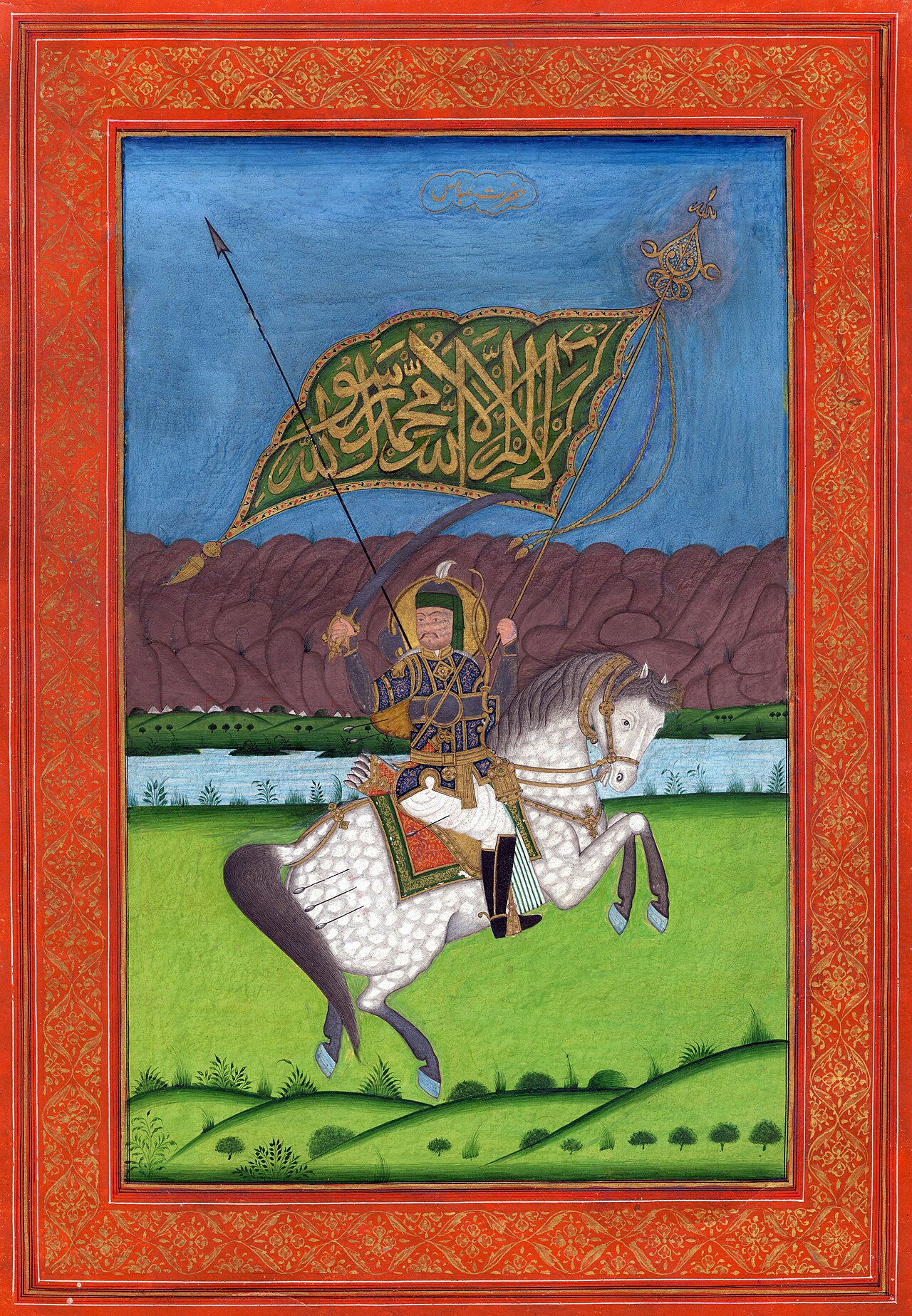
Life and work
Muhammad prayed for him, asking God to grant him wisdom and instruct him in exegesis.[2] After Muhammad's death, Ibn Abbas learned traditions from senior companions like Ubayy ibn Ka'b.[2] He initially withheld allegiance from Abu Bakr, believing Ali was legitimately entitled to the succession.[4] During the First Fitna, Ibn Abbas supported his cousin Caliph Ali and was appointed governor of Basra after the Battle of the Camel.[5]
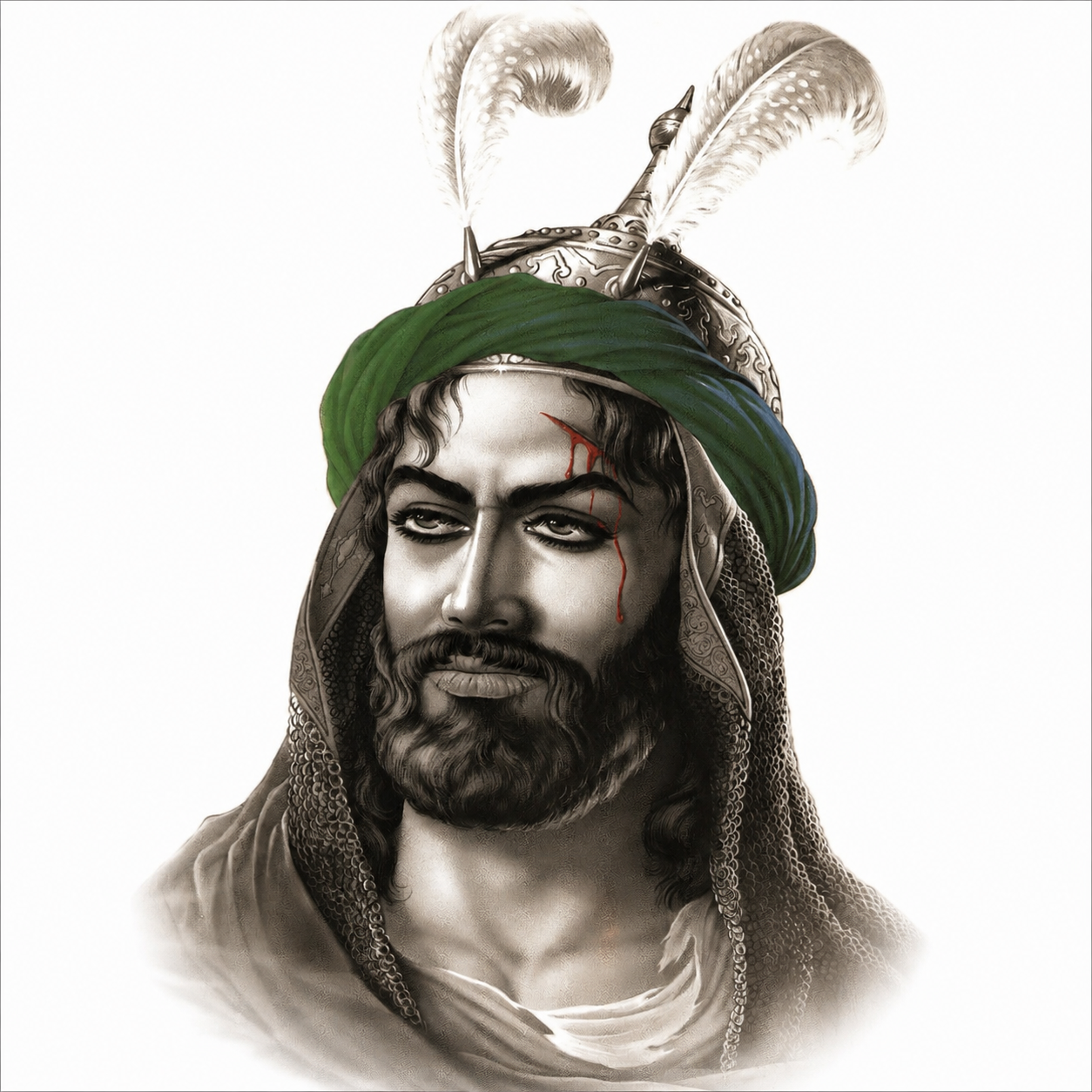
Before Husayn's expedition to Kufa, Ibn Abbas advised him to seek refuge in Yemen instead.[6] Ibn Abbas was frequently present at Muhammad's gatherings and would bring water for his purification rituals.[2] The 650 CE military expedition into Tabaristan, overseen by Sa'id ibn al-As, included Ibn Abbas among its participants.[7] He was a combatant at the Battle of Siffin and later persuaded 20,000 dissidents who had broken away from Ali's army to rejoin him.[5][8]

What the cited sources add
Landau-Tasseron 1998 and Ayoub 1984 are referenced for Ibn Abbas's birth details and the identity of his father, Abbas ibn Abd al-Muttalib.[1]

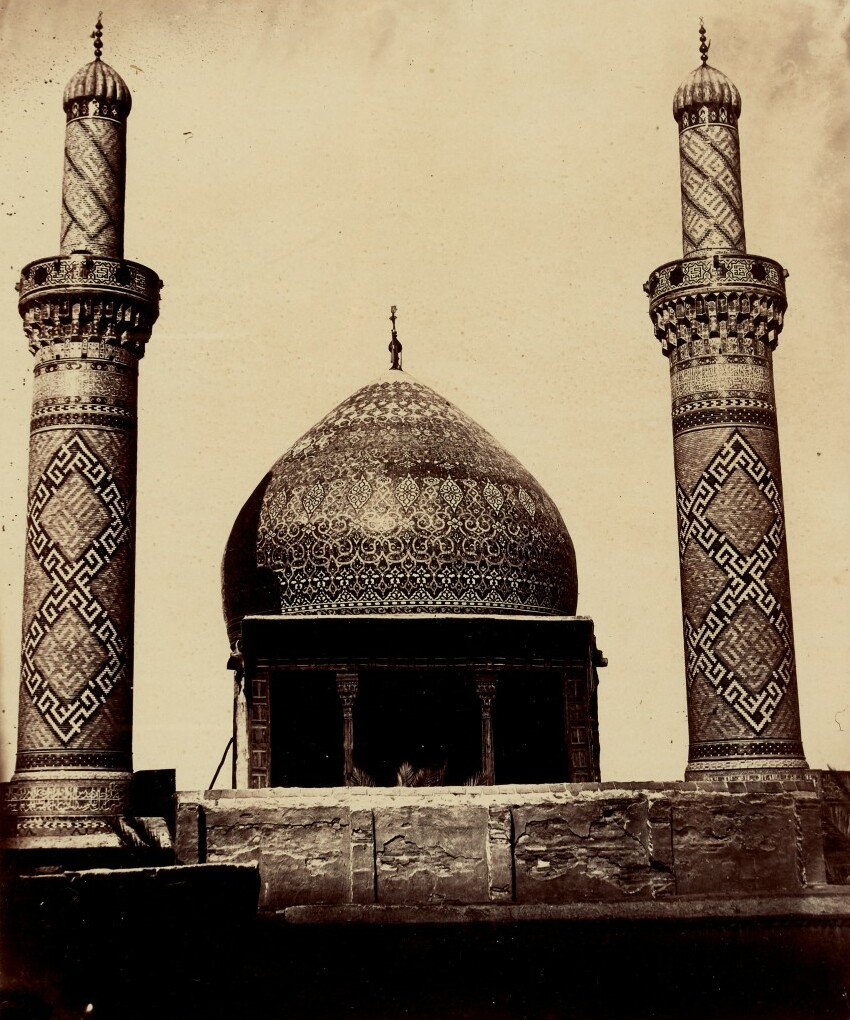
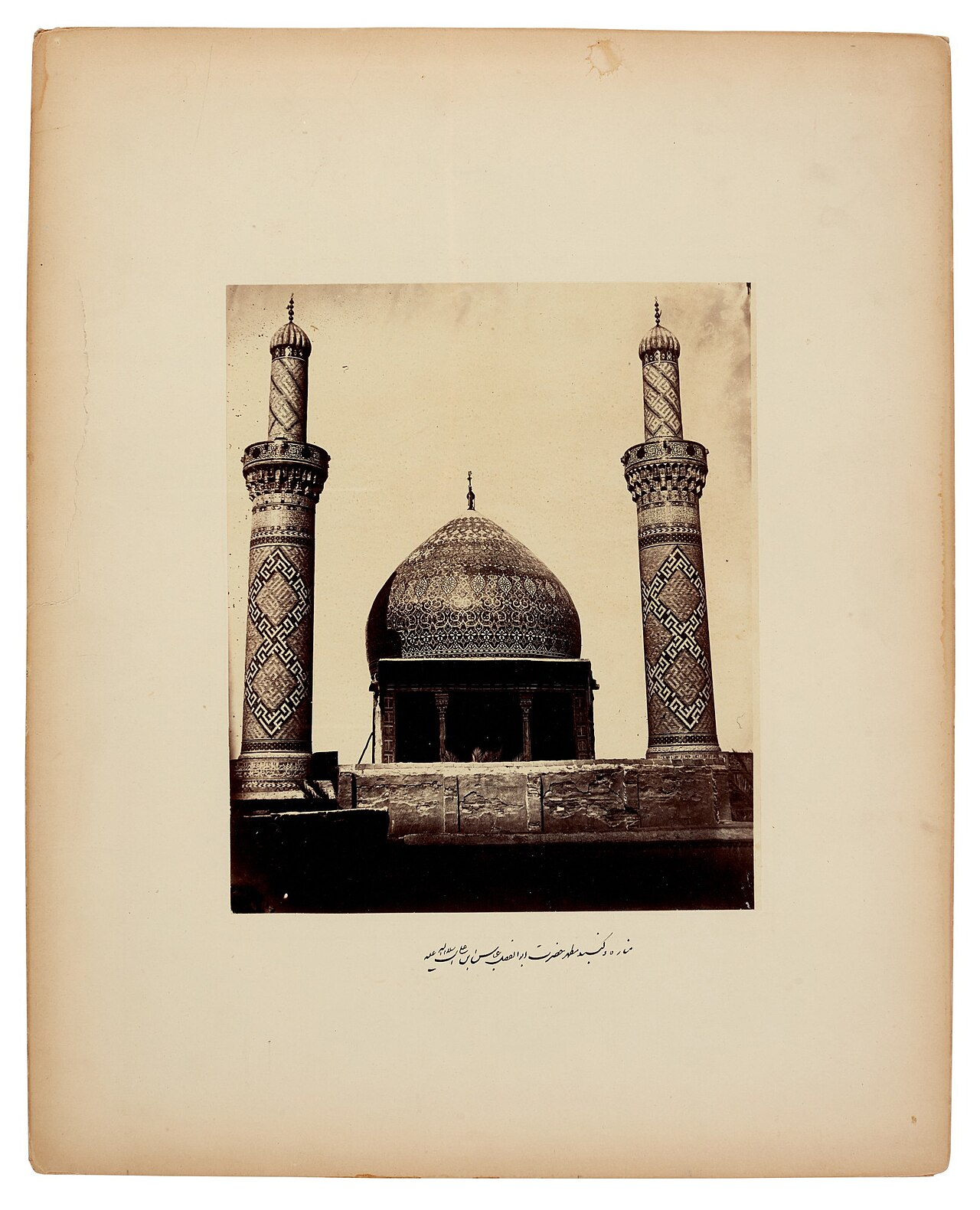
References
- Wikipedia, "Ibn Abbas" (CC BY-SA 4.0), which cites: Landau-Tasseron 1998, p. 54; Ayoub 1984, p. 27 (original not read by us) en.wikipedia.org
- Wikipedia, "Ibn Abbas" (CC BY-SA 4.0), which cites: Ayoub 1984, p. 27 (original not read by us) en.wikipedia.org
- Wikipedia, "Ibn Abbas" (CC BY-SA 4.0), which cites: Ayoub 1984, p. 27; Landau-Tasseron 1998, p. 54 (original not read by us) en.wikipedia.org
- Wikipedia, "Ibn Abbas" (CC BY-SA 4.0), which cites: Madelung 1997, p. 21–22; Madelung 1997, p. 21–22; Ya'qubi 2018, p. 744; Madelung 1997, p. 21–22 (original not read by us) en.wikipedia.org
- Wikipedia, "Ibn Abbas" (CC BY-SA 4.0), which cites: Madelung 1997, p. 21–22 (original not read by us) en.wikipedia.org
- Wikipedia, "Ibn Abbas" (CC BY-SA 4.0), which cites: Wellhausen 1901, p. 64; Veccia Vaglieri 1971, p. 608 (original not read by us) en.wikipedia.org
- Wikipedia, "Ibn Abbas" (CC BY-SA 4.0), which cites: Humphreys 1990, p. 42; Humphreys 1990, p. 42; Humphreys 1990, p. 42 (original not read by us) en.wikipedia.org
- Wikipedia, "Ibn Abbas" (CC BY-SA 4.0), which cites: Sackey Badru 2013, p. 323 (original not read by us) en.wikipedia.org
Each numbered sentence above was checked against the source it cites before publication. Sentences citing Wikipedia adapt text from the English Wikipedia article Ibn Abbas (contributors), used under CC BY-SA 4.0; this entry is available under the same licence. Other sources were used for facts only; no text or images are copied from them.
Also in the Codexery
More in Islamic Scholars & Sages
Sources
Compiled from Wikipedia and the sources listed below. Text from Wikipedia is available under CC BY-SA 4.0; this entry is adapted from it.
- Wikipedia: Ibn Abbas (CC BY-SA 4.0).
Spotted an error? Know more?
Reader corrections go straight into our review queue. Suggest an edit · How this site is sourced