Ibn Arabi
Sufi mystic of al-Andalus, poet and philosopher, first to spell out the unity of existence.
Last updated

via Wikipedia: Ibn Arabi · see source
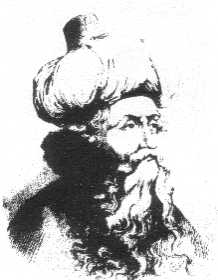
Ibn Arabi was a Sunni Muslim scholar, Sufi mystic, poet, and philosopher born in Murcia in 1165.[1][2] The title Muḥyiddīn was his traditional designation, and following his death, those who practice Sufism gave him the honorific name Shaykh al-Akbar.[3] Certain scholars and Muslim groups regard Ibn ʿArabī as a wali (saint).[4]
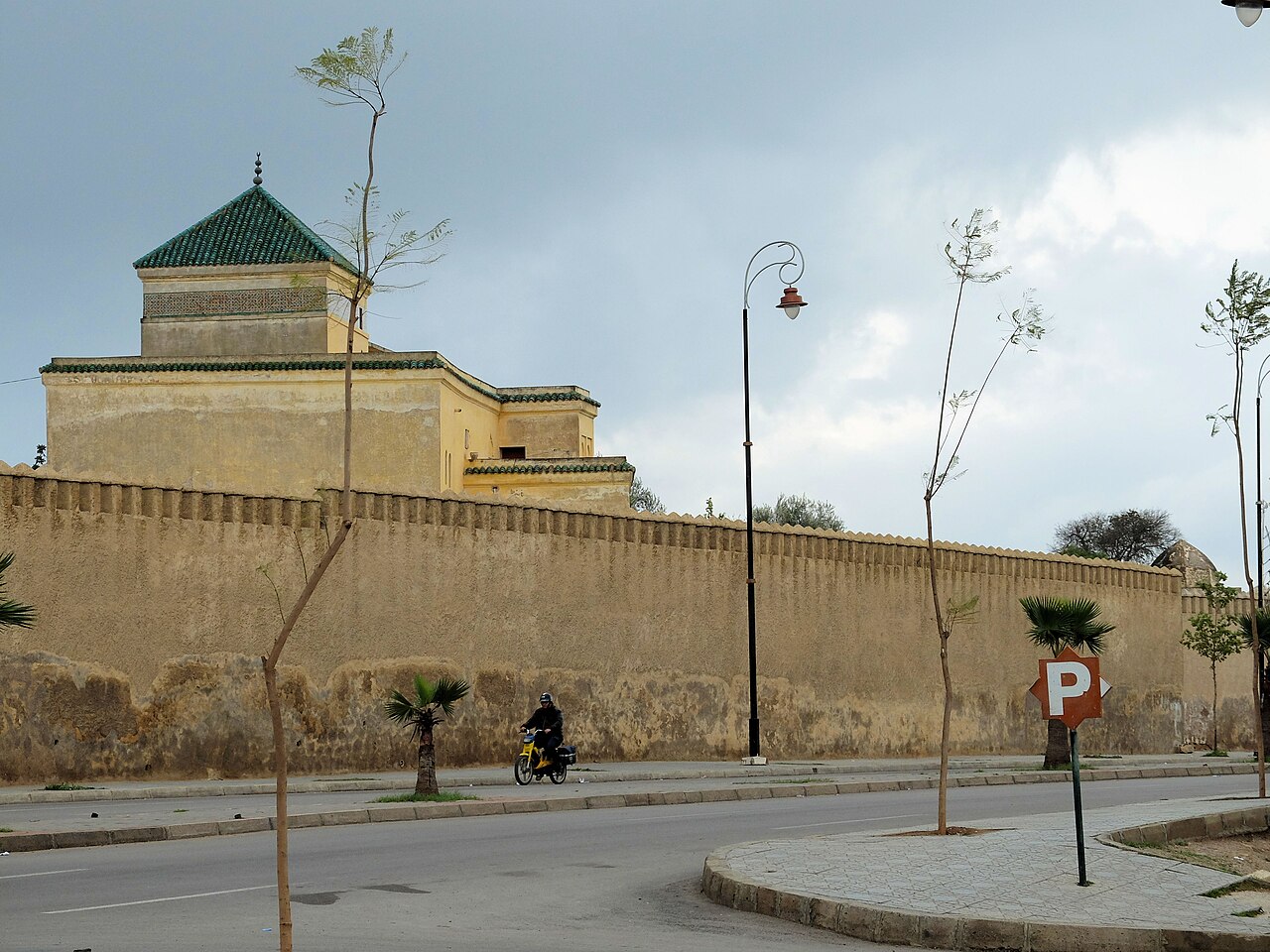
Life and work
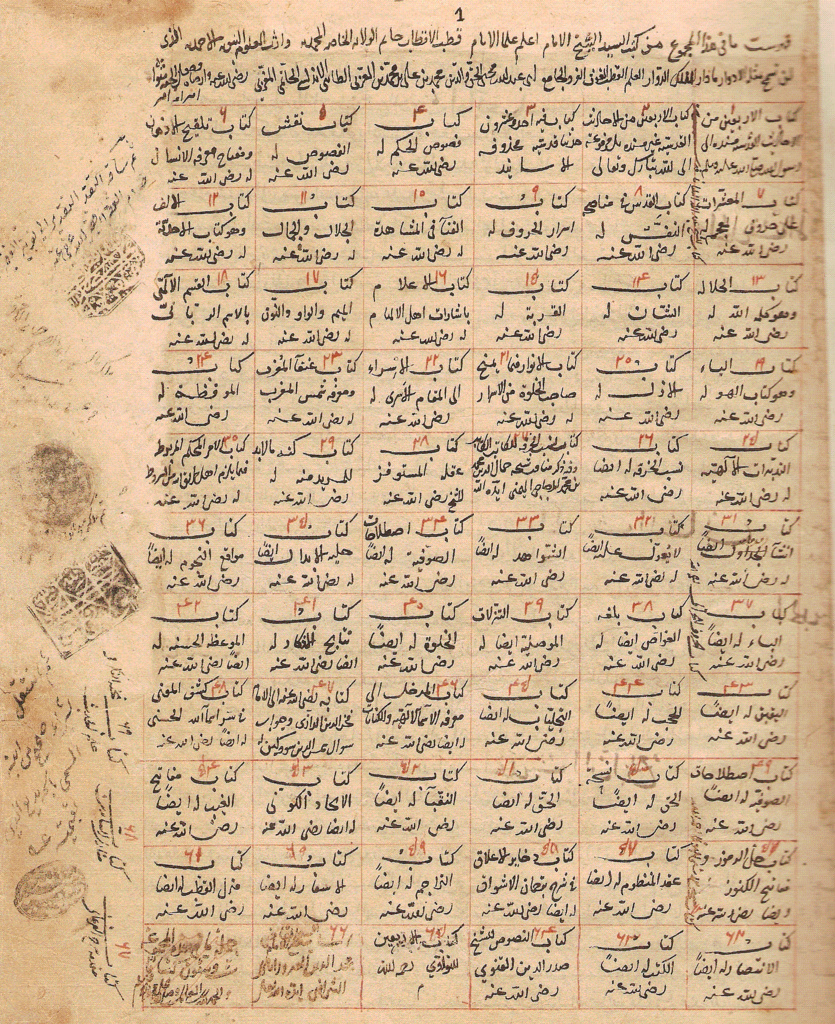
Ibn Arabi was born in the Taifa of Murcia on 17 Ramadan 560 AH (28 July 1165).[5] His father served in the army of Ibn Mardanīsh, and after Murcia fell in 1172 the family moved to Seville.[6] He grew up at the ruling court, received military training, and preferred playing in a military camp over reading.[7] In Mecca he began writing his work Futūḥāt al-Makkiyya.[8]
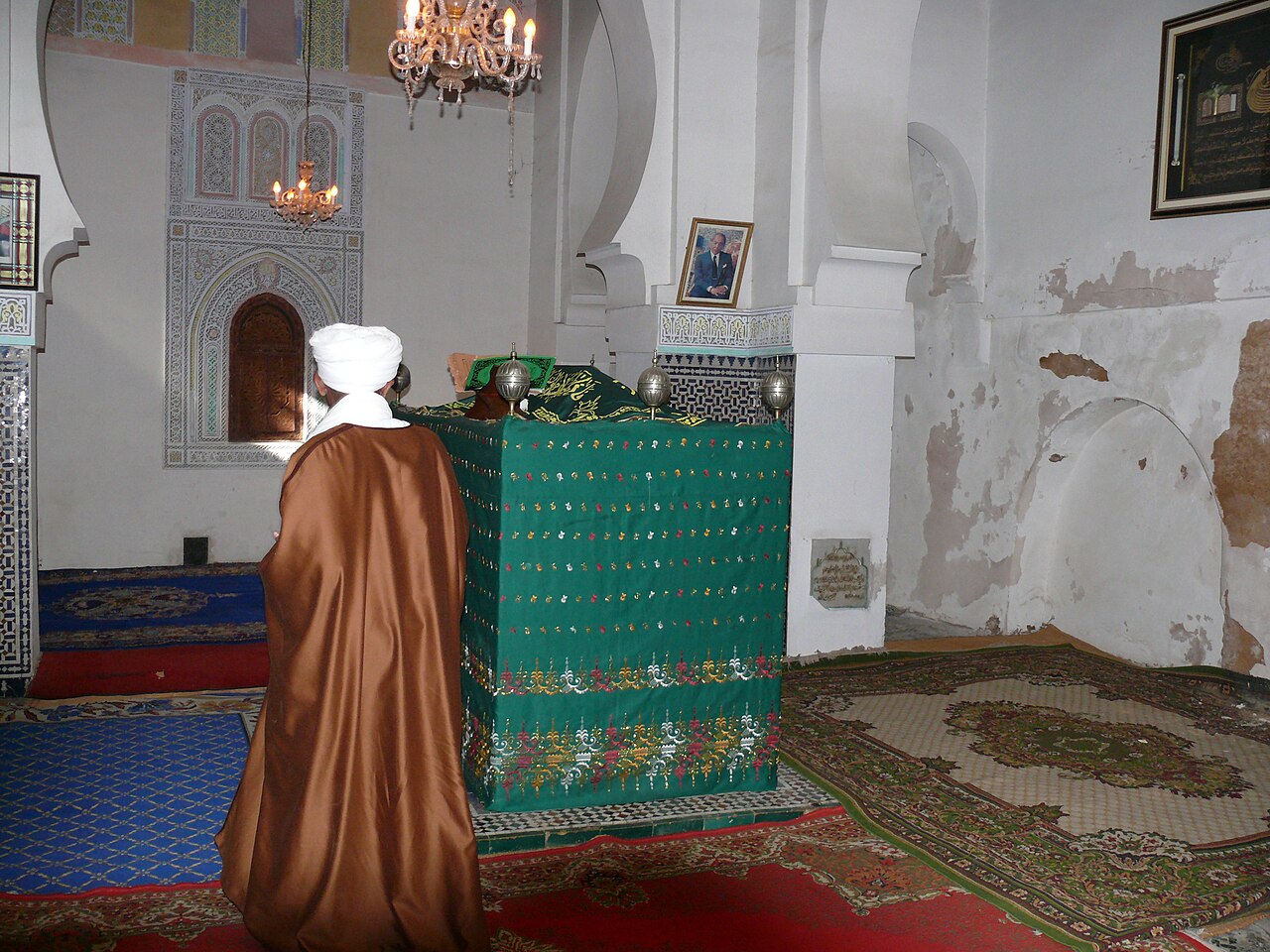
After 25 years of travel, in 1223 he chose Damascus as his final home.[9] At about sixteen years of age, Ibn Arabi entered a period of seclusion, and his turn to the spiritual path was initiated by a dream-vision (mubashshira) under the guidance of Jesus, Moses, and Muhammad.[10]
What the cited sources add
The Stanford Encyclopedia of Philosophy calls Ibn Arabi the greatest of all Muslim philosophers in the broad modern sense.[2] The biography by Gibril Fouad Haddad states his family left Murcia when he was eight years old and took Seville as their home.[10] The same source reports that Ibn Arabi met the prophet Khidr in Seville when he was still a youth.[10] Hirtenstein's article explains that the title Muhyī al-dīn appears in early manuscripts from Ibn Arabi's lifetime.[11]
Haddad reports that Ibn Arabi studied the recitation of the Qur'an in seven different readings (qira'at) using the book Al-Kafi.[10]
References
- Wikipedia, "Ibn Arabi" (CC BY-SA 4.0), which cites: Ibrahim Kalin, Salim Ayduz The Oxford Encyclopedia of Philosophy, Science, and Technology in Islam, Vol. 1 (Oxford University Press, 2014 ), p. 162 (original not read by us) en.wikipedia.org
- Chittick, "Ibn Arabi", Metaphysics Research Lab, Stanford University, Summer 2018. facts only, no text reused. plato.stanford.edu
- Wikipedia, "Ibn Arabi" (CC BY-SA 4.0), which cites: Corbin, "Creative Imagination in the Sufism of Ibn Arabi", Princeton University Press, 2014, p. 76; Addas 2019, p. 9; Hirtenstein, "Names and Titles of Ibn [al-]'Arabī", The Muhyiddin Ibn Arabi Society, 16 January 2020 (we also read that source) en.wikipedia.org
- Wikipedia, "Ibn Arabi" (CC BY-SA 4.0), which cites: Chittick 2005, p. 1; Al-Suyuti, Tanbih al-Ghabi fi Tanzih Ibn 'Arabi (p. 17-21); Chittick, "Ibn Arabi", Metaphysics Research Lab, Stanford University, Summer 2018 (we also read that source) en.wikipedia.org
- Wikipedia, "Ibn Arabi" (CC BY-SA 4.0), which cites: Chittick, "Ibn Arabi", Metaphysics Research Lab, Stanford University, Summer 2018; Addas 2019, p. 9; Hirtenstein, "Names and Titles of Ibn [al-]'Arabī", The Muhyiddin Ibn Arabi Society, 16 January 2020 (we also read that source) en.wikipedia.org
- Wikipedia, "Ibn Arabi" (CC BY-SA 4.0), which cites: Chittick, "Ibn Arabi", Metaphysics Research Lab, Stanford University, Summer 2018; Addas 2019, p. 9 (we also read that source) en.wikipedia.org
- Wikipedia, "Ibn Arabi" (CC BY-SA 4.0), which cites: Chittick, "Ibn Arabi", Metaphysics Research Lab, Stanford University, Summer 2018 (we also read that source) en.wikipedia.org
- Wikipedia, "Ibn Arabi" (CC BY-SA 4.0), which cites: Chittick 2005, p. 1; John Renard, "Tales of God's Friends: Islamic Hagiography in Translation", University of California Press, 18 May 2009, p. 35; Elmore, "Islamic Sainthood in the Fullness of Time: Ibn Al-ʻArabī's Book of the Fabulous Gryphon", Brill, 1999, p. 69; Chittick 2005, p. 1; "The Futuhat Project", The Muhyiddin Ibn Arabi Society, 12 January 2020 (we also read that source) en.wikipedia.org
- Wikipedia, "Ibn Arabi" (CC BY-SA 4.0), which cites: Addas 2019, p. 9; Addas 2019, p. 9; "Ibn al-Arabi Muslim mystic", Encyclopedia Britannica, 24 July 2024; Addas 2019, p. 9 (original not read by us) en.wikipedia.org
- Gibril Fouad Haddad, "Muhyiddin ibn 'Arabi", sunnah.org, 21 November 2020. facts only, no text reused. sunnah.org
- Hirtenstein, "Names and Titles of Ibn [al-]'Arabī", The Muhyiddin Ibn Arabi Society, 16 January 2020. facts only, no text reused. ibnarabisociety.org
Each numbered sentence above was checked against the source it cites before publication. Sentences citing Wikipedia adapt text from the English Wikipedia article Ibn Arabi (contributors), used under CC BY-SA 4.0; this entry is available under the same licence. Other sources were used for facts only; no text or images are copied from them.
Also in the Codexery
More in Islamic Scholars & Sages
Sources
Compiled from Wikipedia and the sources listed below. Text from Wikipedia is available under CC BY-SA 4.0; this entry is adapted from it.
- Wikipedia: Ibn Arabi (CC BY-SA 4.0).
Spotted an error? Know more?
Reader corrections go straight into our review queue. Suggest an edit · How this site is sourced