
Husayn ibn Ali
Third Imam in Shia Islam, grandson of Muhammad, and central figure of the Battle of Karbala.
Last updated

khamenei.ir · CC BY 4.0
In Shia Islam, Husayn is the third Imam after his brother Hasan, and Muslims of all branches consider him a martyr.[1][2]
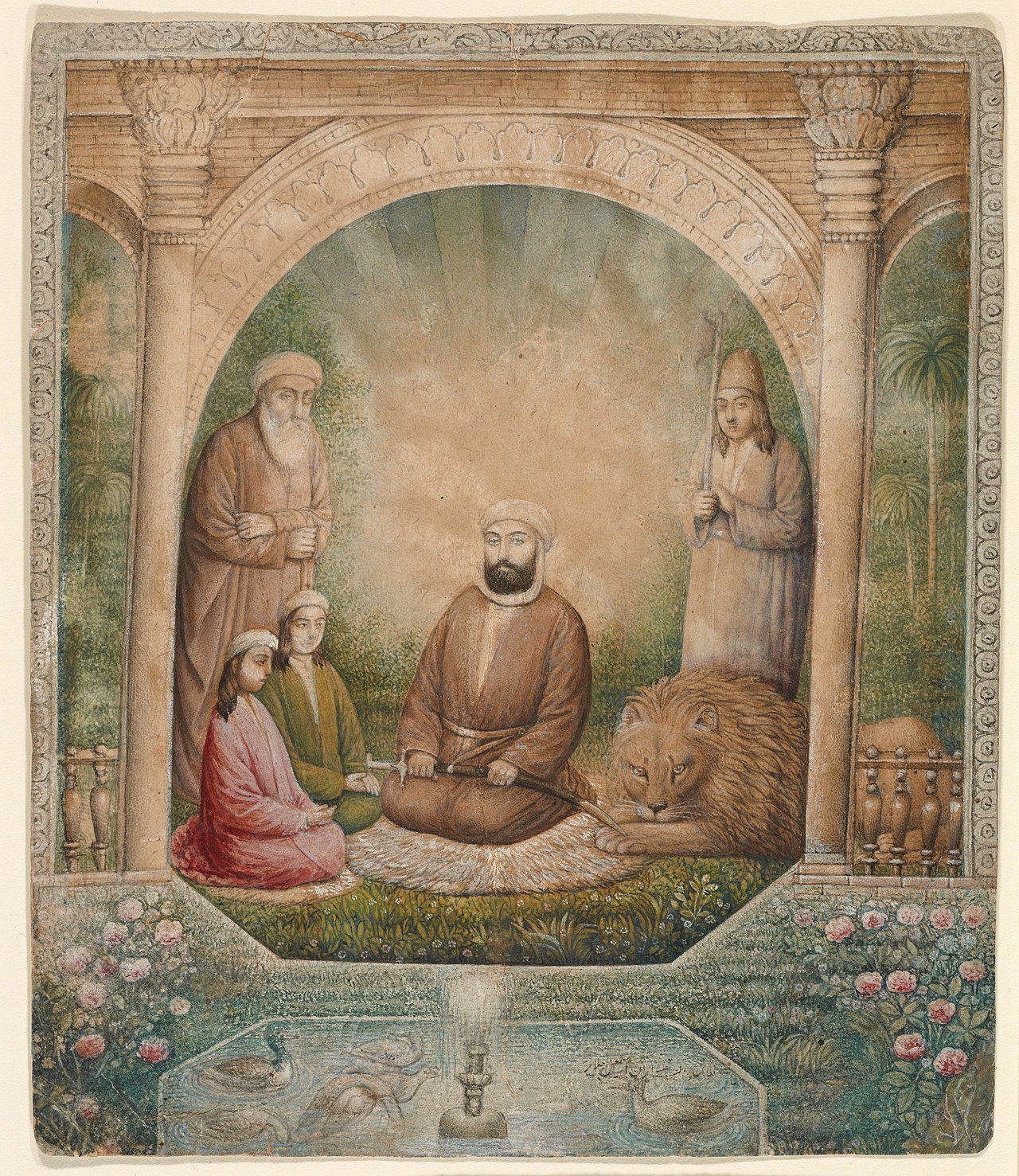
Life and work
Following Hasan's death in 670, Husayn became the third Imam for a ten-year period, most of which coincided with Mu'awiya's caliphate.[3] During his early years, Husayn lived in Muhammad's household, and the prophet named him, also stating that he and his brother Hasan are the chiefs of paradise's youth.[4][5][6] Following Ali's killing, Husayn went along with his brother Hasan's decision to accept the Hasan–Mu'awiya peace agreement, even though some urged him not to.[4] After Mu'awiya passed away in 680, his son Yazid sought Husayn's pledge of loyalty; Husayn declined and challenged Yazid's right to rule.[5]

Traveling toward Kufa with roughly 72 men, his group was stopped by a 1,000-strong Umayyad force and compelled to set up camp at Karbala on 2 October.[7] His pain and death are viewed as representing self-sacrifice in the fight for justice and truth.[8]

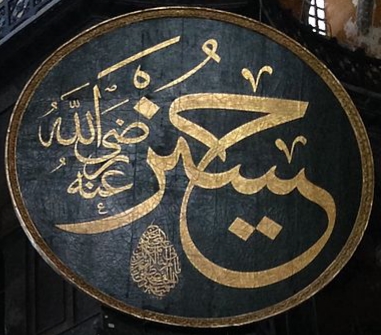
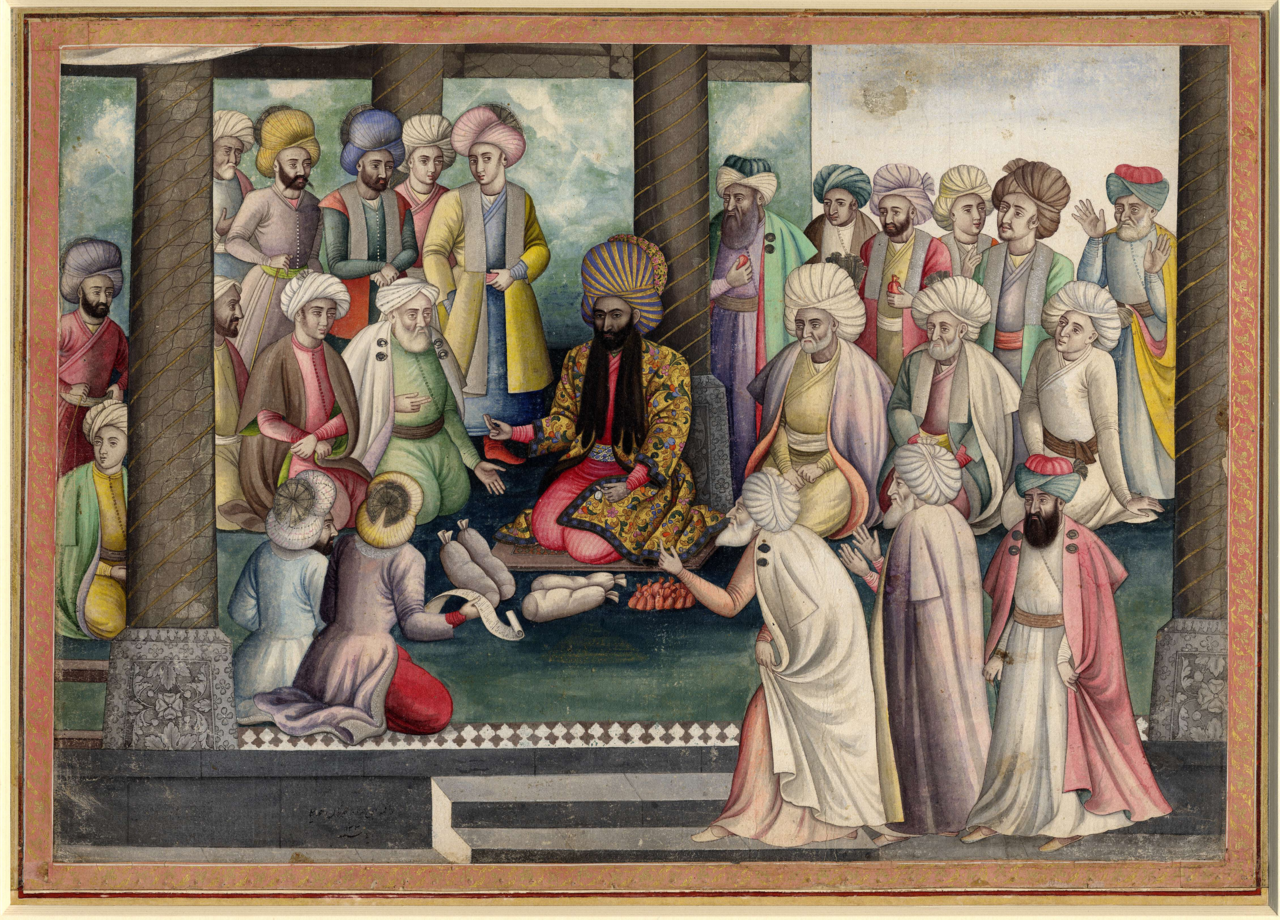
What the cited sources add
The hadith collection Al-Adab Al-Mufrad records Muhammad saying "Husayn is from me and I am from Husayn" and that Allah loves anyone who loves al-Hasan and al-Husayn.[9] A 2019 framing analysis by Mahboobeh Rahimi examines how Western media culturally translates the Arbaeen pilgrimage.[10]
References
- Wikipedia, "Husayn ibn Ali" (CC BY-SA 4.0), which cites: "Husayn ibn Ali", Encyclopædia Britannica, 6 October 2023 (original not read by us) en.wikipedia.org
- Wikipedia, "Husayn ibn Ali" (CC BY-SA 4.0), which cites: "Interactive Maps: Sunni & Shia: The Worlds of Islam", PBS (original not read by us) en.wikipedia.org
- Wikipedia, "Husayn ibn Ali" (CC BY-SA 4.0), which cites: Tabatabaei, (1979), p. 196. (original not read by us) en.wikipedia.org
- Wikipedia, "Husayn ibn Ali" (CC BY-SA 4.0) en.wikipedia.org
- Wikipedia, "Husayn ibn Ali" (CC BY-SA 4.0), which cites: Madelung 2004 (original not read by us) en.wikipedia.org
- Wikipedia, "Husayn ibn Ali" (CC BY-SA 4.0), which cites: "Search Results for (al-) Ḥusayn b. Alī b. Abī Ṭālib referenceworks", referenceworks; "ḤOSAYN B. ʿALI i. LIFE AND SIGNIFICANCE IN SHIʿISM", Encyclopaedia Iranica; "Jami` at-Tirmidhi 3775 - Chapters on Virtues - كتاب المناقب عن رسول الله صلى الله عليه وسلم - Sunnah.com - Sayings and Teachings of Prophet Muhammad (صلى الله عليه و سلم)", sunnah.com; "Al-Adab Al-Mufrad 364 - Children - كتاب الصَّغِيرِ - Sunnah.com - Sayings and Teachings of Prophet Muhammad (صلى الله عليه و سلم)", sunnah.com; Raza, "The Lamp of Guidance, the Ark of Salvation en.wikipedia.org
- Wikipedia, "Husayn ibn Ali" (CC BY-SA 4.0), which cites: Munson 1988, p. 23 (original not read by us) en.wikipedia.org
- Wikipedia, "Husayn ibn Ali" (CC BY-SA 4.0), which cites: "Islam in the World", Oxford University Press, 2006, p. 180; "Political and Economic Dictionary of the Middle East", Routledge, 11 Jan 2013; "My Neighbour's Faith: Islam Explained for African Christians", Zondervan, 26 May 2009; "A Brief Guide to Islam: History, Faith and Politics : the Complete Introduction", Carroll and Graf Publishers, 2006, p. 212 (we also read that source) en.wikipedia.org
- "Al-Adab Al-Mufrad 364 - Children - كتاب الصَّغِيرِ - Sunnah.com - Sayings and Teachings of Prophet Muhammad (صلى الله عليه و سلم)", sunnah.com. facts only, no text reused. sunnah.com
- Mahboobeh Rahimi, "Reframing Arbaeen Pilgrimage in Western Media through a Cultural Translation: A Framing Analysis", (2019), doi:10.22054/scmw.2019.10140. OpenAlex metadata CC0; paper not read. doi.org
Each numbered sentence above was checked against the source it cites before publication. Sentences citing Wikipedia adapt text from the English Wikipedia article Husayn ibn Ali (contributors), used under CC BY-SA 4.0; this entry is available under the same licence. Other sources were used for facts only; no text or images are copied from them.
More in Islamic Scholars & Mystics
Sources
Compiled from Wikipedia and the sources listed below. Text from Wikipedia is available under CC BY-SA 4.0; this entry is adapted from it.
- Wikipedia: Husayn ibn Ali (CC BY-SA 4.0).
Spotted an error? Know more?
Reader corrections go straight into our review queue. Suggest an edit · How this site is sourced