Betawi batik
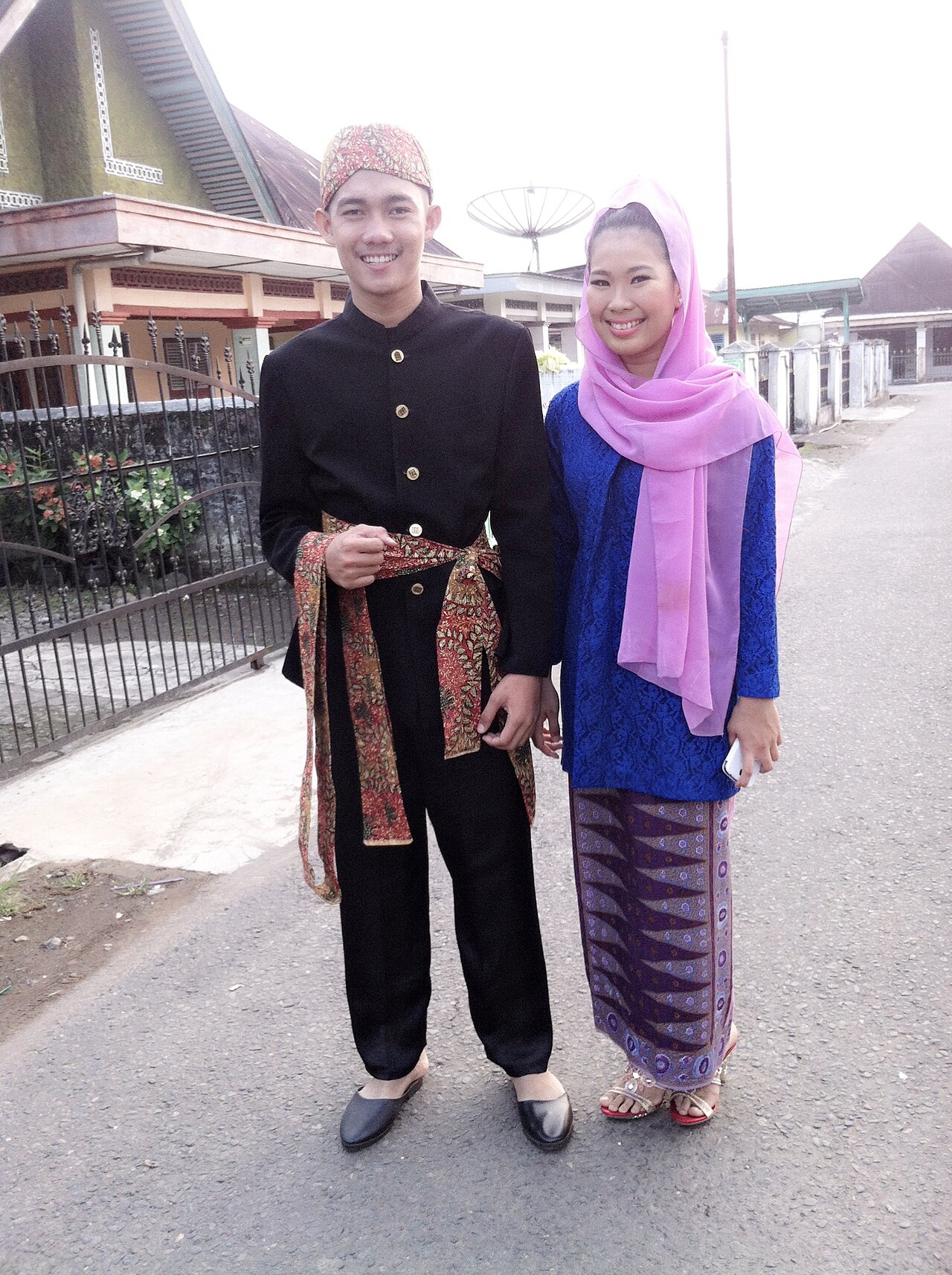
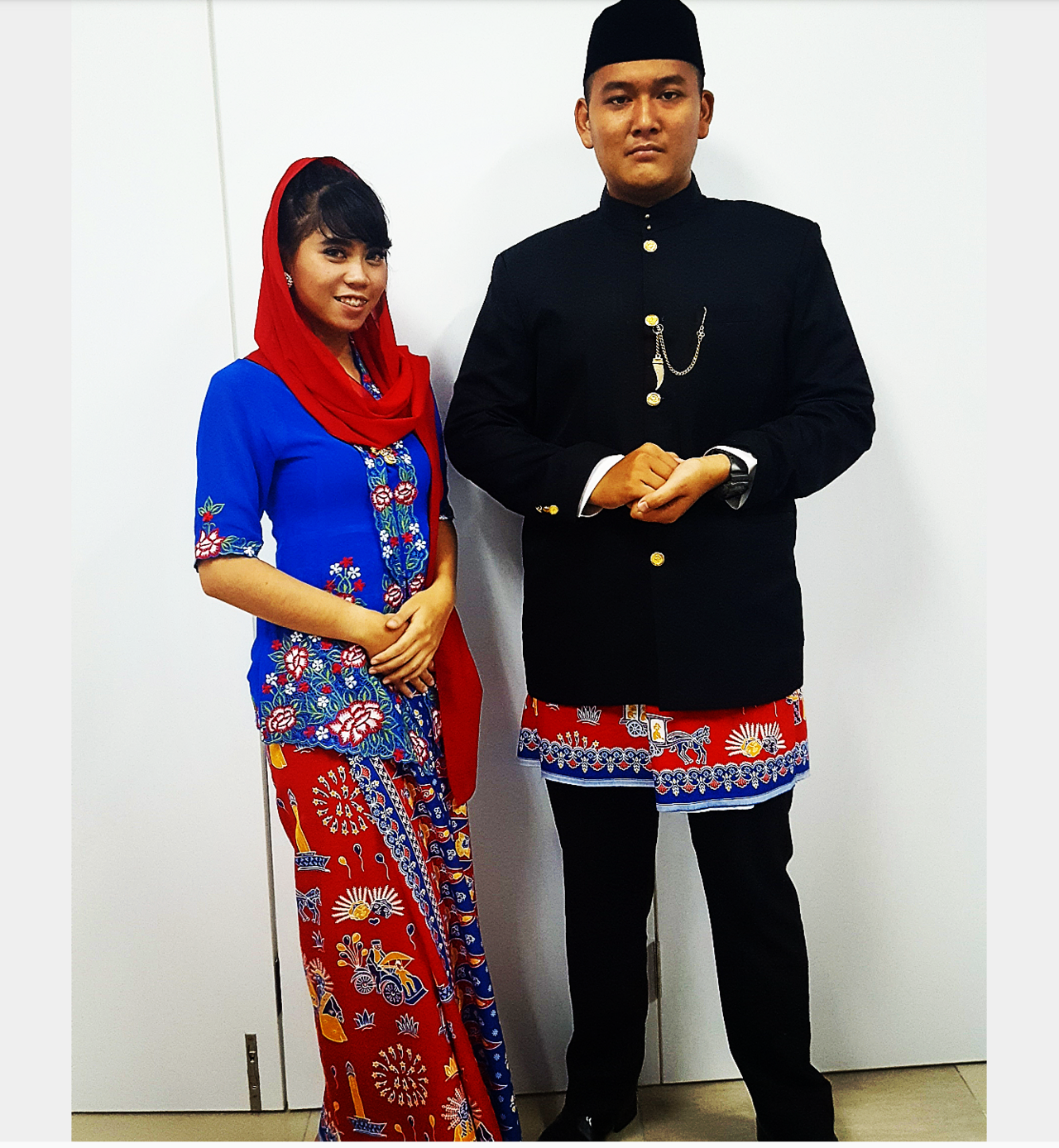
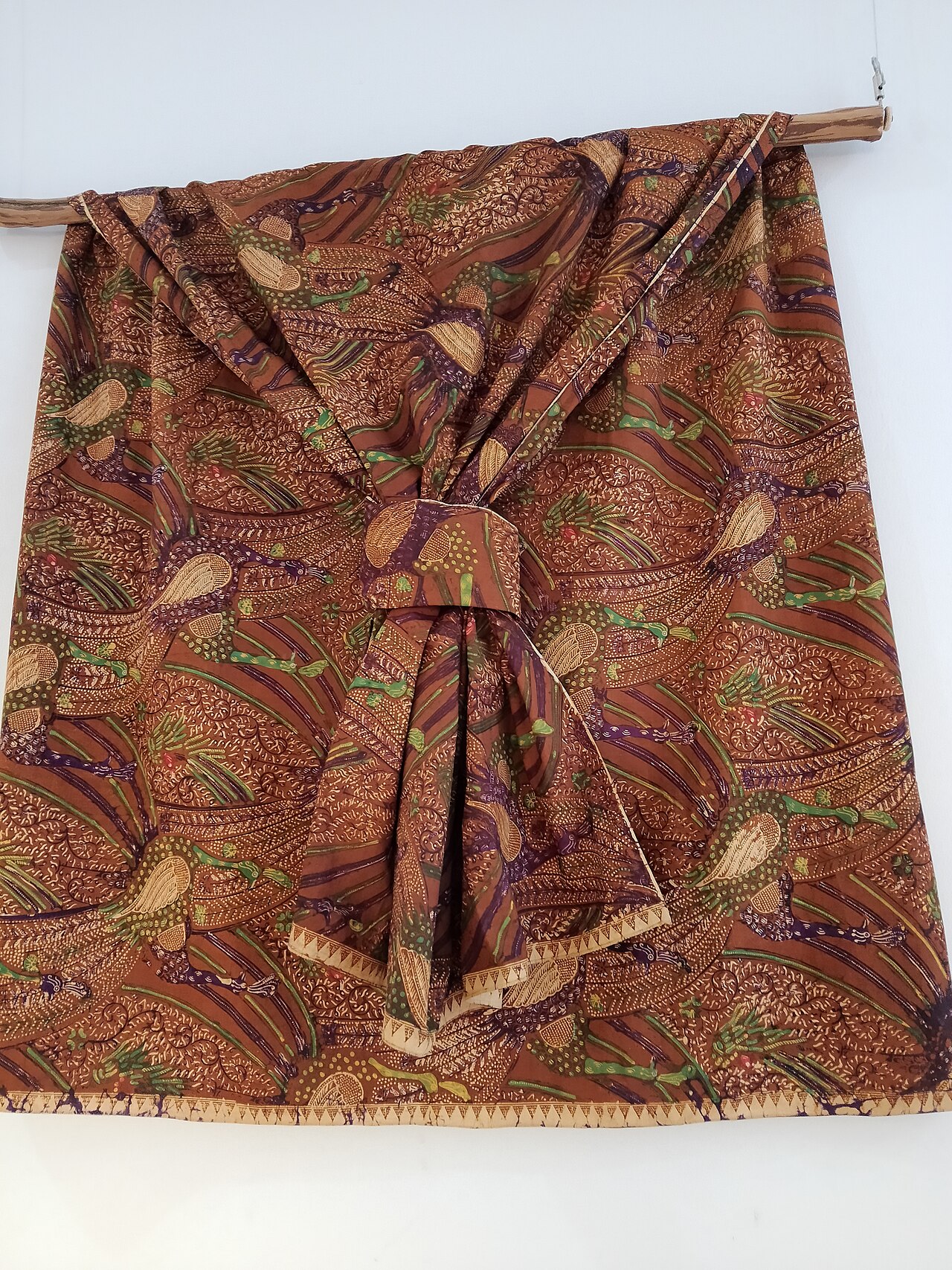
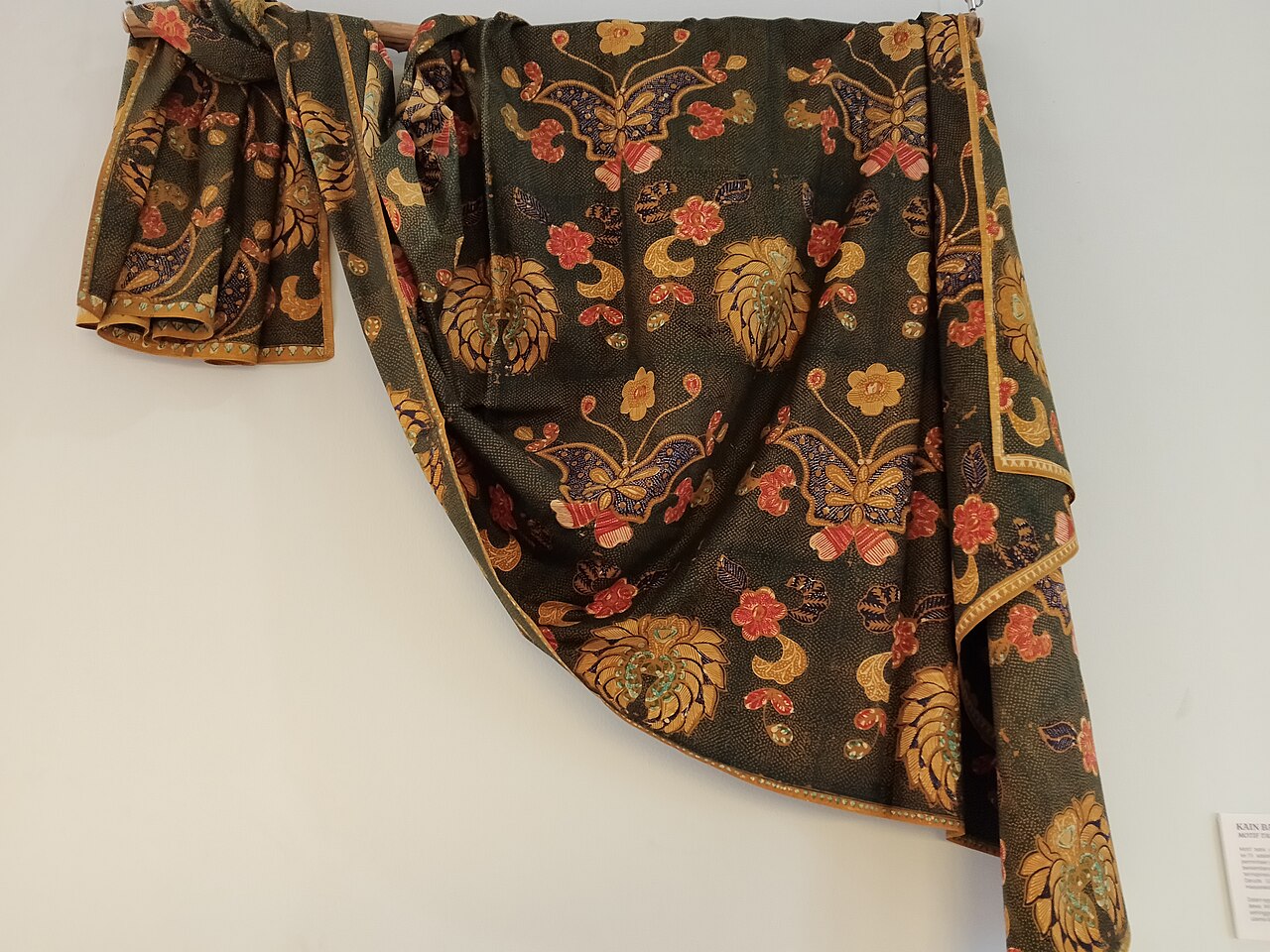
Traditional Betawi-style batik from Greater Jakarta, Indonesia.

Evita purnama sari · CC BY-SA 4.0
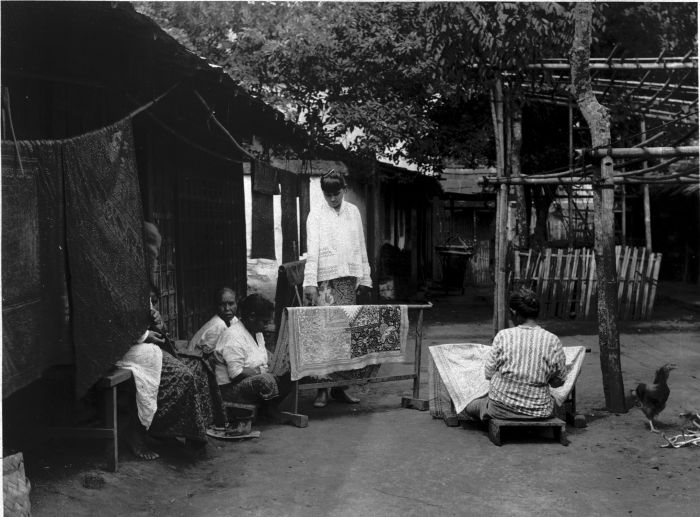
Betawi batik is a style of batik from the Betawi people, rooted in the Javanese tradition of dyeing and patterning fabric. It originates from the northwestern coast of Java, in the historic Sunda Kalapa area—what is now Greater Jakarta. This batik is one of several indigenous Javanese batik forms, having been shaped by older textile practices from Western Java, particularly those of the Pekalongan and Cirebon-Indramayu Javanese communities. Its bold, vivid colors and unique patterns are a hallmark of Betawi cultural identity.
On 2 October 2009, UNESCO recognized batik—including Betawi batik—as a Masterpiece of the Oral and Intangible Heritage of Humanity from Indonesia. Since then, Batik Day has been observed annually on that date, both in Indonesia and among the Indonesian diaspora, to mark this international acknowledgment.
In 2017, Indonesia’s government, through the Ministry of Education, Culture, Research, and Technology, began digitizing and officially listing Betawi batik as part of the nation’s intangible cultural heritage. This effort designates Greater Jakarta and the Seribu Islands as its geographical indication, and the batik is protected under national law.
**Characteristics**
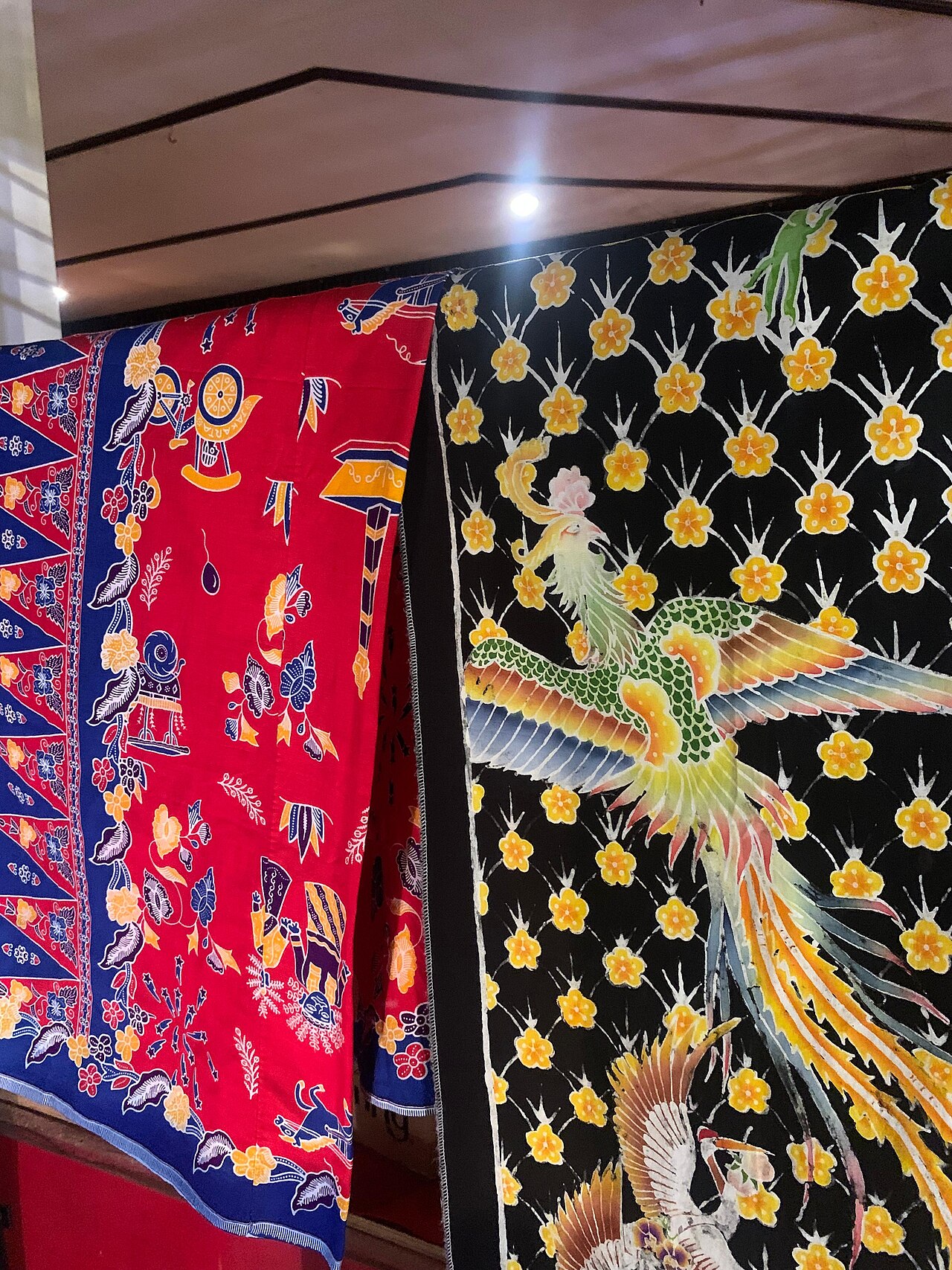
**Motifs** Betawi batik patterns draw from Sunda Kalapa culture, featuring images like Ondel-ondel (giant Betawi puppets), kembang kelapa (coconut flowers), nusa kelapa (a motif symbolizing the unity of Sunda Kalapa land), and Pencak Silat Betawi (traditional Betawi martial arts).
**Colors** The batik is known for its bright, contrasting hues—often reds, yellows, blues, and greens—unlike older Javanese batik, which typically used earth tones. This color shift reflects the Betawi people’s cultural divergence from native Sundanese traditions.
Quick Facts
- Process
- Craft production
- Material
- Cambrics, silk, cotton
- Location
- Sunda Kalapa (modern-day Greater Jakarta, Indonesia)
Facts from the source article.
Lore & Background
Betawi batik is characterized by bright, contrasting colors, often using reds, yellows, blues, and greens, as opposed to ancient Javanese batik that predominantly used earth tones. This shift reflects Betawi's ethnologic branching out from native Sundanese traditions. The motifs of Betawi batik are inspired by the culture of Sunda Kalapa (Greater Jakarta), such as Ondel-ondel (traditional Betawi giant puppets), kembang kelapa (coconut flowers), nusa kelapa (a symbolic unity motif of Sunda Kalapa land), and Pencak Silat Betawi (Betawi traditional martial arts).
Reader's Guide
Betawi batik holds significance as a distinct regional variant of Indonesian batik, recognized internationally by UNESCO on 2 October 2009 as a Masterpiece of Oral and Intangible Heritage of Humanity. This recognition led to the annual celebration of Batik Day on 2 October, both within Indonesia and by the broader Indonesian diaspora. Since 2017, the Government of Indonesia, through the Ministry of Education, Culture, Research, and Technology, has initiated the digitization and official inscription of Betawi batik as an element of the nation's intangible cultural heritage. The designation identifies Greater Jakarta and the Seribu Islands as the associated geographical indication, and it is protected under national laws. Its legacy lies in preserving the cultural identity of the Betawi people through vibrant colors and motifs that draw from local traditions, distinguishing it from other Javanese batik styles.
Did You Know?
- Batik Day is celebrated annually on 2 October to commemorate the global recognition of batik, including Betawi batik.
- Since 2017, the Government of Indonesia has initiated the digitization and official inscription of Betawi batik as intangible cultural heritage.
- Betawi batik motifs include Ondel-ondel, kembang kelapa, nusa kelapa, and Pencak Silat Betawi.
Origins & Cultural Lineage
Betawi batik traces its roots to the northwestern coastal stretch of Java, specifically the historic Sunda Kalapa area that corresponds to today's Greater Jakarta. Rather than emerging in isolation, this textile tradition was shaped by the broader Javanese batik-making heritage, drawing particularly on Western Javanese practices from regions such as Pekalongan and the Cirebon-Indramayu corridor. Over generations, the Betawi community adapted and adopted these ancestral techniques, transforming them into a distinct local expression. The result is one of Java's indigenous batik lineages, carrying forward the craft of wax-resist dyeing and patterned textile production while embedding it in a uniquely Betawi cultural identity. This lineage underscores how a coastal, multi-ethnic population absorbed and reinterpreted inland Javanese textile knowledge, creating a tradition that is simultaneously rooted in ancient Javanese methods and unmistakably its own.
Visual Identity: Motifs & Palette
What immediately sets Betawi batik apart from its Javanese forebears is its bold visual language. Where ancient Javanese batiks favored subdued earth tones, Betawi weavers embrace vivid, high-contrast palettes—saturated reds, bright yellows, deep blues, and lively greens—that give the fabric an energetic, celebratory quality. This chromatic departure is not arbitrary; it signals the ethnologic branching of the Betawi people from their native Sundanese cultural roots. The iconography tells an equally specific story. Motifs drawn directly from Sunda Kalapa's cultural landscape include Ondel-ondel, the towering traditional Betawi puppet figures; kembang kelapa, stylized coconut blossoms; nusa kelapa, a symbolic motif representing the unity of the Sunda Kalapa land; and imagery linked to Pencak Silat Betawi, the region's traditional martial art. Together, these patterns transform each cloth into a visual archive of local identity, faith, and communal pride.
UNESCO Recognition & Global Celebration
A watershed moment for Betawi batik—and for Indonesian textile heritage more broadly—arrived on 2 October 2009, when UNESCO inscribed Batik, encompassing Betawi batik among its many regional variants, as a Masterpiece of the Oral and Intangible Heritage of Humanity. This international designation elevated a craft long practiced in workshops and family homes across Greater Jakarta to the stage of global cultural significance. In the years since, 2 October has become a fixed point on the cultural calendar: Batik Day is observed annually throughout Indonesia and by Indonesian communities in the diaspora worldwide, marking the anniversary of that recognition. The celebration serves both as a reminder of the craft's artistic and historical depth and as a rallying point for artisans, educators, and cultural advocates who see the continued practice and transmission of Betawi batik as essential to preserving a living heritage against the pressures of industrialization and cultural homogenization.
National Protection & Digitization Efforts
Beginning in 2017, the Indonesian government intensified its commitment to safeguarding Betawi batik as a formally recognized element of the nation's intangible cultural heritage. Spearheaded by the Ministry of Education, Culture, Research, and Technology, a program was launched to digitize and officially inscribe the tradition, ensuring that its motifs, techniques, and cultural context are documented in accessible, permanent form. The designation explicitly names Greater Jakarta and the Seribu Islands as the geographical indication tied to Betawi batik, anchoring the craft to its place of origin and preventing misattribution. Crucially, the tradition now falls under the protection of national laws, granting it a legal shield against unauthorized commercial exploitation or cultural misrepresentation. These measures reflect a broader governmental strategy to move beyond passive appreciation and actively manage, record, and defend Indonesia's intangible heritage for future generations, positioning Betawi batik not merely as a beautiful textile but as a legally protected cultural asset.
Gallery
Frequently Asked Questions
What is Betawi batik and where does it originate?
Betawi batik is a traditional fabric-dyeing and patterning style created by the Betawi ethnic group, rooted in the northwestern coastal area of Java now known as Greater Jakarta. It grew out of older textile practices from Western Javanese communities, especially those around Pekalongan and Cirebon-Indramayu.
How does Betawi batik differ from other Javanese batik styles?
It is set apart by its bold, vivid color palette and distinctive motifs that express Betawi cultural identity, contrasting with the typically more restrained palettes found in other Javanese batik traditions.
What UNESCO recognition does Betawi batik hold?
On 2 October 2009, UNESCO designated batik as a whole—including the Betawi variant—as a Masterpiece of the Oral and Intangible Heritage of Humanity. This affirmed the craft's cultural significance across Indonesia.
What region is Betawi batik most closely associated with?
It is tied to Greater Jakarta and the surrounding Seribu Islands, historically the Sunda Kalapa area on Java's northwestern coast.
Why is Betawi batik culturally important?
It serves as a living expression of Betawi identity, preserving centuries of textile knowledge passed down through generations in the Jakarta region. As one of several indigenous Javanese batik forms, it highlights the diversity of Indonesia's textile arts.
More in Indonesian inventions 1-24
Spotted an error? Know more?
Reader corrections go straight into our review queue. Suggest an edit · How this site is sourced