Bago (boat)
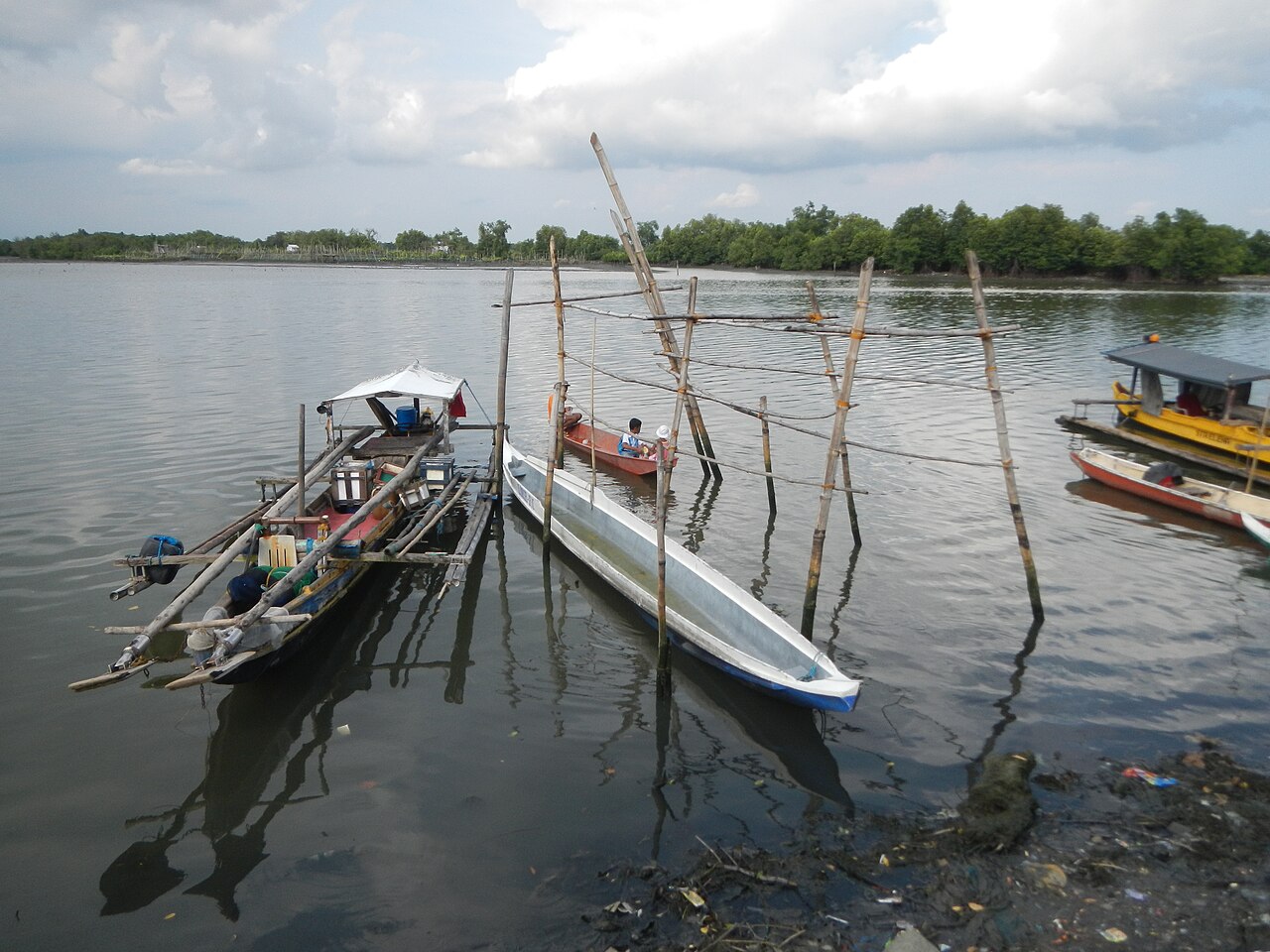
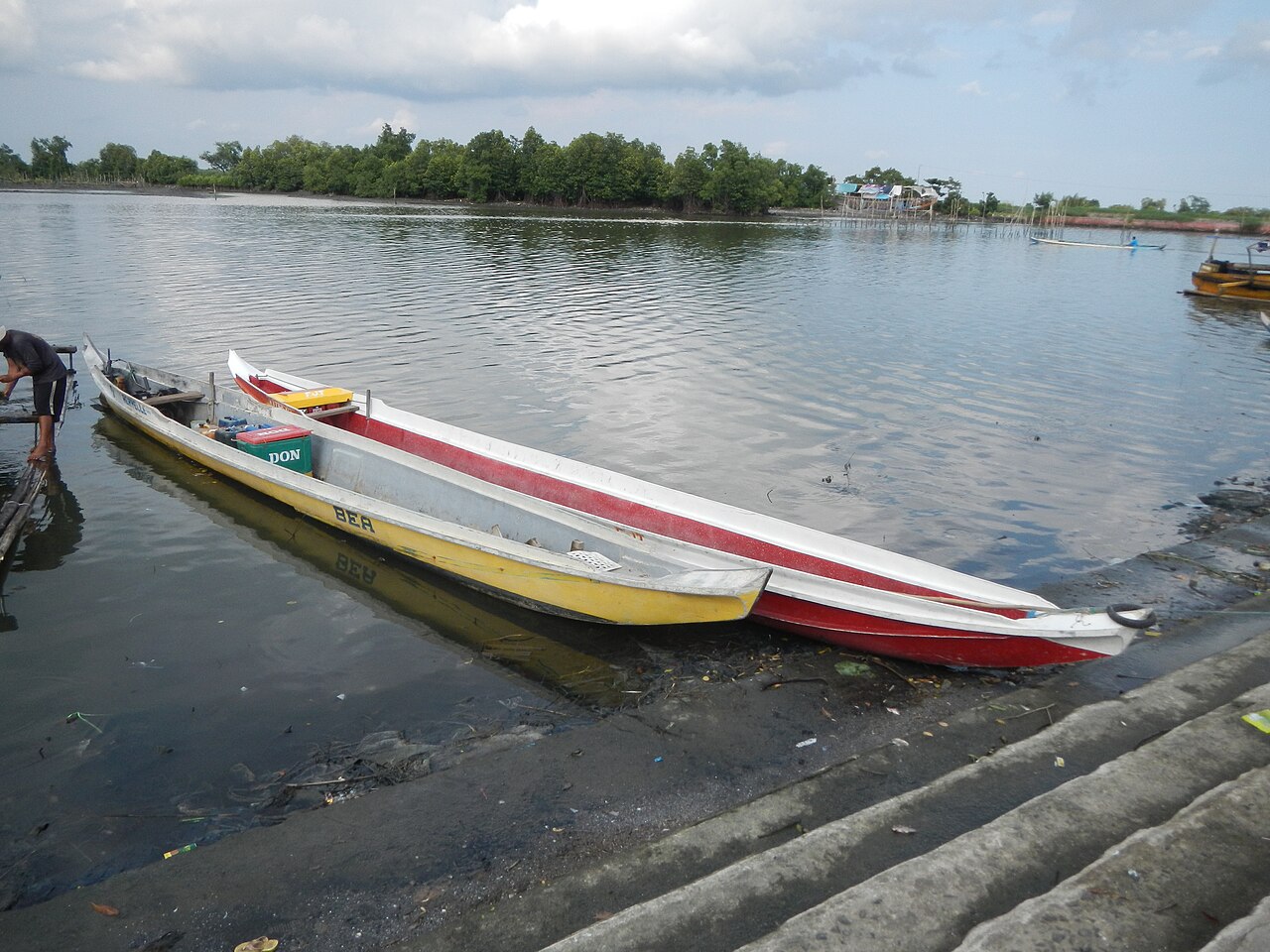
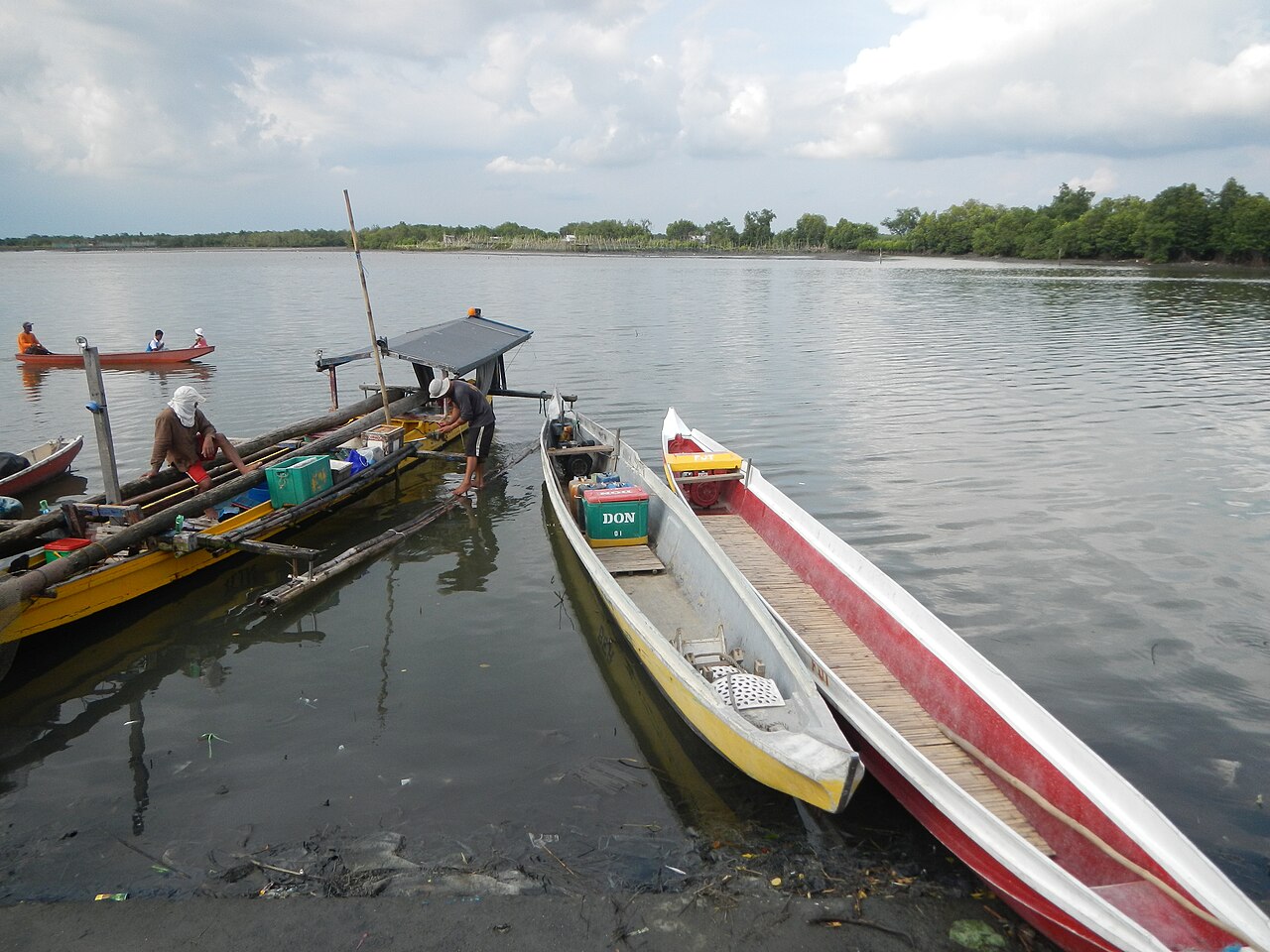
Traditional Mandarese boat with pajala-type hull and distinctive rudderpost.

Judgefloro · Public domain
The bago is a traditional vessel of the Mandar people from Sulawesi, Indonesia. Its hull follows the pajala design, which is lightweight and suited for shallow waters. The boat is elongated, and its mast accounts for only a quarter of the overall length. A distinctive rudderpost style marks it clearly as a Mandarese craft. Smaller bagos are commonly used for fishing, with crews casting nets from them; the Mandar people favor the bago over outrigger canoes. Today, small bagos are fitted with a leti (lete) sail and rig, though until recently they used canted rectangular sails known as tanja rigs. Larger versions, also built on the pajala-type hull, are sometimes deeper and rounder but lack the angle at the keel’s end. These boats appear all along the Mandar coast. One variant, featuring a nade sail, gave rise to the West Sulawesian lambo. Another type, equipped with a leti sail and a flat-roofed deckhouse in the Mandar style, can be confused with the leti leti. The main differences between these two lie in the arrangement of planks and other construction details that reflect the specific boatbuilding traditions of each location.
- Type
- Traditional boat
- Builder
- Mandar people
- Region
- Sulawesi, Indonesia
- Hull type
- Pajala-type
- Known for
- Mandar rudderpost style, shallow displacement
Lore & Background
Smaller-sized bagos are often used as fishing boats from which fishermen cast their nets. The Mandar people prefer using a bago over an outrigger canoe. In the present, small bagos are outfitted with a leti (lete) sail/rig, but not long ago, they had canted rectangular sails (tanja rig).
Reader's Guide
Bigger versions of the bago, also using the pajala-type hull, are sometimes built rather deep and round but without the angle at the end of the keel. These boats can be found all over the Mandar coast. A type with nade sail created the West Sulawesian lambo. Another type, with leti sail and Mandar-style flat-roofed deckhouse, may be mistaken as leti leti. There is not much difference between the two except in the pattern of the placement of the planks and other details that give the characteristics of each manufacturing place of the boat.
Did You Know?
- The bago's hull is of the pajala-type, lightly built and allowing for shallow displacement.
- The mast of a bago makes up only a quarter of its length.
- A type of bago with nade sail created the West Sulawesian lambo.
Hull Form and Structural Identity
The bago is a traditional sailing vessel crafted by the Mandar people of Sulawesi, Indonesia, and its physical form carries the unmistakable signature of its makers. The hull belongs to the pajala type, a design that keeps the overall structure relatively light, a choice that directly serves the boat's ability to operate in shallow waters without deep draft. The vessel is notably long in proportion to its beam, and the mast rises to only about a quarter of the total hull length, giving the bago a low, stretched silhouette on the water. Perhaps the single most reliable way to recognize a bago at a glance is its rudderpost style, a detail that sets it apart from other regional craft. Larger examples of the bago sometimes adopt a deeper, rounder hull profile, yet they still forgo the angled keel end found on some other designs. Whether small or large, these boats are a constant presence along the Mandar coast, a testament to the enduring shipbuilding knowledge of their people.
Sailing Rigs and Their Evolution
The rigging of the bago has shifted over time, reflecting both practical adaptation and cultural continuity. In earlier periods, these vessels carried canted rectangular sails known as the tanja rig, a configuration that gave the boat a distinctive profile when under sail. In the present day, smaller bagos are more commonly fitted with a leti or lete sail and rig, a change that speaks to evolving preferences among Mandar sailors. The bago family also branches into related types: one variant, equipped with a nade sail, gave rise to what is known as the West Sulawesian lambo. Another configuration pairs a leti sail with a Mandar-style flat-roofed deckhouse, a combination that can easily be mistaken for the leti leti. In reality, the two are distinguished not by their overall shape but by subtler details such as the pattern in which planks are laid and other manufacturing characteristics tied to specific boat-building locales. These variations underscore how a single hull tradition can spawn a small family of closely related yet distinct vessels.
Fishing, Preference, and Coastal Presence
For the Mandar people, the bago is not merely a vessel but a preferred working craft, chosen deliberately over the outrigger canoe that might otherwise serve the same purpose. Smaller bagos serve as the primary platform for local fishing, providing a stable base from which crews deploy their casting nets into the surrounding waters. The light construction and shallow displacement of the pajala-type hull make these boats well suited to the nearshore environments where much of this fishing takes place. Bigger versions of the bago, while still built on the same pajala hull form, can be constructed with a deeper and rounder profile, though they retain the characteristic absence of an angled keel end. Together, these various sizes create a versatile fleet that is found throughout the entire Mandar coast. The bago's presence is so widespread and so deeply woven into daily maritime life that it stands as a defining element of Mandar nautical identity, a boat that communities have trusted for generations of fishing and coastal travel.
Place Among Indonesia's Traditional Sailing Boats
The bago occupies a specific niche within the broader family of traditional Indonesian sailing vessels, and understanding its relationships to neighboring types helps clarify its unique character. It is frequently listed alongside the pinisi, palari, padewakang, benawa, leti leti, janggolan, and lis-alis, all of which share the wider tradition of Nusantara prahu sailing craft. The bago's closest point of confusion is with the leti leti, particularly when a bago is rigged with a leti sail and fitted with a flat-roofed Mandar-style deckhouse. Yet the two differ in the arrangement of their planking and in other construction details that reflect the particular workshop or region where each was built. Similarly, the nade-sail variant of the bago lineage produced the West Sulawesian lambo, a distinct but related type. Scholarly documentation of these vessels, such as Adrian Horridge's work on traditional Indonesian prahu, helps preserve the distinctions and the rich diversity of boat-building knowledge that communities like the Mandar have maintained across generations.
Gallery
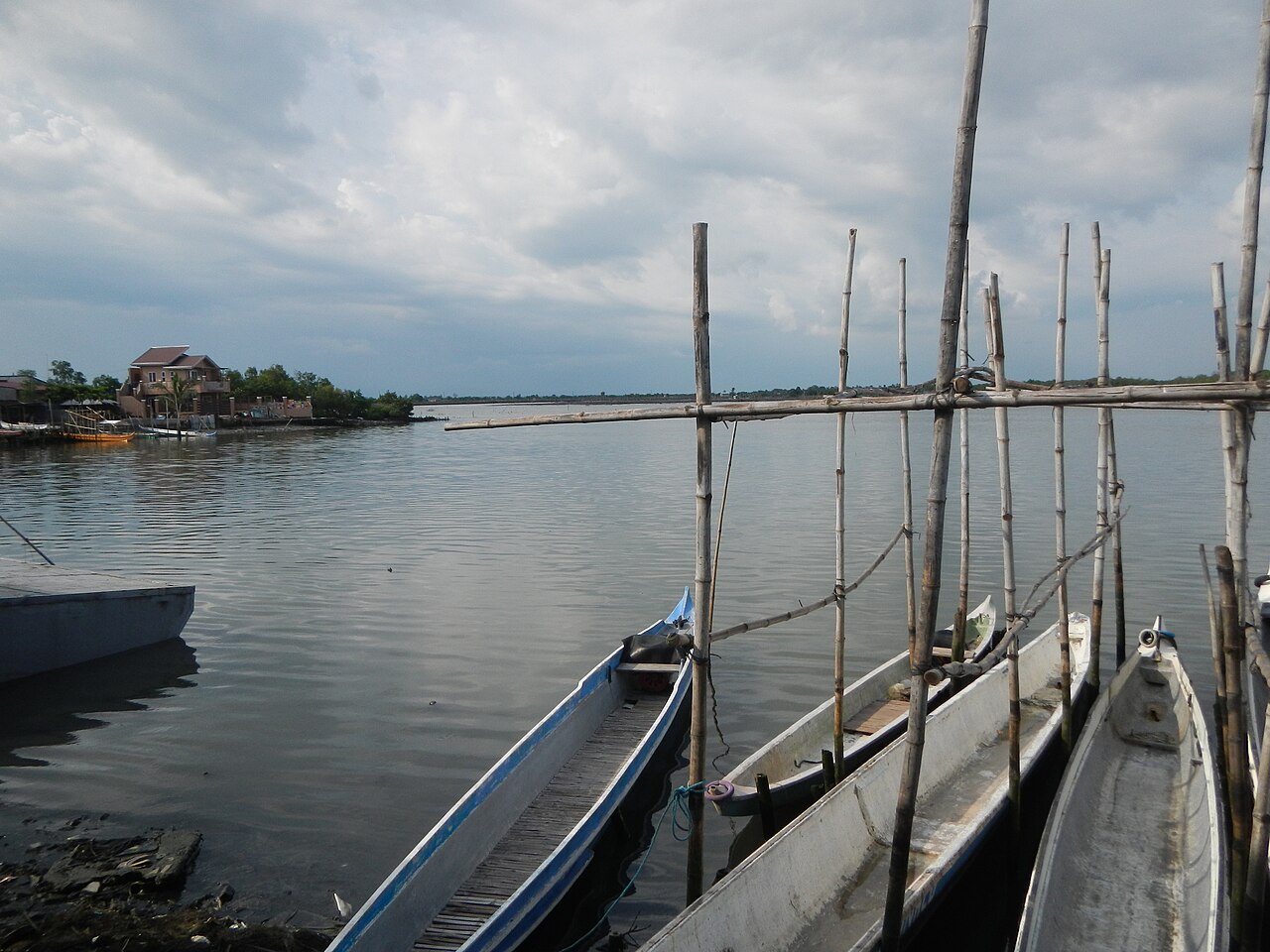
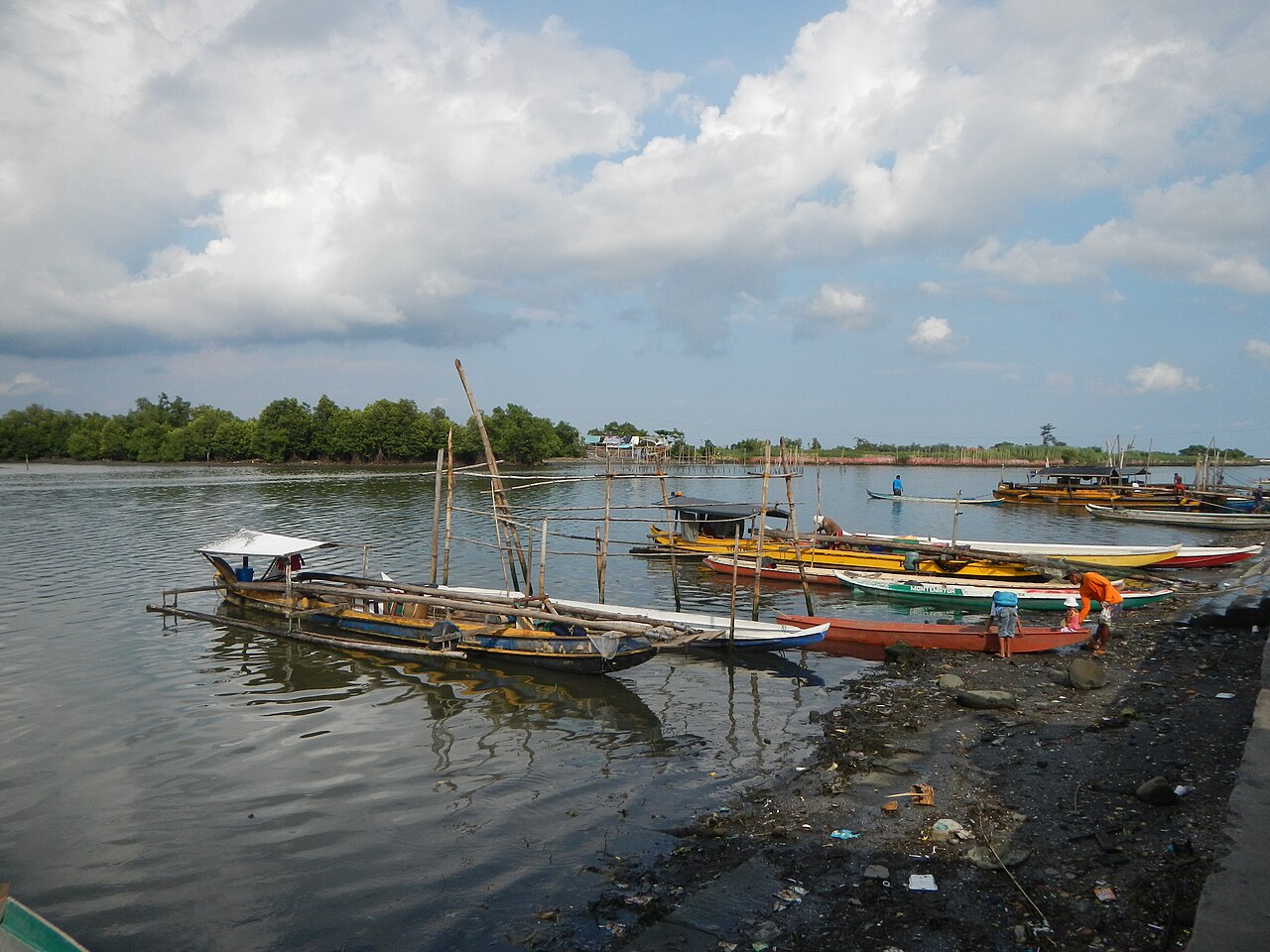
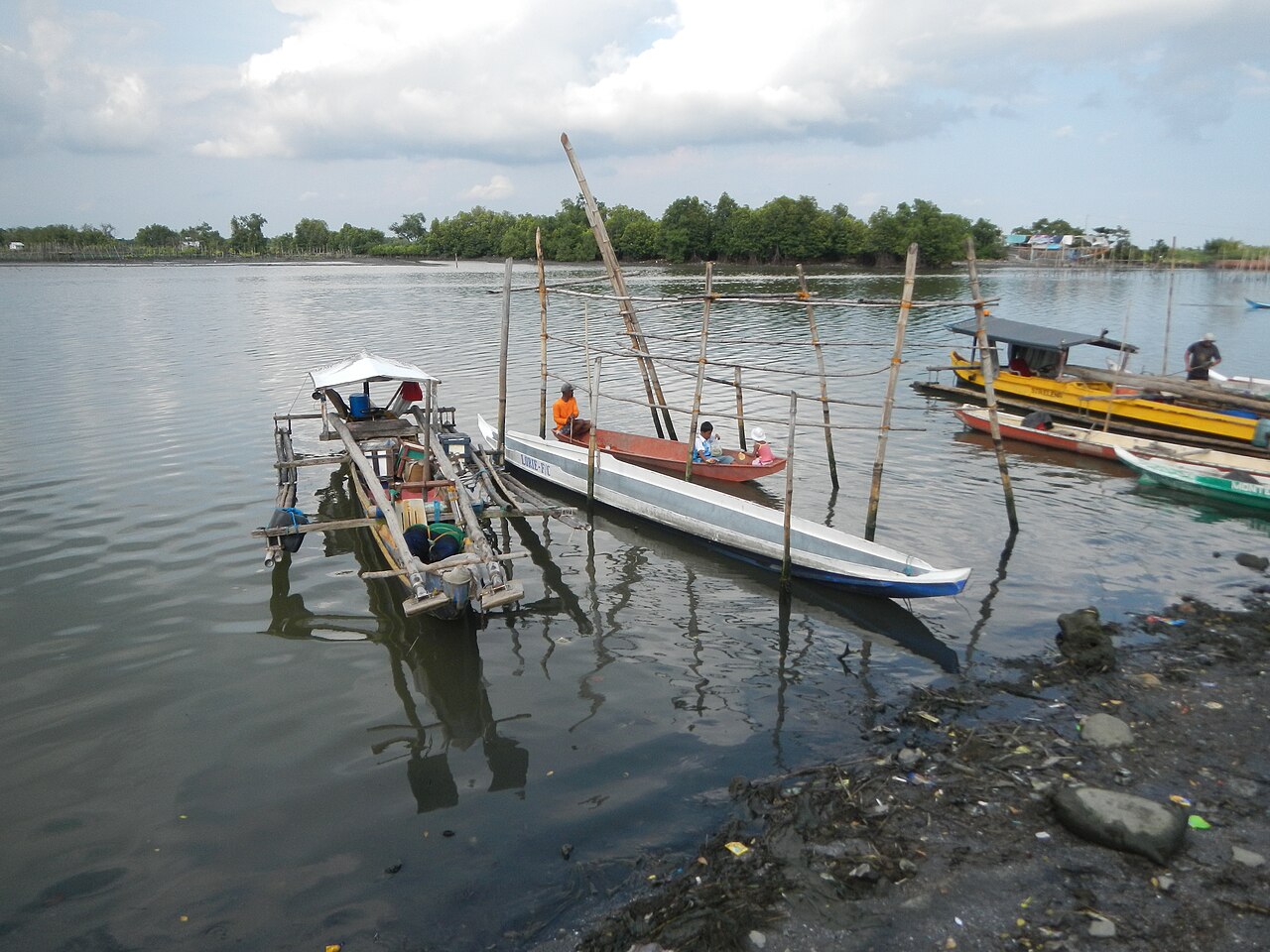
Frequently Asked Questions
What exactly is a bago?
A bago is a traditional sailing vessel built by the Mandar people of Sulawesi, Indonesia. It features a lightweight pajala-type hull specifically shaped for navigating shallow coastal waters.
What makes a bago visually distinct from other Indonesian boats?
Its most recognizable trait is a unique Mandarese rudderpost style that immediately identifies it as a Mandar craft. Additionally, the mast is notably short, measuring only about a quarter of the boat's overall length.
What are bagos primarily used for?
Smaller bagos serve as fishing platforms where crews cast nets from the deck. The Mandar people have historically favored this design over outrigger canoes for their everyday maritime work.
What kind of sail and rig does a bago carry?
Today, small bagos are fitted with a leti (lete) sail and rig. Until relatively recently, however, they carried canted rectangular sails known as tanja rigs.
Why is the bago significant in Indonesian maritime heritage?
It represents a self-contained regional boat-building tradition unique to the Mandar people, combining the lightweight pajala hull form with a rudderpost style that sets it apart from other Sulawesi vessels. Its shallow-displacement design also reflects a practical adaptation to local coastal conditions.
More in Indonesian inventions 1-24
Spotted an error? Know more?
Reader corrections go straight into our review queue. Suggest an edit · How this site is sourced