Baju Rantai
Chain armor from the Nusantara archipelago, used by various ethnic groups.

Gerald Brousseau Gardner · CC BY-SA 4.0
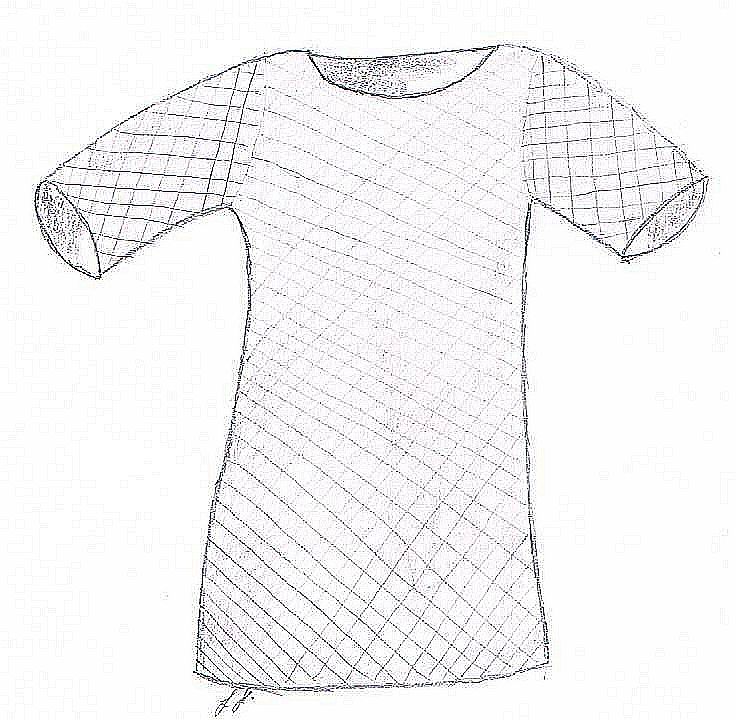
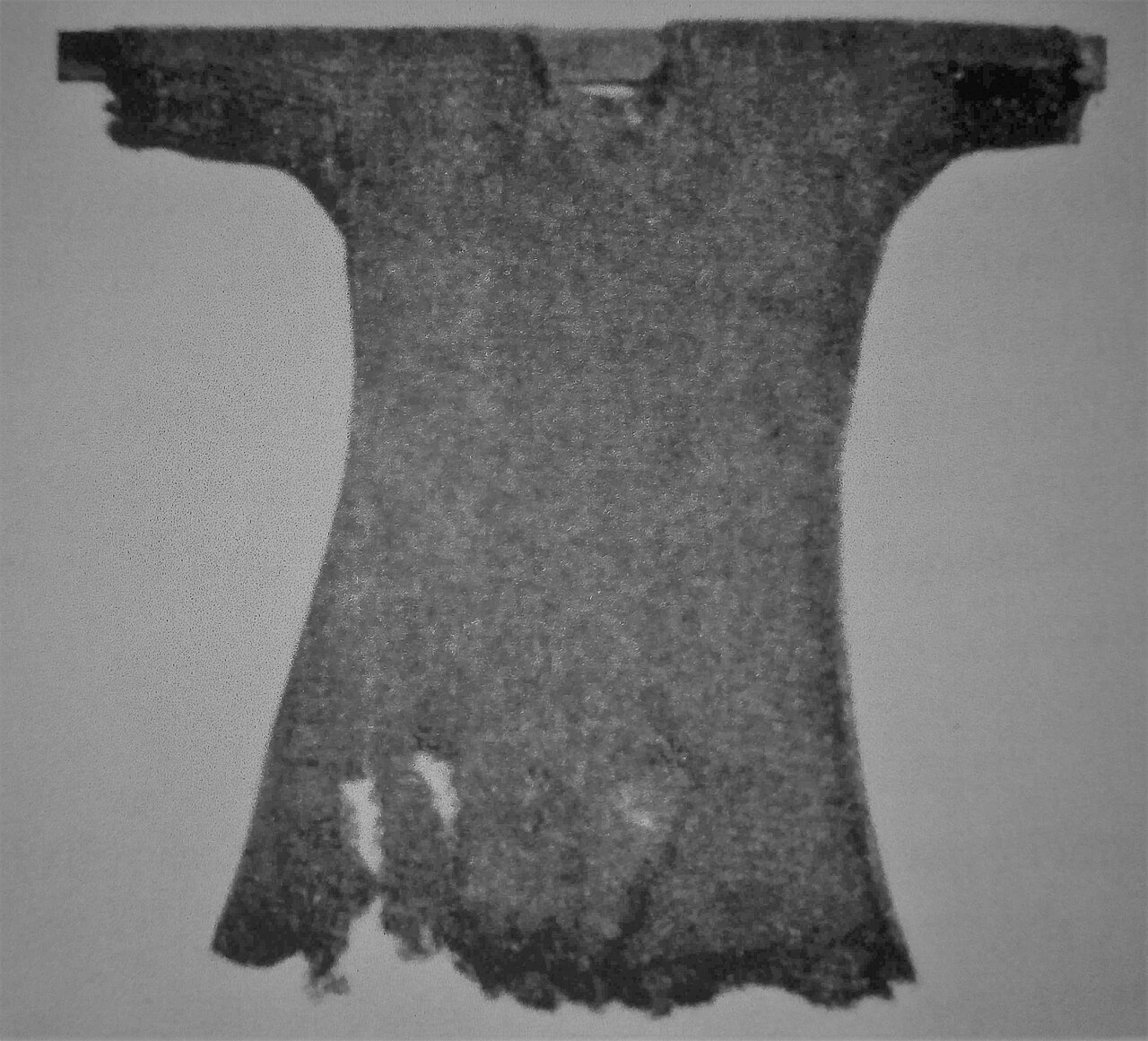
The Baju Rantai (also known as Badjoe-Rante, Baju Besi, Baju Rante, Wadjoe-Rante, and Waju Rante) is a type of armor from the Nusantara archipelago, encompassing Indonesia, Malaysia, Brunei, and the Philippines. It is a chain armor worked in the form of a shirt, consisting of small iron rings, with no collar, sleeves reaching about to the elbow, and a lower end approximately at the height of the thighs. The name originates from old Javanese words: 'baju' (from 'waju', meaning jacket, clothing, or apparel) and 'rantai' (from 'rante', 'rantay', or 'ranti', meaning chain, string, or wreath).
- Type
- Chain armor
- Region
- Nusantara archipelago (Indonesia, Malaysia, Brunei, Philippines)
- Earliest mention
- Balinese inscription of Tamblingan, thought to be from 844 Saka (922 AD)
- Materials
- Small iron rings; also noted as made from gangsa (copper and lead alloy)
- Used by
- Various ethnic groups in Indonesia, including Javanese, Bugis, Makassarese, and Balinese
Lore & Background
One of the earliest mentions of Baju Rantai is in a Balinese inscription of Tamblingan, recorded as 'baju besi'. The Tamblingan Pura Endek I Lempeng Besar I inscription, thought to have originated from the year 844 Saka (922 AD), records the existence of armor makers in Bali. The inscription states: '...thani anteken ya parmasan ulih juru pande, apan khu tumkap baju besi' — indicating that the Tamblingan people were not subjected to a parmasan fee by the master smiths because they made baju besi armor.
Reader's Guide
The Baju Rantai appears in several historical texts, reflecting its significance across the Nusantara region. The Kidung Panji Wijayakrama-Rangga Lawe, a Javanese kidung text about the rebellion of Rangga Lawe against Majapahit in 1295 A.D., mentions 'waju rante', meaning apparel consisting of iron chains. Zoetmulder noted a troop called 'bala winaju gangsa ranti', meaning soldiers dressed with gangsa ranti, where gangsa refers to a copper and lead alloy and ranti means chain. The Hikayat Banjar describes Bhayangkara equipment in the Majapahit palace, including forty men with chain mail, swords, and red kopiah. In South Sulawesi, the Bugis and Makassarese adopted chain mail armor called 'waju rante' or 'waju ronte', made by stringing iron rings together like knitwork. In the 17th century, Javanese cavalry commonly used chain mail, as seen in 1678 when Captain Tack met 240 horsemen all wearing armor, and Trunajaya cavalry had about 150 men with lances, most wearing chain mails. Bantenese royal vessels also had rowers wearing chain mail.
Did You Know?
- The name Baju Rantai originates from old Javanese words: 'waju' meaning jacket and 'rante' meaning chain.
- The earliest mention is in a Balinese inscription from 844 Saka (922 AD), recording armor makers in Bali.
- The Kidung Panji Wijayakrama-Rangga Lawe (1295 A.D.) mentions 'waju rante' as apparel of iron chains.
- Bugis and Makassarese soldiers made their own chain mail and muskets.
Linguistic Roots and Regional Variants
The name Baju Rantai traces back to old Javanese vocabulary, where the word waju signified a jacket, general clothing, or apparel, and the term rante (also rendered as rantay or ranti) denoted a chain, string, or wreath. Combined, these elements literally describe a garment constructed from linked metal. Across the Nusantara archipelago—spanning Indonesia, Malaysia, Brunei, and the Philippines—this same type of chainmail shirt accumulated a remarkable variety of local names. Speakers and writers recorded it as Badjoe-Rante, Baju Besi, Baju Rante, Wadjoe-Rante, and Waju Rante, among others. The diversity of spellings and forms reflects how the object traveled through different linguistic communities, each adapting the old Javanese roots to its own phonetic conventions. Despite these surface differences, every variant points to the same fundamental concept: a protective shirt woven from metal links, a tradition that clearly predated any single modern national boundary and belonged instead to a shared insular cultural sphere stretching from the western to the eastern edges of the archipelago.
Physical Form and Construction Technique
The Baju Rantai takes the shape of a shirt rather than a full-body hauberk, giving it a distinctive silhouette among chainmail garments. It is built entirely from small iron rings interlocked to form a flexible protective layer. The design deliberately omits a collar, leaving the neck open, while the sleeves extend to roughly elbow length. The hem falls to approximately the height of the thighs, leaving the legs free for movement. In South Sulawesi, the Bugis and Makassarese communities developed their own version, which they called waju rante or waju ronte. Their construction method involved strings of iron rings tied together in a manner closely resembling knitwork, producing a fabric-like textile of metal. This technique gave the armor a degree of drape and flexibility that suited the tropical climate and the combat styles of the region. The garment was worn by soldiers across multiple ethnic groups throughout Indonesia, serving as a practical and widely adopted form of personal protection in both land and maritime contexts.
Earliest Documentary Evidence
The oldest known written reference to this type of armor appears in a Balinese inscription from Tamblingan, dated to 844 Saka, equivalent to 922 AD. The Tamblingan Pura Endek I Lempeng Besar I inscription records that local master smiths, called juru pande, produced armor referred to as baju besi. Notably, the text states that the Tamblingan community was exempt from paying parmasan fees to these smiths precisely because they manufactured the iron armor themselves, suggesting a well-established local tradition of metalwork by the tenth century. A later Javanese literary source, the Kidung Panji Wijayakrama-Rangga Lawe, which narrates the 1295 rebellion of Rangga Lawe against the Majapahit kingdom, uses the term waju rante to describe apparel made of iron chains. The scholar Zoetmulder, researching old Javanese, identified a military unit called bala winaju gangsa ranti—soldiers dressed in gangsa ranti. Here gangsa, derived from the Sanskrit kangśa, refers to a copper-and-lead alloy, while ranti again means chain, indicating that metal composition varied across periods and regions.
Military Deployment Across the Archipelago
By the height of Majapahit's power, chainmail was already a standard component of elite military equipment. The Hikayat Banjar describes the Bhayangkara guard of the Majapahit palace marching out in formation: forty men wearing chainmail alongside their swords and red skull caps, accompanied by others carrying arquebuses, shields, broad-bladed spears, bows, and gold-embroidered lances. In South Sulawesi, Bugis and Makassarese warriors paired their handcrafted chainmail with muskets they also produced locally, a combination that made them a notable fighting force in regional conflicts. On Java, the seventeenth century saw chainmail become a hallmark of cavalry. In 1678, the Dutch officer Captain Tack encountered 240 mounted lancers, every one of them armored in chainmail. The rebel leader Trunajaya fielded a cavalry force of roughly 150 lance-armed riders, most of whom wore the same protective shirt. Even in naval contexts, Bantenese royal vessels employed rowers who donned chainmail, demonstrating that the garment's protective value extended well beyond the battlefield to the decks of warships.
Gallery
Frequently Asked Questions
What is Baju Rantai?
Baju Rantai is a chainmail shirt armor that originated across the Nusantara archipelago, covering what is now Indonesia, Malaysia, Brunei, and the Philippines. It takes the form of a collarless tunic with half-sleeves ending near the elbow and a hem that falls to about mid-thigh, all woven from small interlinked metal rings.
What materials went into making Baju Rantai?
The rings were typically forged from iron, though some references also point to gangsa—a copper and lead alloy—being used in certain versions of the armor.
Where does the name 'Baju Rantai' come from?
It is built from two old Javanese roots: 'baju' (from 'waju'), meaning a jacket or garment, and 'rantai' (from 'rante' or 'rantay'), meaning a chain or string. Put together, the name essentially describes a 'chain shirt' or 'chain garment.'
What is the earliest known record of Baju Rantai?
The oldest surviving reference is a Balinese inscription at Tamblingan, generally dated to 844 Saka, which works out to roughly 922 CE. That makes it one of the oldest documented pieces of chain armor in Southeast Asia.
Who actually wore Baju Rantai in battle or daily life?
It was not tied to a single culture; Javanese, Bugis, Makassarese, and Balinese groups all used the garment, and it circulated under several local names like Badjoe-Rante, Baju Besi, and Waju Rante.
More in Indonesian inventions 1-24
Spotted an error? Know more?
Reader corrections go straight into our review queue. Suggest an edit · How this site is sourced