
Coca
Sacred leaf of the Andes: stimulant, medicine, and cultural cornerstone.
Last updated

Ralf Roletschek · Public domain
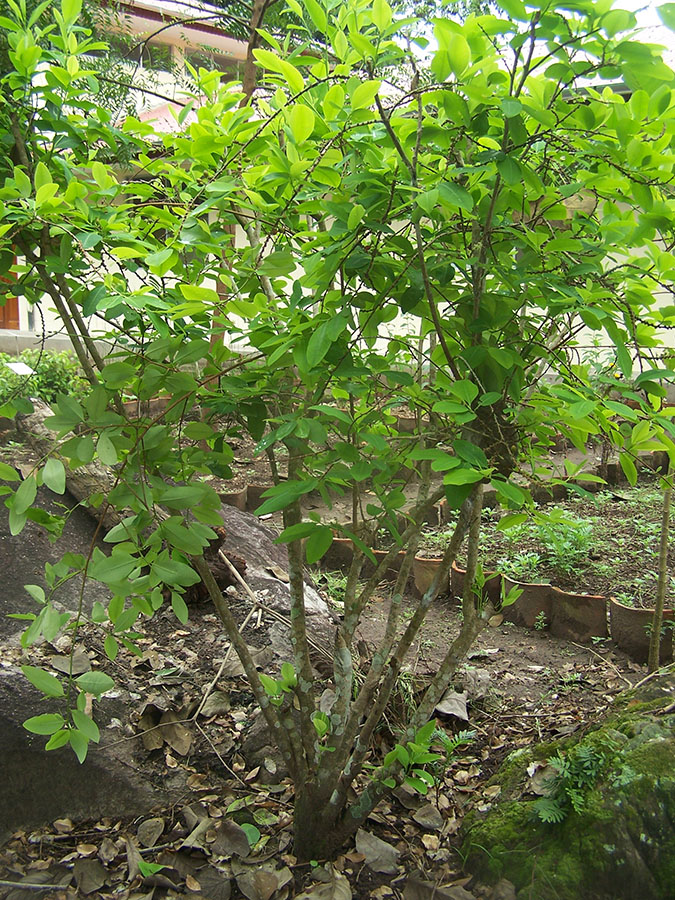
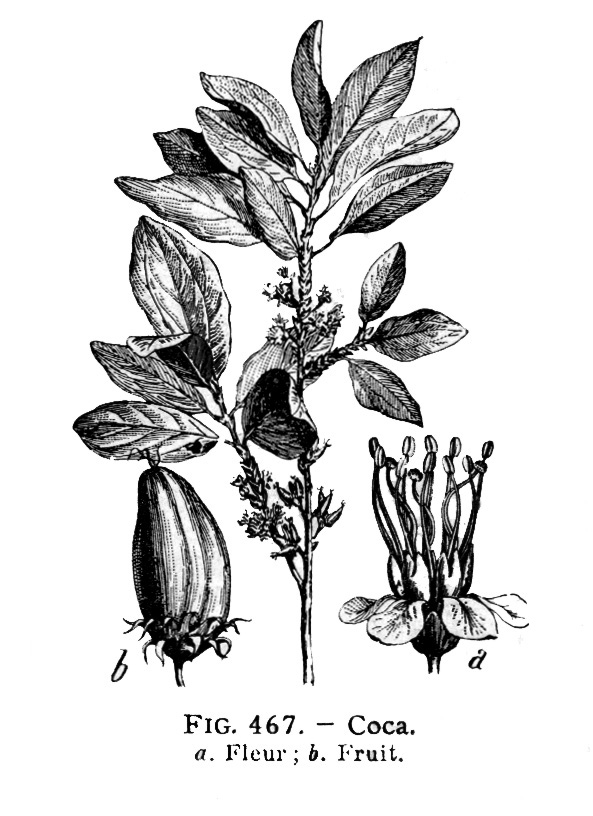
Coca (Erythroxylum coca) is a shrub native to the eastern Andes of South America, cultivated for millennia by indigenous peoples for its leaves. These leaves are chewed or brewed as a mild stimulant, and the plant holds deep cultural and medicinal significance in Andean traditions. Despite its controversial modern reputation, coca is a distinct species with a unique wild ancestor, not to be confused with other Erythroxylum species.
Lore & Background
In Inca mythology, coca was a gift from the sun god Inti to ease hunger and thirst, and its leaves were used in divination and offerings. The plant was so revered that it was reserved for nobles and priests, and its cultivation was strictly controlled. Spanish colonizers initially banned coca for its pagan associations, but later allowed its use to boost indigenous labor in mines.
Reader's Guide
Coca plays a fundamental role in many traditional Amazonian and Andean cultures, as well as among indigenous groups in the Sierra Nevada de Santa Marta of northern Colombia. Its leaves are used commercially and industrially in teas, foods, cosmetics, and beverages. The legal commercial use has growing political and market support in countries like Bolivia and Peru, despite restrictions in others like Colombia.
The international prohibition of the coca leaf, established by the 1961 United Nations Single Convention—which did not distinguish it from cocaine despite traditional Andean uses—has been widely contested. Bolivia and Peru have led ongoing efforts to reevaluate its status, including a scheduled 2025 WHO review based on cultural and scientific grounds. Outside South America, coca leaf is generally illegal or heavily restricted, often treated similarly to cocaine.
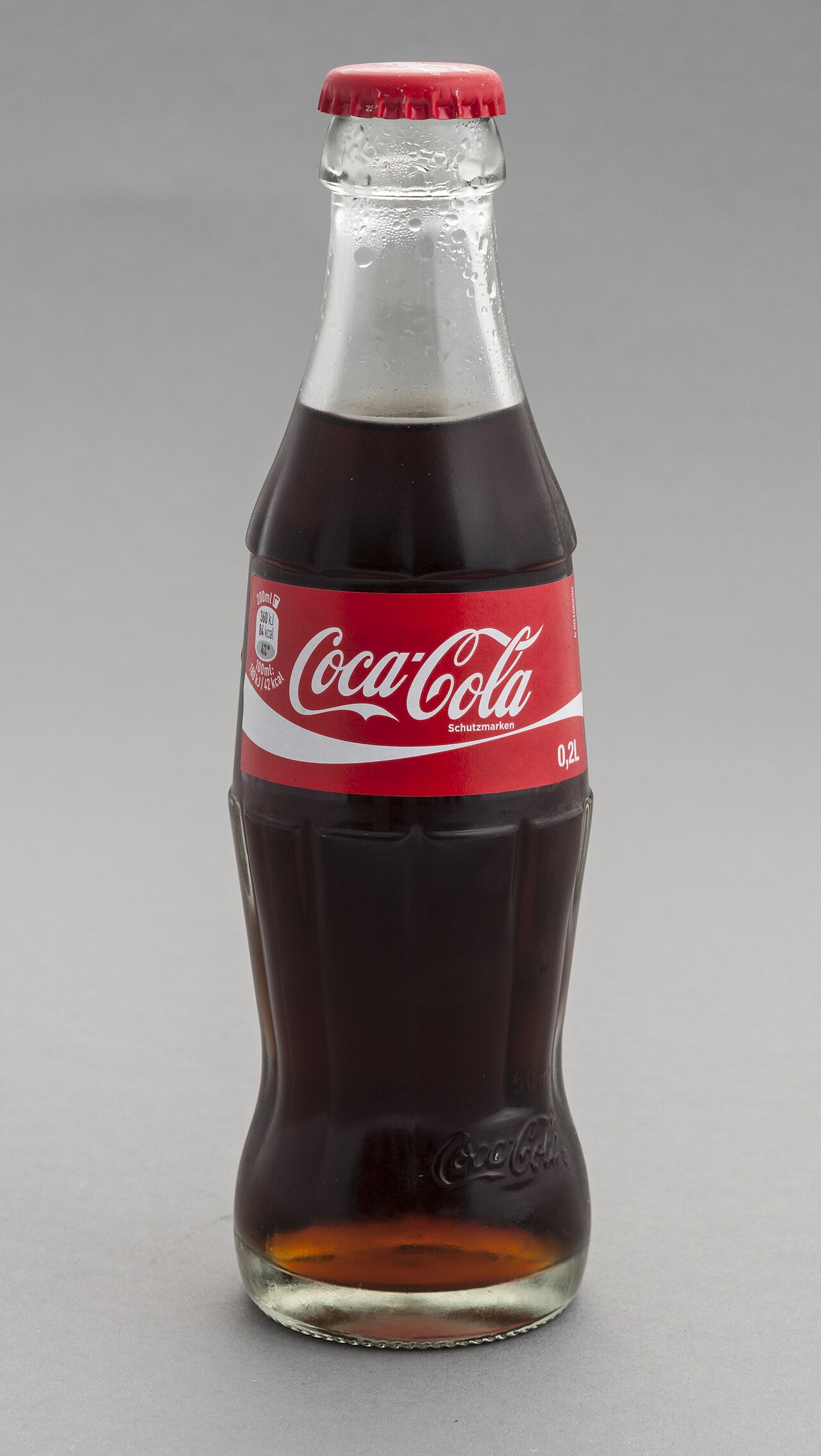
Limited exceptions exist for scientific or medical use, and for specific authorized imports such as the decocainized leaf extract used for Coca-Cola flavoring in the United States. The cocaine alkaloid content in dry Erythroxylum coca var. coca leaves ranges from 0.23% to 0.96%. Coca-Cola used coca leaf extract in its products from 1885 until about 1903, when it switched to using a decocainized leaf extract.
Did You Know?
- Coca leaves contain only about 0.5–1% cocaine by weight, far less than the refined drug.
- Coca was domesticated in the Andes over 8,000 years ago, making it one of the oldest cultivated plants in the Americas.
- Chewing coca leaves with lime (calcium hydroxide) releases alkaloids more effectively and is a traditional practice.
Frequently Asked Questions
What is coca?
Coca refers to four cultivated shrub species in the Erythroxylaceae family, native to western South America. The plants are most widely recognized as the botanical source from which the psychoactive alkaloid cocaine is chemically extracted.
How is coca leaf different from cocaine?
When the leaves are chewed or steeped into tea, the alkaloid is released so gradually that traditional Andean and Amazonian users experience only a mild stimulant effect. This slow-absorption pattern is why historical records of leaf use show no signs of the addiction or withdrawal cycles tied to the purified drug.
Where does coca originally grow?
The plant is indigenous to the western regions of South America, particularly the Andean highlands and Amazonian lowlands. The domesticated varieties cultivated today trace their lineage back to a wild ancestor, Erythroxylum gracilipes, that was selectively bred over thousands of years.
What does a coca plant look like?
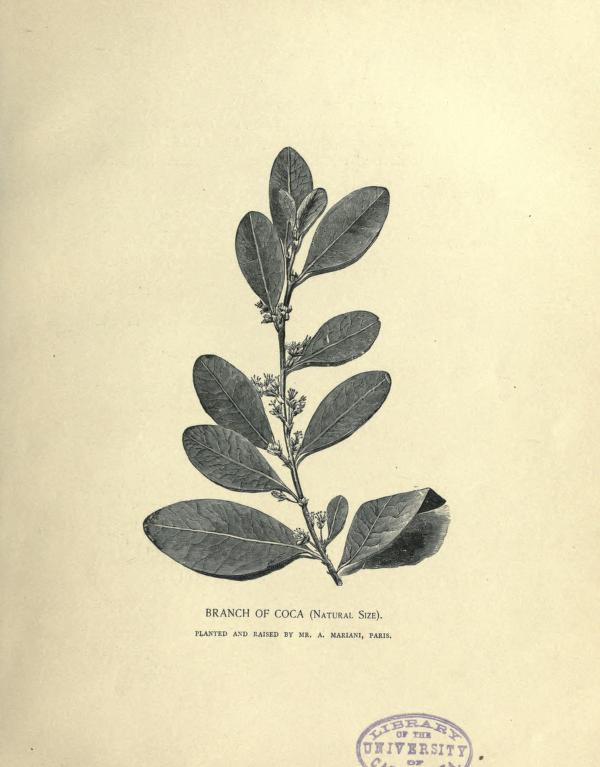
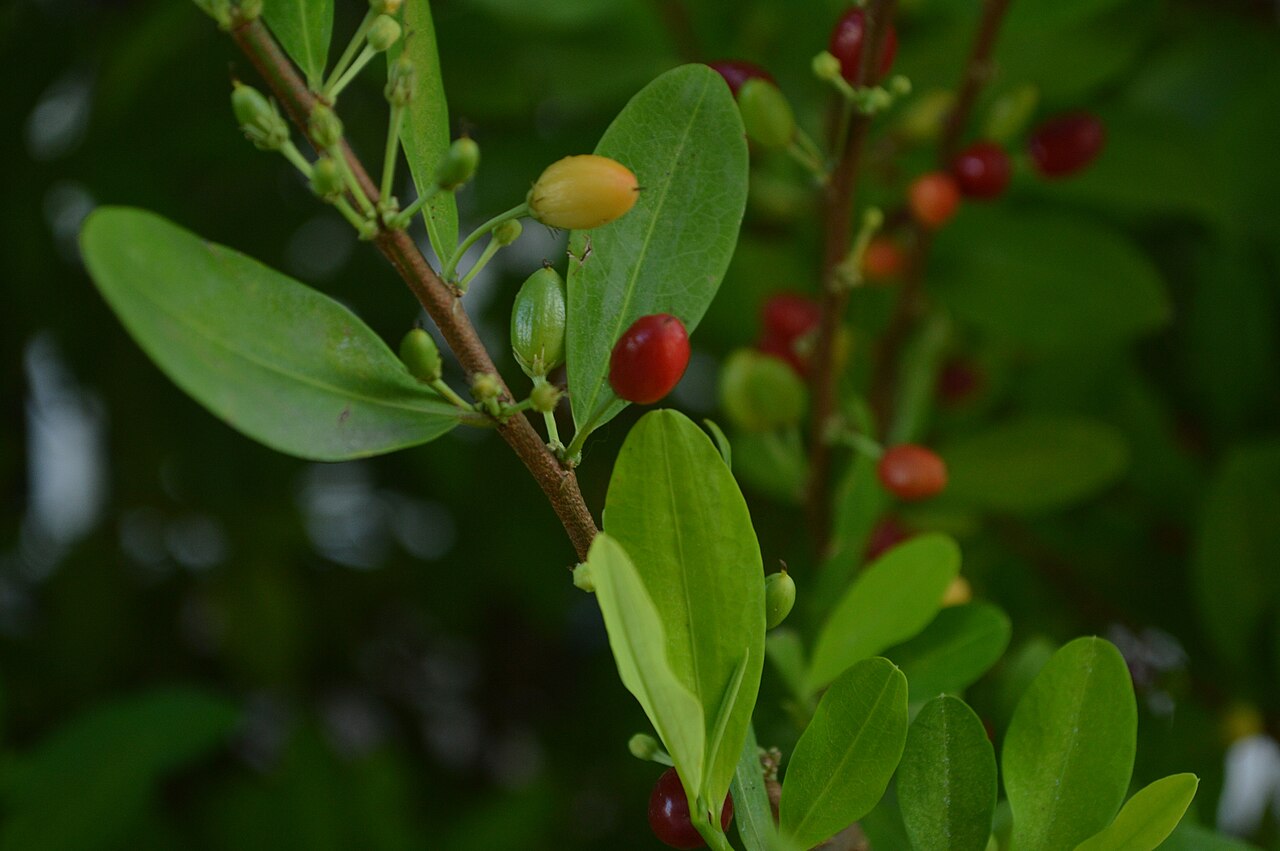
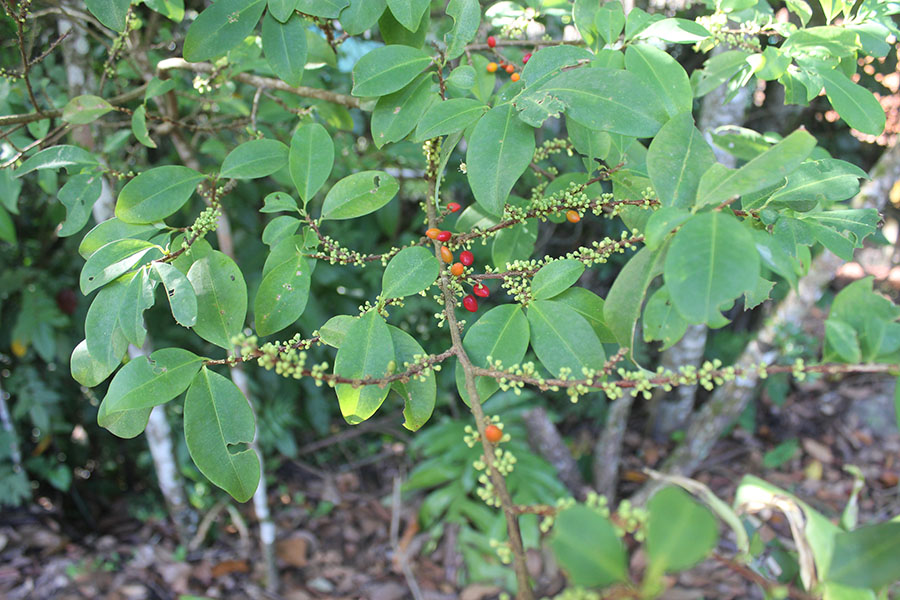
It is a shrub that typically reaches two to three meters in height, sporting curved branches and narrow, oval leaves that taper to a point at each tip. A notable identifying trait is a small pair of curved structures near the leaf base.
More in Herbs & Spices & Medicinal
Sources
Compiled from Wikipedia and the sources listed below. Text from Wikipedia is available under CC BY-SA 4.0; this entry is adapted from it.
- Wikipedia: Coca (CC BY-SA 4.0).
Spotted an error? Know more?
Reader corrections go straight into our review queue. Suggest an edit · How this site is sourced