
Indigofera
A diverse genus of plants used for indigo dye and perennial polyculture.
Last updated

Wikimedia Commons · CC BY 4.0
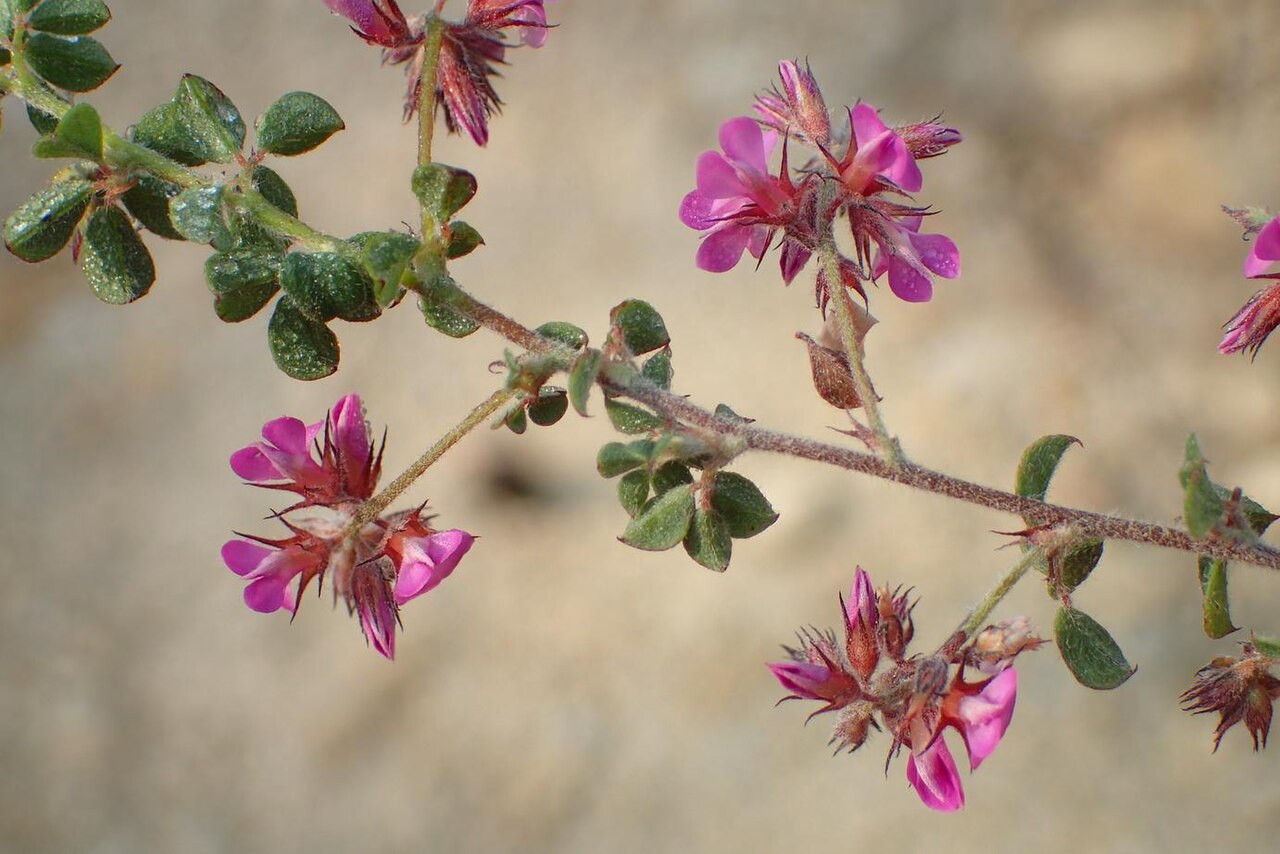
Indigofera is a large genus of over 750 species of flowering plants in the pea family Fabaceae, widely distributed throughout tropical and subtropical regions. The genus is known for its diverse characteristics, including variation in pericarp thickness, fruit type, and flowering morphology, which make it a candidate for potential perennial crop development.
Scientific classification
- CladeTracheophytes
- CladeAngiosperms
- CladeEudicots
- CladeRosids
- OrderFabales
- FamilyFabaceae
- SubfamilyFaboideae
- GenusIndigofera
Named by L. (1753)
Sources: Wikipedia taxobox: Indigofera (CC BY-SA 4.0)
Quick Facts
- Type species
- Indigofera tinctoria
Facts from the source article.
Lore & Background
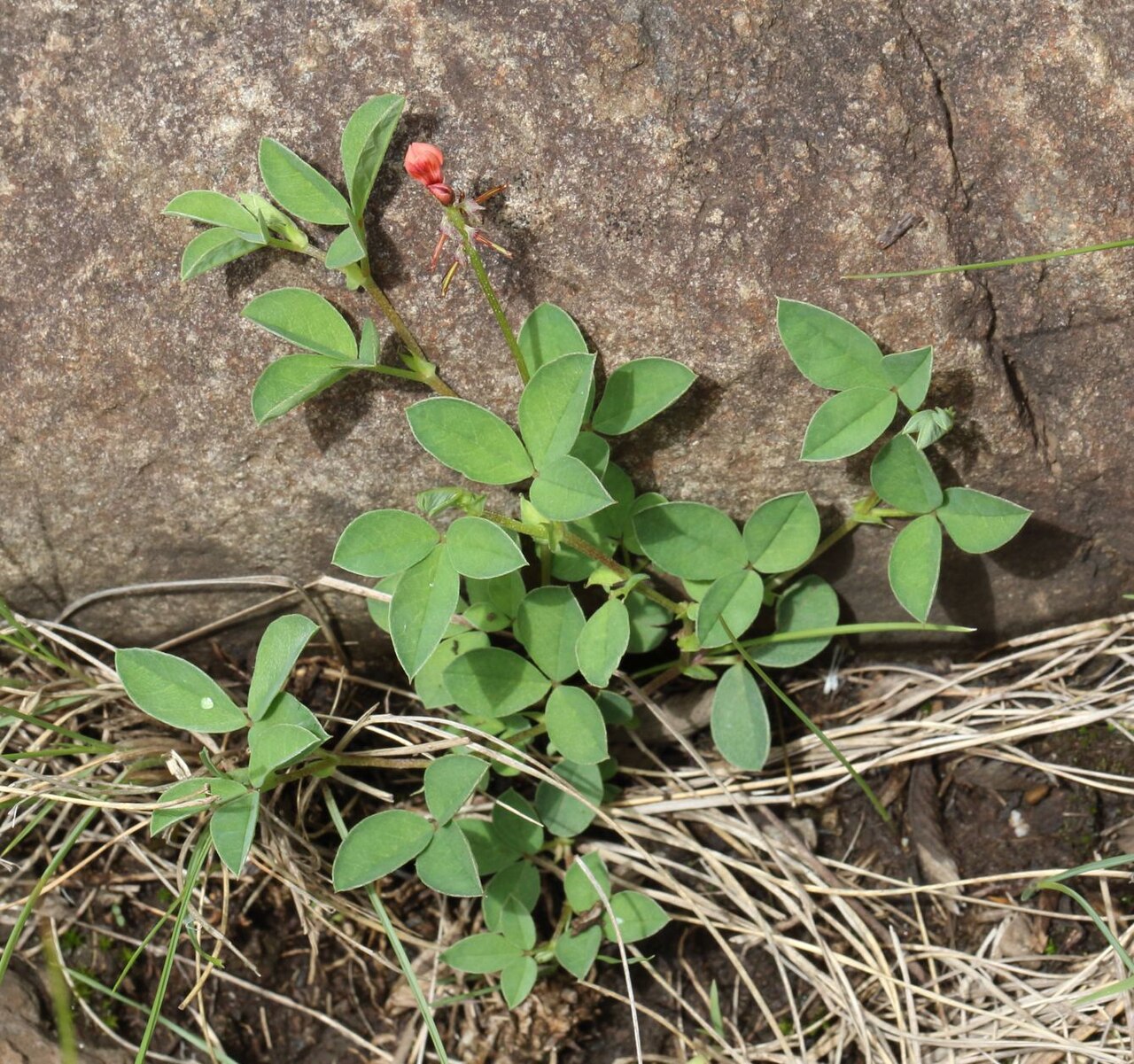
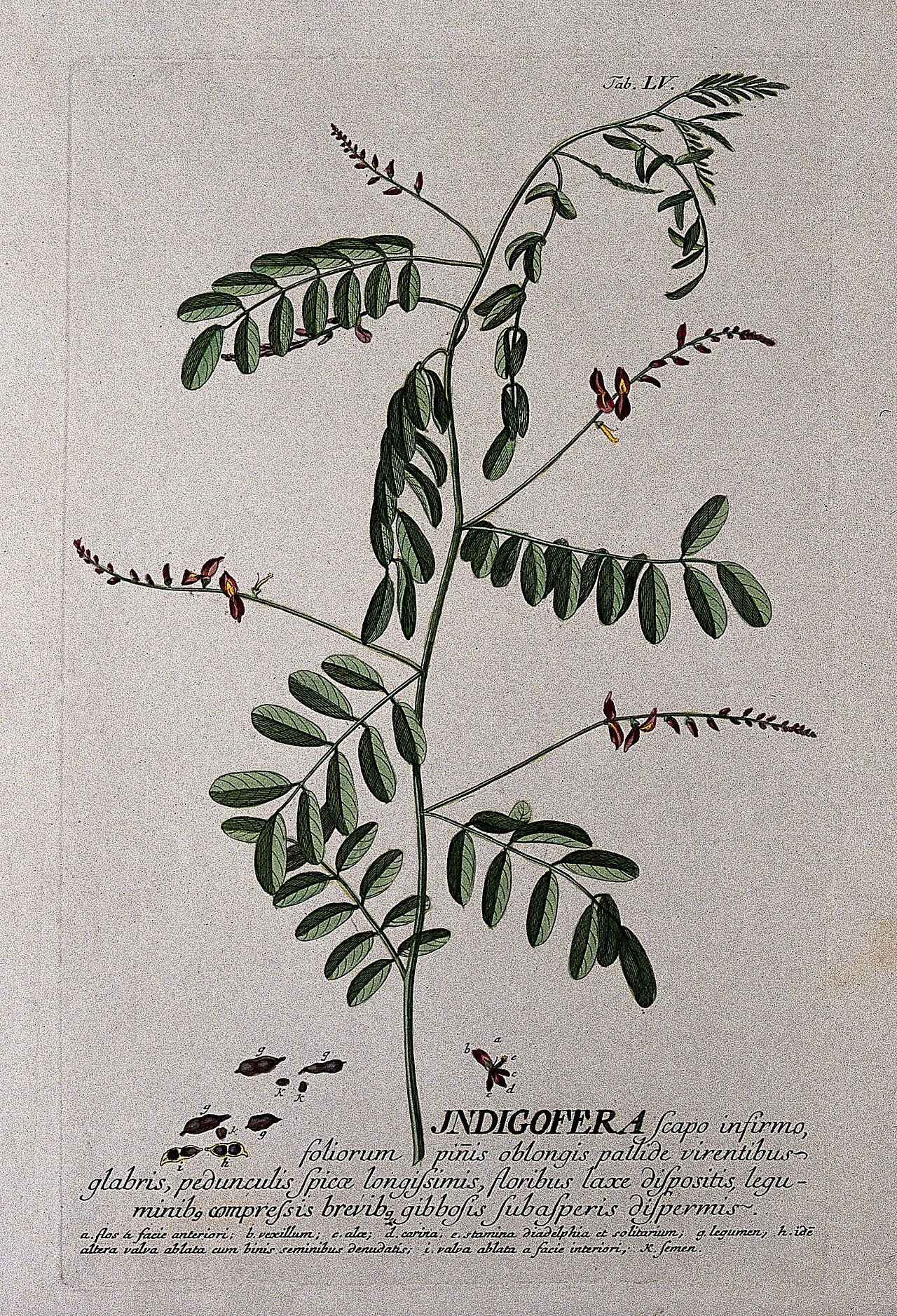
Indigofera species are mostly shrubs, though some are small trees or herbaceous perennials or annuals. Their branches are covered with silky hairs, and most have pinnate leaves with three foliolates.
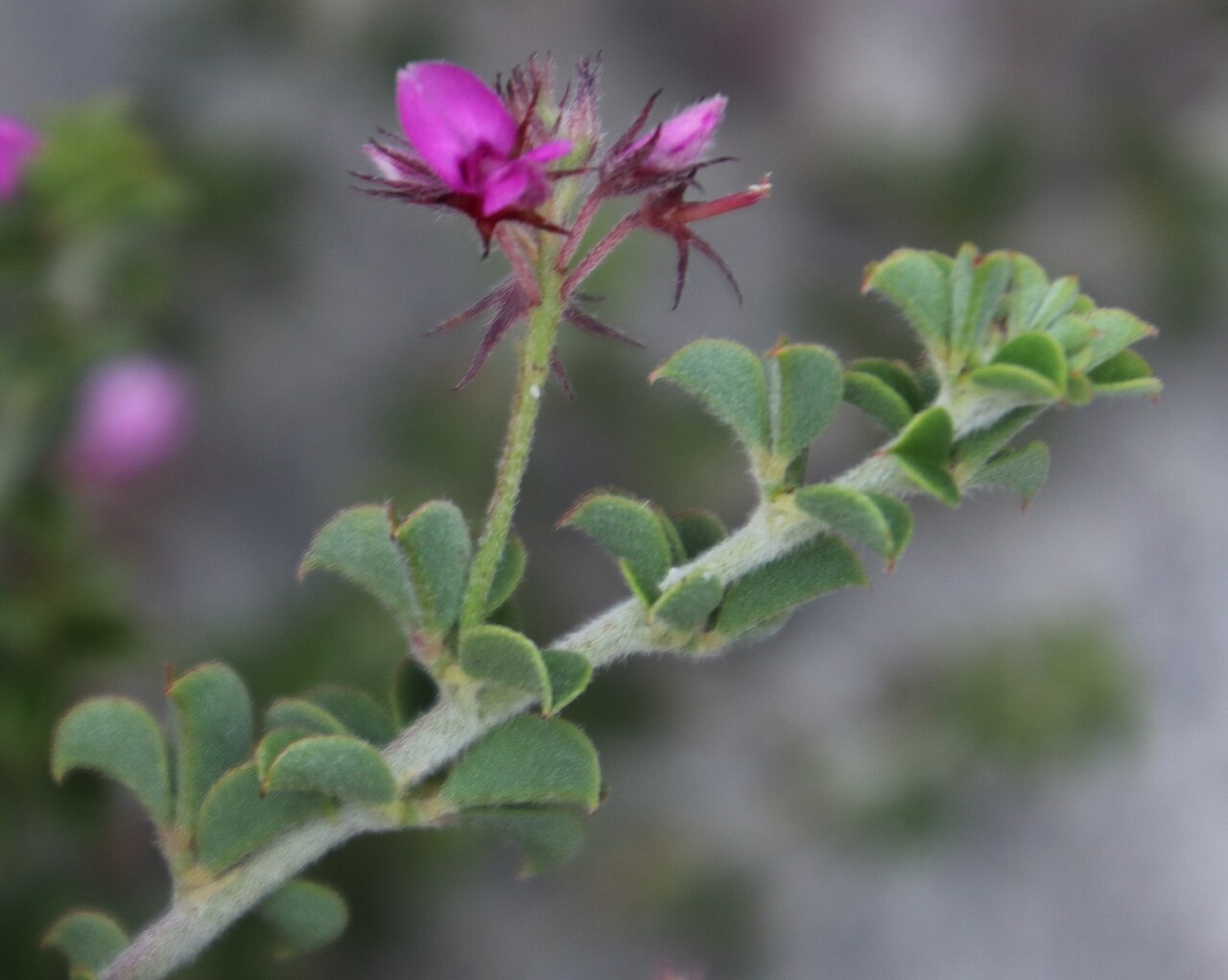
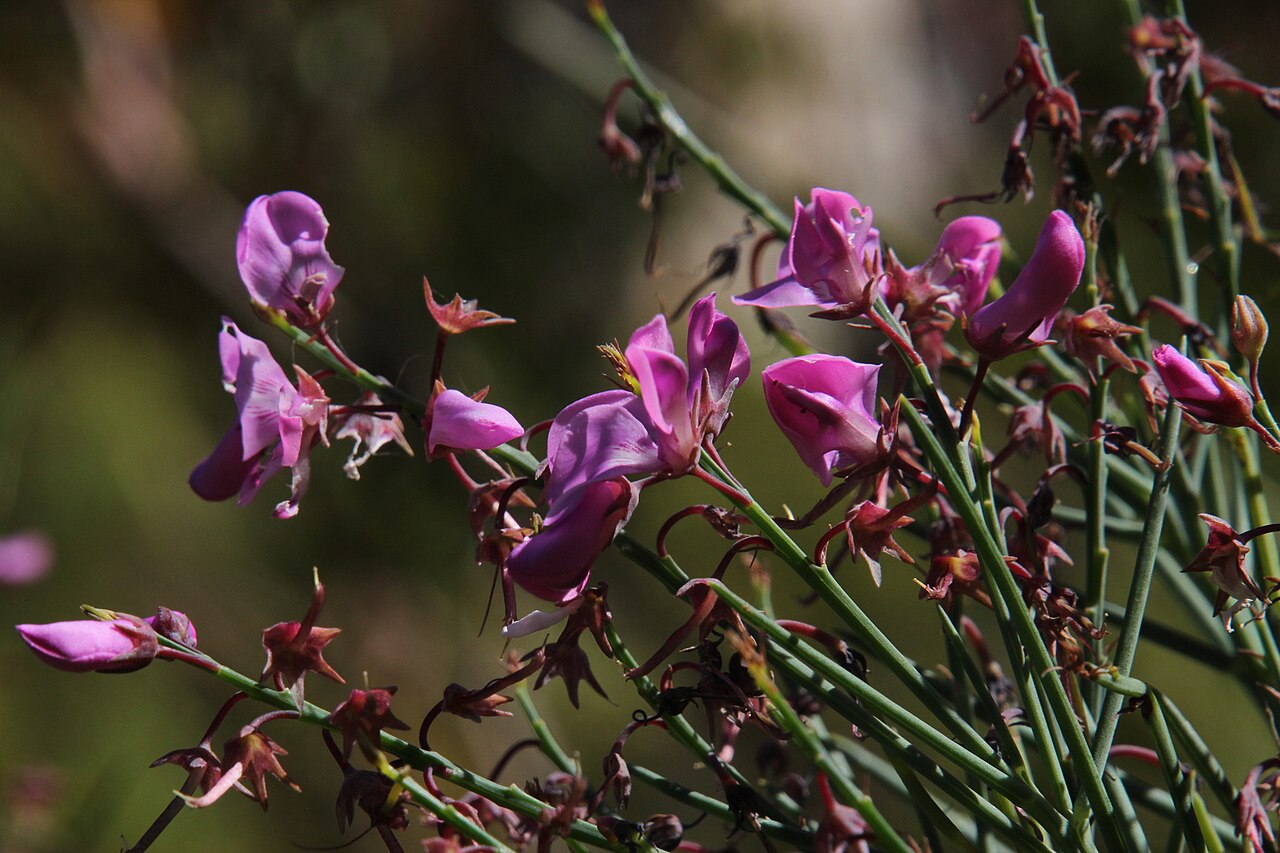
Small flowers grow in leaf axils, with petals in hues of red or purple, though a few species have greenish-white or yellow flowers. The flowers have open carpels, and their organ primordia often form at deeper layers than other eudicots. The fruit is a long, cylindrical legume pod, with variation in curvature—straight, slightly curved, or falcate—and pericarp thickness categorized as type I (thinnest), type II, or type III (thickest).
Reader's Guide
Indigofera holds significance both historically and agriculturally. Several species, especially Indigofera tinctoria and Indigofera suffruticosa, are used to produce the dye indigo. Scraps of indigo-dyed fabric from Huaca Prieta predate Egyptian indigo-dyed fabrics by more than 1,500 years. Colonial planters in the Caribbean grew indigo and later transplanted its cultivation to South Carolina and North Carolina, where the Tuscarora confederacy adopted the dyeing process.
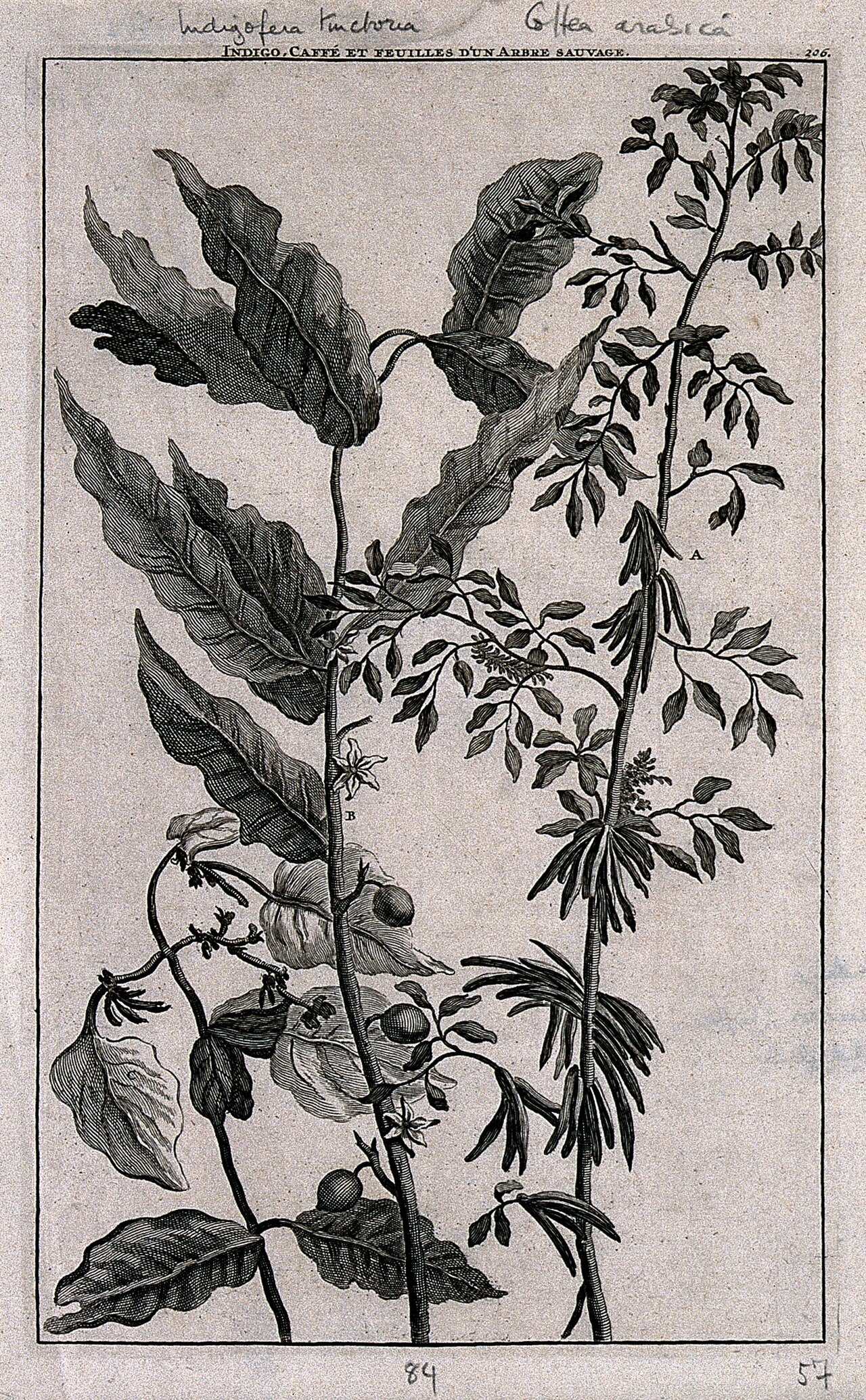
Exports expanded in the mid-to-late 18th century, and after Eliza Lucas Pinckney and enslaved Africans cultivated new strains near Charleston, indigo became the second most important cash crop in the colony after rice, comprising over one-third of all exports in value before the American Revolution. The chemical aniline was first synthesized from Indigofera suffruticosa. In Indonesia, the Sundanese use Indigofera tinctoria for batik dye. The genus also shows potential as a perennial crop due to its diverse variation in fruit type, pericarp thickness, and flowering morphology, which could be artificially selected for different environments and polyculture systems.
Frequently Asked Questions
What is Indigofera?
Indigofera is a large genus of flowering plants that belongs to the Fabaceae, or pea, family. It is one of the more diverse genera in that family, with members found across tropical and subtropical zones worldwide.
How many species are in the Indigofera genus?
The genus encompasses more than 750 recognized species, making it one of the broader collections of related plants within the legume family.
More in Herbs & Spices & Medicinal
Sources
Compiled from Wikipedia and the sources listed below. Text from Wikipedia is available under CC BY-SA 4.0; this entry is adapted from it.
- Wikipedia: Indigofera (CC BY-SA 4.0).
- Word definitions: the Codexery glossary, each quoted from its Wikipedia article.
Spotted an error? Know more?
Reader corrections go straight into our review queue. Suggest an edit · How this site is sourced