
Coffea
Genus of flowering plants that produces coffee beans.
Last updated

Wikimedia Commons · CC BY 4.0
Coffea is a genus of flowering plants in the family Rubiaceae, comprising shrubs or small trees native to tropical and southern Africa and tropical Asia. The seeds of some species, known as coffee beans, are roasted and ground to produce coffee beverages, making the genus one of the world's most valuable and widely traded commodity crops.
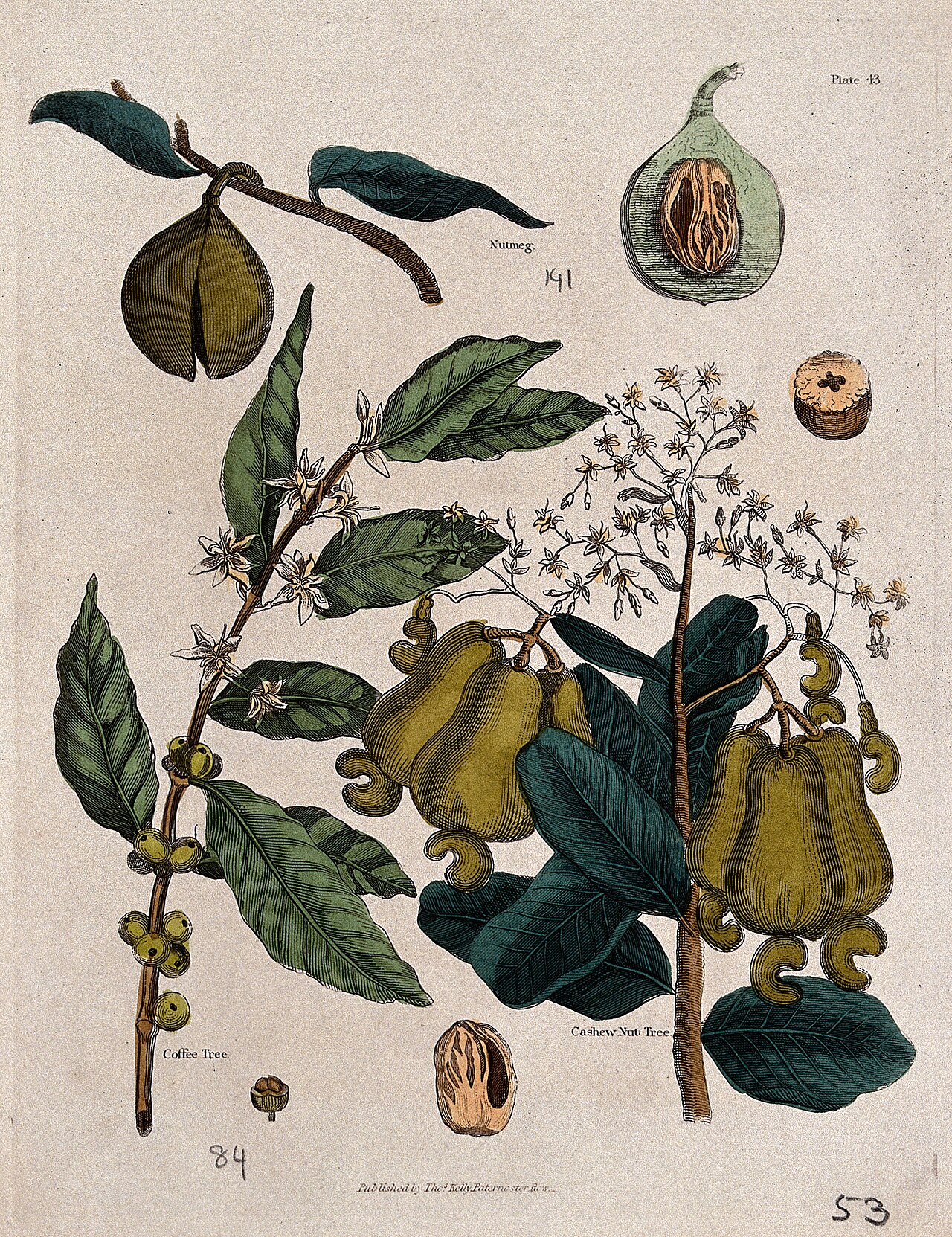
Scientific classification
- CladeTracheophytes
- CladeAngiosperms
- CladeEudicots
- CladeAsterids
- OrderGentianales
- FamilyRubiaceae
- GenusCoffea
Named by L.
Sources: Wikipedia taxobox: Coffea (CC BY-SA 4.0)
Quick Facts
- Type species
- Coffea arabica
Facts from the source article.
Lore & Background
The genus Coffea was first described by Carl Linnaeus in 1753, with Coffea arabica as the type species. New species continue to be identified, including seven from northern Madagascar named in 2008 and 2009 by researchers from the Royal Botanic Gardens, Kew, such as C. ambongensis and C. boinensis. In 2008, a new caffeine-free species, Coffea charrieriana, was discovered in Cameroon, followed by Coffea anthonyi, described in 2009. In 2011, Coffea absorbed the twenty species of the former genus Psilanthus due to morphological and genetic similarities, expanding the genus from 104 to 124 species and extending its native distribution to tropical Asia and Australasia.
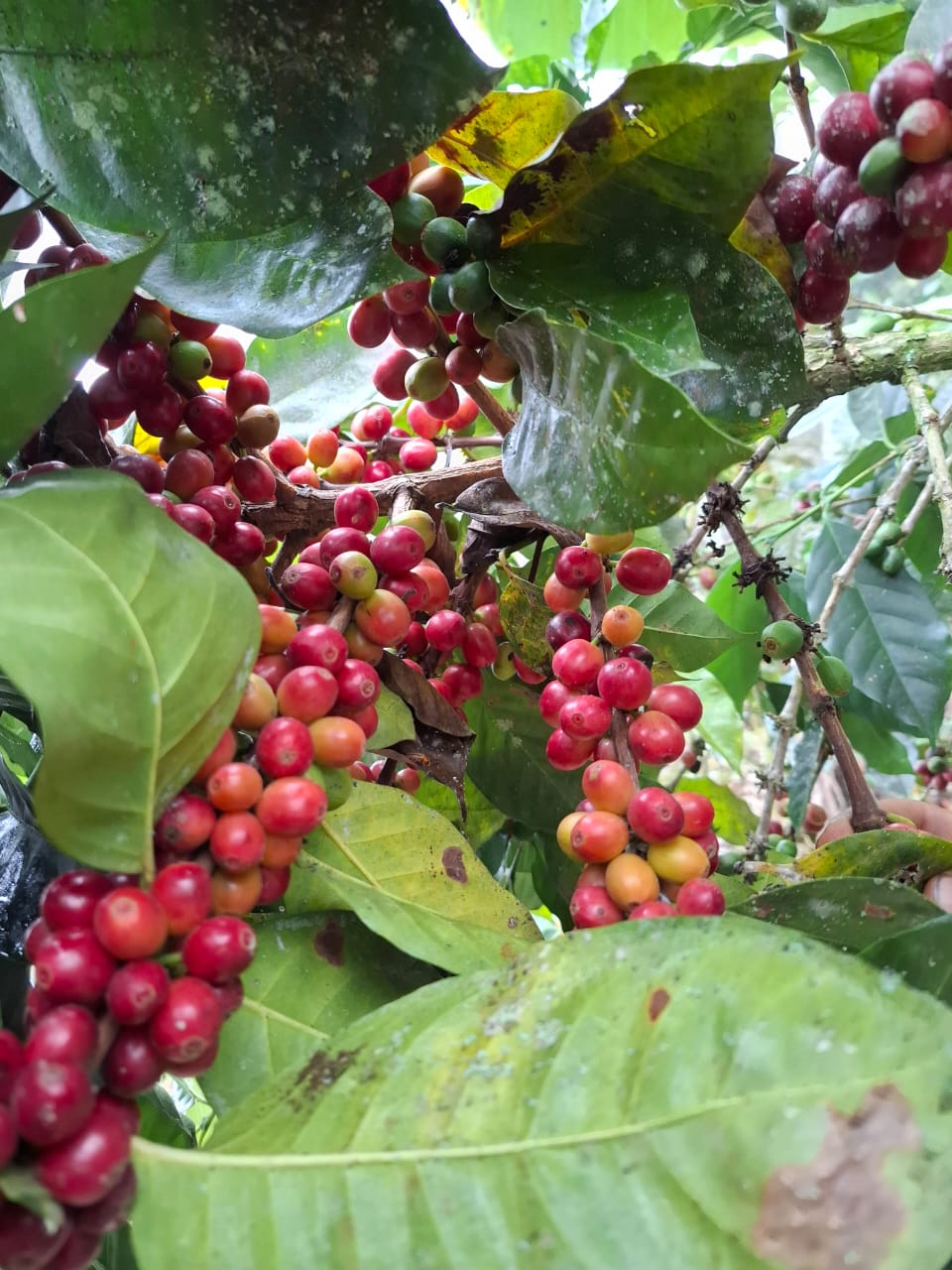
The coffee genome was published in 2014, revealing over 25,000 genes and showing that coffee plants make caffeine using a different set of genes than tea, cacao, and other such plants. A robust phylogeny published in 2017 resolved relationships among Coffea species and suggested Africa or Asia as the likely ancestral origin, with several independent radiations across Africa, Asia, and the Western Indian Ocean Islands. In 2020, a technique of DNA fingerprinting was proven effective for coffee, potentially improving pest and disease information for farmers, professionalizing seed systems, and enabling traceability for buyers.
Reader's Guide
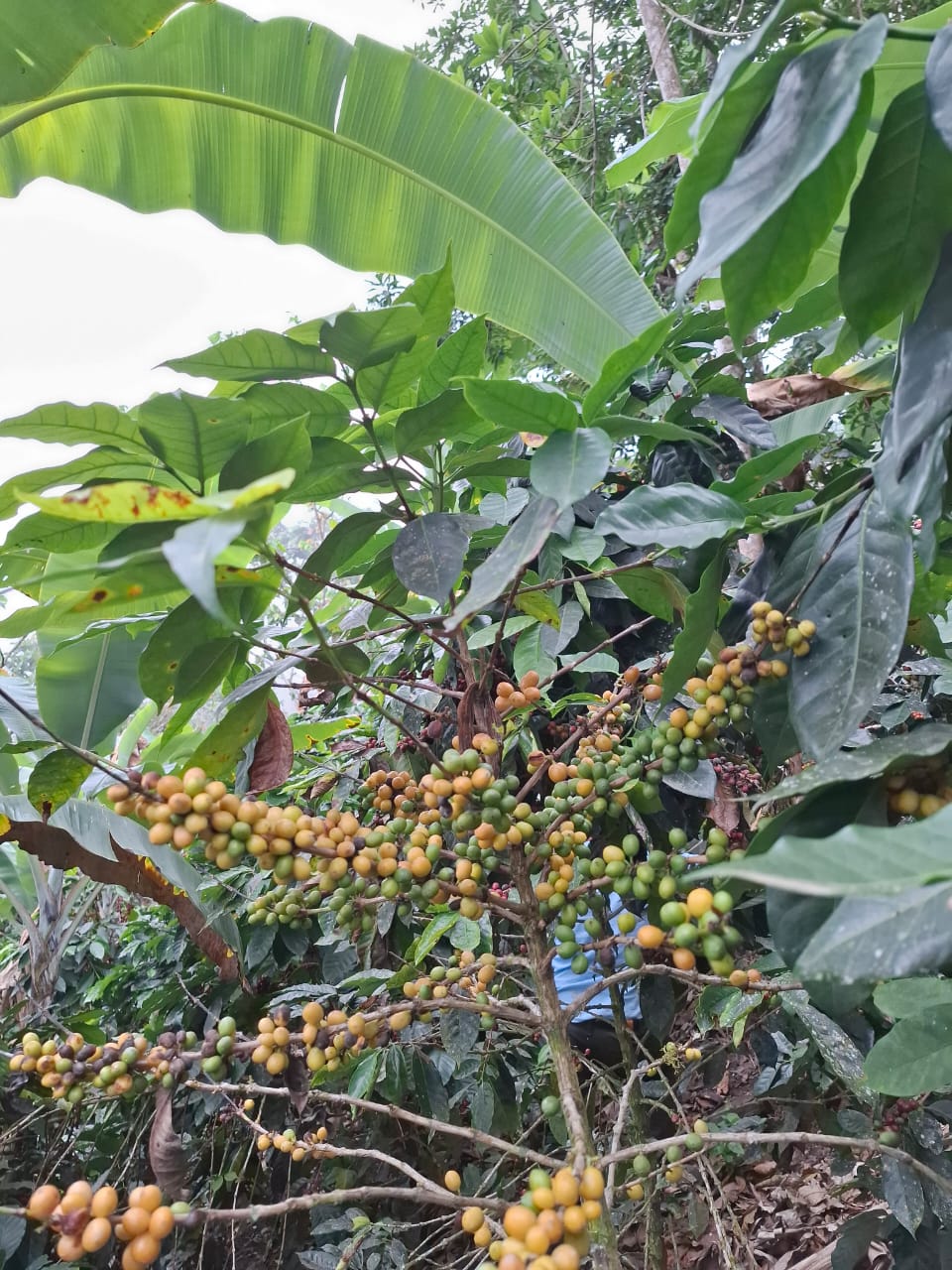
Coffea ranks as one of the world's most valuable and widely traded commodity crops, with coffee production heavily reliant on two species: Coffea arabica (Arabica), accounting for about 55% of global production, and Coffea canephora (Robusta), accounting for about 45%. Arabica is preferred for its sweeter taste, while Robusta has higher caffeine content. Both species are vulnerable to shifts in growing zones caused by climate change, likely leading to production declines in some important regions.
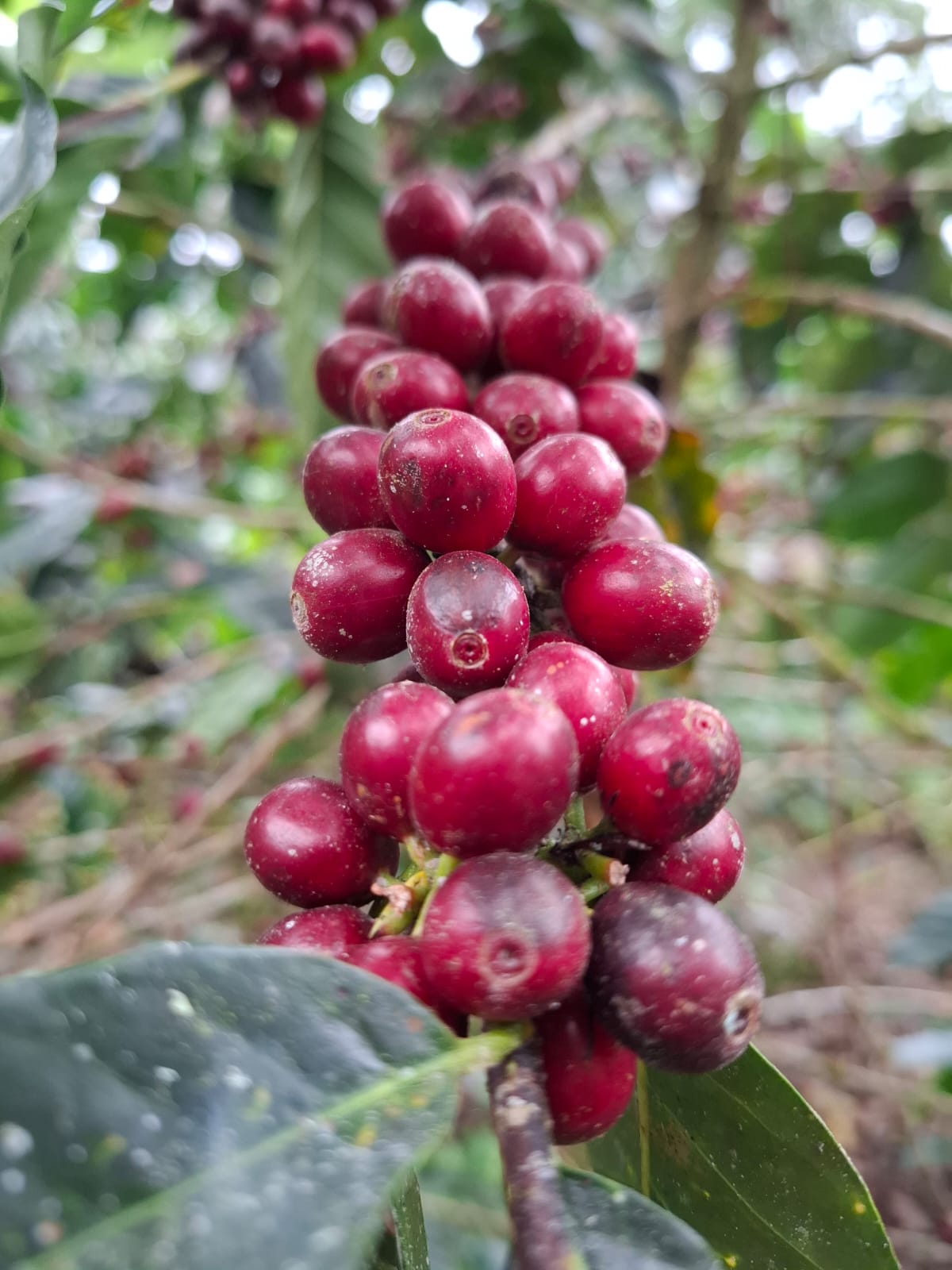
The genus includes over 130 species, with new ones still being identified. Caffeine in coffee beans serves as a natural defense against pests while attracting pollinators like honeybees. Not all Coffea species contain caffeine; the earliest species had little or none, and caffeine evolved independently in multiple African lineages.
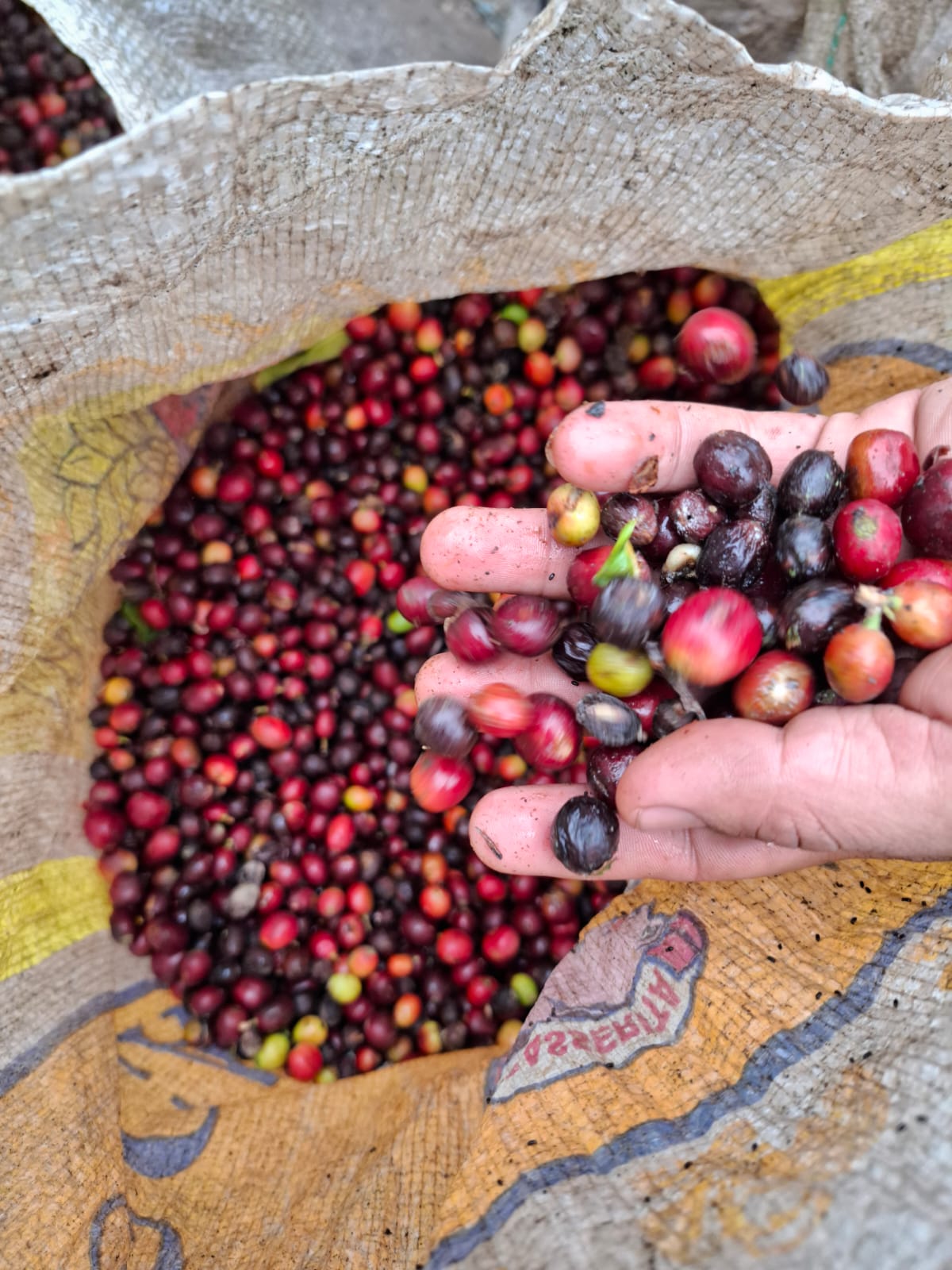
The fruit and leaves also contain caffeine and are used in beverages. The coffee trade is an important export for countries in Central and South America, the Caribbean, and Africa. The 2014 genome publication and 2020 DNA fingerprinting technique offer potential improvements for cultivation, pest management, and supply chain transparency.
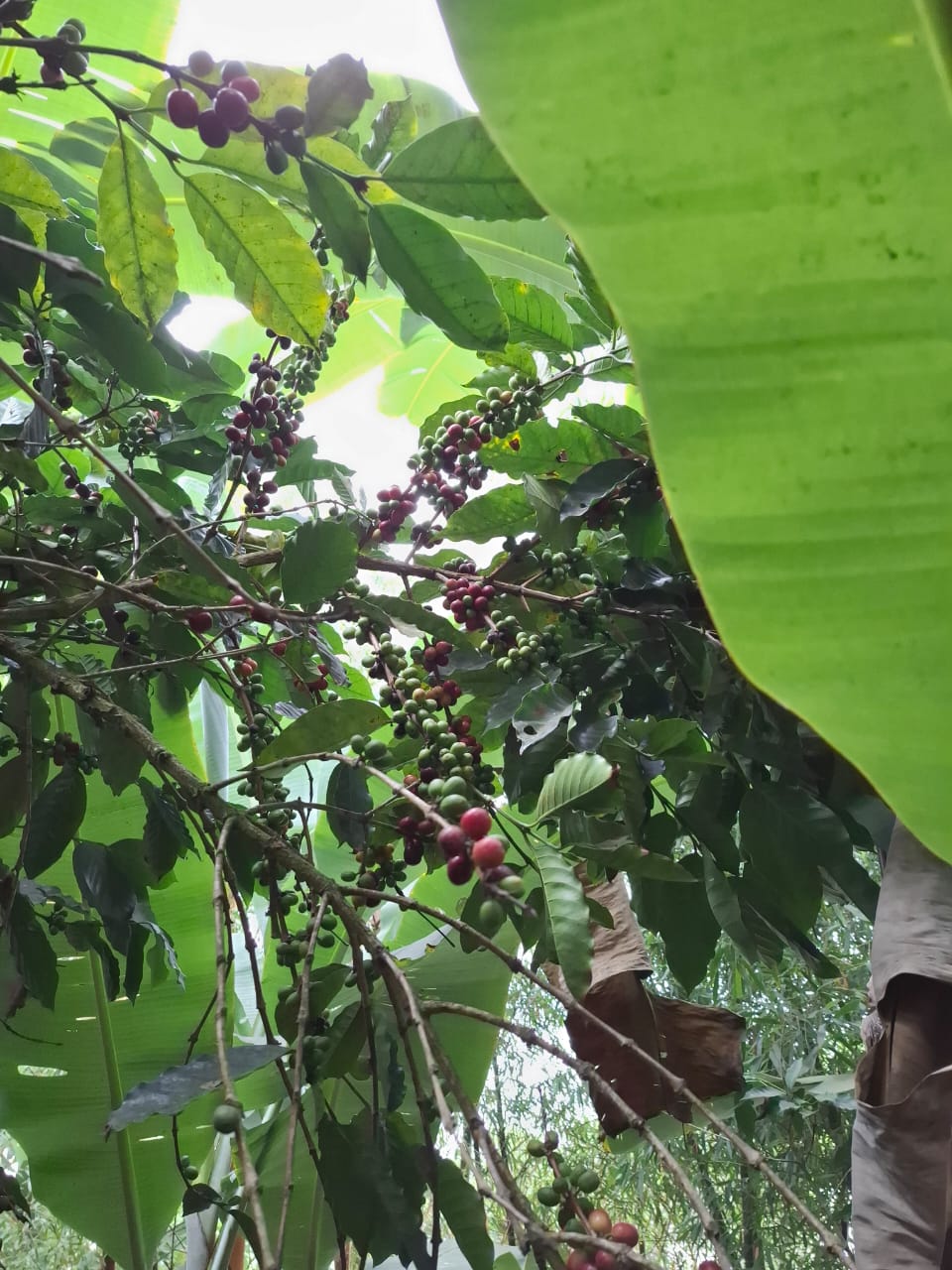
Did You Know?
- About 5–10% of coffee fruits contain only a single bean, called a peaberry, which is smaller and rounder than a normal coffee bean.
- Coffea arabica trees produce fruit after three to five years and can produce for up to 100 years.
Frequently Asked Questions
Which Coffea species matter most commercially?
Coffea arabica (Arabica) and Coffea canephora (Robusta) dominate the global market, together accounting for essentially all coffee production. Arabica supplies roughly 55% of output while Robusta covers the remaining 45%.
Where is Coffea native to?
The genus is indigenous to tropical and southern Africa as well as tropical Asia. These warm, humid regions provide the natural habitat where wild Coffea shrubs and small trees still grow today.
How many species are recognized in the Coffea genus?
As of January 2026, taxonomists accept 133 distinct species within Coffea, along with one documented hybrid. This makes it one of the more species-rich genera in the Rubiaceae family.
More in Herbs & Spices & Medicinal
Sources
Compiled from Wikipedia and the sources listed below. Text from Wikipedia is available under CC BY-SA 4.0; this entry is adapted from it.
- Wikipedia: Coffea (CC BY-SA 4.0).
- Word definitions: the Codexery glossary, each quoted from its Wikipedia article.
Spotted an error? Know more?
Reader corrections go straight into our review queue. Suggest an edit · How this site is sourced