
Cymbopogon
A grass genus used in cooking, medicine, and insect repellent.
Last updated

Mokkie · CC BY-SA 4.0
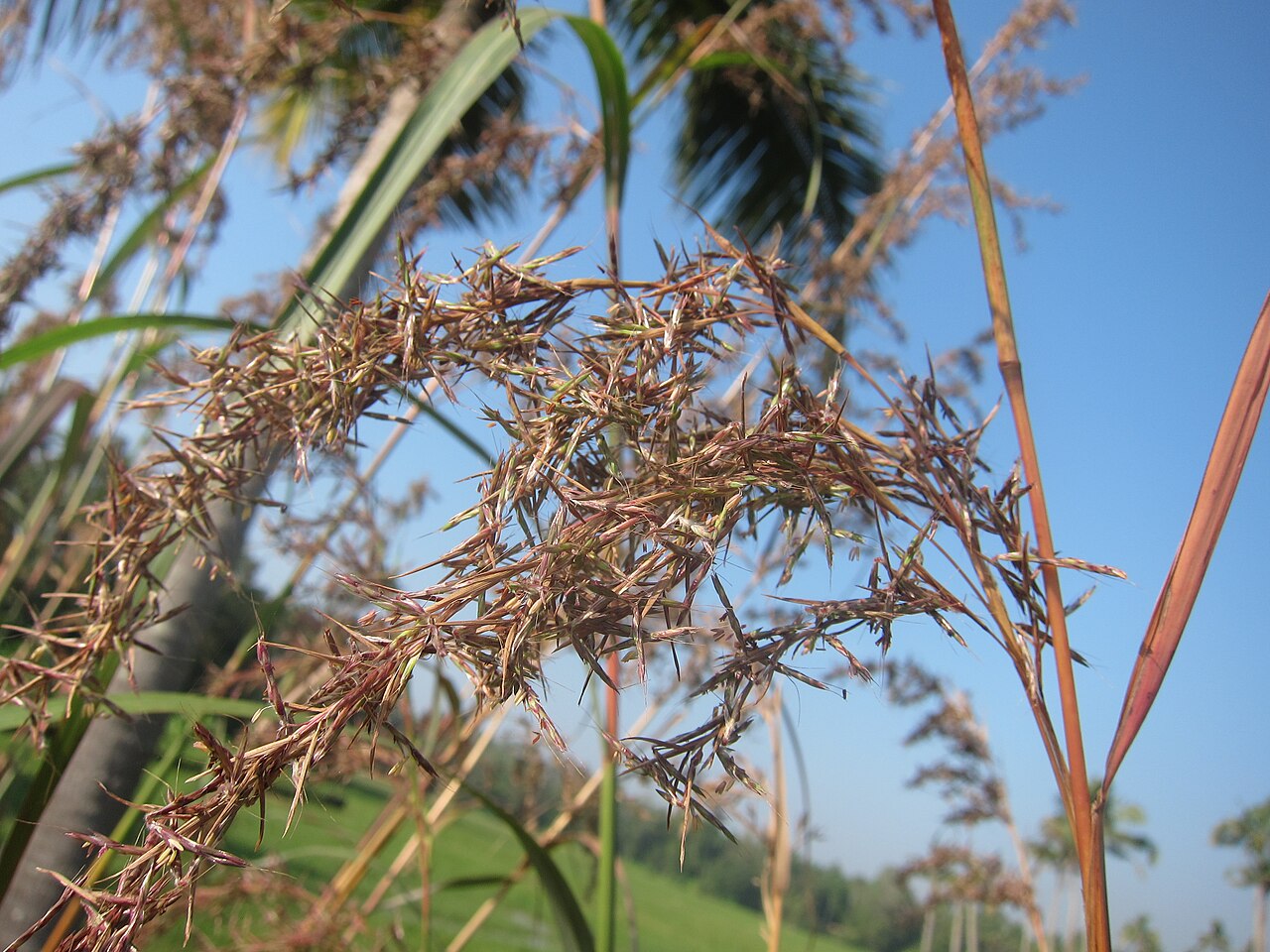
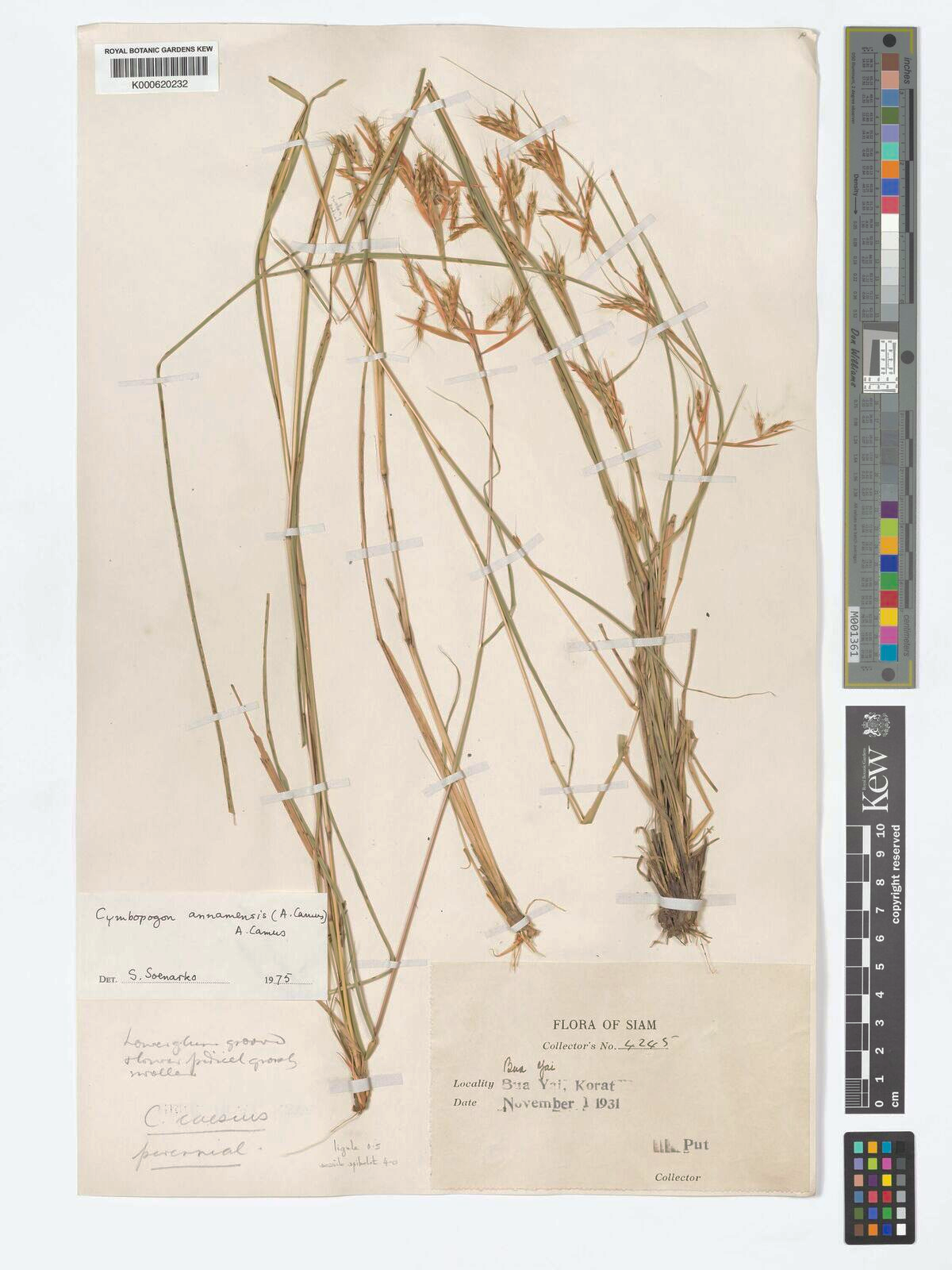
Cymbopogon is a genus of grasses found across Asia, Africa, Australia, and tropical islands, known by many common names including lemongrass, barbed wire grass, silky heads, oily heads, Cochin grass, Malabar grass, citronella grass, and fever grass. Several species, especially Cymbopogon citratus, are grown for their lemon-like scent and used as culinary and medicinal herbs. The genus name comes from the Greek words kymbe (boat) and pogon (beard), referring to the hairy spikelets that emerge from boat-shaped spathes in most species. Lemongrass and its oil are thought to have therapeutic properties.
Uses
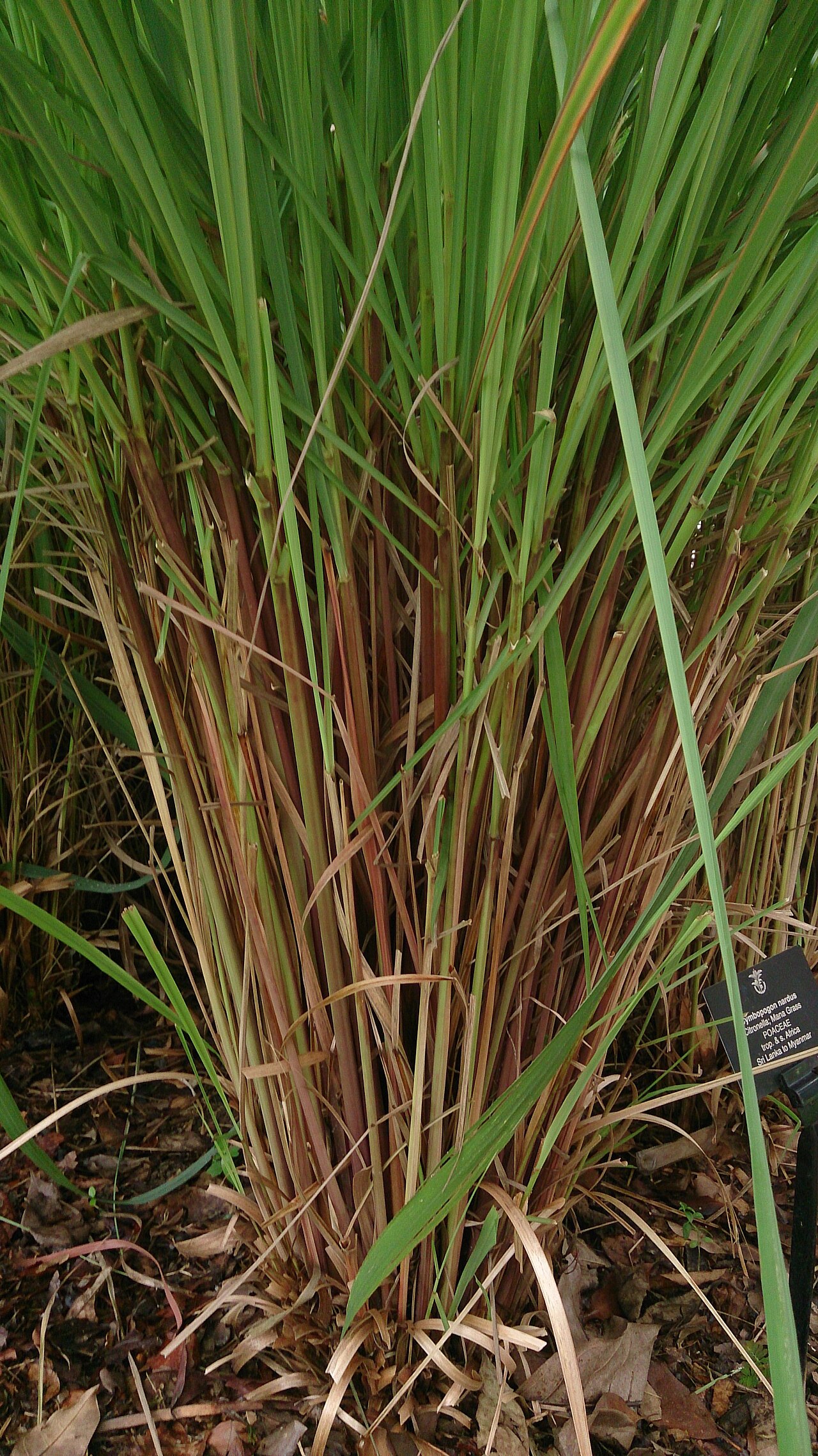
Citronella grass—Cymbopogon nardus and Cymbopogon winterianus—reaches about two meters tall and has magenta-colored stem bases. These species yield citronella oil, used in soaps, insect repellents (especially against mosquitoes and houseflies), sprays, candles, and aromatherapy. The oil's main compounds, geraniol and citronellol, are antiseptic, making them common in household disinfectants and soaps. Citronella grass is also used as a culinary flavoring.
Culinary
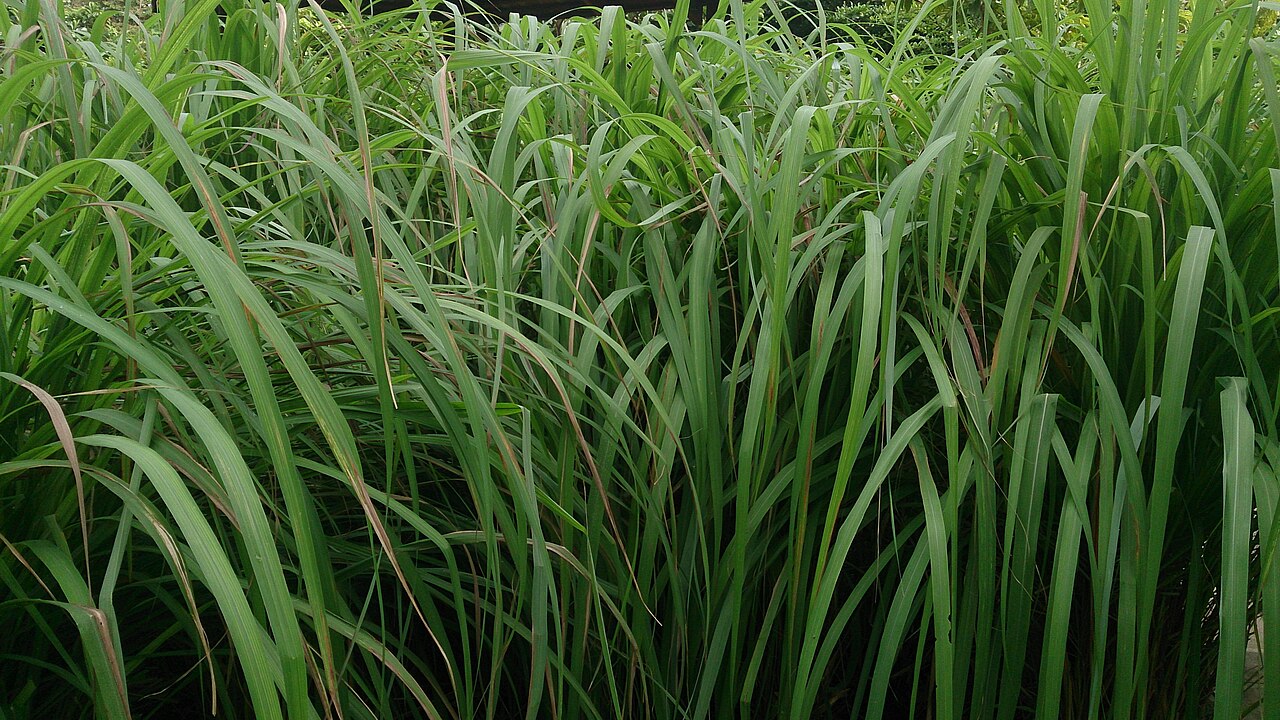
East Indian lemongrass (Cymbopogon flexuosus), also called Cochin or Malabar grass, is native to India, Sri Lanka, and Myanmar, and is widely cultivated in Thailand. West Indian lemongrass (Cymbopogon citratus) is not known to exist in a truly wild state and is a cultivated hybrid of uncertain origin. While the two can be used interchangeably, C. citratus is preferred for cooking. Its oil has a fresh, sweet, lemon, grassy, green, and citrus aroma.
Folk medicine
In India, C. citratus is used as a medicinal herb and in perfumes. In Brazilian folk medicine, it is taken as a tea for anxiety, though a human study found no effect; one case reported the tea triggered a recurrence of contact dermatitis. In Samoa and Tonga, mashed leaves of C. citratus (called moegalo and moengālō, respectively) are a traditional remedy for oral infections. The United States Food and Drug Administration has declared lemongrass essential oil generally recognized as safe in food.
FDA classification
In Hoodoo folk magic, lemongrass is the main ingredient in van van oil, a popular conjure oil used for protection against evil, spiritual house cleansing, and attracting good luck in love. In beekeeping, lemongrass oil mimics the pheromone from a honeybee's Nasonov gland, drawing bees to a hive or swarm.
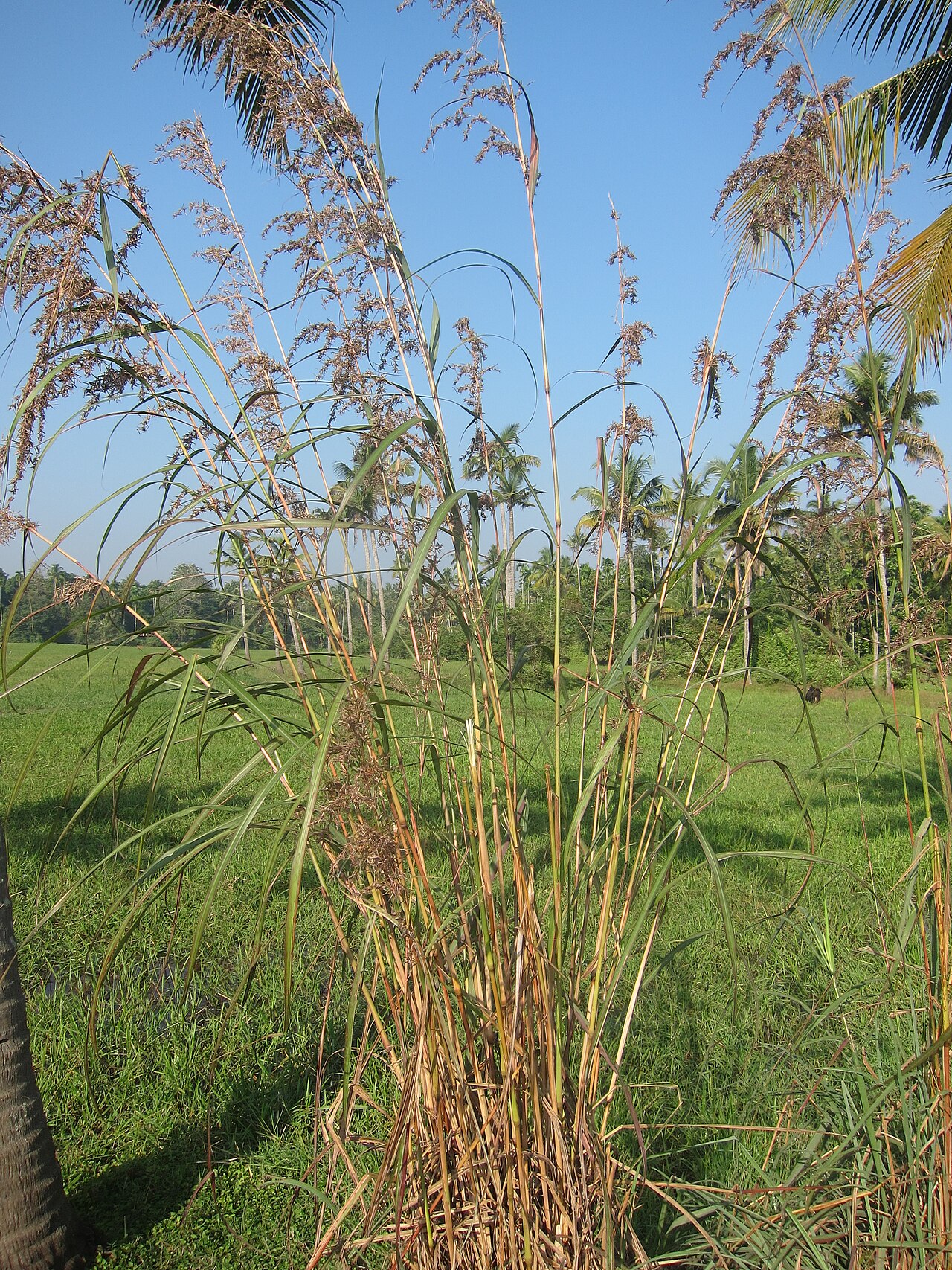
The genus currently contains 52 species.
Scientific classification
- CladeTracheophytes
- CladeAngiosperms
- CladeMonocots
- CladeCommelinids
- OrderPoales
- FamilyPoaceae
- GenusCymbopogon
Named by Spreng.
Sources: Wikipedia taxobox: Cymbopogon (CC BY-SA 4.0)
Quick Facts
- Type species
- Cymbopogon schoenanthus
Facts from the source article.
Naming, Origins & Taxonomic Identity
The genus Cymbopogon carries a name that paints a vivid botanical picture. Derived from the Greek kymbe, meaning boat, and pogon, meaning beard, the name references the way most species in this group display hairy spikelets emerging from boat-shaped spathes.
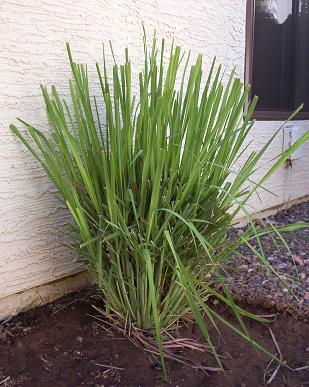
Beyond its scientific designation, the genus accumulates a remarkable roster of common names—lemongrass, barbed wire grass, silky heads, oily heads, Cochin grass, Malabar grass, citronella grass, and fever grass—each reflecting a different cultural lens or physical trait. The plants are native to Asia, Africa, Australia, and tropical islands, and the genus currently encompasses fifty-two recognized species. Taxonomists have also been active in refining the group's boundaries: numerous species once placed under Cymbopogon are now considered better suited to neighboring genera such as Andropogon, Exotheca, Hyparrhenia, Iseilema, Schizachyrium, and Themeda, illustrating how our understanding of grass-family relationships continues to shift.
Culinary Identity & Aromatic Character
Two lemongrass species dominate the world's kitchens, and while they can often be swapped in a recipe, they carry distinct origins and temperaments. East Indian lemongrass, Cymbopogon flexuosus, known in trade as Cochin or Malabar grass, is native to Cambodia, Vietnam, Laos, India, Sri Lanka, Myanmar, and Thailand. Its counterpart, West Indian lemongrass, Cymbopogon citratus, hails from maritime Southeast Asia and is generally regarded as the more cooking-friendly of the pair.
Both share a scent that closely evokes lemons, and the extracted oil is described as carrying a fresh, sweet, lemon, grassy, green, citrus aroma that makes it a prized flavoring agent. In India, C. citratus is cultivated not only as a culinary herb but also in perfumery. The United States Food and Drug Administration has declared lemongrass essential oil generally recognized as safe for use in food, cementing its place in both traditional and modern food systems.
Folk Medicine & Therapeutic Traditions
Across multiple cultures, Cymbopogon species have been woven into healing traditions for generations. In India, C. citratus is employed as a medical herb, and its oil is broadly believed to carry therapeutic properties. In Brazilian folk practice, a tea brewed from C. citratus is consumed to ease anxiety, though a human study found no measurable effect, and one reported case experienced a recurrence of contact dermatitis after drinking the preparation.
In Samoa and Tonga, practitioners mash C. citratus leaves—called moegalo and moengālō respectively—and apply them as a traditional remedy for oral infections. The citronella grass species, C. nardus and C. winterianus, contribute their own medicinal chemistry: the principal constituents geraniol and citronellol act as antiseptics, which is why they feature in household disinfectants and soaps. These varied applications span continents and centuries, yet they all draw on the same aromatic, oil-rich grasses.
Practical Applications & Unconventional Roles
Beyond the kitchen and the apothecary, Cymbopogon species find surprising utility in everyday and specialized contexts. Citronella grass, C. nardus and C. winterianus, grows to roughly two metres and displays distinctive magenta-colored base stems. It is the source of citronella oil used in soaps, insect-repellent sprays, candles, and aromatherapy, particularly targeting mosquitoes and houseflies.
In beekeeping, lemongrass oil plays a remarkable role: it imitates the pheromone released by a honeybee's Nasonov gland, luring bees toward a hive or a swarm. In the tradition of Hoodoo, lemongrass is the primary ingredient of van van oil, one of the most popular conjure preparations, and is used both in that blend and on its own to ward off evil, spiritually cleanse a dwelling, and attract good fortune in love affairs. These diverse applications—repellent, attractant, protective charm—show how a single genus of grass can occupy roles that seem almost unrelated at first glance.
Reader's Guide
Cymbopogon species hold significance across culinary, medicinal, and practical domains. In cooking, lemongrass is used as a flavoring, with C. citratus preferred for culinary purposes. In folk medicine, C. citratus is used as a medical herb in India, consumed as a tea for anxiety in Brazilian folk medicine (though a human study found no effect), and used by Samoans and Tongans as a traditional remedy for oral infections.
Citronella oil from C. nardus and C. winterianus serves as an insect repellent, especially against mosquitoes and houseflies, and is used in soaps, sprays, candles, and aromatherapy. In Hoodoo folk magic, lemongrass is the primary ingredient of van van oil, used for protection, spiritual cleansing, and bringing good luck in love affairs. In beekeeping, lemongrass oil imitates the Nasonov gland pheromone of honeybees to attract them to a hive or swarm.
Frequently Asked Questions
What is Cymbopogon?
Cymbopogon is a genus of tropical grasses that includes well-known plants like lemongrass and citronella. It contains 52 recognized species spread across warm regions of the world.
Where does Cymbopogon naturally grow?
These grasses are native to warm climates spanning Asia, Africa, Australia, and various tropical island chains. They thrive in hot, humid environments and have been cultivated by humans for centuries.
What is Cymbopogon used for?
The genus is prized in kitchens for its citrusy aroma, in traditional medicine for its purported therapeutic properties, and in pest control as a natural insect deterrent. Species like C. citratus are especially popular in cooking and folk remedies.
More in Herbs & Spices & Medicinal
Sources
Compiled from Wikipedia and the sources listed below. Text from Wikipedia is available under CC BY-SA 4.0; this entry is adapted from it.
- Wikipedia: Cymbopogon (CC BY-SA 4.0).
- Word definitions: the Codexery glossary, each quoted from its Wikipedia article.
Spotted an error? Know more?
Reader corrections go straight into our review queue. Suggest an edit · How this site is sourced