
Domestic policy
Public policy governing issues and activity within a state's borders.
Last updated

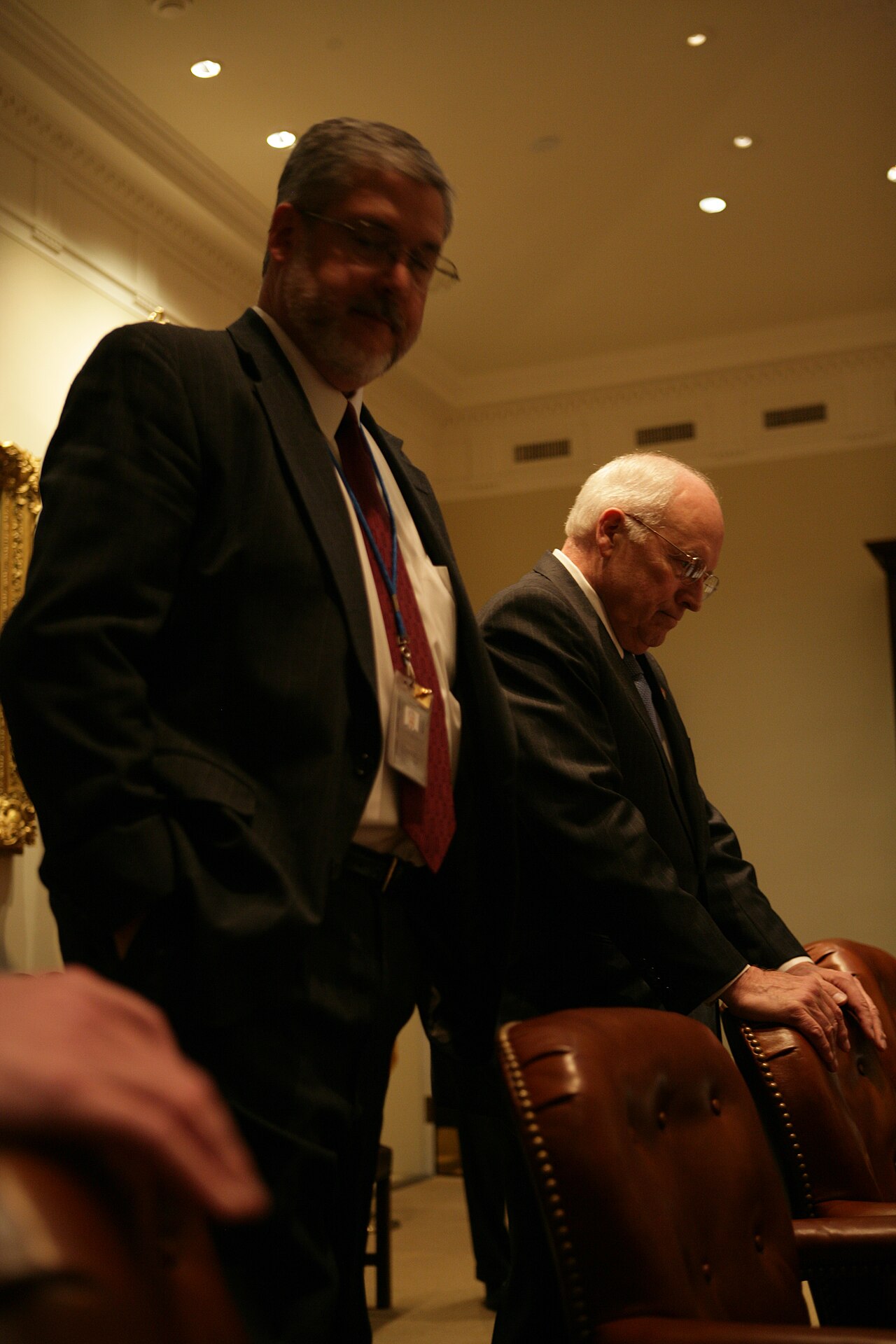
President (2001-2009 : Bush). Office of Management and Administration. Office of · Public domain
Domestic policy—sometimes called internal or social policy—is the branch of public policy that handles administrative decisions about everything happening inside a country’s borders. It covers areas like business, education, energy, healthcare, law enforcement, taxes and money, natural resources, social welfare, and personal rights and freedoms. This is different from foreign policy, which is how a government pursues its interests in other countries. How domestic policy is made and carried out depends heavily on a state’s form of government.

Implementation
In authoritarian systems, a ruling group can push through its domestic goals without asking for or needing the people’s consent. In parliamentary democracies, however, citizens have much more influence. There, elected leaders, legislatures, and specialized government agencies are mainly responsible for designing domestic policy. But other forces also shape it.
Voters choose which people and parties hold the power to set policy. The mass media spread information and opinions about domestic issues, shaping public beliefs. Lobbyists, activist groups, and other organizations try to influence policy through donations, promises of support, advertising campaigns, or protests and demonstrations. How well domestic policy works depends on the government bureaucracy—the system of agencies that actually puts laws and programs into action.
Sometimes bureaucracies are slow, inefficient, or don’t apply policies as originally intended. Domestic policy can also be challenged in court. In many countries, courts have judicial review, letting judges strike down any legislative or executive action that violates the policy’s constitution. Cultural policy deals with the arts and creative work of a government or its citizens.
Cultural policy
It uses bureaucracy to “channel both aesthetic creativity and collective ways of life.” Cultural policy shapes fundamental aspects of a nation, like its official language, and can help form national identity, encourage civic duties, and define ethical behavior. Many countries have a ministry of culture to oversee this. Arts policy, language policy, sports policy, and museum planning all fall under cultural policy. Economic policy concerns a country’s economy and treasury.
Quick Facts
- Field
- Public policy
- Known for
- Overseeing administrative decisions within a state's borders
- Subtypes
- Cultural policy
- economic policy
- social policy
Facts from the source article.
Lore & Background
The form of government of any particular state largely determines how its domestic policy is formed and implemented. Under authoritarian governments, a ruling group may pursue its domestic policy goals without the input or consent of the people being governed. But in parliamentary democratic societies, the will of citizens has a much greater influence. In a democracy, the formal design of domestic policy is chiefly the responsibility of elected leaders, lawmaking bodies, and specialized government agencies.
Voters determine which individuals and political parties have the power to determine policy. The mass media distribute and opine about information on domestic issues, influencing beliefs and opinions. Lobbyists, activist groups, and other organizations work to influence policy through monetary donations, promises of support, advertising campaigns, or demonstrations and protests.
Reader's Guide
Domestic policy is significant because it directly affects the daily lives of a state's inhabitants, covering areas from business and education to healthcare and personal rights. Its implementation depends on the government bureaucracy that puts laws and programs into action; in some cases, bureaucracies act slowly or inefficiently, or fail to apply policies as originally intended.
Domestic policy may also face challenges in courts, where judges in many countries have the power of judicial review to strike down legislative or executive actions that violate the policy's constitution. The policy is divided into cultural policy (arts, language, national identity), economic policy (monetary and fiscal policy, tax, regulation), and social policy (civil rights, education, health, housing, public security). Its legacy lies in shaping national identity, economic stability, and societal well-being, with its effectiveness varying by governmental structure and bureaucratic efficiency.
Frequently Asked Questions
What is Domestic policy?
It is the branch of public policy responsible for administrative decisions made about matters within a single nation's own borders, distinguishing it from how a government acts toward other countries.
How is Domestic policy different from Foreign policy?
Domestic policy governs everything happening inside a country's borders, whereas foreign policy addresses how that same government pursues its interests in dealings with other nations.
What are the main subtypes of Domestic policy?
The field is typically divided into cultural policy, economic policy, and social policy, each addressing a distinct slice of internal governance.
More in Government & Public Administration
Sources
Compiled from Wikipedia and the sources listed below. Text from Wikipedia is available under CC BY-SA 4.0; this entry is adapted from it.
- Wikipedia: Domestic policy (CC BY-SA 4.0).
Spotted an error? Know more?
Reader corrections go straight into our review queue. Suggest an edit · How this site is sourced