
Foreign policy
A state's strategies for interacting with other states and entities.
Last updated

U.S. Department of State · Public domain
Foreign policy—sometimes called external policy—refers to the plans and actions a country uses when dealing with other nations, unions, and international bodies. These strategies cover a broad mix of goals: protecting the country from attack, boosting economic interests, and offering humanitarian help. What shapes a state's foreign policy includes domestic politics, how other countries behave, and larger geopolitical calculations.
Defense
Over time, foreign policy has shifted from handling immediate crises to managing ongoing international relationships, and professional diplomats have been key to that change. The aims of foreign policy are varied and linked, forming a unified approach for each country. Security and defense often come first, leading states to build military alliances or use soft power to counter threats. Economic goals—like trade deals and foreign aid—help define a nation's place in the global economy.
Many countries also run humanitarian programs based on the idea of a responsibility to protect, offering support to weaker states. Scholars study foreign policy to understand why and how countries interact, with think tanks and universities providing research and analysis to guide decisions. The idea of managing relationships over the long term grew alongside professional diplomatic corps, which handled diplomacy.
History
In the 1700s, European diplomacy was so chaotic and conflict-ridden that it often focused on isolated problems, called "affairs." So, while domestic issues were labeled civil affairs (like peasant uprisings, budget shortfalls, or court plots), the term foreign affairs referred to handling temporary matters outside a ruler's territory. This term stayed common in English-speaking countries into the 1900s and still names the departments that manage foreign relations in several states. Though originally meant for short-term issues, these departments now handle both daily and long-term international relations. Governments sometimes hire think tanks to research and advocate for foreign policy proposals, offer alternatives, or analyze shifting relationships.

Objectives
Several goals can drive a government's foreign policy. It may focus on defense and security, economic gain, or aid to countries in need. All these objectives are connected and together form a single, comprehensive foreign policy for each state.

Quick Facts
- Key concept
- Set of strategies and actions for external relations
- Influences
- Domestic considerations
- behavior of other states
- geopolitical strategies
- Study approaches
- Rational actor model
- government bargaining model
- organizational process model
Facts from the source article.
Lore & Background
The idea of long-term management of relationships followed the development of professional diplomatic corps that managed diplomacy. In the 18th century, due to extreme turbulence in European diplomacy and ongoing conflicts, the practice of diplomacy was often fragmented by the necessity to deal with isolated issues, termed 'affairs'.
Domestic management of such issues was called civil affairs, while the term foreign affairs was applied to the management of temporary issues outside the sovereign realm. This term remained in widespread use in English-speaking states into the 20th century and remains the name of departments in several states that manage foreign relations. Although originally intended to describe short-term management of a specific concern, these departments now manage all day-to-day and long-term international relations among states.
Several objectives may motivate a government's foreign policy, including defense and security, economic benefit, or assistance to states that need it. All foreign policy objectives are interconnected and contribute to a single, comprehensive foreign policy for each state.
Unlike domestic policy, foreign policy issues often arise suddenly in response to developments and major events in foreign countries. The objectives of foreign policy can be aligned with the median voter preferences. Think tanks are occasionally employed by government foreign relations organizations to provide research and advocacy in the development of foreign policy proposals, alternatives to existing policy, or to provide analytical assessments of evolving relationships.
Reader's Guide
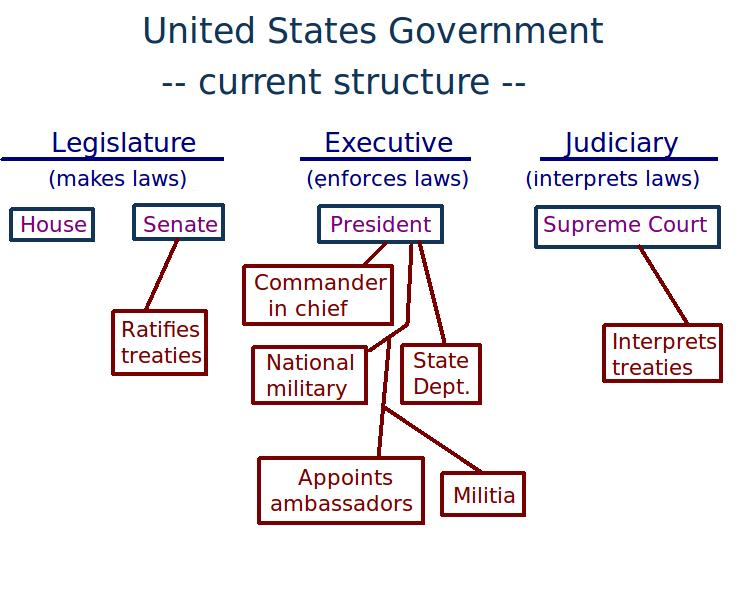
Foreign policy is central to a country's role within the world economy and international trade, encompassing trade agreements, foreign aid, and management of imports and exports. Defensive foreign policy ensures national security through military alliances, soft power, isolation, or war, and in the 21st century has expanded to address global terrorism. Many states have developed humanitarian programs under the responsibility to protect, with liberal internationalists believing stronger countries should assist less powerful ones. The study of foreign policy considers why and how states interact, with schools of thought including the rational actor model, government bargaining model, and organizational process model.
Think tanks such as the Council on Foreign Relations and Chatham House study foreign policy specifically. The influence of power and national capabilities shapes foreign policy: superpowers project influence globally, great and middle powers have moderate influence, and small powers often support multilateral organizations due to fewer resources. Political institutions also play a role—democracies are influenced by public opinion and are believed less likely to fight one another, while autocratic states may depend heavily on a dictator's preferences and be less predictable.
Frequently Asked Questions
What is foreign policy in government and public administration?
Foreign policy is the full set of strategies a nation employs when engaging with other countries, international organizations, and global unions. It spans military defense, trade negotiations, and humanitarian assistance, serving as the bridge between a state's internal government and the wider world.
What are the core objectives of a state's foreign policy?
The primary goals typically include safeguarding national security from external threats, advancing the country's economic interests abroad, and providing humanitarian assistance to other nations. These three pillars guide most diplomatic and strategic decision-making.
What factors influence how a country shapes its foreign policy?
Domestic political dynamics, the actions and postures of other nations, and broader geopolitical calculations all play significant roles. No single factor dominates; states must balance internal pressures with external realities when crafting their external strategies.
What analytical models are used to study foreign policy?
Scholars commonly apply the rational actor model, the government bargaining model, and the organizational process model to explain state behavior. Each framework highlights a different mechanism—individual decision-making, internal political negotiation, or institutional routines—behind a nation's external actions.
More in Government & Public Administration
Sources
Compiled from Wikipedia and the sources listed below. Text from Wikipedia is available under CC BY-SA 4.0; this entry is adapted from it.
- Wikipedia: Foreign policy (CC BY-SA 4.0).
Spotted an error? Know more?
Reader corrections go straight into our review queue. Suggest an edit · How this site is sourced