
Fiscal policy
Government use of taxation and spending to influence the economy.
Last updated

Pramathanath Bandyopadhyay · Public domain
Fiscal policy is the use of government revenue collection (taxes or tax cuts) and expenditure to influence a country's economy. It developed in reaction to the Great Depression of the 1930s, when the previous laissez-faire approach to economic management became unworkable, and is based on the theories of British economist John Maynard Keynes. Fiscal policy, along with monetary policy, is a key strategy used by a government and central bank to advance economic objectives such as targeting inflation and increasing employment.
Quick Facts
- Field
- Economics and political science
- Known for
- Use of government revenue and expenditure to influence macroeconomic variables
- Based on
- Keynesian economics
- Key instruments
- Taxation, government spending
- Distinguished from
- Monetary policy
Facts from the source article.
Lore & Background
Fiscal policy involves changes in the level and composition of taxation and government spending, which can affect aggregate demand, saving and investment, income distribution, and allocation of resources. It is distinguished from monetary policy, which deals with the money supply and interest rates and is often administered by a central bank.
Fiscal policy is typically administered by a government department. Since the 1970s, monetary policy was seen as having some benefits over fiscal policy due to reduced political influence, but the recession of the 2000s decade showed monetary policy limitations, such as a liquidity trap where interest rate cuts are insufficient. The relative effectiveness of fiscal versus monetary policy remains a subject of debate among economists, with some arguing for a combination of both depending on economic conditions.
Reader's Guide
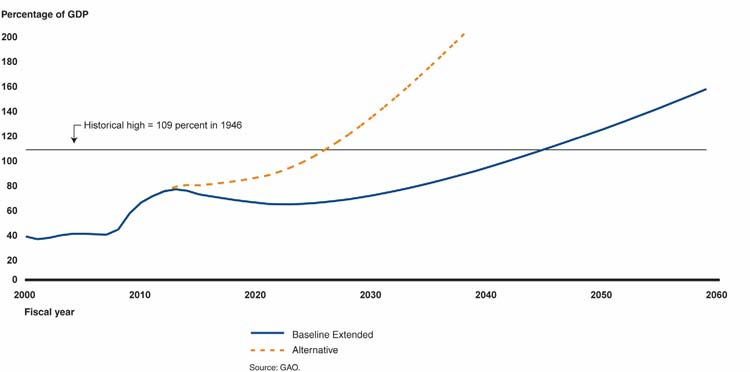
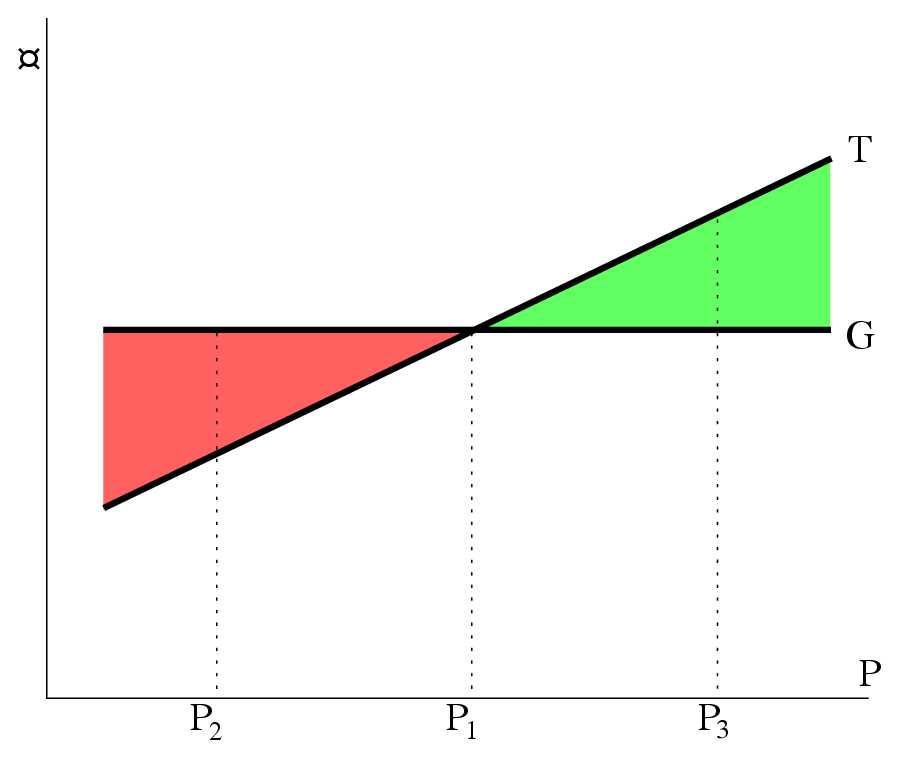
Fiscal policy's significance lies in its role as a primary tool for stabilizing an economy over the business cycle. It can be expansionary (increasing government spending or cutting taxes during recessions) or contractionary (increasing taxes or decreasing spending to slow inflation). A neutral stance occurs when the economy is neither in recession nor expansion. A 2000 survey of American Economic Association members found 84 percent agreed fiscal policy has a significant stimulative impact on a less than fully employed economy, but 71 percent agreed activist fiscal policy should be avoided.

By 2011, the latter consensus had dissolved and was roughly evenly disputed. Fiscal policy is funded through taxation, seigniorage, borrowing, dipping into fiscal reserves, sale of fixed assets, or selling equity. A fiscal deficit is often funded by issuing bonds, and a fiscal surplus may be saved for future use. The concept of a balanced budget amendment suggests strict constraints on government spending and borrowing, though the US federal government's borrowing cap is not a meaningful constraint as it can be raised.

Frequently Asked Questions
What is fiscal policy?
Fiscal policy is the way a government adjusts its tax collection and public spending to steer the broader economy. It sits at the crossroads of economics and political science as a core tool of macroeconomic management.
What are the main instruments of fiscal policy?
The two primary levers are taxation—raising or cutting taxes—and government spending—increasing or reducing public expenditure. These concrete budget decisions are how a government translates economic intent into action.
Where did fiscal policy come from historically?
It emerged in the 1930s as a direct response to the Great Depression, when the old hands-off, laissez-faire approach to managing economies clearly broke down. Its intellectual foundation rests on the theories of British economist John Maynard Keynes.
How is fiscal policy different from monetary policy?
Fiscal policy is controlled by a national government through its budget choices on taxes and spending, whereas monetary policy is managed by a central bank using tools like interest rates and money supply. Both aim at goals such as stable inflation and full employment, but they operate through entirely separate institutions.
Why does fiscal policy matter for a country's economy?
It gives a government a direct lever to stimulate growth during downturns or cool an overheating economy. Alongside monetary policy, it is one of the two principal strategies a government and its central bank use to target objectives like controlling inflation and boosting employment.
More in Government & Public Administration
Sources
Compiled from Wikipedia and the sources listed below. Text from Wikipedia is available under CC BY-SA 4.0; this entry is adapted from it.
- Wikipedia: Fiscal policy (CC BY-SA 4.0).
Spotted an error? Know more?
Reader corrections go straight into our review queue. Suggest an edit · How this site is sourced