Mercedes Sosa
Argentine folk singer and voice of the voiceless.

Guaiquerí · CC BY-SA 4.0
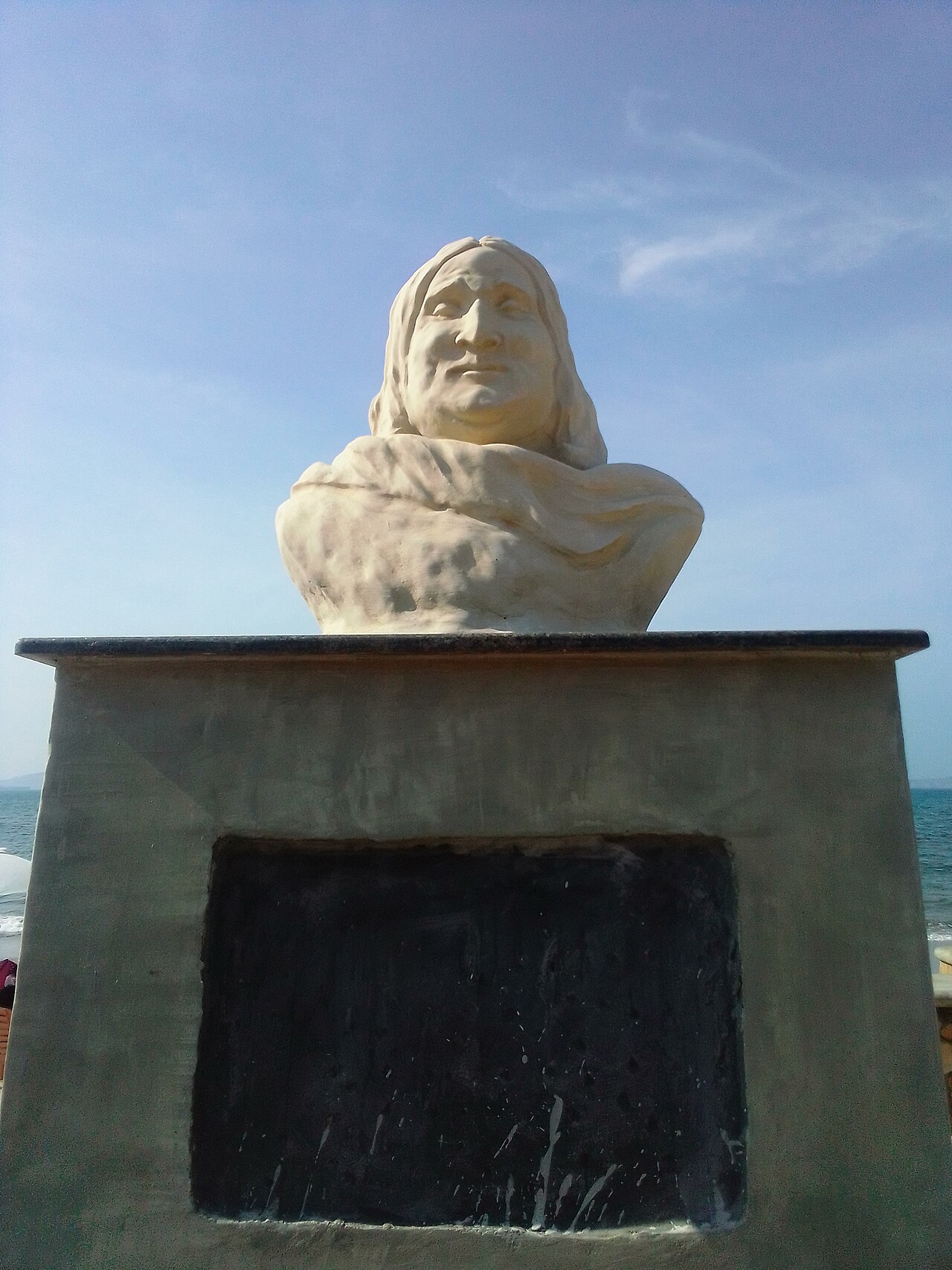
Haydée Marta Mercedes Sosa Girón, known as Mercedes Sosa, was an Argentine singer who gained popularity throughout Latin America and many other countries. Rooted in Argentine folk music, she became a leading figure of the nuevo cancionero movement and was often called 'the voice of the voiceless ones' and 'the conscience of Latin America.'
- known_for
- Exponent of nuevo cancionero; voice of the voiceless; UNICEF Goodwill Ambassador
Quick Facts
- Birth Name
- Haydée Marta Mercedes Sosa Girón
- Birth Date
- 1935-07-09
- Birth Place
- San Miguel de Tucumán, Tucumán, Argentina
- Death Date
- 2009-10-04
- Death Place
- Buenos Aires, Argentina
- Occupation
- Singer
- Years Active
- 1950–2009
Facts from the source article.
Lore & Background
Mercedes Sosa was born on 9 July 1935 in San Miguel de Tucumán, Argentina, of French, Spanish, and Diaguita descent. Her nickname 'la Negra' referenced her indigenous heritage. She began her career singing for the Peronist Party under the name Gladys Osorio. In 1950, at age fifteen, she won a radio singing competition and recorded her first album, La voz de la zafra, in 1959. A performance at the 1965 Cosquín National Folklore Festival, where she was brought on stage by Jorge Cafrune, brought her to national attention. With her first husband, Manuel Oscar Matus, she was key to the nuevo cancionero movement. In the late 1960s, she built audiences in Europe and Buenos Aires, and toured the United States and Europe in 1967. In the early 1970s, she released concept albums with Ariel Ramírez and Félix Luna, and recorded a tribute to Violeta Parra including 'Gracias a la vida.' She popularized songs by Milton Nascimento, Pablo Milanés, and Silvio Rodríguez. After the 1976 military coup, she faced death threats and was arrested on stage in La Plata in 1979. Banned in Argentina, she moved to Paris and then Madrid. She returned in February 1982, before the regime collapsed, and gave concerts at the Teatro Ópera in Buenos Aires. She performed at Lincoln Center, Théâtre Mogador, the Sistine Chapel, and Carnegie Hall. She was a UNICEF Goodwill Ambassador and co-chair of the Earth Charter International Commission.
Reader's Guide
Mercedes Sosa's significance lies in her role as a preeminent exponent of the nuevo cancionero movement, giving voice to songs by many Latin American songwriters and becoming a symbol of social conscience. Her career spanned four decades, during which she performed at major venues worldwide and won six Latin Grammy awards, including a Lifetime Achievement Award in 2004 and two posthumous awards. She served as a UNICEF ambassador and was a UNESCO Goodwill Ambassador. Despite being banned and exiled by Argentina's military regime, she returned and continued to tour. She supported leftist causes and Perón, but disliked being called a protest singer, emphasizing that poetry matters most. Her legacy includes collaborations across genres and generations, and her song 'Balderrama' appeared in the 2008 film Che. She died on 4 October 2009 from multiple organ failure, and her body lay in state at the National Congress building in Buenos Aires.
Did You Know?
- She won a singing competition at age 15 and recorded her first album in 1959.
- She was arrested on stage in La Plata in 1979 and later banned from performing in Argentina.
- She performed at the Sistine Chapel in Vatican City in 1994.
- Her song 'Balderrama' was featured in the 2008 movie Che.
From Tucumán to the Stage
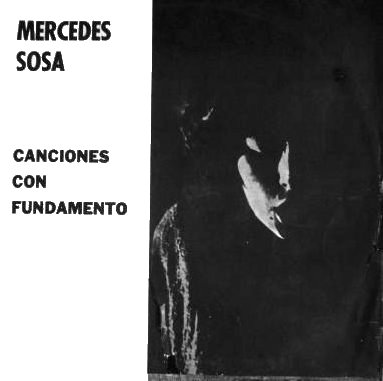
Mercedes Sosa was born Haydée Marta Mercedes Sosa Girón on 9 July 1935 in San Miguel de Tucumán, in northwestern Argentina. Her ancestry blended French, Spanish, and Diaguita heritage, and the nickname "la Negra"—a common Argentine term for those of darker complexion—spoke to that indigenous lineage. Her parents, a day laborer and a washerwoman, held Peronist sympathies but never formally registered with the party. Sosa herself first sang for the Peronist Party in Tucumán under the stage name Gladys Osorio. At fifteen, in 1950, she won a singing contest organized by a local radio station and was handed a two-month performance contract. Her debut album, La voz de la zafra, followed in 1959. The moment that catapulted her into the national consciousness arrived at the 1965 Cosquín National Folklore Festival, when fellow folk singer Jorge Cafrune lifted her from her seat in the audience and brought her to the stage. Together with her first husband, Manuel Oscar Matus, and their son, Sosa became a central figure in the mid-1960s nueva canción movement, called nuevo cancionero in Argentina. Her second record, Canciones con Fundamento, collected Argentine folk songs and cemented her artistic identity.
Persecution, Exile, and Return
When the military junta under Jorge Videla seized power in 1976, the climate in Argentina turned sharply oppressive. Sosa received death threats aimed at herself and her family, yet she refused to abandon her country for years. At a 1979 concert in La Plata, she was searched and arrested on stage, and every person in the audience was detained as well. Their eventual release came only through international pressure. The regime then officially banned her from performing, and she fled first to Paris and then to Madrid. She later spoke openly about the artistic and emotional toll of those years. In exile she released the album A quien doy in 1981, which featured "Cuando me acuerdo de mi país," a song written by Chilean singer-songwriter Patricio Manns while he too was in political exile. In a New York Times interview, Sosa described the period as "a mental problem, a problem of morale…It wasn't my throat, or anything physical." She returned to Argentina in February 1982, just months before the junta fell amid the Falklands War. She staged a series of concerts at the Teatro Ópera in Buenos Aires, inviting younger colleagues to share the stage. The resulting double album, Mercedes Sosa en Argentina, became an instant best seller. She also performed in her home province of Tucumán, though mainstream media largely overlooked those shows.
A Global Stage and a Growing Repertoire
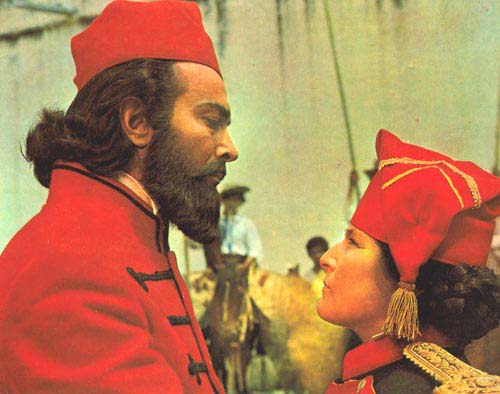
By the late 1960s, Sosa had built a devoted following in Europe and among Buenos Aires's cosmopolitan middle class, outshining many of her peers. A 1967 tour of the United States and Europe proved a major success, and from then on she broadened her repertoire to include songwriters from across Latin America. In the early 1970s she produced two concept albums with composer Ariel Ramírez and lyricist Félix Luna—Cantata sudamericana and Mujeres argentinas—and recorded a 1971 tribute to Chilean artist Violeta Parra that featured what became one of her signature pieces, "Gracias a la vida." She also brought wider attention to Brazilian composer Milton Nascimento and Cuban songwriters Pablo Milanés and Silvio Rodríguez. Albums like Hasta la Victoria (1972) and Traigo un Pueblo en mi Voz (1973) carried politically charged songs such as "Cuando tenga la tierra," which confronted wealth and land inequality. She appeared in two films by director Leopoldo Torre Nilsson, portraying guerrilla leader Juana Azurduy de Padilla in Güemes, la tierra en armas (1971). Her later years saw her perform in the Sistine Chapel in 1994, and in 2002 she sold out both Carnegie Hall in New York and the Roman Colosseum in the same year. Across a four-decade career she earned six Latin Grammy Awards, a Lifetime Achievement honor in 2004, two posthumous Best Folk Album prizes, and Argentina's Premio Gardel in 2000.
Conscience of a Continent
Throughout her life, Sosa was recognized as a political voice as much as a musical one. Hailed as the "voice of the voiceless ones" and often called "the conscience of Latin America," she gave voice to songs written by countless Latin American songwriters and became one of the preeminent exponents of the nuevo cancionero movement. Her political commitments ran deep: a lifelong supporter of Perón and leftist causes, she backed President Raúl Alfonsín in the 1983 election that restored democracy, a moment she called "Argentina's Spring." She opposed Carlos Menem during his tenure from 1989 to 1999 and later supported Néstor Kirchner's 2003 presidential campaign. Beyond music, she served as a UNICEF ambassador and as a UNESCO Goodwill Ambassador for Latin America and the Caribbean. Her career spanned four decades, and her influence extended well beyond the region, with performances in venues from New York's Lincoln Center to Paris's Théâtre Mogador. She passed away on 4 October 2009, but her posthumous Latin Grammy wins in 2009 and 2011 for Best Folk Album confirmed that her voice continued to resonate long after her final note.
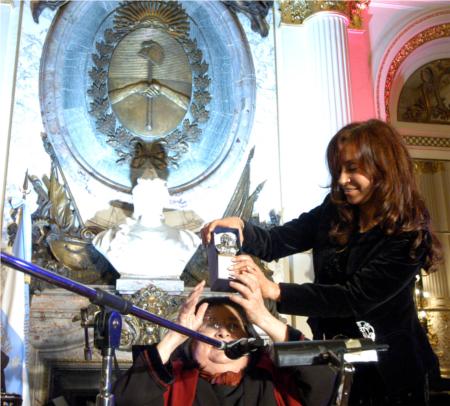
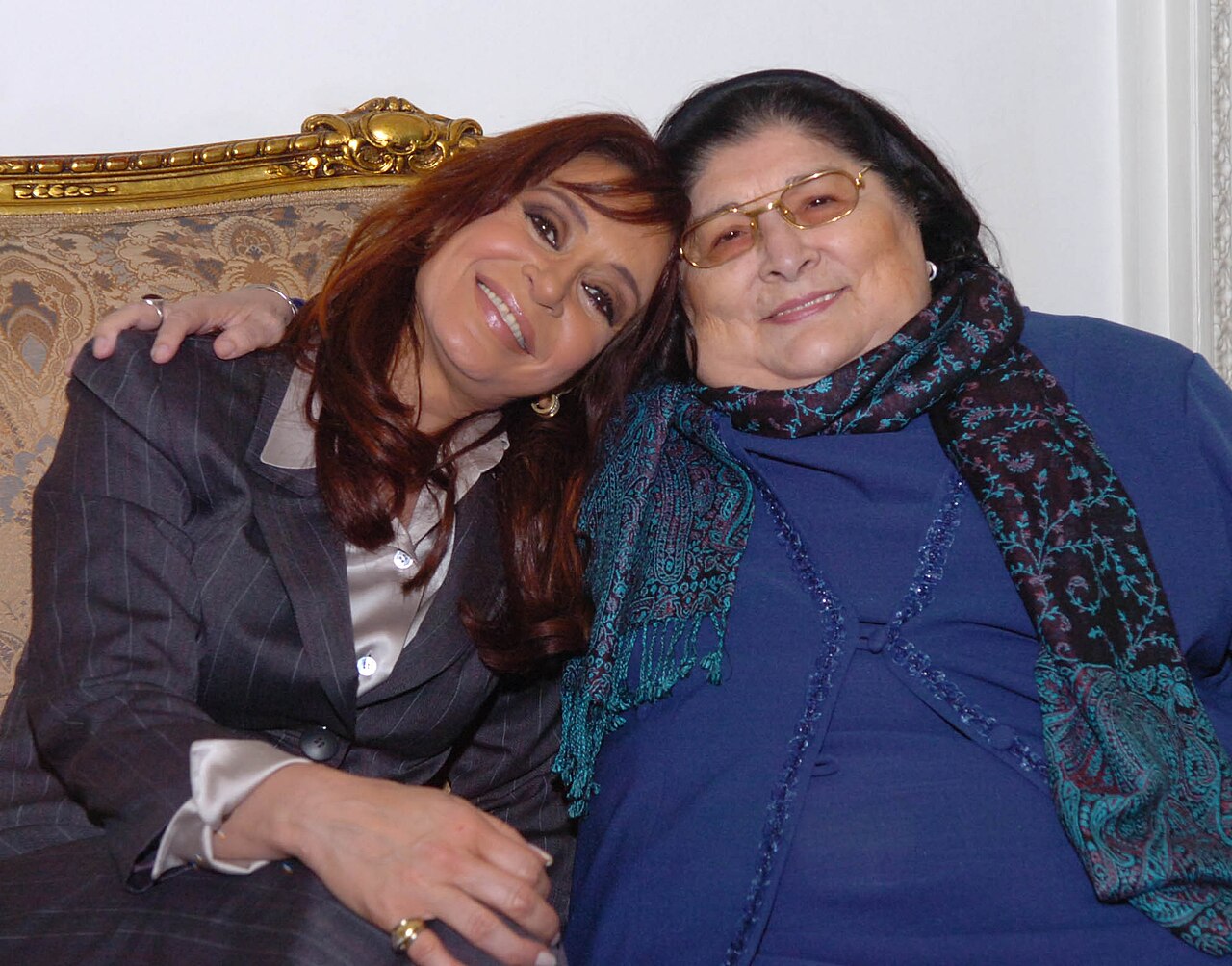
Gallery
Frequently Asked Questions
Who is Mercedes Sosa?
Mercedes Sosa (born Haydée Marta Mercedes Sosa Girón) was an Argentine singer whose folk music career made her one of the most widely recognized artists across Latin America and the broader world.
What was Mercedes Sosa's role in Latin American music?
She became a defining figure of the nuevo cancionero movement, weaving Argentine folk traditions into songs that carried sharp social and political commentary.
Why was Mercedes Sosa called "the voice of the voiceless"?
The nickname captured her lifelong habit of amplifying the stories of the poor, the oppressed, and marginalized communities who had no platform of their own.
What political stance was Mercedes Sosa known for?
She was widely regarded as the conscience of Latin America, openly opposing military dictatorships and championing human rights throughout her career.
What legacy did Mercedes Sosa leave behind?
Beyond her recordings, she served as a UNICEF Goodwill Ambassador and continues to stand as a symbol of music wielded as a tool for social justice across the Spanish-speaking world.
More in Global Pop & Folk Legends 1-24
Spotted an error? Know more?
This is a living reference — every entry is fact-audited, and reader corrections feed straight into our audit queue. Suggest an edit · See this site's audit record