Machito
Latin jazz musician who shaped Afro-Cuban jazz and Cubop.

The Library of Congress · Public domain
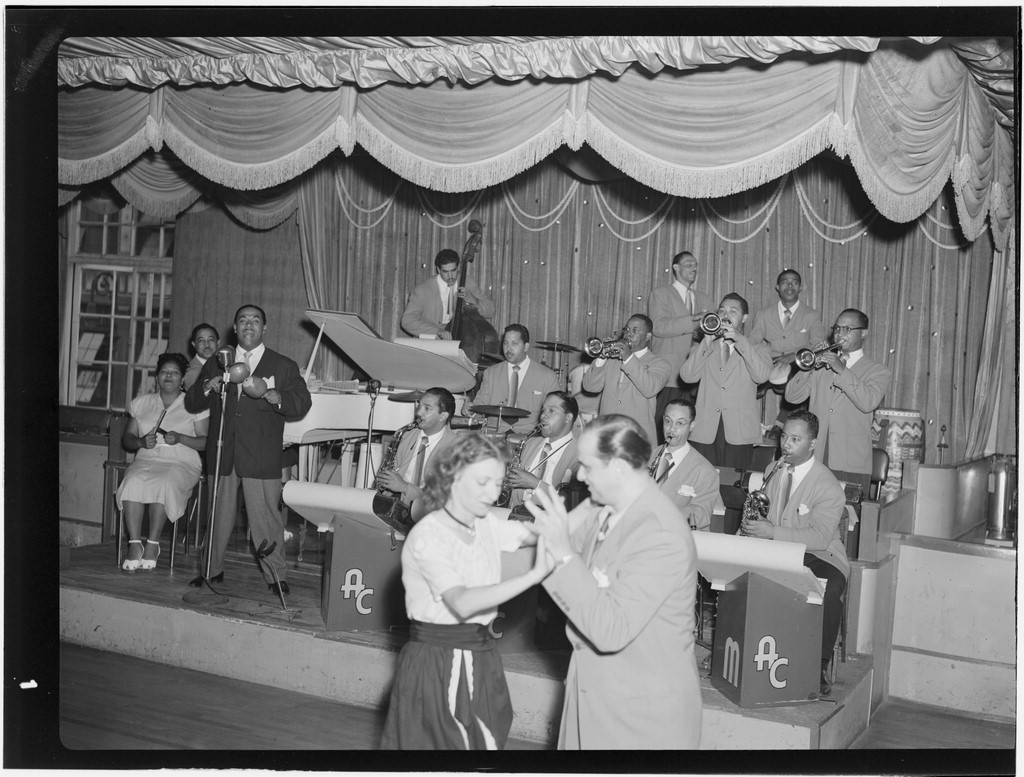
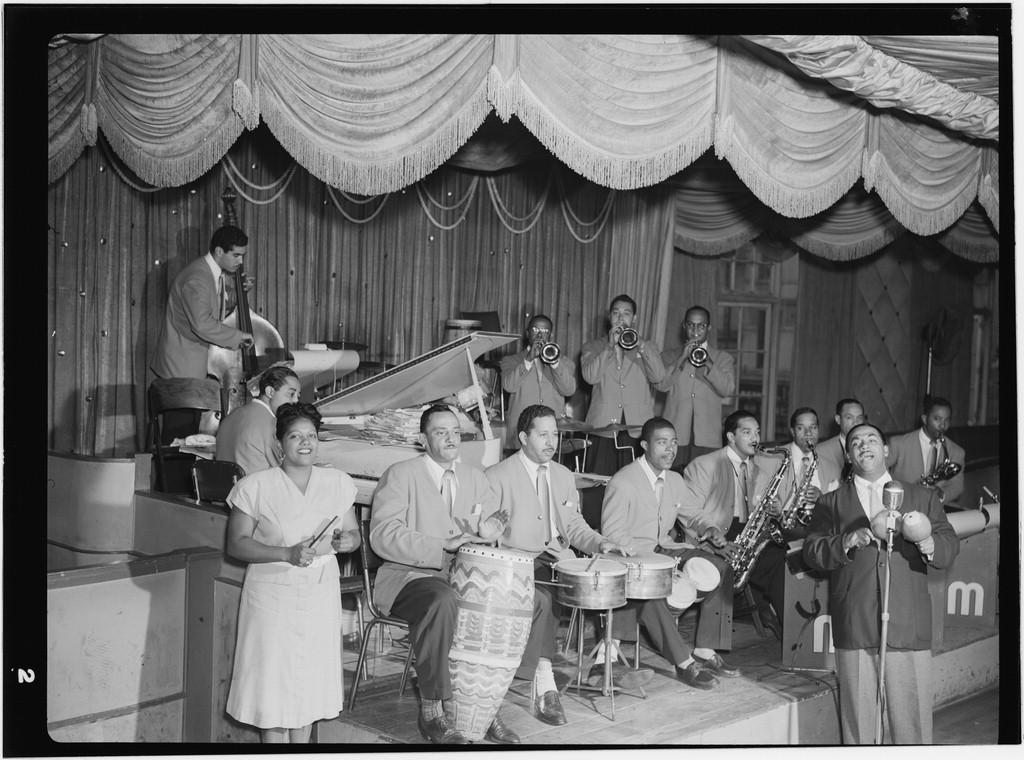
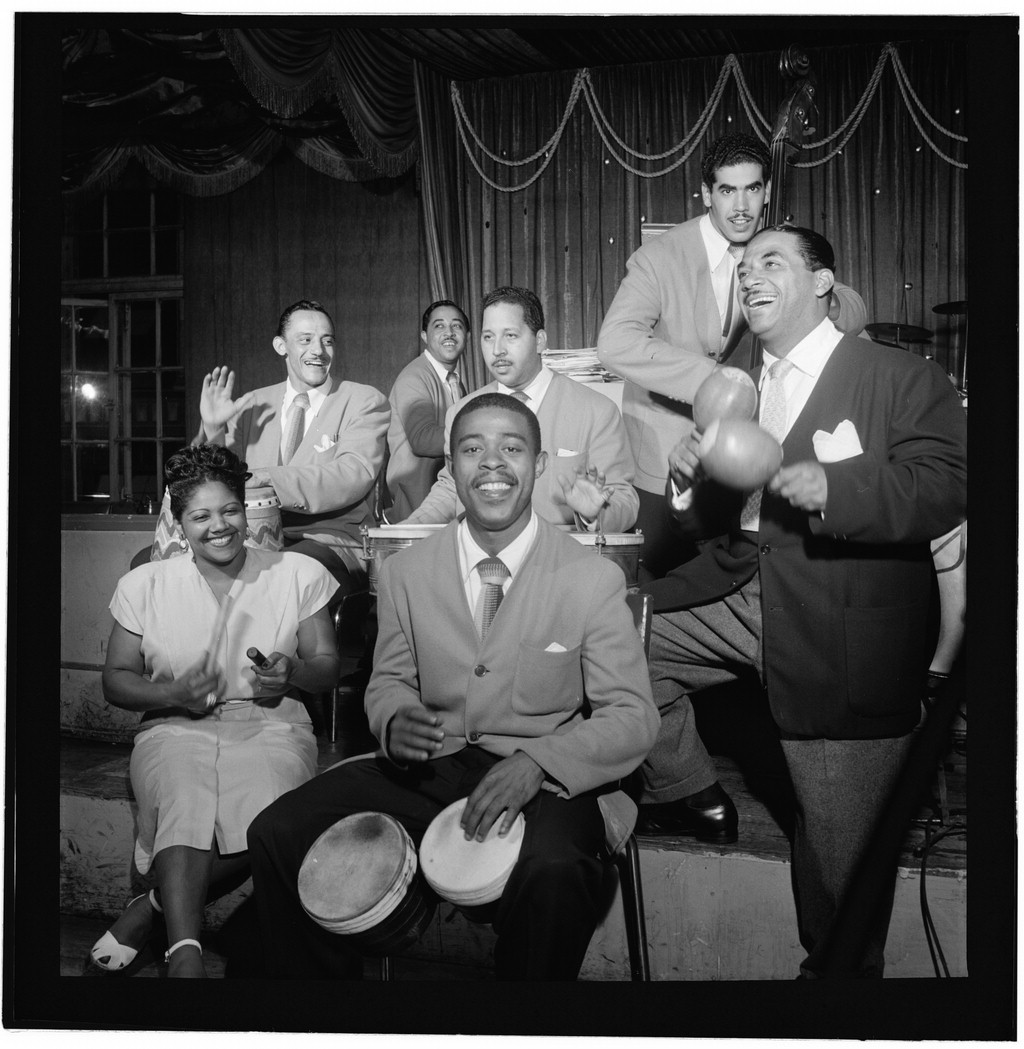
Machito (born Francisco Raúl Gutiérrez Grillo; December 3, 1909 – April 15, 1984) was a Latin jazz musician who was instrumental in shaping Afro-Cuban jazz, Cubop, and salsa. He grew up in Havana alongside his foster sister, the singer Graciela. In 1940, he founded the Afro-Cubans in New York City, with Mario Bauzá serving as musical director, blending Cuban rhythms with big band arrangements.
His early life is murky: Machito gave contradictory accounts of his birth, sometimes claiming Havana, other times Tampa, Florida, with possible birth years ranging from 1908 to 1915. What is certain is that he was fostered in Havana’s Jesús María district, where Graciela was born in 1915. Nicknamed “Macho” as a child for being the first son after three daughters, he began playing professionally in Cuba between 1928 and 1937.
Moving to New York in 1937 as a vocalist with Las Estrellas Habaneras, Machito worked with artists like Xavier Cugat before launching the Afro-Cubans in 1940. Their debut performance took place on December 3, 1940, at the Park Palace Ballroom in Harlem, following rehearsals in late 1940. The band featured a big band brass section backed by trap drums, piano, bass, and Cuban bongos. Bauzá joined as musical director in early 1941, a role he held for 34 years. The group’s early hit “Sopa de Pichon” (1941) was a slang joke about immigrant poverty.
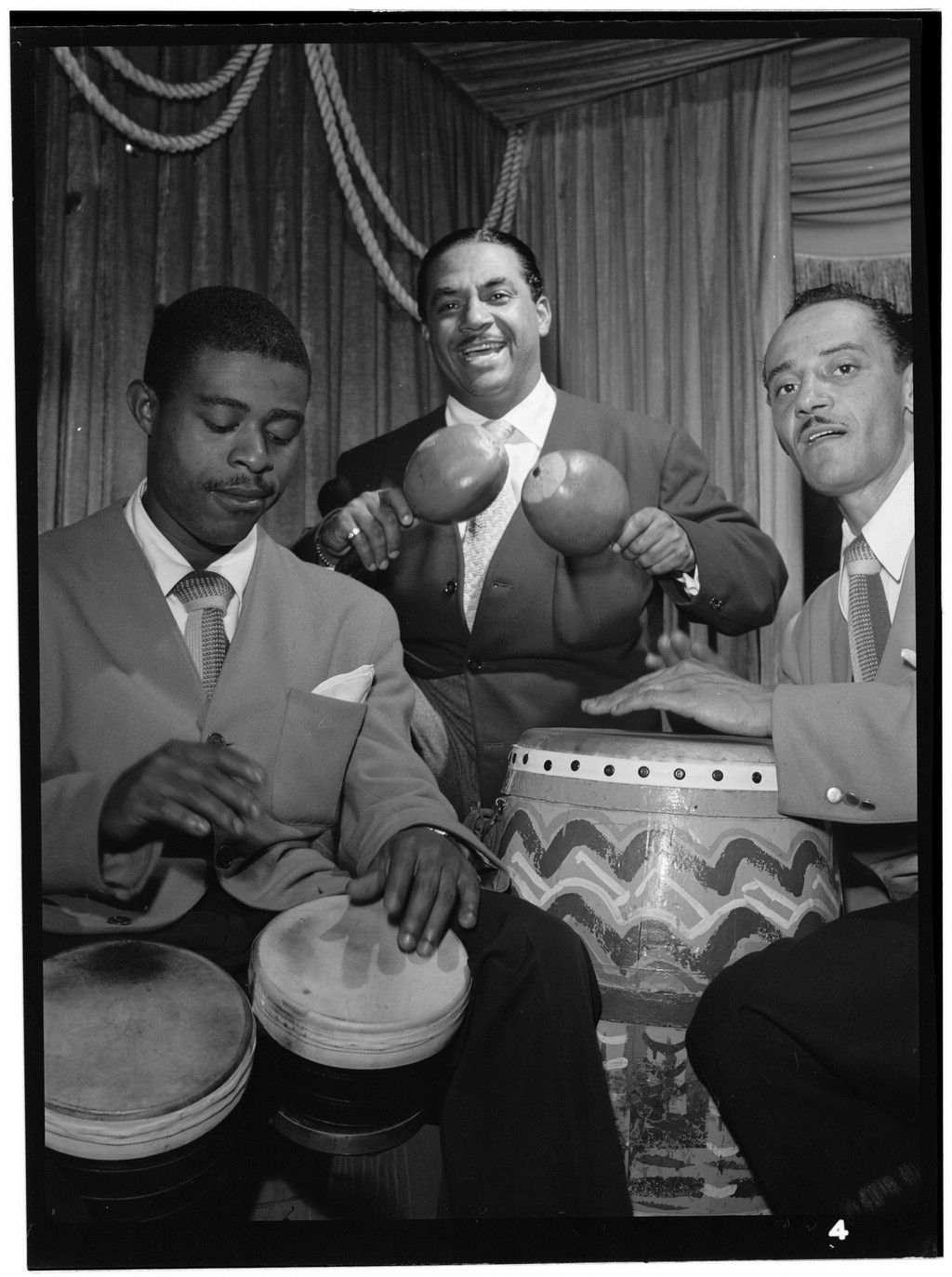
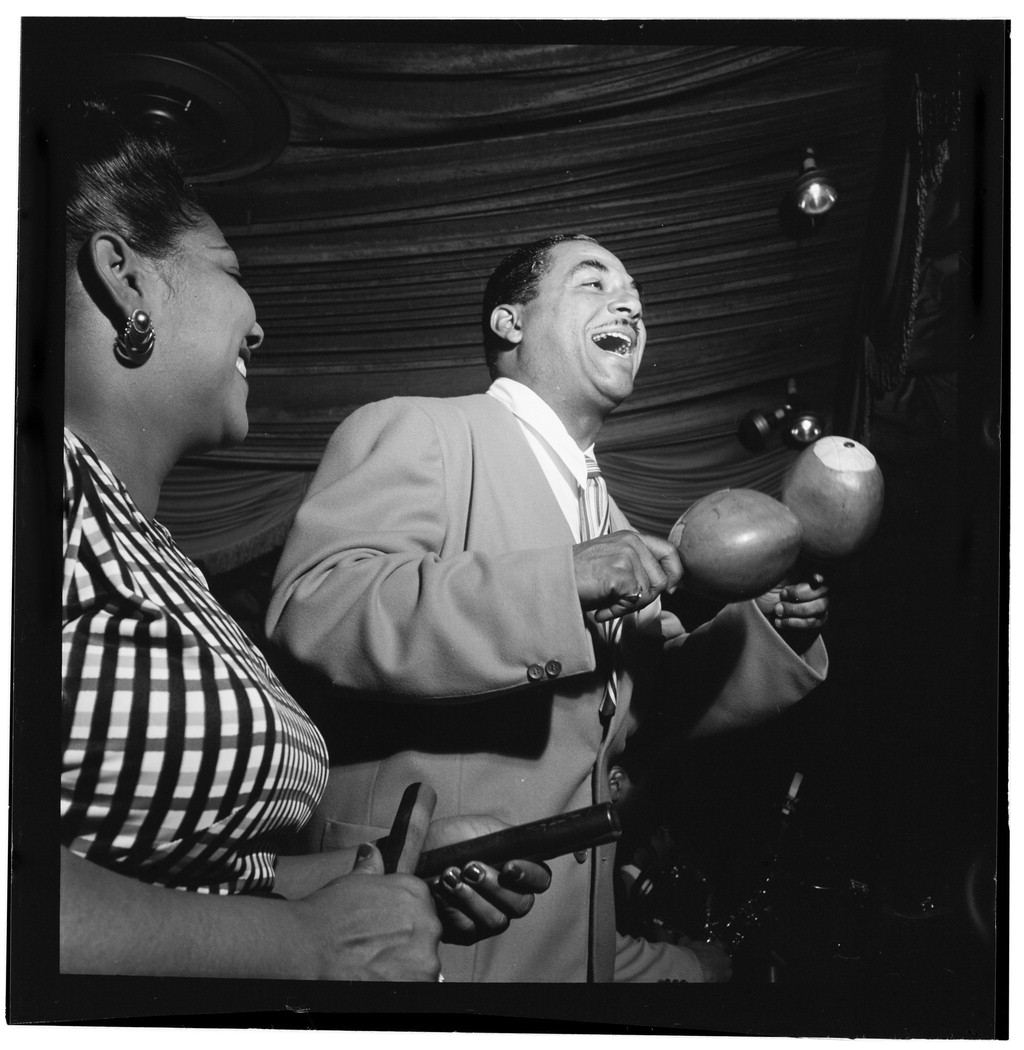
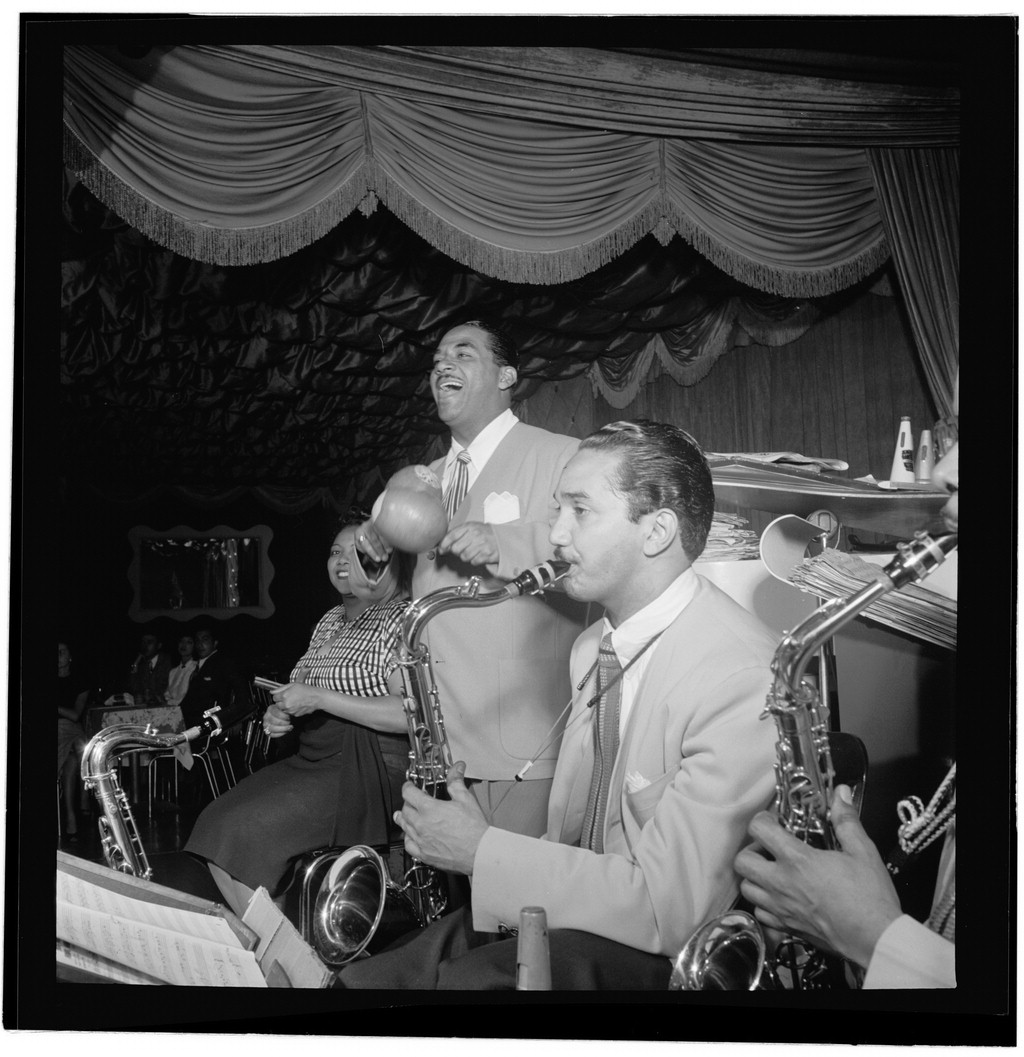
Machito and the Afro-Cubans were pioneers in fusing Afro-Cuban rhythms with jazz improvisation and big band arrangements. Machito fronted the band and played maracas, while Bauzá shaped its sound. Bauzá, who married Machito’s sister Estela, brought in jazz-oriented arrangers after original arranger José “Pin” Madera was drafted in World War II. This fusion influenced jazz giants like Dizzy Gillespie, Charlie Parker, and Stan Kenton, who even recorded a tune called “Machito” in 1947.
Drafted into the U.S. Army in 1943, Machito served until 1945; the circumstances of his discharge, including a reported leg injury, are not consistently verified in major biographies. During his absence, Bauzá brought Graciela from Havana to lead the Afro-Cubans. She stayed on, alternating solos and creating duets with Machito, playing claves alongside his maracas. Teenager Willie Bobo helped move gear to gigs in Upper Manhattan, borrowing bongos to play with the band when union leaders weren’t watching; Machito later helped h
- born
- December 3, 1909 (disputed; also reported as 1908, 1912, or 1915; place disputed between Havana and Tampa)
- died
- April 15, 1984
- field
- Latin jazz, Afro-Cuban jazz, Cubop, salsa
- nationality
- Cuban or American of Cuban ancestry (disputed)
- known_for
- Founding the Afro-Cubans, refining Afro-Cuban jazz, influencing Cubop and salsa
Quick Facts
- Birth Name
- Francisco Raúl Gutiérrez Grillo
- Birth Date
- c. mf=yes · 1909 · 12 · 3
- Alias
- Frank Grillo
- Origin
- Havana, Cuba
- Instrument
- Singing / maracas
- Genre
- Latin jazz / Cubop
- Death Date
- mf=yes · 1984 · 4 · 15 · 1909 · 12 · 3
- Death Place
- London
- Years Active
- 1928–1984
- Past Member Of
- Afro-Cubans
Facts from the source article.
Lore & Background
Machito gave conflicting accounts of his birth, sometimes saying he was a native Cuban from Havana, other times placing his birth in Tampa, Florida. He was fostered from an early age in the Jesús María district of Havana, where Graciela was born on August 23, 1915; her parents raised both of them. Young Francisco Raúl Gutiérrez Grillo, the biological son of a cigar manufacturer, was nicknamed 'Macho' as a child because he was the first son born after three daughters. In his teens and twenties in Cuba, he became a professional musician, playing in several ensembles from 1928 to 1937.
Macho moved to New York City in 1937 as a vocalist with Las Estrellas Habaneras. After an earlier attempt to launch a band with Mario Bauzá, in 1940 he founded the Afro-Cubans, conducting their first rehearsal on December 3 at the Park Palace Ballroom. The band had an early hit with 'Sopa de Pichon' in 1941. Machito was the front man and maraca player, while Bauza determined the character of the band as musical director. During World War II, Machito was drafted into the U.S. Army in April 1943 but was discharged in October after a leg injury. Graciela served as lead singer during his absence and later alternated solos and duets with him.
In 1975, Machito changed to a smaller eight-piece ensemble format, touring Europe extensively. Mario Grillo, Machito's son, took over as musical director in 1977, and Machito's daughter Paula Grillo carried female lead vocals. Machito received a Grammy Award in 1983, one year before he died.
Reader's Guide
Machito's music had an effect on the careers of many musicians who played in the Afro-Cubans over the years, and on those who were attracted to Latin jazz after hearing him. George Shearing, Dizzy Gillespie, Charlie Parker, Cab Calloway and Stan Kenton credited Machito as an influence. Machito and the Afro-Cubans were among the first to fuse Afro-Cuban rhythms with jazz improvisation and arrangements for a big band. His music greatly inspired such U.S. jazz musicians as Gillespie, Parker and Kenton; Kenton even composed an idiomatic Afro-Cuban number titled 'Machito'. Machito named the style Cubop when he recorded an arrangement of Bauza's 'Tanga' with the new title 'Cubop City' in 1948. He played Carnegie Hall on February 11, 1949, on a bill including Duke Ellington, Lester Young, Bud Powell and Coleman Hawkins. His album Kenya (1957) was named by Robert Dimery in his book 1001 Albums You Must Hear Before You Die. An intersection in East Harlem is named 'Machito Square' in his honor.
Did You Know?
- Machito gave conflicting accounts of his birth, sometimes saying he was a native Cuban from Havana, other times placing his birth in Tampa, Florida.
- He was fostered from an early age in the Jesús María district of Havana, where his foster sister Graciela was born on August 23, 1915.
- Machito's son Mario Grillo, known as 'Machito Jr', joined the band in 1975 and took over as musical director in 1977.
- An intersection in East Harlem is named 'Machito Square' in his honor.
Pioneering the Timbales in Salsa
The traditional son cubano ensemble was built around bongos, bass, tres, a single trumpet, and smaller hand percussion such as claves, güiro, or maracas, with the singers often handling those smaller instruments, and occasionally a piano joining in. Arsenio Rodríguez later broadened this configuration by introducing a full horn section and tumbadoras, also known as congas. Machito's band took the next step in this evolutionary chain by becoming the first to experiment with the timbales, a set of drums that added a new percussive dimension to the group's sound. That single decision proved transformative. Over the following years, the trio of bongos, congas, and timbales crystallized into the standard percussion foundation for most salsa bands. Machito's early willingness to integrate the timbales into the ensemble's rhythmic framework helped define the drumming architecture that would characterize the genre for generations. His contribution was not a hit song or a famous recording but a structural innovation that became so embedded in the music that it is now regarded as simply part of how salsa sounds.
A Skeptic of the Salsa Label
When the word salsa began circulating in the early 1970s as a commercial umbrella for Caribbean music, Machito was openly dismissive of the branding. He maintained that there was nothing new about the genre, insisting it was simply the same music that had been performed in Cuba for more than fifty years. His skepticism placed him alongside other established artists like Tito Puente, who dismissed the term entirely, and Cuban musicologist Mayra Martínez, who argued the label served to obscure the music's Cuban roots and benefit record companies seeking hegemony over the market. For Machito, the name felt like a marketing construct rather than a genuine musical category. Yet the commercial momentum behind the term was overwhelming. The marketing potential was so substantial that even Machito, along with Puente and musicians still working in Cuba, ultimately embraced the terminology as a financial necessity. His reluctant acceptance captures the broader tension between artistic identity and commercial reality that defined the era, a tension musicians on both sides of the Atlantic had to navigate as their music was packaged, promoted, and sold under a single marketable name.
The New York Salsa Scene of the 1970s
In the 1970s, New York City became the gravitational center for self-identified salsa bands, predominantly assembled by Puerto Rican, Cuban, and Dominican musicians. Machito stood among the most prominent figures in this movement, working alongside names like Celia Cruz, Willie Colón, Rubén Blades, Johnny Pacheco, and Héctor Lavoe. The musical foundation they drew upon was the late son montuno tradition established by Arsenio Rodríguez, Conjunto Chappottín, and Roberto Faz. This was a period when Nuyorican and Puerto Rican musicians were radically transforming the genre, introducing aggressive trombone arrangements and lyrical themes rooted in the urban diaspora experience, creating what became known as the Salsa Dura sound. Machito's presence in this scene connected the older Cuban musical heritage with the newer, more assertive New York aesthetic. The city became a crucible where multiple Caribbean traditions—son, rumba, mambo, cha-cha-chá, bolero, and others—were adapted and fused into seamless transitions, producing a genre that would eventually become one of the staples of Hispanic American culture.
Enduring Influence on Salsa Instrumentation
Machito's most tangible and lasting contribution to salsa lies squarely in the realm of percussion. By being the first band to experiment with the timbales, he added a crucial new voice to the ensemble's rhythmic palette. Before his innovation, the son montuno setup—already expanded by Arsenio Rodríguez with horns and congas—relied on bongos, bass, tres, trumpet, and smaller hand percussion like claves, güiro, or maracas. The introduction of timbales created a more powerful and versatile drumming foundation that could drive the music with greater force and nuance. Over the decades that followed, the trio of bongos, congas, and timbales became the standard percussion configuration in most salsa bands worldwide. This means that virtually every salsa performance since the 1970s carries the imprint of Machito's early experimentation. His contribution was not a single composition or a celebrated recording but a structural change to the instrumentation itself, one so fundamental that it is now taken for granted as part of the genre's very DNA.
Gallery
Frequently Asked Questions
Who is Machito?
Machito, born Francisco Raúl Gutiérrez Grillo in 1909, was a Cuban-American Latin jazz musician who helped define Afro-Cuban jazz, Cubop, and salsa. He is most widely recognized for founding the Afro-Cubans big band in New York City in 1940.
What was the Afro-Cubans band?
The Afro-Cubans was a New York–based big band that Machito co-founded in 1940 under musical director Mario Bauzá. The ensemble was notable for weaving Cuban rhythmic patterns into the framework of American big band jazz.
Where was Machito born?
Machito's birthplace is genuinely disputed; he himself alternated between claiming Havana, Cuba, and Tampa, Florida. His birth year is similarly uncertain, with sources listing 1908, 1909, 1912, or 1915.
What genres did Machito shape?
Machito's arrangements were a cornerstone of Afro-Cuban jazz and laid groundwork that later musicians drew on for Cubop and salsa. His work demonstrated how African-Cuban percussion could sit comfortably alongside horn sections and swing rhythms.
When did Machito die?
Machito passed away on April 15, 1984, after a career spanning more than four decades in the Latin and jazz worlds. He is remembered as a key bridge between Cuban musical traditions and the broader American big-band scene.
More in Global Pop & Folk Legends 1-24
Spotted an error? Know more?
This is a living reference — every entry is fact-audited, and reader corrections feed straight into our audit queue. Suggest an edit · See this site's audit record