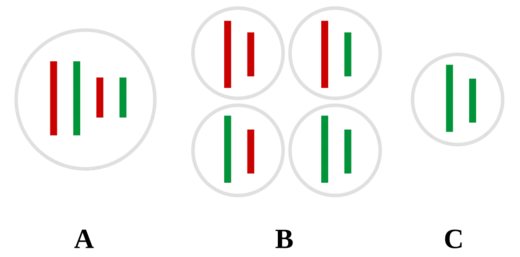
Genome
The complete genetic information of an organism.

A genome is all the genetic information of an organism, consisting of nucleotide sequences of DNA (or RNA in RNA viruses). It includes protein-coding genes, non-coding genes, regulatory sequences, and often a substantial fraction of junk DNA. The study of the genome is called genomics.
- field
- Molecular biology, genetics
- known_for
- First genome sequenced (φX174, 1977); first prokaryote genome (Haemophilus influenzae, 1995); first eukaryotic genome (Saccharomyces cerevisiae, 1996); Human Genome Project draft (2001)
- term_coined_by
- Hans Winkler, 1920
- term_origin
- Blend of gene and chromosome (per Oxford Dictionaries and Online Etymology Dictionary)
Lore & Background
The term genome was created in 1920 by Hans Winkler, professor of botany at the University of Hamburg, Germany. The Oxford Dictionaries and Online Etymology Dictionary suggest the name is a blend of the words gene and chromosome. The first genome to be sequenced was that of the virus φX174 in 1977; the first genome sequence of a prokaryote (Haemophilus influenzae) was published in 1995; the yeast (Saccharomyces cerevisiae) genome was the first eukaryotic genome to be sequenced in 1996. The Human Genome Project was started in October 1990, and the first draft sequences of the human genome were reported in 2001; the finished sequence was completed in 2003.
Reader's Guide
The genome is a foundational concept in molecular biology and genetics, representing the complete set of genetic instructions for an organism. Its study, genomics, has enabled the sequencing of many organisms, from viruses to humans. The term's origin in 1920 predates the molecular era, but the first viral genome sequence in 1977 and subsequent prokaryotic and eukaryotic sequences established the field. The Human Genome Project's draft in 2003 marked a milestone, though the definition of genome remains nuanced: it typically refers to nuclear DNA in eukaryotes, but includes organelle genomes in mitochondria and chloroplasts. Viral genomes can be RNA or DNA, and prokaryotic genomes often include plasmids. The concept of ploidy and the inclusion of sex chromosomes in reference genomes (e.g., one copy of each autosome plus X and Y in humans) are important technical details. Noncoding sequences, including repetitive DNA, make up the majority of many eukaryotic genomes, such as 98% of the human genome.
Did You Know?
- The first genome sequenced was that of the virus φX174 in 1977.
- The term genome was created in 1920 by Hans Winkler.
- Noncoding sequences make up 98% of the human genome.
- The first draft sequences of the human genome were reported in 2001.
Frequently Asked Questions
What is a Genome?
A genome is the complete set of genetic instructions an organism carries, stored as nucleotide sequences in DNA (or RNA in the case of RNA viruses). It includes protein-coding genes, non-coding genes, regulatory regions, and often a large share of what's colloquially called junk DNA.
Who coined the term Genome and when?
Hans Winkler introduced the word in 1920. It is a portmanteau blending the words gene and chromosome, a construction that became the standard label for the concept.
What was the first genome ever fully sequenced?
The tiny bacteriophage φX174 earned that milestone in 1977. The first prokaryotic genome (Haemophilus influenzae) followed in 1995, and the first eukaryotic one (Saccharomyces cerevisiae) in 1996.
What does a genome actually contain besides coding genes?
A genome also carries non-coding genes, regulatory sequences that control when and where genes are expressed, and a substantial fraction of DNA that doesn't appear to produce a clear functional product. The 2001 draft of the Human Genome Project helped highlight just how much of our sequence falls into that last, less-understood category.
What field is dedicated to studying genomes, and why is the Genome considered a foundational concept?
The dedicated discipline is genomics, a branch within molecular biology and genetics. The genome is foundational because it represents the entire informational blueprint from which every trait, cellular function, and evolutionary lineage of an organism ultimately derives.
More in Genetics Fundamentals 1-24
Spotted an error? Know more?
This is a living reference — every entry is fact-audited, and reader corrections feed straight into our audit queue. Suggest an edit · See this site's audit record