Kinect
A motion controller that required no physical handheld device.
Last updated

The Conmunity - Pop Culture Geek from Los Angeles, CA, USA · CC BY 2.0
Kinect was a line of motion-sensing input devices from Microsoft, first released in 2010 and later discontinued. The hardware typically included RGB cameras, infrared projectors, and detectors that mapped depth using structured light or time-of-flight calculations. This allowed for real-time gesture recognition and body skeletal detection, among other features. Built-in microphones also enabled speech recognition and voice control.
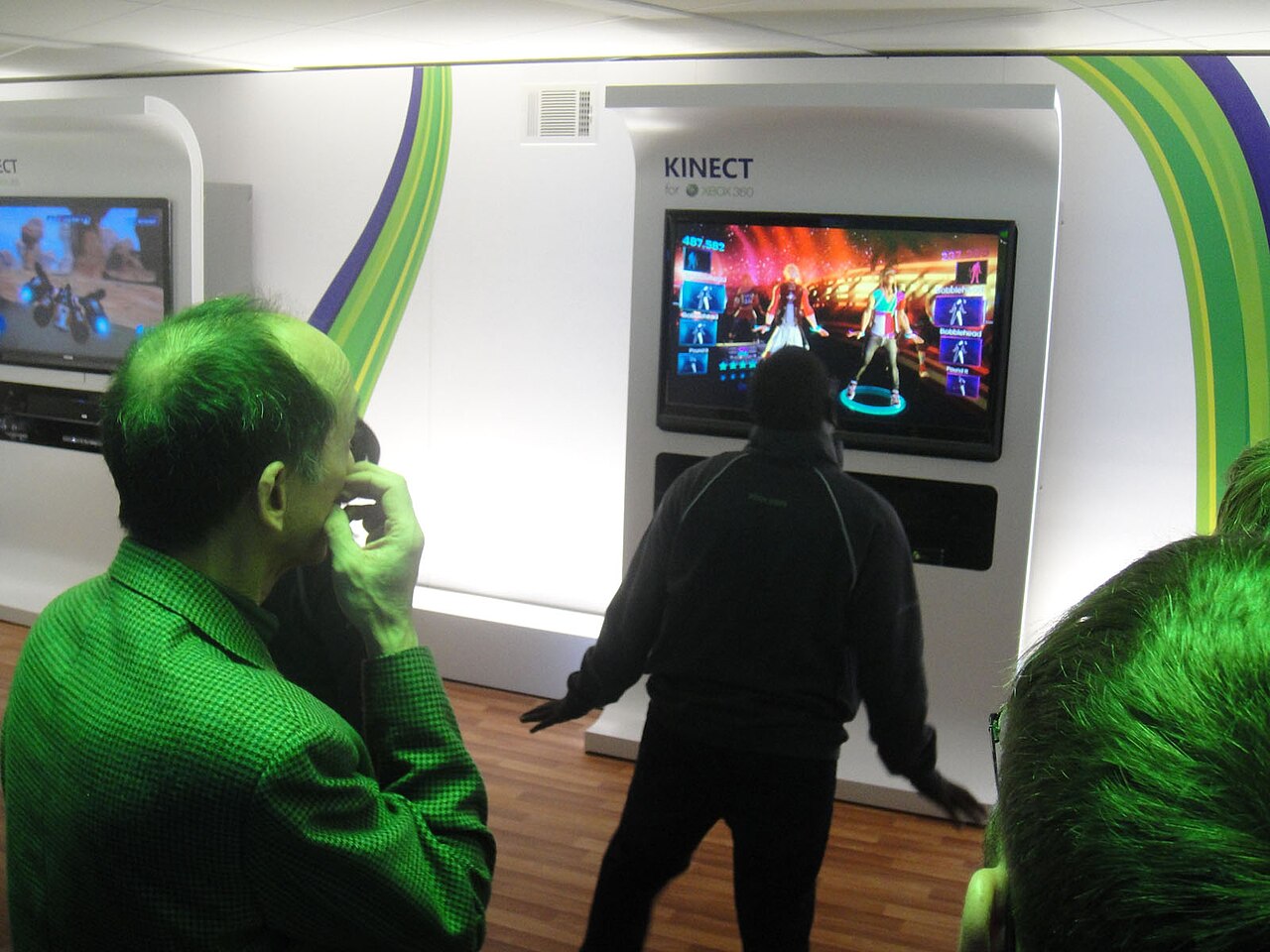
Originally developed as a motion controller for Xbox video game consoles, Kinect stood out from rivals like Nintendo's Wii Remote and Sony's PlayStation Move because it required no physical controller at all. The first-generation model relied on technology from the Israeli company PrimeSense.
Kinect for Xbox 360 marketing and launch
It was revealed at E3 2009 under the code name "Project Natal" as a peripheral for the Xbox 360, and launched on November 4, 2010. Within its first 60 days, it sold eight million units. Most Kinect games were casual, family-oriented titles that drew new audiences to the Xbox 360, but they did not lead to widespread adoption among the console's existing user base.

Kinect for Xbox One
When Microsoft unveiled the Xbox One in 2013, it also introduced a second-generation Kinect with improved tracking. Microsoft initially required the Kinect to be connected for the console to function, a decision that sparked privacy concerns and criticism, leading the company to reverse the requirement. Still, the new Kinect was bundled with Xbox One consoles at launch in November 2013.
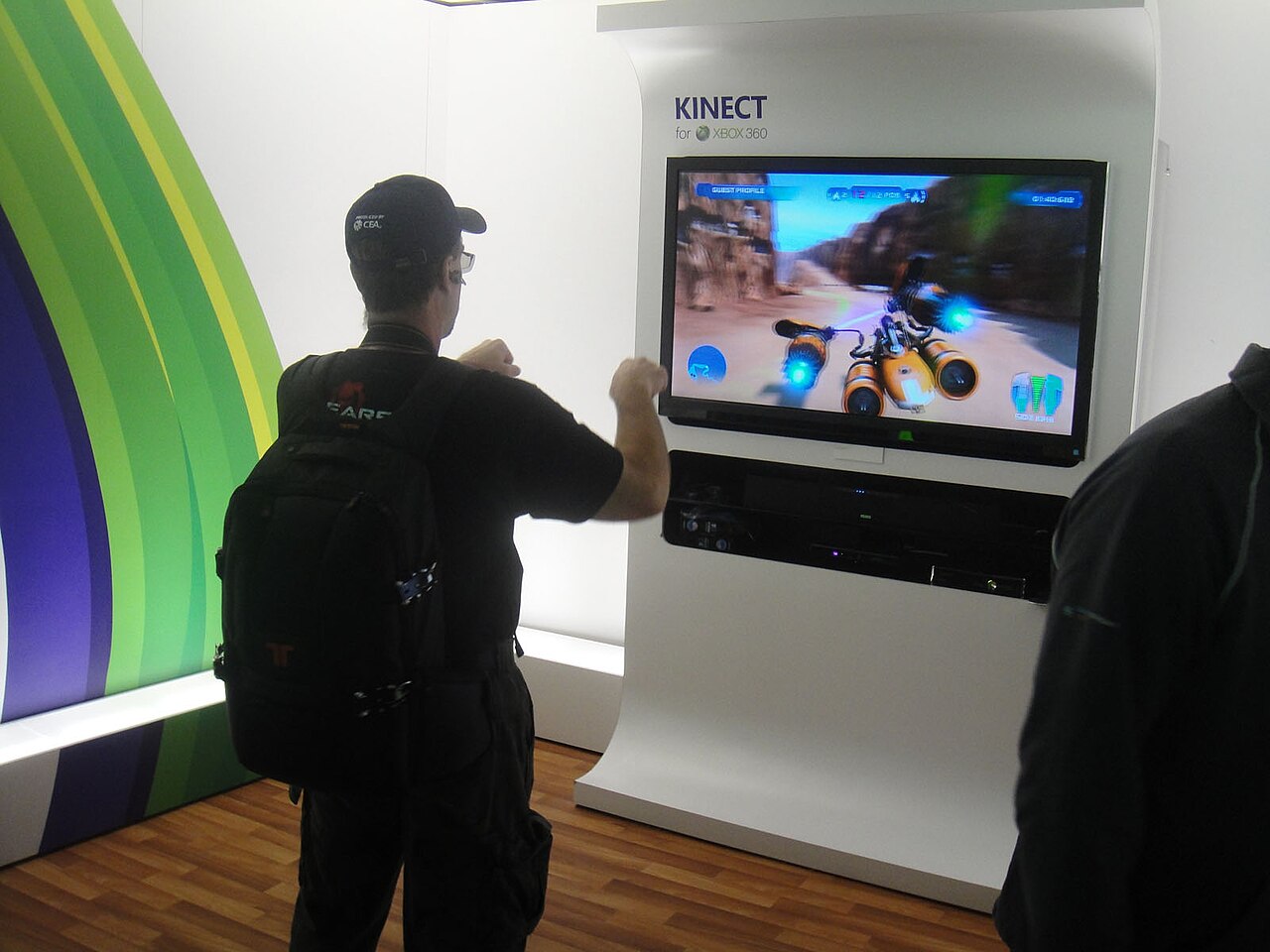
A strong market for Kinect games never materialized after the Xbox One's release. Microsoft later offered Xbox One bundles without Kinect, and subsequent console revisions removed the dedicated ports, requiring a powered USB adapter instead. Production of the Xbox One Kinect ended in October 2017.
Beyond gaming, Kinect found use in academic and commercial settings because it was cheaper and more robust than other depth-sensing technologies available at the time. Microsoft initially resisted these non-game applications but later released software development kits for Windows.
In 2020, Microsoft launched the Azure Kinect, a continuation of the technology integrated with its Azure cloud platform. Kinect technology also contributed to Microsoft's HoloLens project. Microsoft discontinued the Azure Kinect developer kits in October 2023.
Lore & Background
Kinect was originally developed as a motion controller peripheral for Xbox video game consoles. Its first-generation version was based on technology from Israeli company PrimeSense and was unveiled at E3 2009 under the codename 'Project Natal'. The device generally contains RGB cameras, infrared projectors and detectors that map depth through structured light or time of flight calculations, enabling real-time gesture recognition and body skeletal detection. It also includes microphones for speech recognition and voice control.
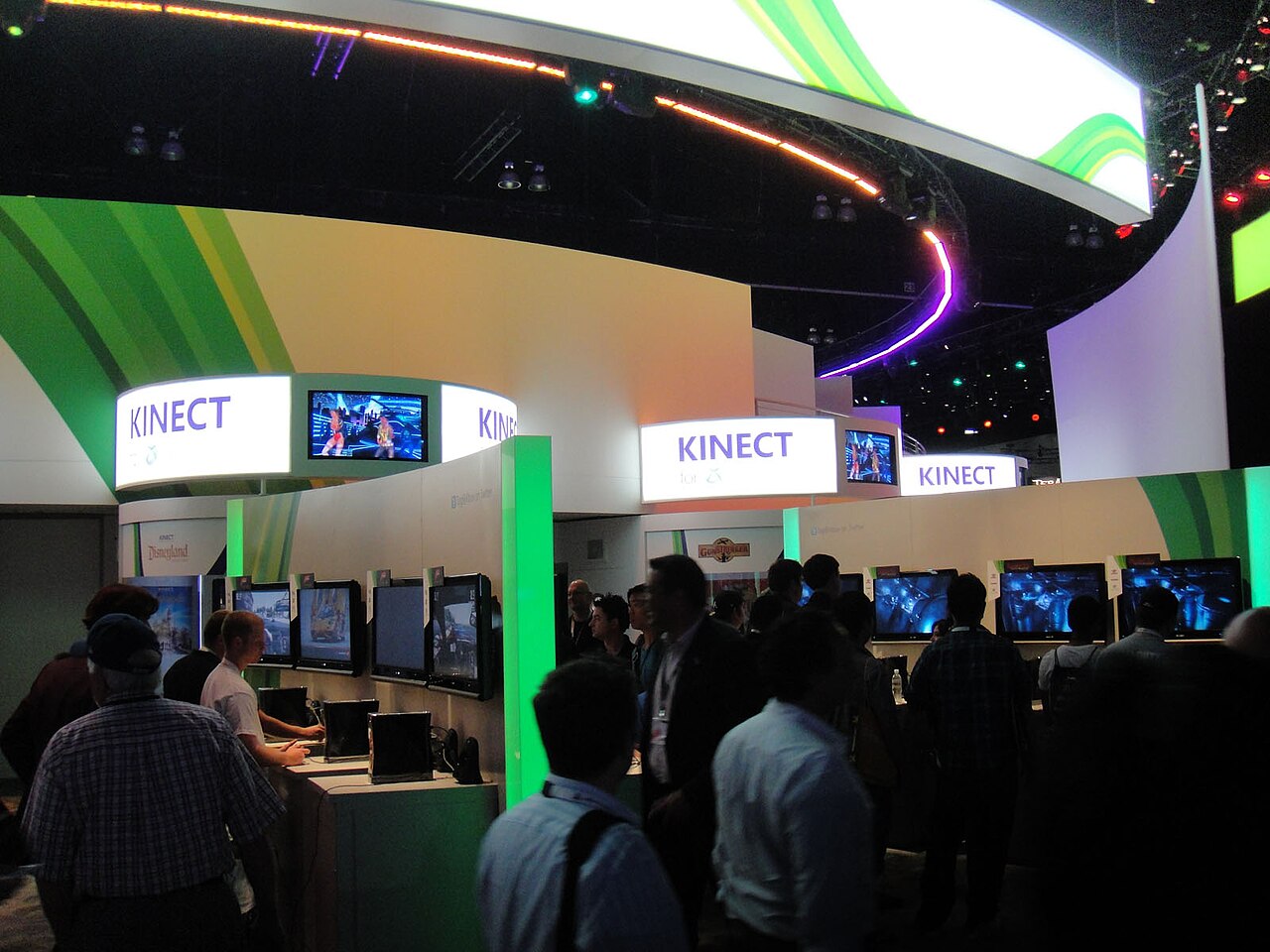
The origins of Kinect trace back to around 2005, when Microsoft had interest in a 3D camera for the Xbox line but placed it in a 'Boneyard' of possible technology. PrimeSense was founded in 2005 by mathematicians and engineers to develop depth-sensing cameras for video games. Microsoft's Alex Kipman saw potential in PrimeSense's technology at the 2006 Game Developers Conference, leading to discussions about making the product consumer-friendly. Nintendo's release of the Wii in November 2006 pressured Microsoft, which initially considered creating an equivalent to the Wii Remote but ultimately aimed to remove any device between the player and the Xbox.
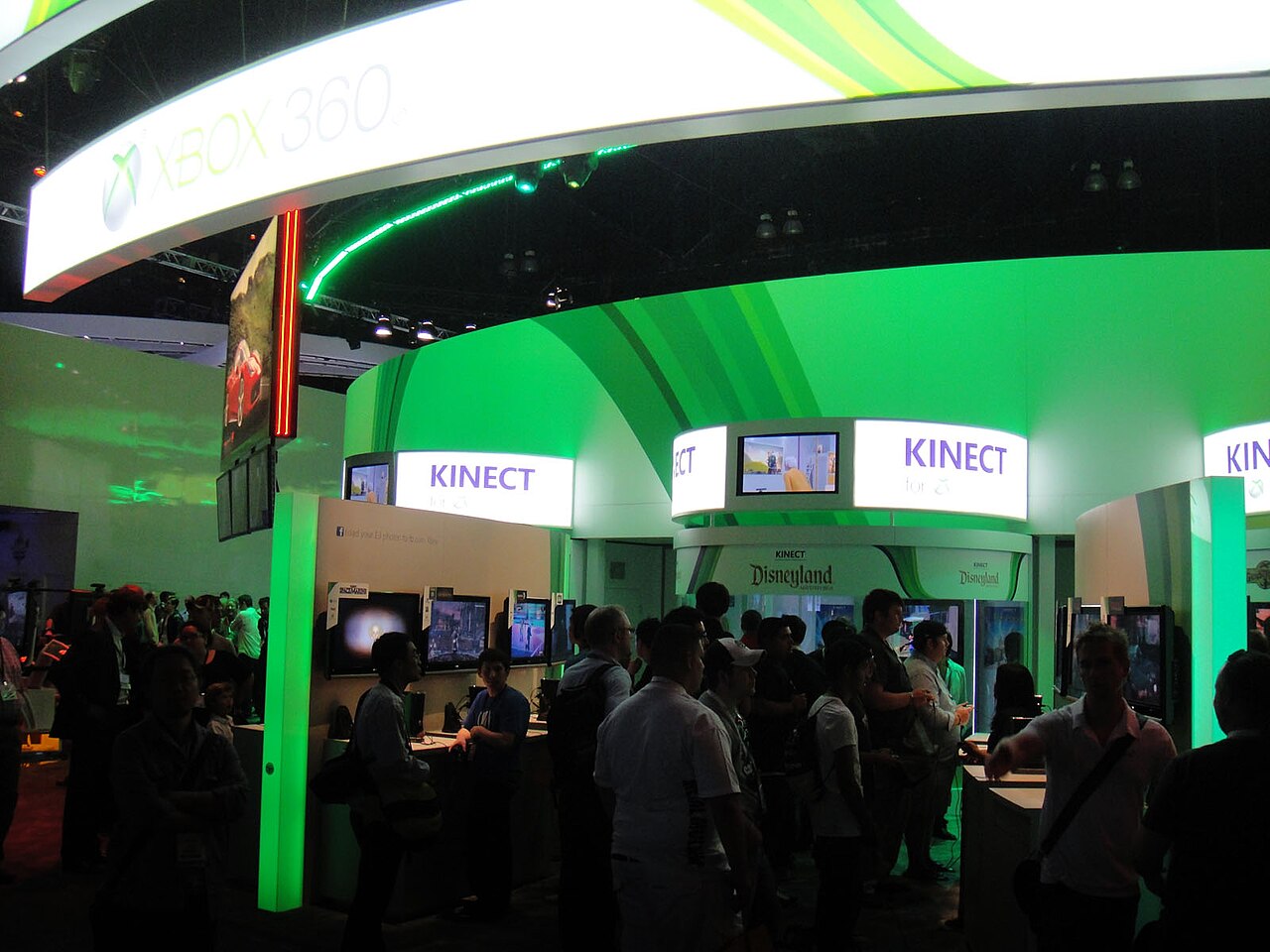
Kudo Tsunoda and Darren Bennett joined Microsoft in 2008 and worked with Kipman on a new approach using machine learning to improve skeletal tracking. The project was greenlit by late 2008 with work starting in 2009. The codename 'Project Natal' came from the Brazilian city Natal, Kipman's birthplace, and also reflected the Latin meaning 'to be born'. Ethnographic research studied how players' home environments were laid out and lit.

Upper management opted to include an automatic motor for the camera angle despite increased cost. Hardware development took around 22 months. Microsoft engaged software developers, including internal teams that created the pack-in game Kinect Adventures. Another prototype, Project Milo by Lionhead Studios, was cancelled after Microsoft scaled back the device's capabilities to keep costs consumer-grade.
Reader's Guide
Kinect's significance lies in its attempt to redefine motion control by eliminating the handheld controller entirely, a departure from the Wii Remote and PlayStation Move. The first-generation Kinect sold eight million units in its first 60 days, and the majority of its games were casual, family-oriented titles that attracted new audiences to the Xbox 360 but did not achieve wide adoption among the console's existing userbase. The second-generation Kinect, unveiled with the Xbox One in 2013, featured improved tracking capabilities. Microsoft initially required Kinect to be connected for the Xbox One to function, a decision that proved controversial due to privacy concerns and was later reversed.
Despite being bundled with Xbox One consoles at launch, a market for Kinect-based games did not emerge. Microsoft later offered Xbox One bundles without Kinect, and subsequent console revisions removed dedicated ports, requiring a powered USB adapter. Production of Kinect for Xbox One ended in October 2017.
Beyond gaming, Kinect was used in academic and commercial environments as a cheaper and more robust depth-sensing technology. Microsoft initially objected to such applications but later released software development kits for Windows.
In 2020, Microsoft released Azure Kinect as a continuation of the technology integrated with the Azure cloud platform, and part of the technology was used in Microsoft's HoloLens project. Azure Kinect developer kits were discontinued in October 2023. Kinect's legacy includes its role in advancing depth-sensing and gesture recognition, though it failed to sustain a dedicated game market on Xbox.
Frequently Asked Questions
What is Kinect?
Kinect is a motion-sensing peripheral made by Microsoft that reads a player's body position, gestures, and voice through an array of cameras, infrared sensors, and built-in microphones — all without the user holding a controller.
Which Xbox consoles supported Kinect?
It debuted on Xbox 360 on November 4, 2010, then carried over to Xbox One as a bundled feature, with production for that second platform wrapping up in October 2017.
How did Kinect's launch sales compare to other motion controllers?
It shifted roughly 8 million units in its first 60 days on the market, a figure that set it apart from rivals like Nintendo's Wii Remote and Sony's PlayStation Move, neither of which required the player to grip a handheld device.
What was Kinect's original codename during development?
The hardware was known internally as Project Natal before Microsoft rebranded it to Kinect ahead of its 2010 retail debut.
More in Game Controllers and Accessories
Sources
Compiled from Wikipedia and the sources listed below. Text from Wikipedia is available under CC BY-SA 4.0; this entry is adapted from it.
- Wikipedia: Kinect (CC BY-SA 4.0).
Spotted an error? Know more?
Reader corrections go straight into our review queue. Suggest an edit · How this site is sourced