Charcot–Marie–Tooth disease
Inherited neurological disorder affecting peripheral nerves.

Charcot–Marie–Tooth disease (CMT) is an inherited neurological condition that damages the peripheral nerves, which carry signals between the brain, spinal cord, and the rest of the body. As the most common inherited neuropathy, it leads to symptoms like numbness, tingling, weakness, muscle wasting, pain, and gradually worsening foot deformities. In some cases, it also affects nerves that control automatic functions such as sweating and balance. Symptoms usually start in the feet and legs before moving to the hands and arms. While some people have only mild issues, others face significant physical challenges. There is no cure, but treatments like physical therapy, orthopedic devices, surgery, and medications can help manage symptoms and improve daily life.
The disease is caused by mutations in more than 100 different genes. These mutations disrupt the function of nerve cell axons, which transmit signals, and their myelin sheaths, which insulate and speed up those signals. When these parts are damaged, nerve signal transmission slows or becomes impaired, leading to problems with muscle control and sensation. CMT was first identified in 1886 by French doctors Jean-Martin Charcot and Pierre Marie, along with English neurologist Howard Henry Tooth. It affects about one in 2,500 people.
**Signs and symptoms**
Symptoms often appear in childhood or adolescence, but some people do not develop them until their 30s or 40s. Severity and progression vary widely, even among family members. The earliest common sign is difficulty walking, usually due to weakness in the lower leg and foot muscles. This can cause foot drop—trouble lifting the front part of the foot—leading to tripping or a high-stepping gait. Over time, muscle imbalance can produce distinctive foot deformities like high arches (pes cavus) and curled toes (hammertoes).
As the disease progresses, weakness often spreads to the hands and forearms, making fine motor tasks like buttoning a shirt or writing harder. Many people also gradually lose sensation in the feet, legs, hands, and arms, which can affect the ability to feel pain, temperature, or touch, and may cause balance problems, especially in dim light. Other possible symptoms include involuntary teeth grinding and squinting, which often go unnoticed by the person affected. Breathing, hearing, vision, and neck and shoulder muscles can be involved. Scoli
- field
- Neurology
- known_for
- Discovery of Charcot–Marie–Tooth disease
- discovered_by
- Jean-Martin Charcot, Pierre Marie, Howard Henry Tooth
- year_discovered
- 1886
- prevalence
- Approximately 1 in 2,500 people
- inheritance
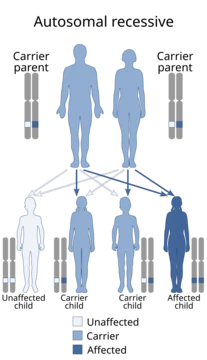
- Genetic mutations in over 100 genes
Lore & Background
Charcot–Marie–Tooth disease is caused by mutations in over 100 different genes, which disrupt the function of nerve cells' axons and their myelin sheaths. When these components are damaged, nerve signal transmission slows down or becomes impaired, leading to problems with muscle control and sensory feedback. The condition was discovered in 1886 by doctors Jean-Martin Charcot and Pierre Marie of France and the English neurologist Howard Henry Tooth.
Symptoms often appear in childhood or adolescence but may not develop until adulthood. The most common early sign is difficulty walking due to weakness in the lower legs and feet, leading to foot drop and a high-stepping gait. Over time, distinctive foot deformities such as high arches and curled toes may develop. The disease can also affect the hands and forearms, causing difficulty with fine motor skills, and may involve sensory loss, balance problems, and pain.
There is no cure for CMT, but treatments such as physical therapy, orthopedic devices, surgery, and medications can help manage symptoms and improve quality of life. The disease is typically slowly progressive and not life-threatening, though the degree of disability varies widely among individuals.
Reader's Guide
Charcot–Marie–Tooth disease is significant as the most commonly inherited peripheral neuropathy, affecting approximately one in 2,500 people. Its discovery in 1886 by Charcot, Marie, and Tooth established a foundational understanding of hereditary neuropathies. The disease's genetic complexity—with over 100 causative genes—highlights the intricate molecular mechanisms underlying peripheral nerve function, including myelin sheath integrity and axonal transport. This genetic heterogeneity has driven classification into types such as CMT1, CMT2, CMT4, and CMTX, each with distinct inheritance patterns and pathological features. The condition's variable presentation, from mild symptoms to significant physical limitations, underscores the importance of personalized management strategies. While no cure exists, ongoing research into the specific genetic mutations and cellular processes involved offers potential for targeted therapies. CMT's impact on quality of life, including pain, mobility issues, and fine motor difficulties, makes multidisciplinary care essential. Its legacy lies in advancing the understanding of peripheral neuropathies and the role of genetic factors in neurological disease.
Did You Know?
- CMT is caused by mutations in over 100 different genes.
- The condition was discovered in 1886 by Jean-Martin Charcot, Pierre Marie, and Howard Henry Tooth.
- Symptoms often start in the feet and legs before spreading to the hands and arms.
- There is no cure for CMT, but treatments include physical therapy, orthopedic devices, surgery, and medications.
More in Diseases named after discoverers 1-24
Spotted an error? Know more?
This is a living reference — every entry is fact-audited, and reader corrections feed straight into our audit queue. Suggest an edit · See this site's audit record